For manufacturing professionals tasked with equipment selection, understanding the capabilities and differences between 3-axis, 4-axis, and 5-axis vertical machining centers (VMCs) is crucial for optimizing production processes, ensuring precision, and maximizing return on investment. As a leading high-tech enterprise with over 25 years of experience in CNC machinery manufacturing, Ningbo Kaibo CNC Machinery Co., Ltd. provides this technical guide to help manufacturers make informed decisions when selecting vertical machining centers.
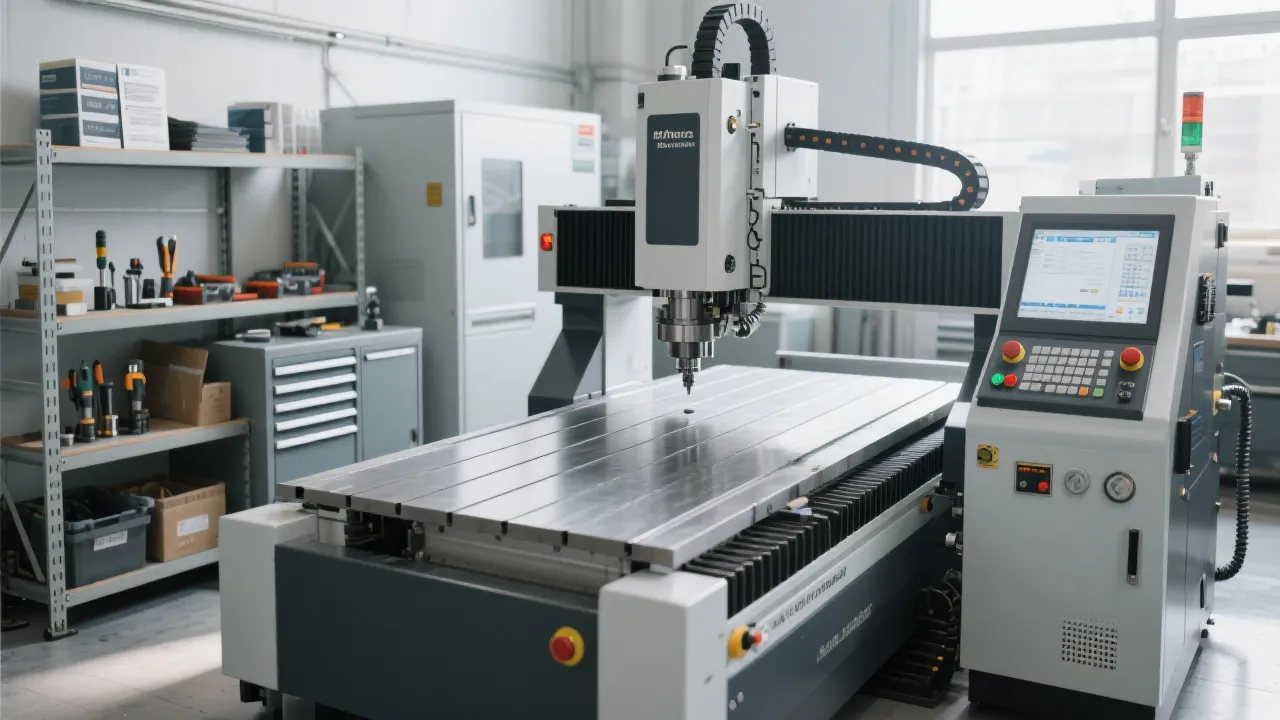
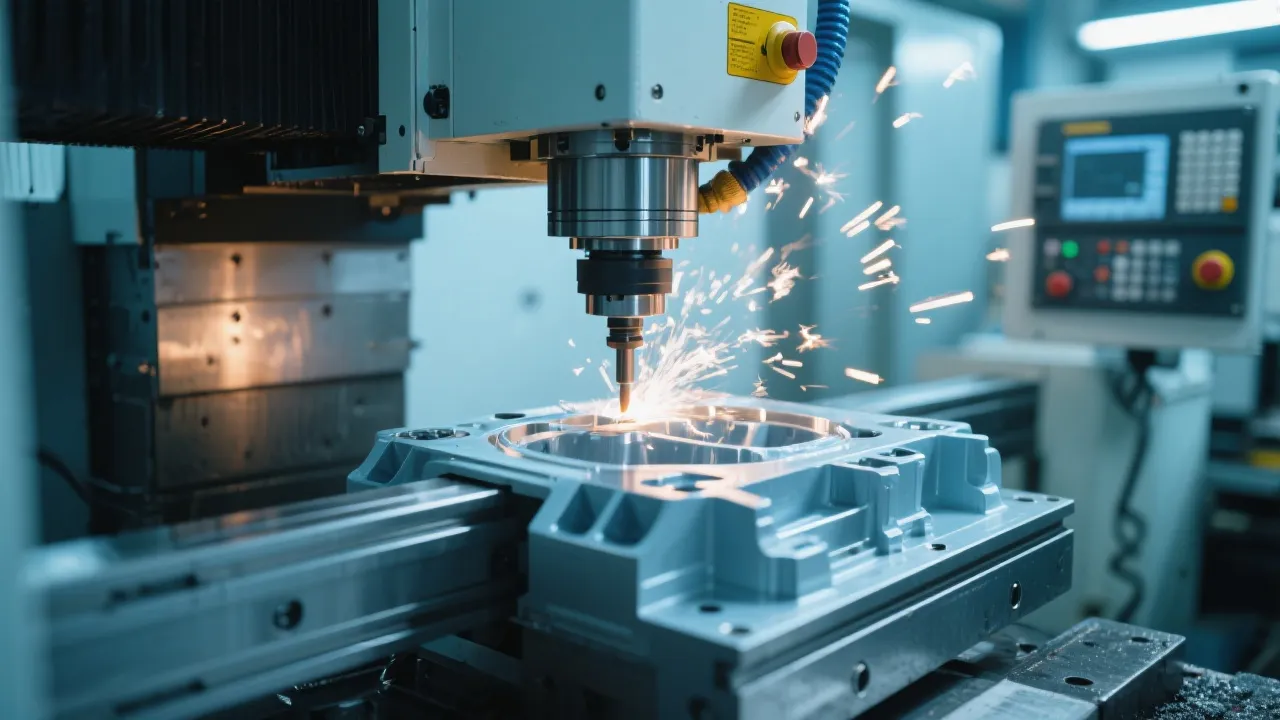
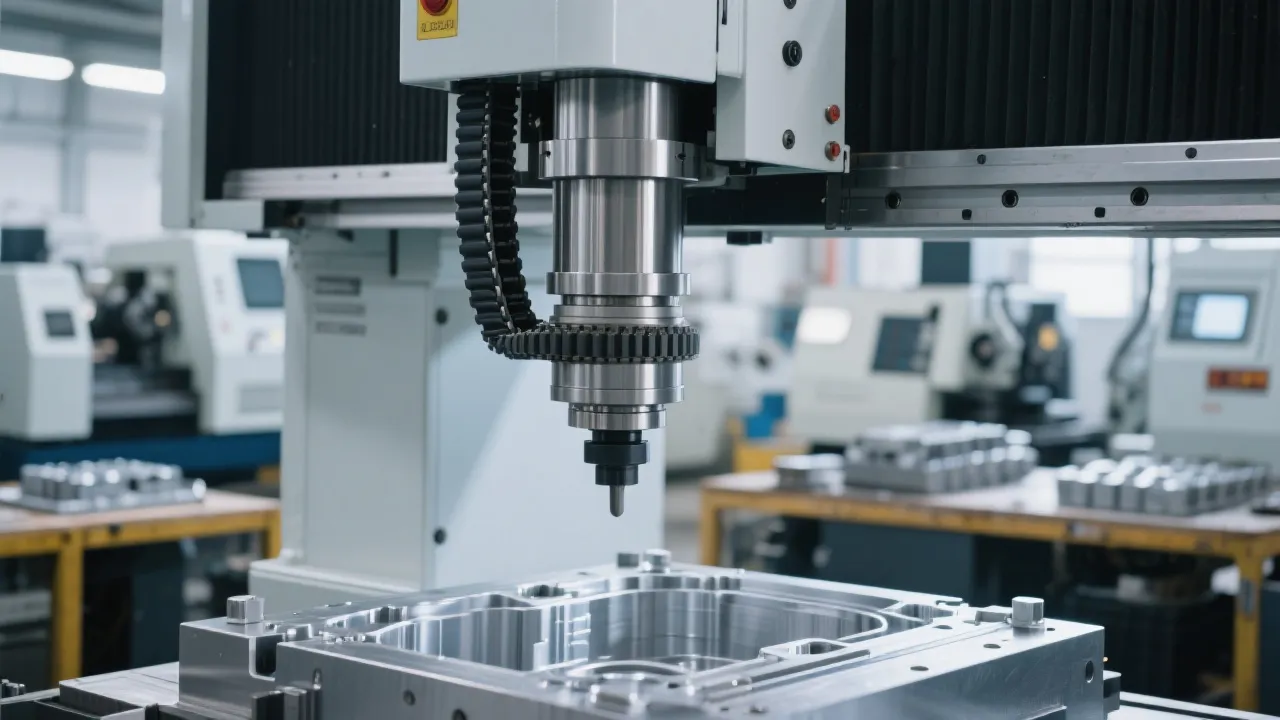
A vertical machining center is a computer numerical control (CNC) machine tool designed for precision cutting, drilling, and milling operations. Characterized by a vertically oriented spindle that holds cutting tools, VMCs are widely used across automotive, aerospace, mold-making, medical device, and general manufacturing industries. The key distinction between 3-axis, 4-axis, and 5-axis VMCs lies in their ability to position and manipulate workpieces in multiple dimensions, directly impacting manufacturing complexity, efficiency, and precision.
Axis Configuration: X (horizontal), Y (horizontal perpendicular to X), and Z (vertical) axes.
Operational Principle: The cutting tool moves along the X, Y, and Z axes while the workpiece remains stationary on the machine table.
Technical Characteristics: Simplest structure, straightforward programming, lower initial investment, and high rigidity for stable cutting operations.
Axis Configuration: X, Y, Z axes plus A or B rotary axis (typically a rotary table that rotates around the X or Y axis).
Operational Principle: Adds rotational movement around one axis, allowing the workpiece to be rotated for multi-sided machining without manual repositioning.
Technical Characteristics: Enhanced productivity through reduced setup times, improved accuracy by eliminating multiple fixturing, and expanded machining capabilities for complex parts.
Axis Configuration: X, Y, Z linear axes plus two rotary axes (typically A and C axes), providing full spatial positioning of the workpiece.
Operational Principle: Enables simultaneous movement of all five axes, allowing complex contour machining and the ability to access multiple part surfaces in a single setup.
Technical Characteristics: Highest machining flexibility, reduced setup times, improved surface finish, and capability to produce highly complex geometries with minimal operations.
| Machining Center Type | Optimal Applications | Typical Workpiece Complexity | Production Efficiency | Investment Level |
|---|---|---|---|---|
| 3-Axis VMC | Flat parts, simple 3D contours, drilling, tapping, 2.5D machining | Low to moderate | Good for simple parts | Entry-level |
| 4-Axis VMC | Cylindrical parts, parts with features on multiple sides, indexable machining | Moderate to high | High for multi-sided parts | Mid-range |
| 5-Axis VMC | Complex curved surfaces, aerospace components, medical implants, mold cores/cavities | High to very high | Excellent for complex geometries | Premium |
Selecting the appropriate vertical machining center requires careful evaluation of multiple factors to align with production requirements and business objectives:
With over 25 years of experience as a national standard-setter for CNC engraving and milling machines and holder of the Zhejiang Famous Trademark certification, Ningbo Kaibo CNC Machinery Co., Ltd. offers a comprehensive range of vertical machining centers designed to meet diverse manufacturing needs:
All Kaibo CNC machining centers are built in our 52,000+ square meter manufacturing facility with strict quality control processes, ensuring consistent performance and durability. Our global network of 26 sales and service offices provides timely support to customers across Arabia, Russia, Spain, Portugal, and other international markets.
The choice between 3-axis, 4-axis, and 5-axis vertical machining centers fundamentally depends on your specific manufacturing requirements, part complexity, production volumes, and long-term business goals. While 3-axis machines offer simplicity and cost-effectiveness for basic operations, 4 and 5-axis systems provide enhanced capabilities for complex parts and higher productivity.
As a trusted manufacturer with a proven track record in CNC machinery, Ningbo Kaibo CNC Machinery Co., Ltd. is committed to helping manufacturers select the optimal machining solutions through professional consultation and technical expertise. Our team of engineering specialists can provide personalized guidance to match your production needs with the most suitable vertical machining center configuration, ensuring you achieve the perfect balance of performance, efficiency, and investment value.