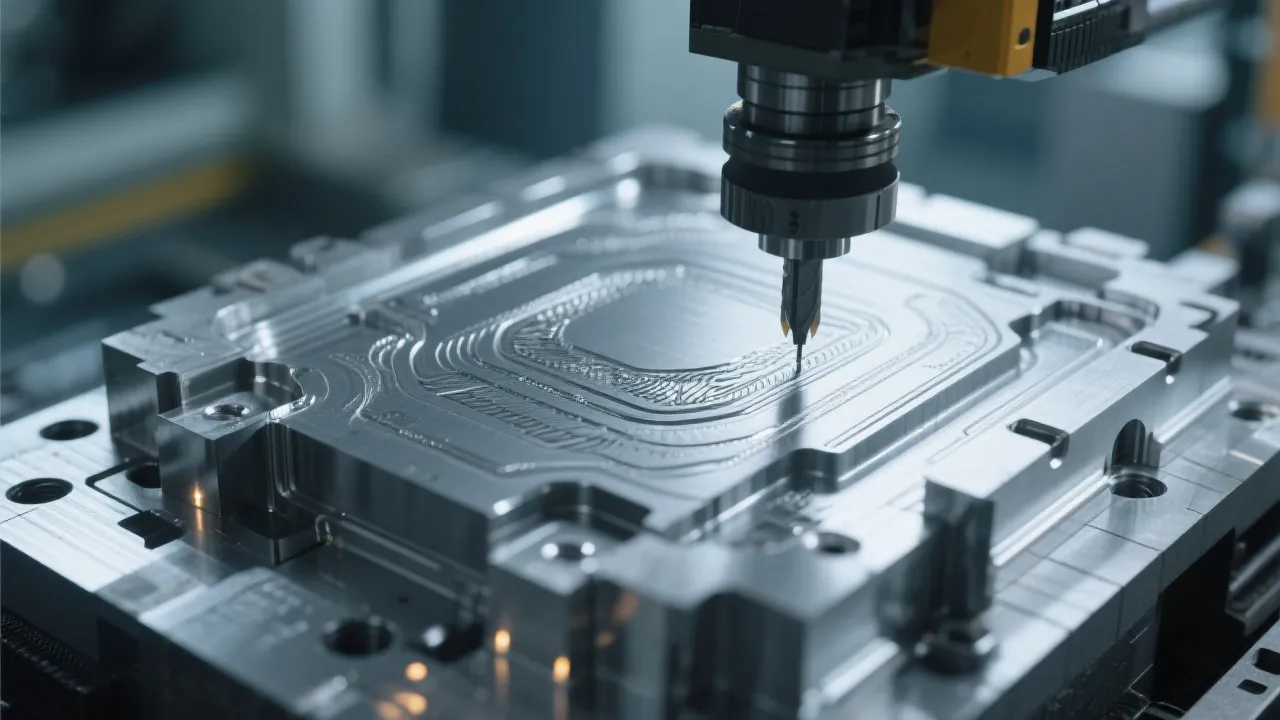
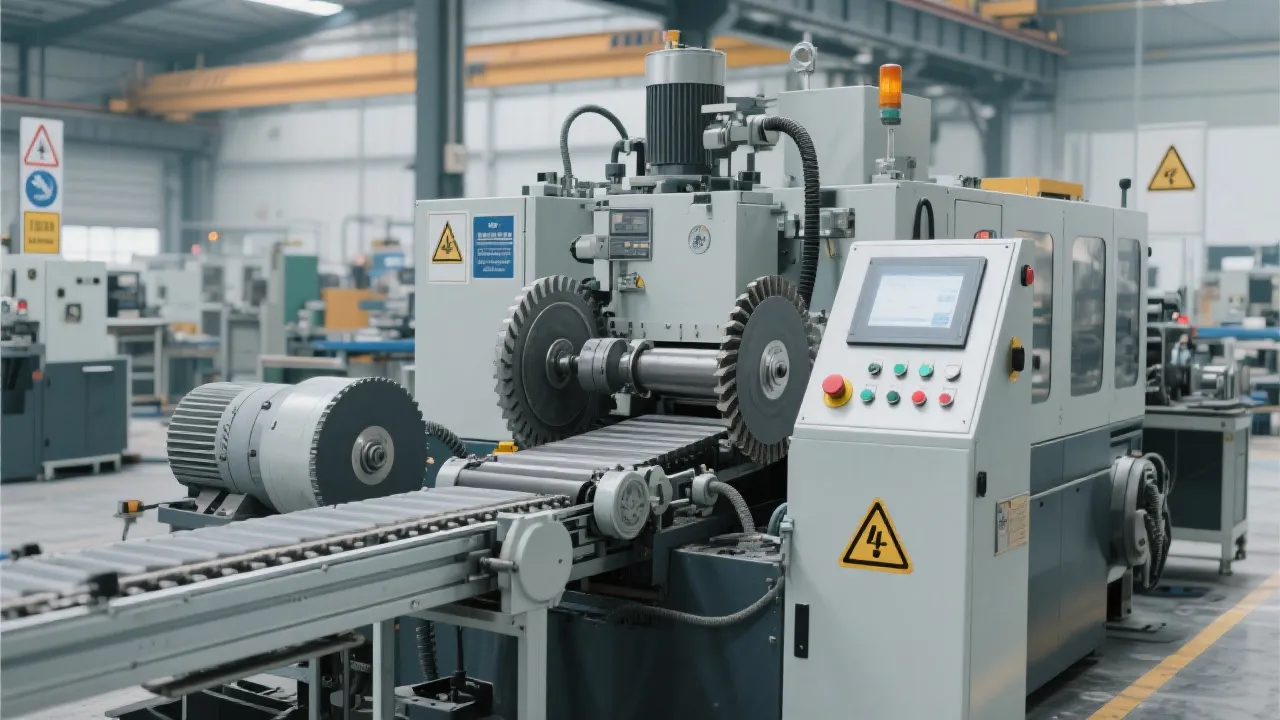
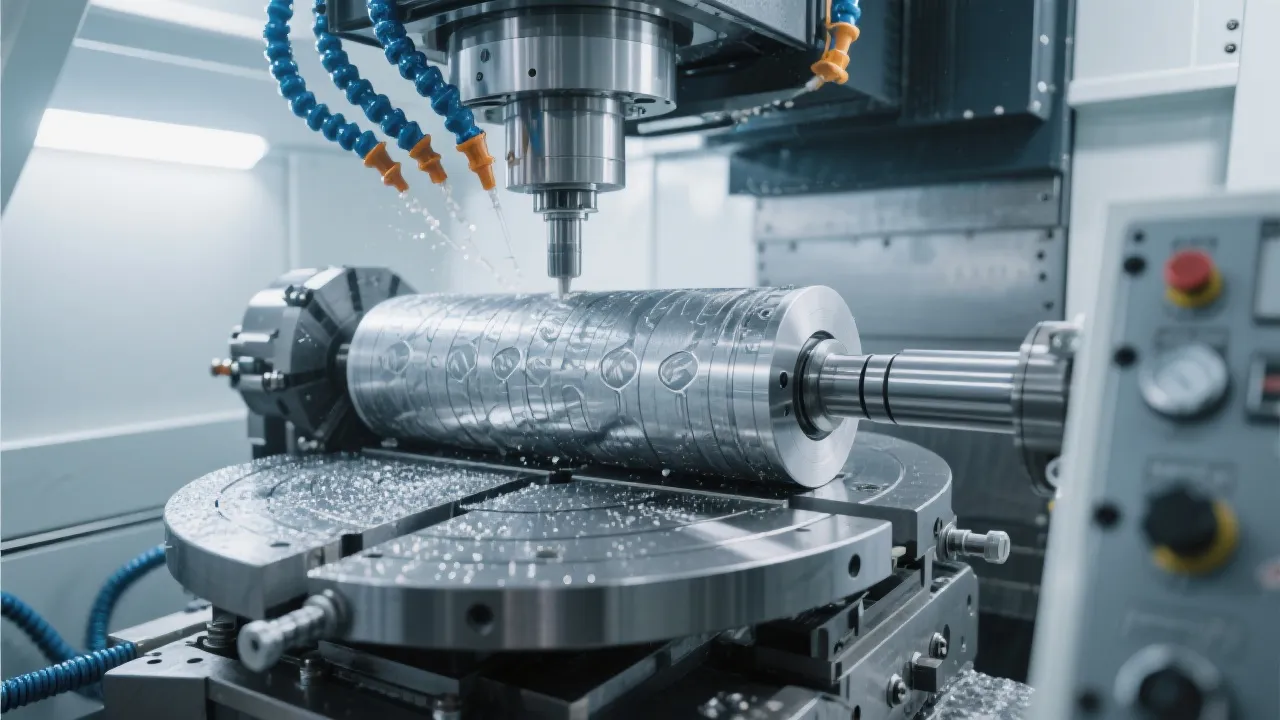
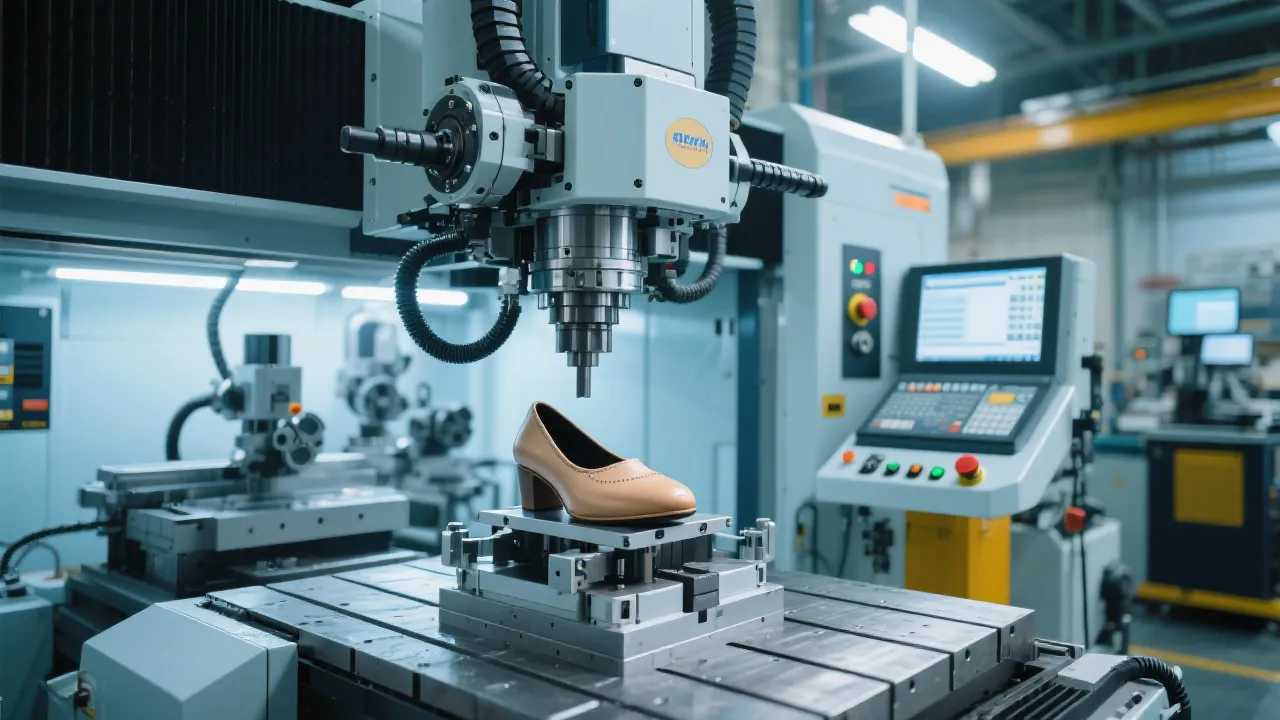
Iron molds, with their complex and diverse structures, pose significant challenges to traditional machining methods. In fact, according to industry data, nearly 70% of iron mold machining projects using traditional three - axis machine tools face limitations in achieving high - precision and efficient processing. The unique structural features of iron molds, such as irregular shapes, deep cavities, and inclined surfaces, make it difficult for three - axis machine tools to meet the requirements of modern manufacturing. This is where multi - axis linkage technology, especially the 4/5 - axis rotary table, comes into play.
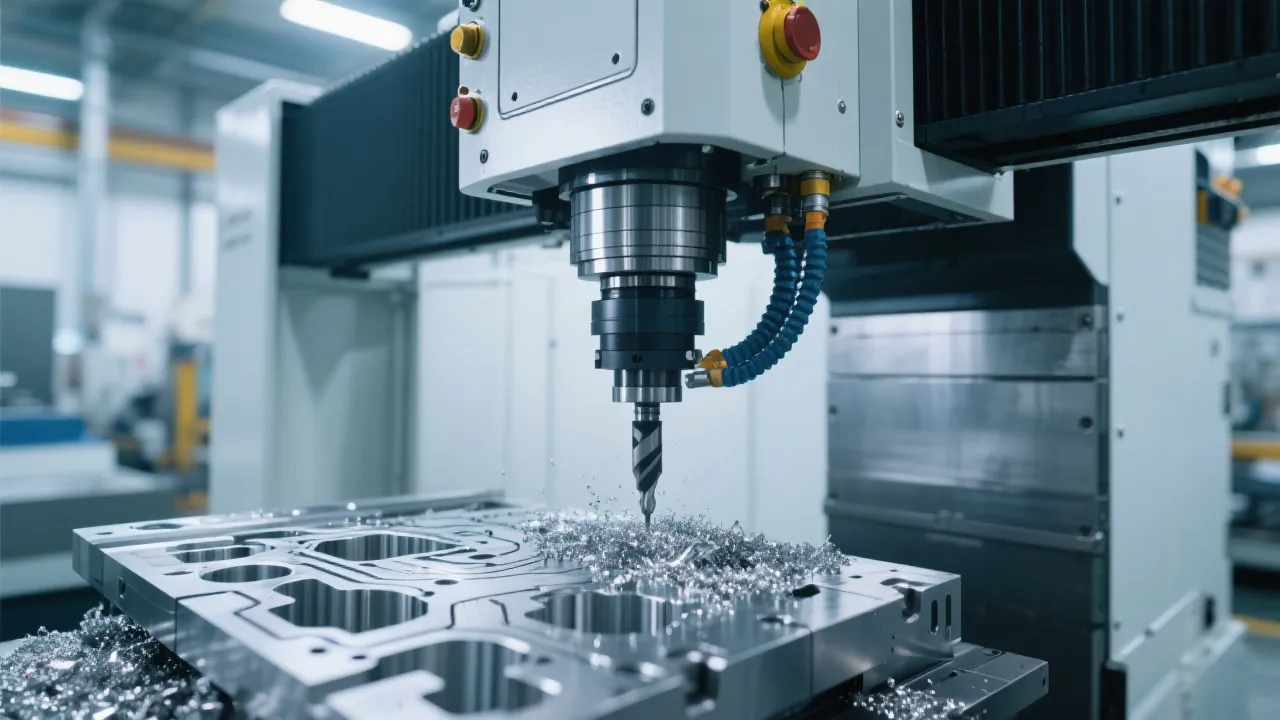
When it comes to inclined surface milling, the 4/5 - axis rotary table can rotate the workpiece to the optimal angle, enabling the cutter to perform precise milling operations. For example, in a real - world project of manufacturing a large - scale iron mold for automotive parts, the use of a 4/5 - axis rotary table reduced the processing time by 30% compared to traditional methods. The table's ability to accurately position the workpiece allowed for more efficient use of the cutter, resulting in smoother surfaces and higher precision.
Deep cavity slotting is another area where the 4/5 - axis rotary table shines. Traditional three - axis machines often struggle with reaching the bottom of deep cavities and maintaining consistent cutting forces. However, the 4/5 - axis rotary table can adjust the workpiece's orientation, providing better access for the cutter. In a case of producing a mold with a deep cavity for a consumer electronics product, the use of this technology improved the surface finish of the cavity by 40% and reduced the number of tool changes by 25%.
Special - shaped holes in iron molds are extremely difficult to machine with traditional methods. The 4/5 - axis rotary table allows for precise control of the cutter's movement in multiple directions, making it possible to create complex hole shapes with high accuracy. In a project of machining an iron mold for a medical device, the 4/5 - axis rotary table was able to achieve a hole - position accuracy of within ±0.05mm, which was a significant improvement over the previous ±0.2mm accuracy achieved with three - axis machines.
The coordinate system conversion of the rotary axis is a crucial aspect of using the 4/5 - axis rotary table. Understanding the relationship between the rotary axis and the machine's coordinate system is essential for accurate programming. The G - code programming logic for the rotary axis involves calculating the correct angles and positions for the workpiece rotation. For example, when programming for a complex inclined surface, engineers need to convert the workpiece's actual position into the machine's coordinate system and then use appropriate G - codes to control the rotation. By optimizing the G - code programming, it is possible to reduce the machining time by up to 20% and improve the overall efficiency of the process.
Interference between the cutter, workpiece, and machine components is a common problem in multi - axis machining. Identifying potential interference points in advance can significantly reduce the risk of equipment damage and improve the quality of the machined parts. For example, using simulation software to visualize the machining process can help operators detect interference problems before actual machining. By implementing interference avoidance strategies, such as adjusting the cutter path or changing the rotation angle, the risk of equipment damage can be reduced by up to 50% and the cost of trial - and - error can be minimized.
To fully utilize the capabilities of the 4/5 - axis rotary table, operators' skills need to be upgraded. Training programs should focus on multi - axis machining theory, programming skills, and practical operation experience. At the same time, process standardization is also crucial. By establishing a set of standardized operating procedures, the quality and efficiency of iron mold machining can be further improved. For example, standardizing the cutter selection, tool path planning, and workpiece clamping methods can reduce the processing time variation by up to 15%.
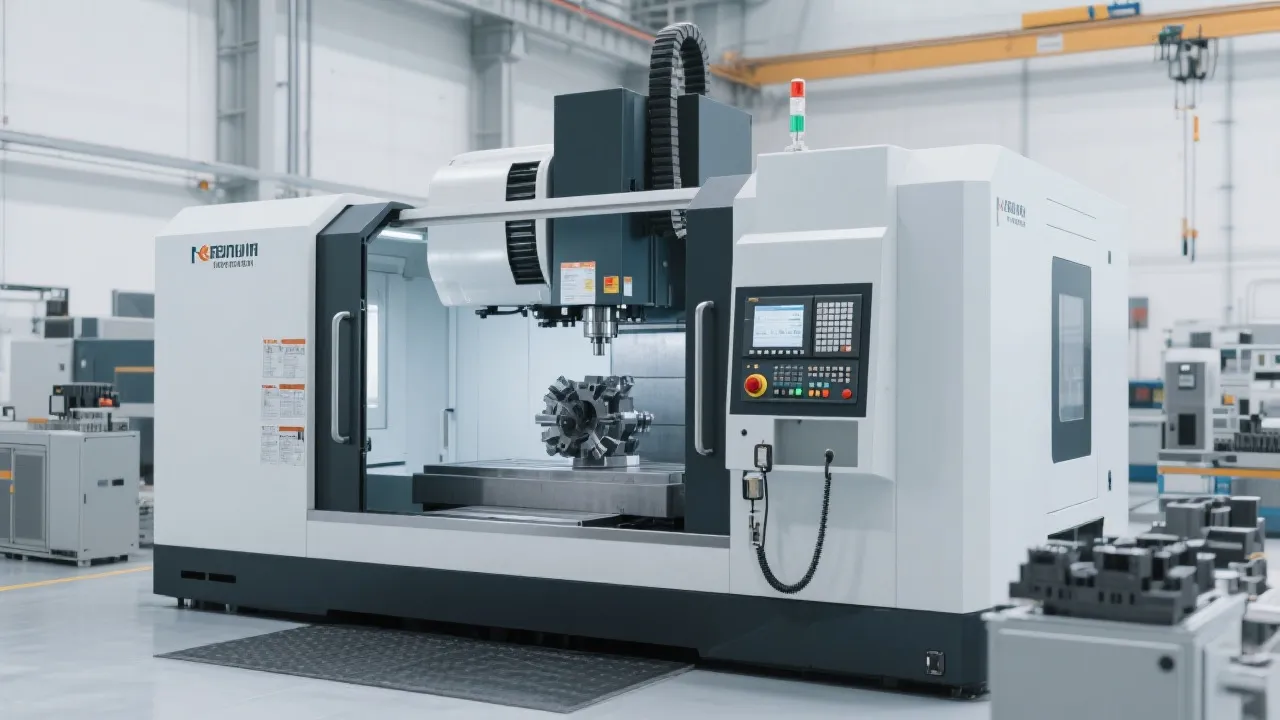
The Kaibo CNC DC1113 model is a prime example of how technology can empower iron mold machining. With its advanced 4/5 - axis rotary table technology, it integrates all the features and advantages mentioned above. It provides stable and reliable performance in complex iron mold machining, enabling engineers to achieve higher precision and efficiency. Whether it is coordinate system conversion, interference avoidance, or process standardization, the DC1113 model offers excellent support.
Are you ready to take your iron mold machining to the next level? Explore the Kaibo CNC DC1113 model and unlock the potential of 4/5 - axis rotary table technology. Learn More Now