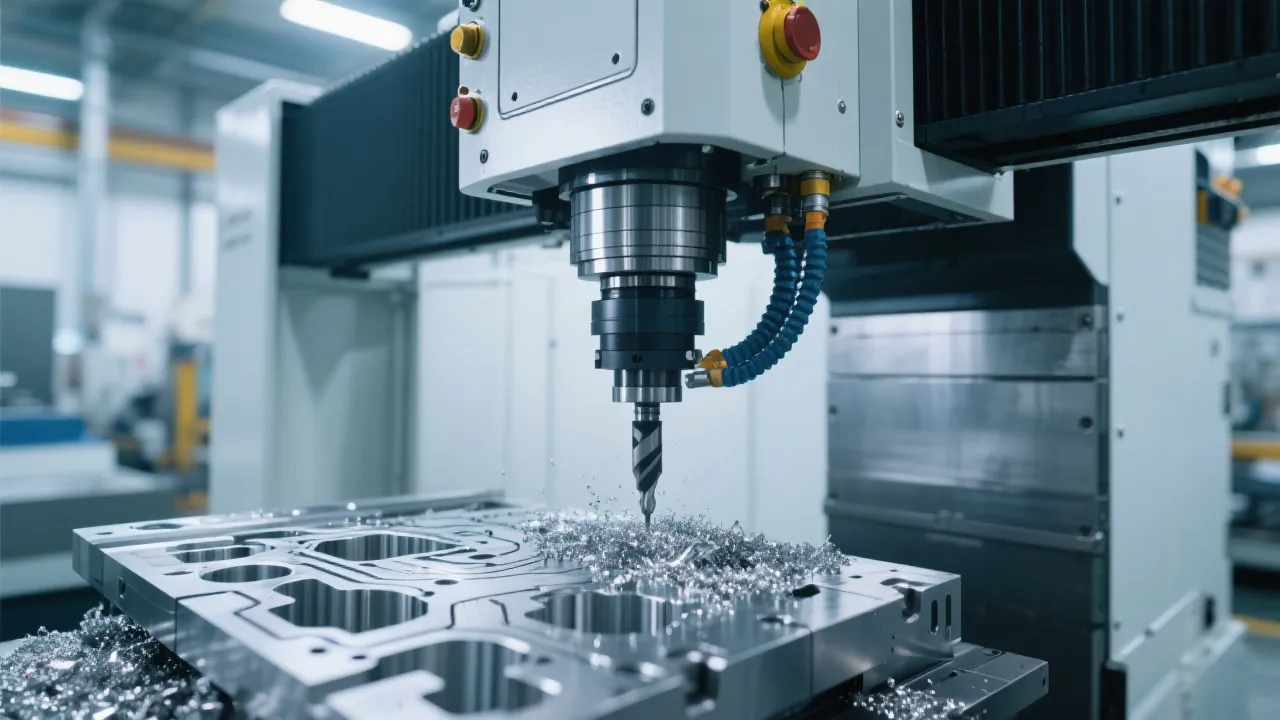
When it comes to iron mold manufacturing, traditional three - axis machining often hits a wall. Statistics show that in complex iron mold shape processing, about 40% of the tasks cannot be fully covered by three - axis machine tools. The main issue is that they struggle with multi - angle milling. With only X, Y, and Z axes, it's challenging to reach all the necessary angles for complex shapes, leading to repeated set - ups and potential inaccuracies.
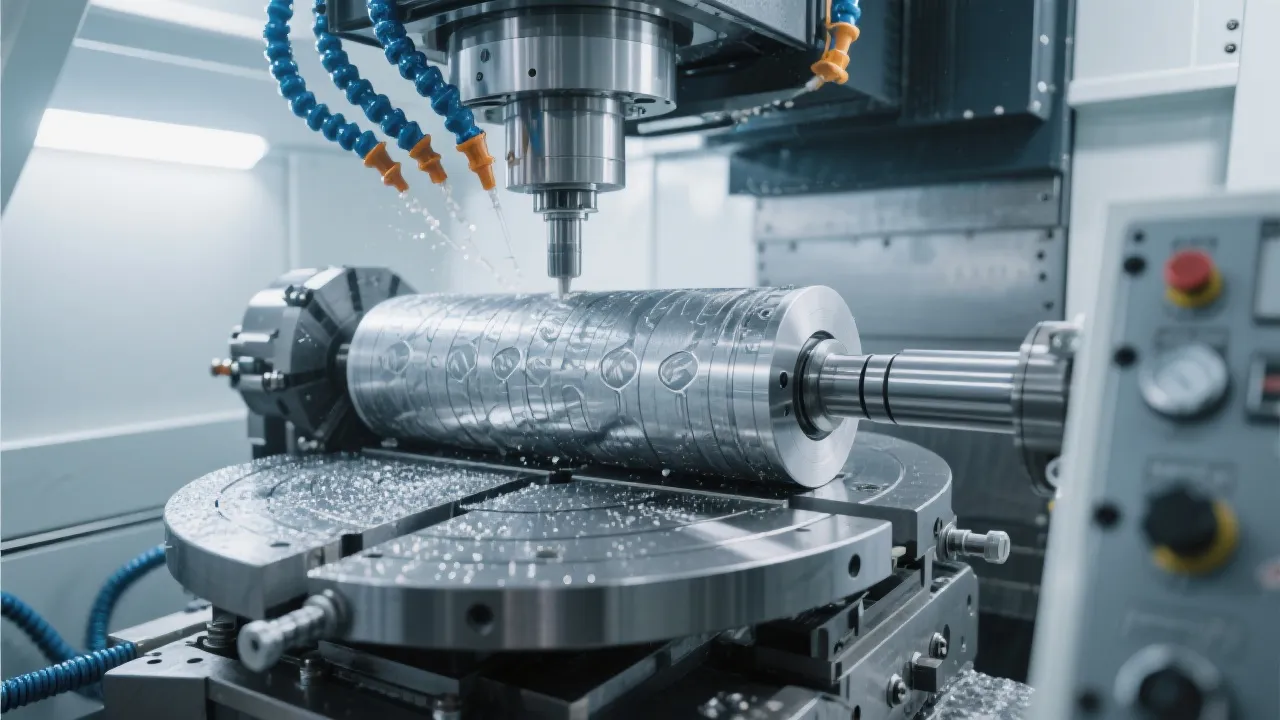
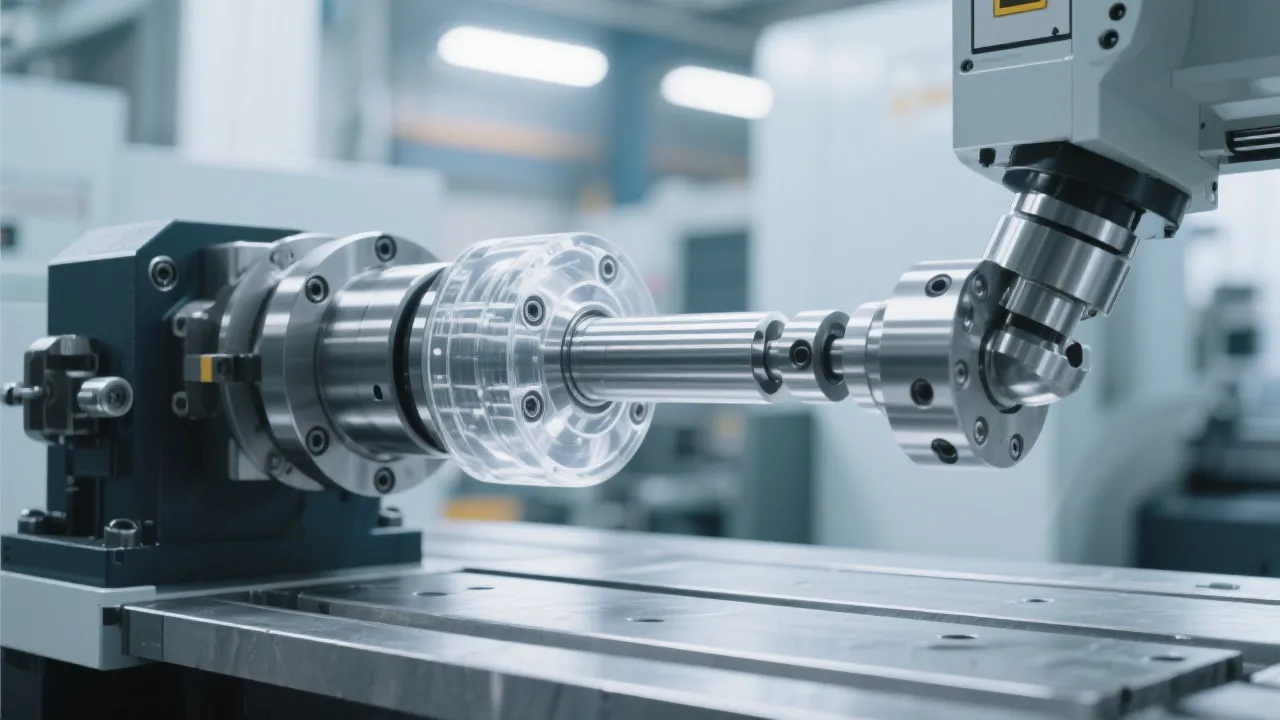
The 4/5 - axis rotary table brings a breath of fresh air to this field. Structurally, it significantly enhances stability and flexibility. Compared to three - axis machines, the 4/5 - axis rotary table can reduce set - up times by up to 60%. This is because it allows for multi - face linkage, enabling the machine to access different angles without constantly re - clamping the workpiece. In terms of stability, the advanced design of the rotary table minimizes vibrations during high - speed rotation, ensuring a smooth machining process.
In bevel milling, the 4/5 - axis rotary table truly shines. For example, in a recent project, a complex iron mold with a 30 - degree bevel needed to be milled. Using a three - axis machine would have required multiple set - ups and careful alignment. However, with the 4/5 - axis rotary table, the bevel was milled in one go, reducing the processing time from 8 hours to just 3 hours and improving the surface finish by 30%.
Deep cavity grooving is another area where the 4/5 - axis rotary table excels. In deep cavity operations, traditional three - axis machines may have difficulty reaching the bottom of the cavity evenly. The 4/5 - axis rotary table can tilt and rotate the workpiece, allowing the cutter to access all parts of the deep cavity more easily. A case study shows that in a deep cavity with a depth - to - width ratio of 5:1, the 4/5 - axis rotary table reduced the processing time by 45% and improved the dimensional accuracy by 25%.
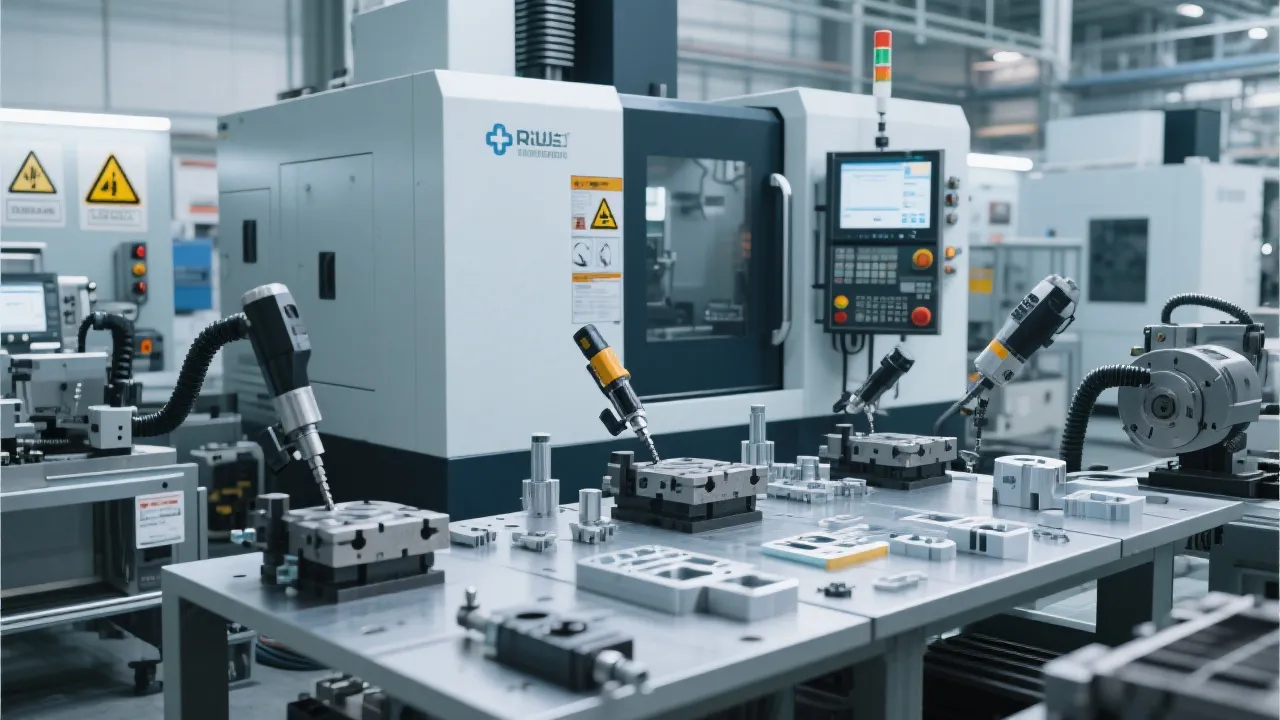
When it comes to special - shaped hole position machining, the 4/5 - axis rotary table offers unparalleled precision. For irregularly shaped holes at various angles, the rotary table can precisely position the workpiece, ensuring that the holes are drilled or milled accurately. In a project involving elliptical holes at different inclinations, the 4/5 - axis rotary table achieved a hole position accuracy within ±0.05mm, far better than the ±0.2mm achievable with three - axis machines.
Properly setting the rotary axis coordinate system is crucial. It provides a reference for accurate machining. When planning the tool path, engineers need to consider factors such as the shape of the workpiece, the type of cutter, and the cutting parameters. Interference detection is also essential to avoid collisions between the cutter and the workpiece or fixture. By using advanced software, engineers can simulate the machining process and detect potential interferences in advance, saving both time and resources.
Industry experts have shared a wealth of programming experience. For example, using macro - programming can simplify complex machining tasks. By defining variables and loops, engineers can write more concise and efficient programs. In terms of error control, real - time monitoring of the machining process can help detect and correct errors immediately. Studies show that real - time monitoring can reduce machining errors by up to 50%.
To help you better understand these complex concepts, we provide animation simulations and video demonstrations. These visual aids can make it easier for you to grasp the working principles of the 4/5 - axis rotary table, the setting of the coordinate system, and the planning of the tool path. They are like a virtual training ground, allowing you to learn and practice without the need for actual machining operations.
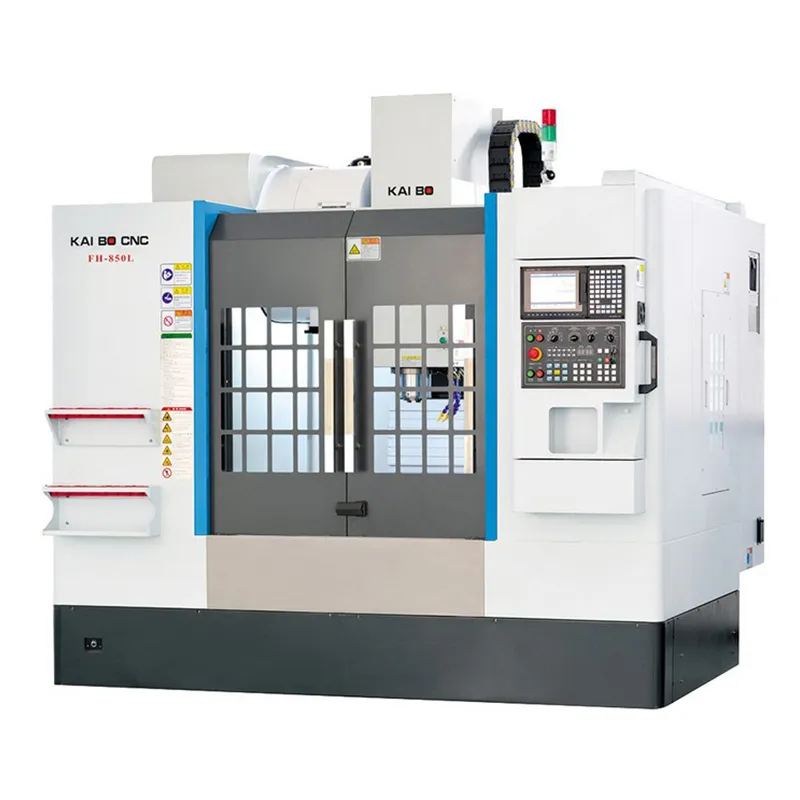
Now, let's talk about our DC1113 model. It is a state - of - the - art product that incorporates all the latest technologies of the 4/5 - axis rotary table. With its high - precision components and intelligent control system, it can bring your iron mold manufacturing to a new level. And with Kaibo CNC's comprehensive service system, which includes 24/7 technical support and regular maintenance, you can rest assured that your production will run smoothly. Don't miss out on this opportunity to revolutionize your iron mold manufacturing process. Click here to learn more about the DC1113 and Kaibo CNC's services!




 <#else>