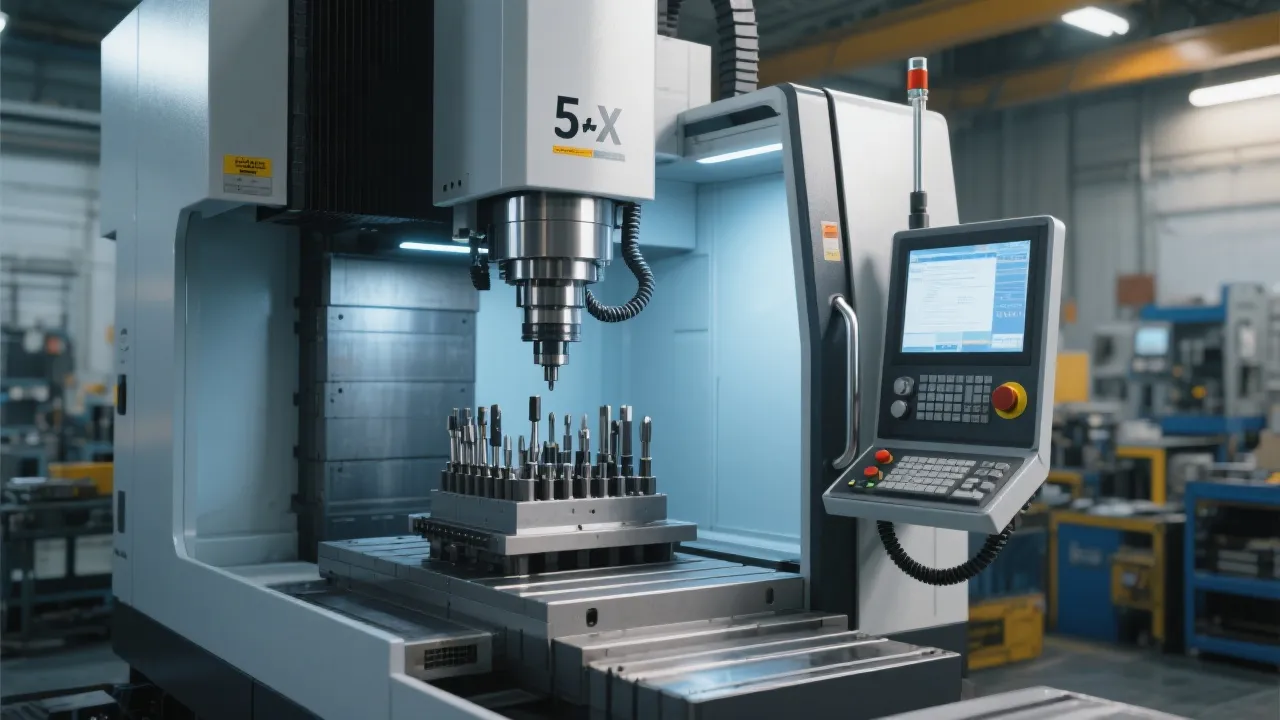
In the fast-paced world of footwear manufacturing, where design cycles shorten and precision requirements escalate, the choice of machining equipment directly impacts a company's competitiveness. Traditional 3-axis CNC machines, once the industry standard, now struggle to meet the complex demands of modern shoe mold production. Enter 5-axis CNC milling technology—a game-changer that's redefining what's possible in footwear mold manufacturing.
"Our production time for complex shoe lasts decreased by 42% after implementing 5-axis technology. The difference in surface finish quality is remarkable—we've reduced post-processing work by nearly 70%." — Ahmed Hassan, Production Manager at Dubai Footwear Technologies
Modern footwear design requires molds that can reproduce intricate curves, precise dimensions, and smooth surfaces—all while maintaining production efficiency. Three critical performance requirements have emerged as non-negotiable:
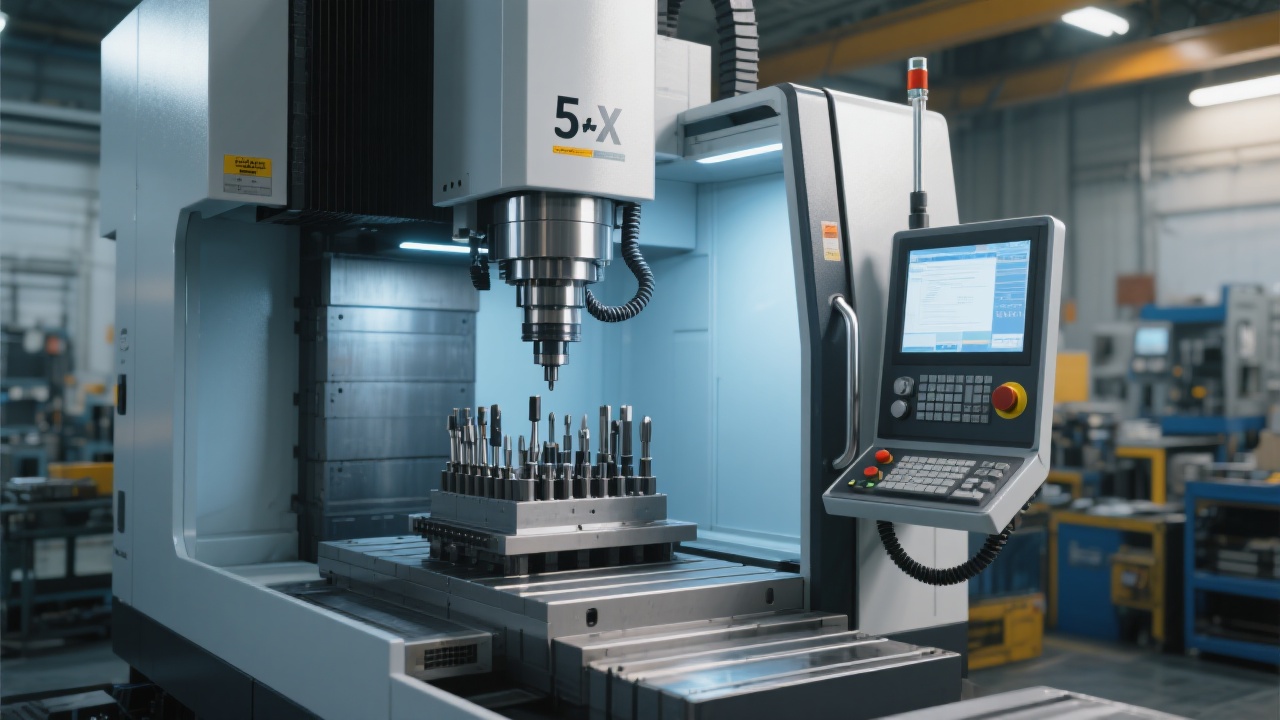
The transition from 3-axis to 5-axis machining represents more than just an incremental improvement—it's a fundamental shift in manufacturing capability. The key difference lies in the machine's ability to maintain optimal cutting angles while reducing setup time.
| Performance Metric | 3-Axis CNC | 5-Axis CNC (DC6070) | Improvement |
|---|---|---|---|
| Setup Time per Mold | 45-60 minutes | 10-15 minutes | +75% |
| Machining Time per Mold | 180-220 minutes | 85-110 minutes | +48% |
| Post-Processing Required | Significant | Minimal | +65% |
| Surface Finish Quality | Ra 1.6-3.2μm | Ra 0.4-0.8μm | +75% |
At the heart of the 5-axis revolution lies a sophisticated integration of three core technologies that work in harmony to deliver exceptional results:
The foundation of precision machining begins with a stable platform. The 凯博数控 DC6070 incorporates a one-piece cast iron bed and column design that minimizes vibration during high-speed machining. This structural integrity allows for heavier cuts, faster feeds, and superior surface finishes—even when working with challenging materials like hardened tool steel.
The integrated rotary工作台 (rotary table) is perhaps the most transformative component of 5-axis technology. By enabling simultaneous movement around two additional axes, it eliminates the need for multiple setups and complex fixturing. This not only saves time but also eliminates potential errors introduced by repeated repositioning of the workpiece.
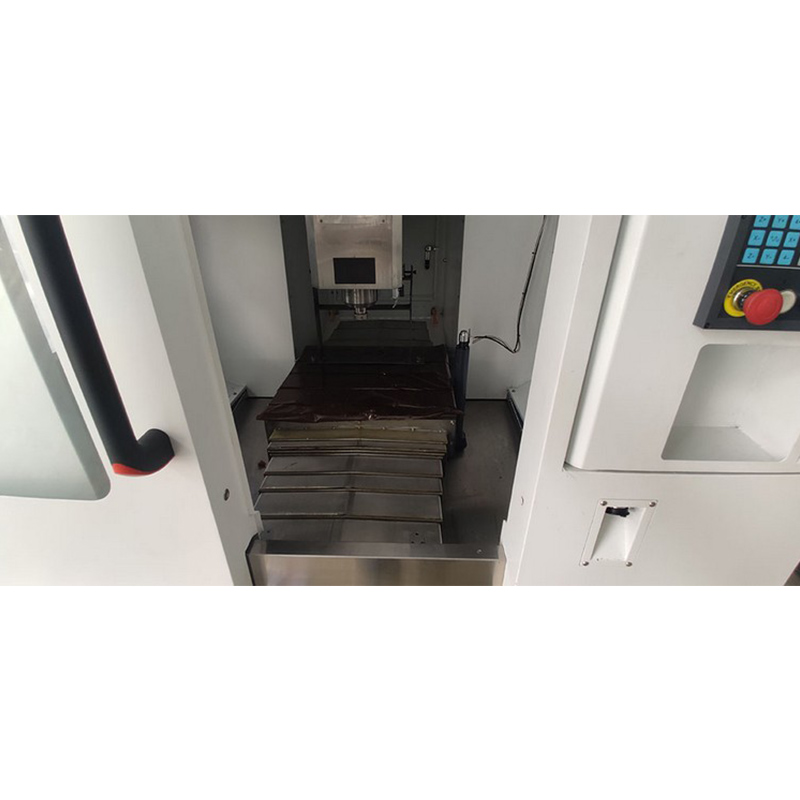
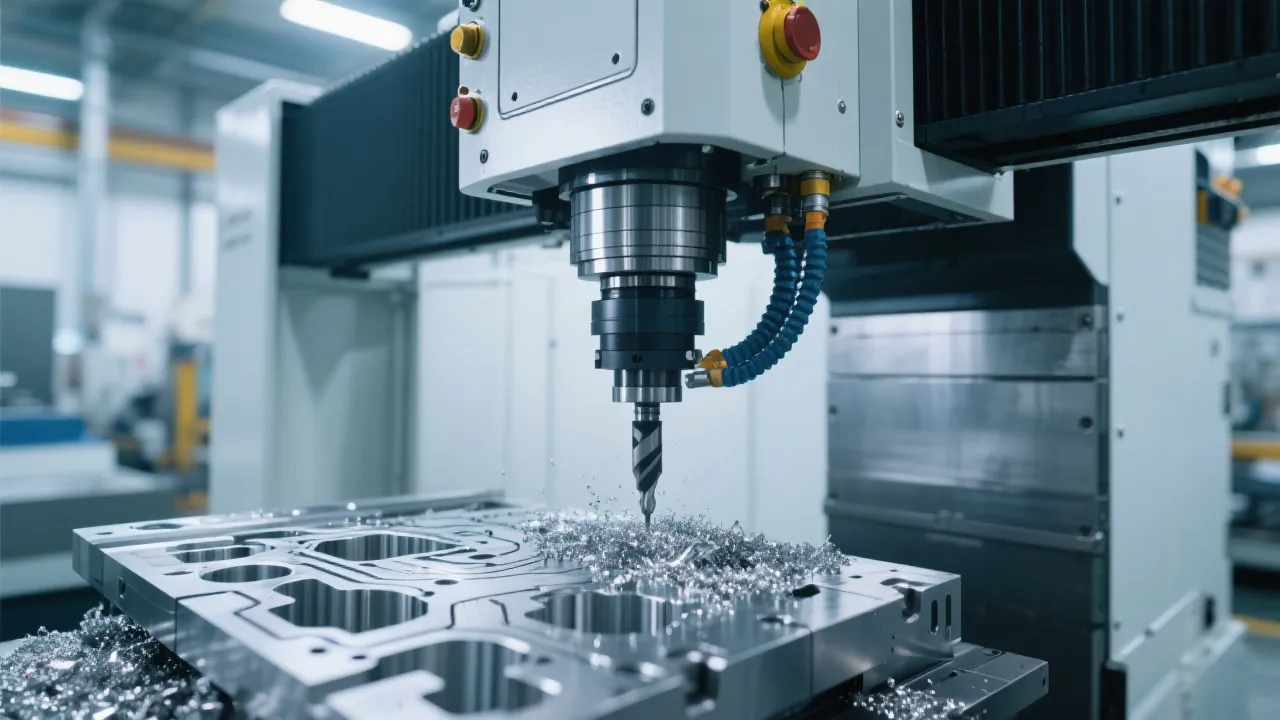
The DC6070's 15,000 RPM high-speed spindle, paired with the advanced Syntec controller, delivers the power and precision needed for intricate shoe mold details. The controller's advanced algorithms ensure smooth acceleration and deceleration, maintaining optimal cutting conditions throughout the machining process. This combination results in not just faster production, but more consistent quality across every mold.
Across diverse markets, manufacturers are experiencing transformative results with 5-axis technology. In Russia, a leading footwear manufacturer reported a 40% increase in mold production capacity after implementing the DC6070, while reducing material waste by 22%. Similarly, a major production facility in the Middle East documented a 37% reduction in labor costs related to mold production and finishing.
With global footwear production exceeding 24 billion pairs annually, even small efficiency gains translate to significant competitive advantages. When every minute of production time and every percentage point of quality improvement directly impacts your bottom line, can your business afford to rely on yesterday's technology?
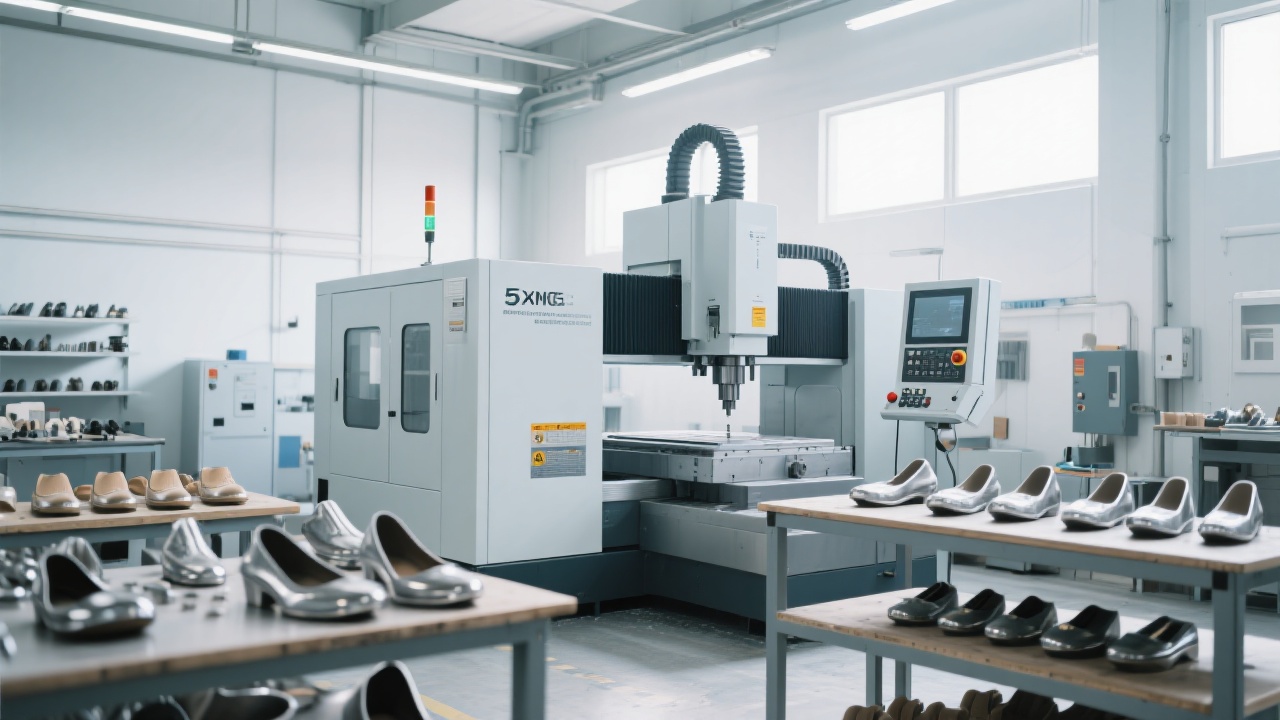
Choosing the optimal 5-axis system requires careful consideration of your specific production needs:
Beyond technical specifications, consider the long-term support provided by the manufacturer. Comprehensive training, responsive service, and readily available spare parts are critical factors in maximizing your investment's return.
Discover how the 凯博数控 DC6070 can reduce your production time by up to 48% while improving quality and consistency.
Get Your Customized 5-Axis Solution NowAs footwear design continues to evolve and market demands intensify, the gap between 3-axis and 5-axis capabilities will only widen. Manufacturers who embrace this technology today are positioning themselves to lead tomorrow's market, while those who delay risk falling further behind in an increasingly competitive global industry.