
In the field of iron mold manufacturing, the complex processes of bevel milling and deep cavity grooving present significant challenges. Traditional three - axis machine tools have limitations in achieving all - directional and precise machining. Statistics show that in complex iron mold processing, traditional three - axis machine tools can only complete about 60% of the machining tasks with high precision, and often require multiple setups, which not only reduces efficiency but also increases the probability of errors. This is where the 4/5 - axis rotary table comes into play. It provides a necessary solution to overcome the limitations of traditional three - axis machines, enabling more comprehensive and accurate machining.
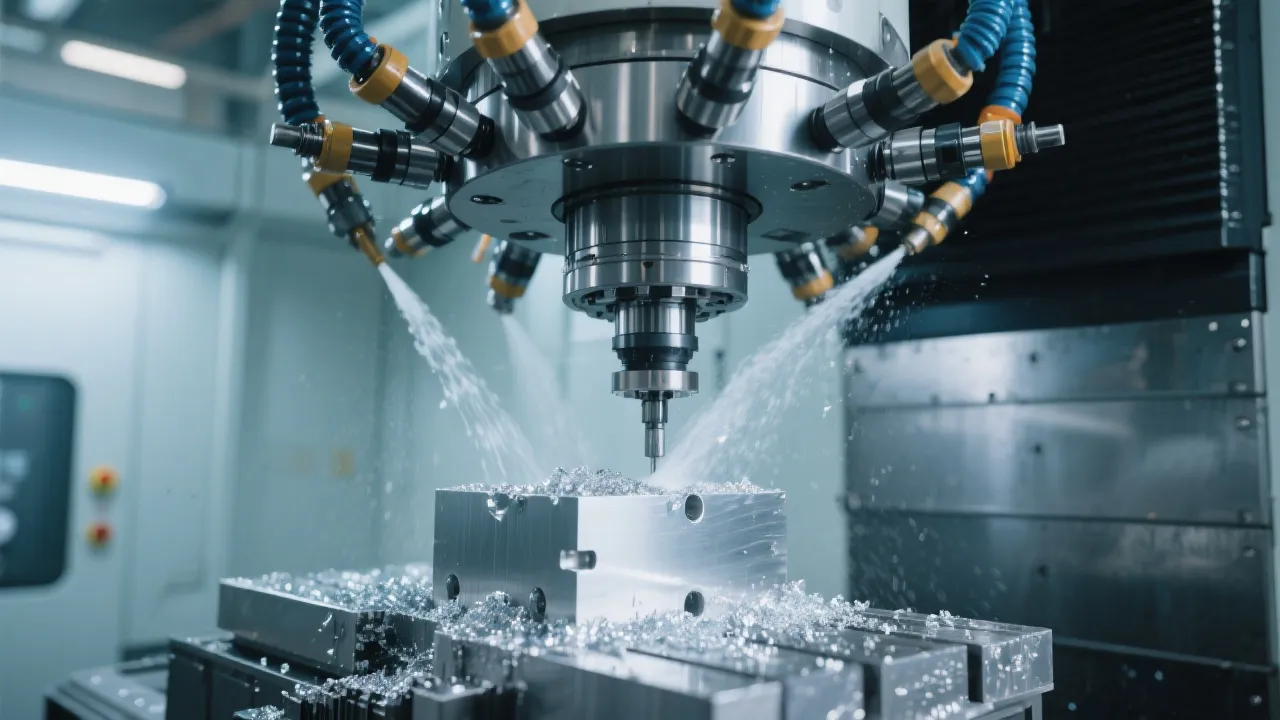
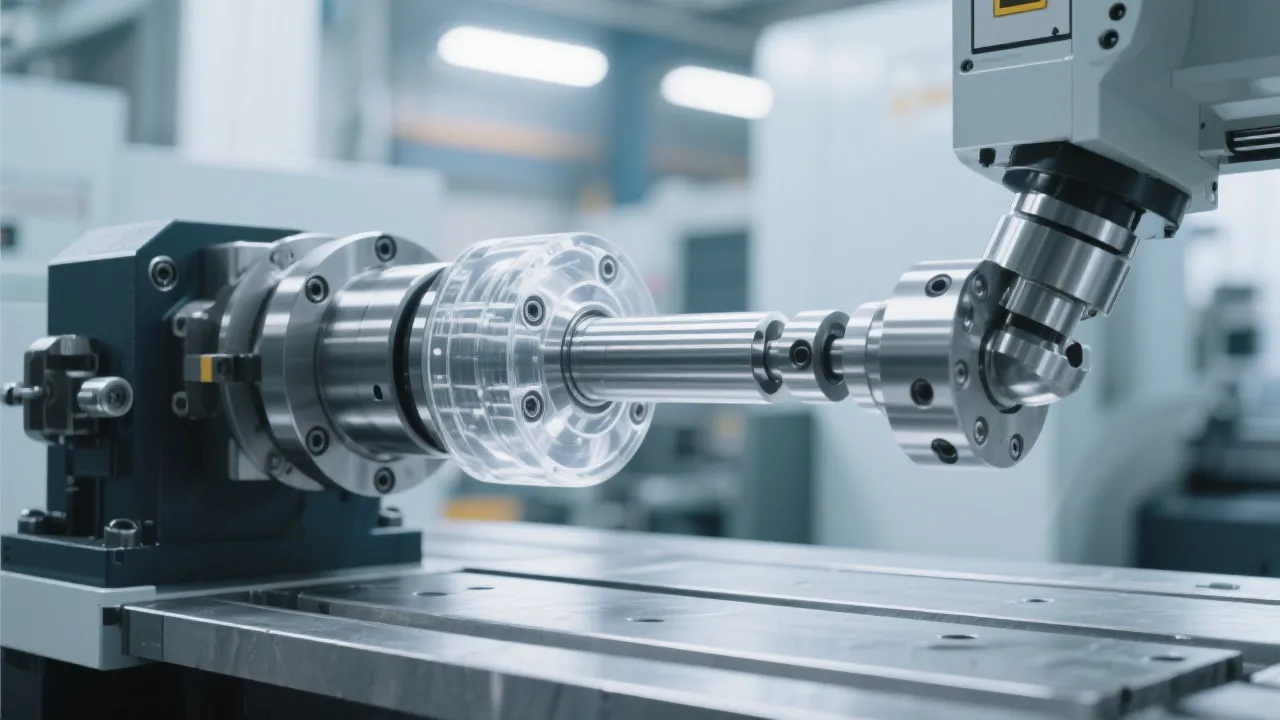
The 4/5 - axis rotary table brings a significant leap in efficiency to the bevel milling and deep cavity grooving processes. With this advanced equipment, it is possible to complete multi - face linkage machining in a single setup. For example, in a typical iron mold processing project, using a 4/5 - axis rotary table can reduce the processing time by about 30% compared to traditional methods. The actual operation process involves precise control of the rotary table to adjust the angle of the workpiece, ensuring that the milling cutter can reach the desired position accurately. This not only improves the surface finish of the iron mold but also enhances the overall dimensional accuracy.
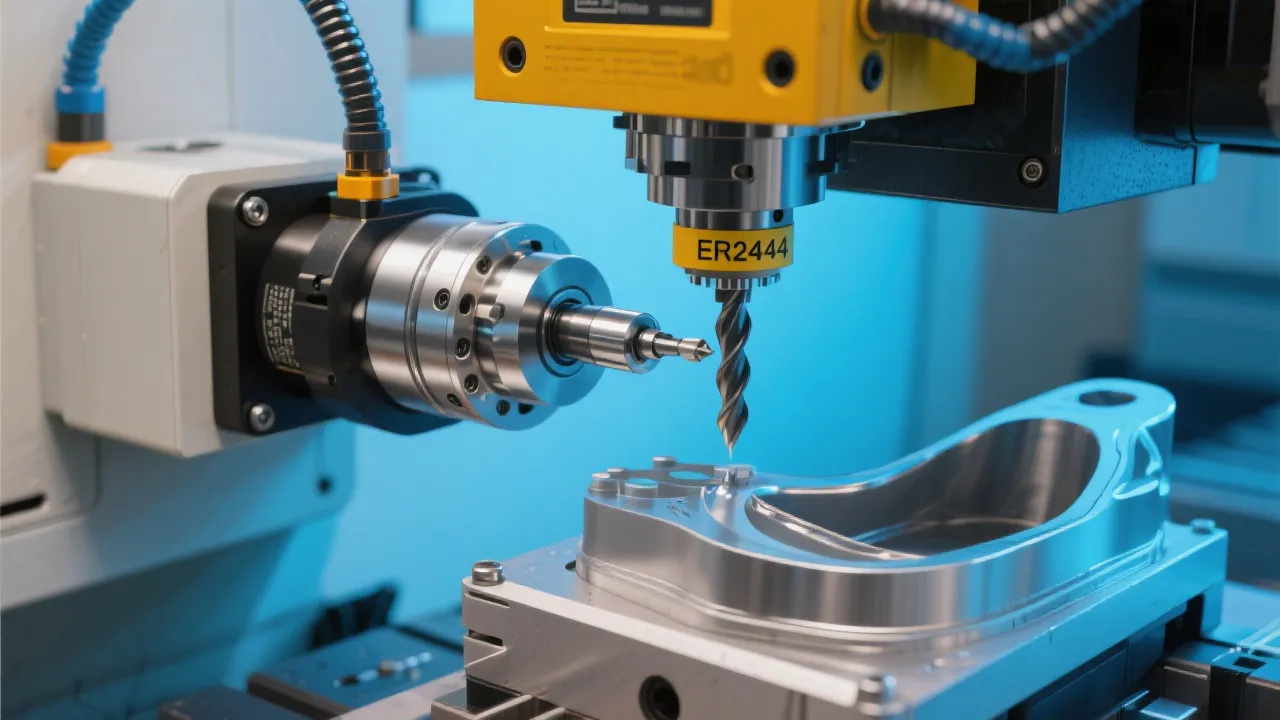
Programming the rotary axes is a key aspect of using the 4/5 - axis rotary table. It requires a deep understanding of the machining requirements and the capabilities of the equipment. The programming logic should be clear and concise, aiming to optimize the tool path to avoid interference and improve machining efficiency. By using advanced software and algorithms, the tool path can be optimized to reduce the idle running time of the cutter, which can save up to 20% of the machining time. At the same time, it is necessary to pay attention to the selection of cutting parameters, such as cutting speed, feed rate, and depth of cut, to ensure the quality of the machining.
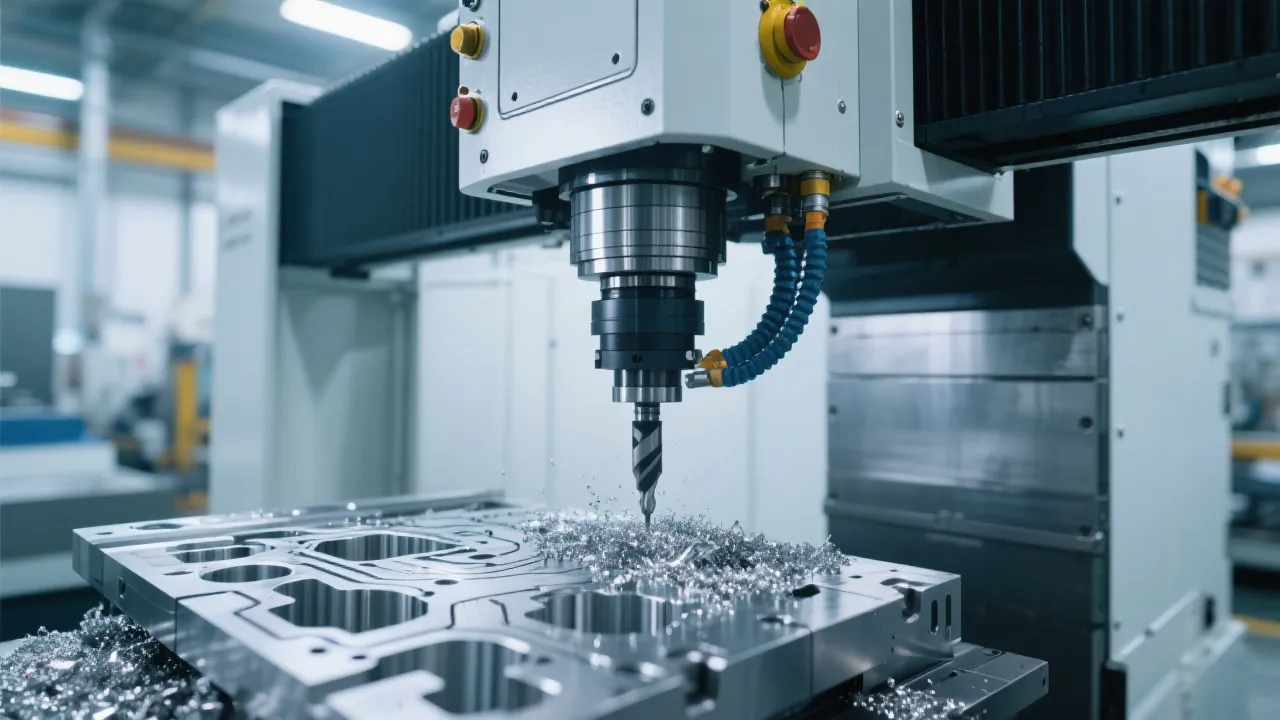
In typical application scenarios such as machining irregular holes and complex curved surfaces, the multi - angle machining ability of the 4/5 - axis rotary table shows its unique advantages. In the case of machining irregular holes, the rotary table can adjust the angle of the workpiece to ensure that the drill can enter the hole at the correct angle, improving the accuracy of the hole position. For complex curved surfaces, the multi - angle machining can make the surface smoother and more in line with the design requirements. Compared with traditional machining methods, the 4/5 - axis rotary table can improve the quality of these typical application scenarios by about 35%.
To enhance the intuitive understanding of the key steps in the machining process, animations or video clips can be used. These visual aids can clearly show how the 4/5 - axis rotary table works, including the adjustment of the rotary axis, the movement of the tool, and the interaction between the workpiece and the cutter. They are very helpful for engineers and technicians to quickly master the operation skills.
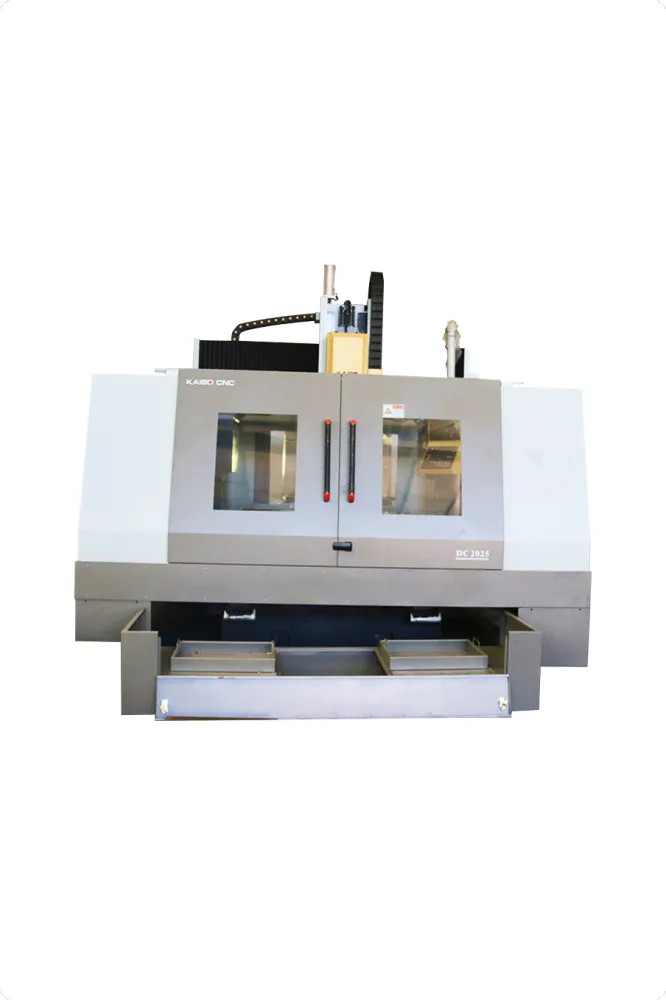
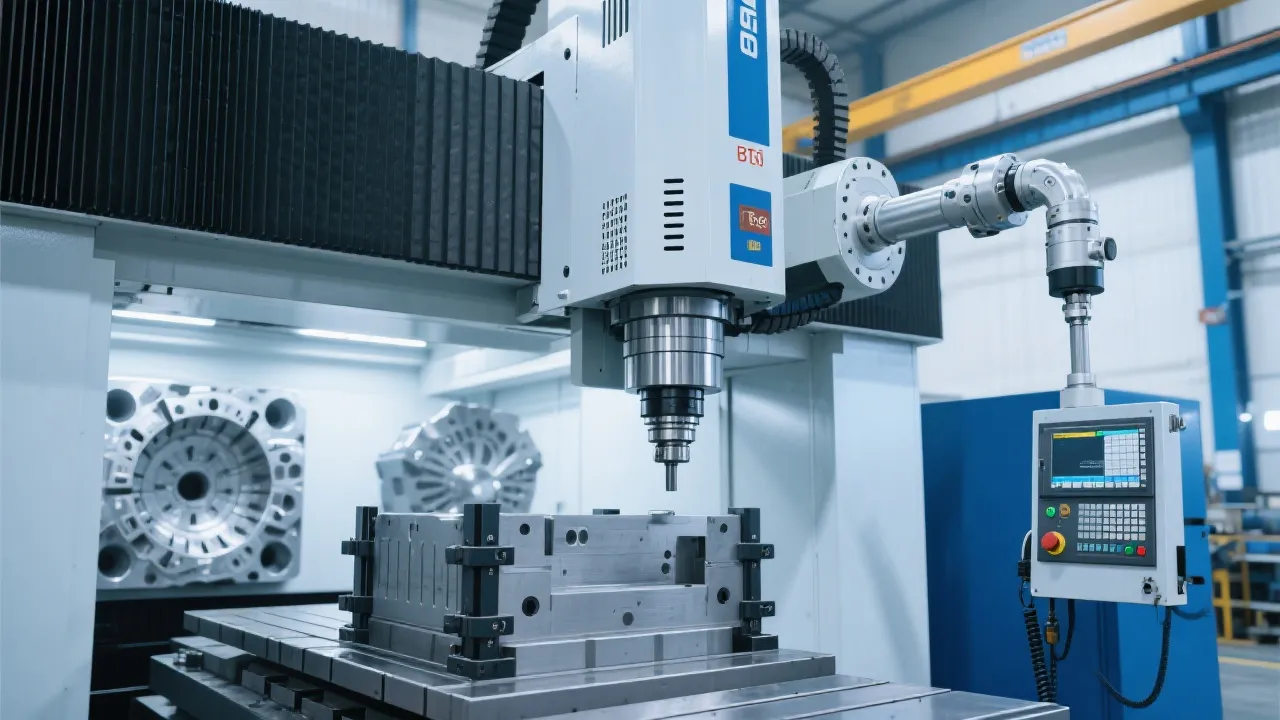
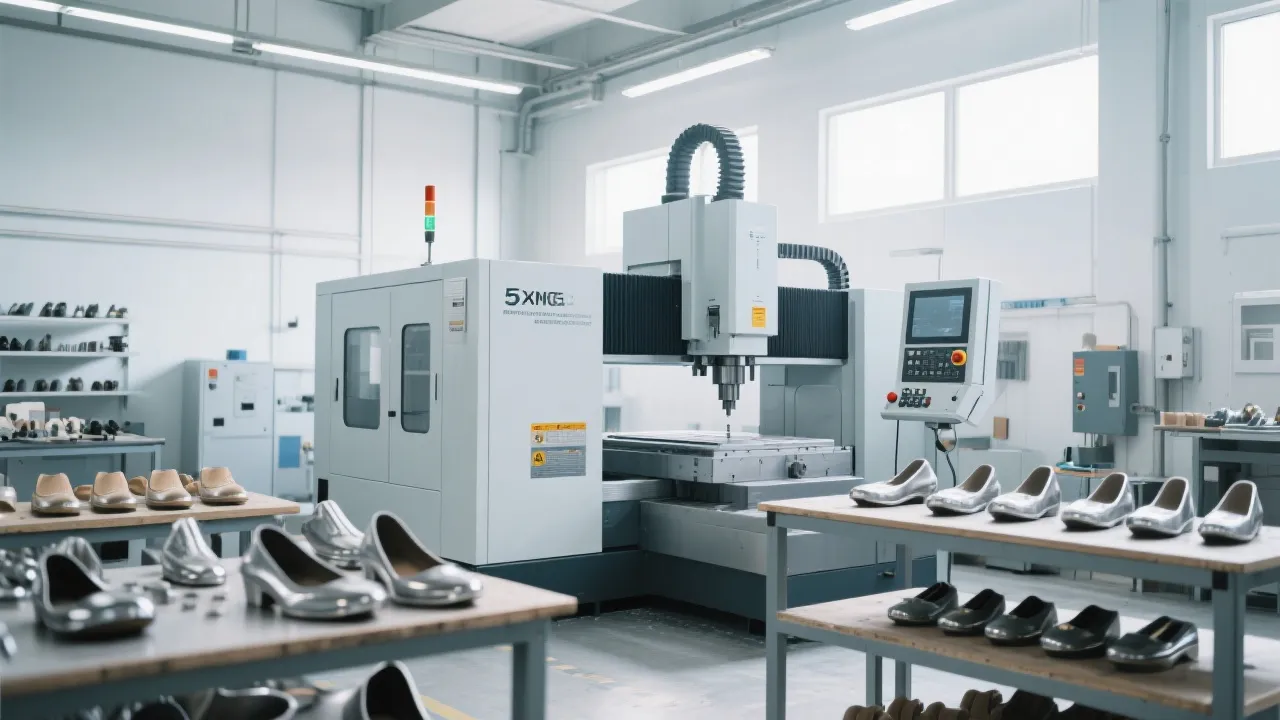
Kaibo CNC DC1113 is a high - performance machine that perfectly matches the above - mentioned technologies. It is equipped with a 4/5 - axis rotary table, which can provide stable and accurate machining performance. The machine has advanced control systems and software, which can easily implement the programming and tool path optimization mentioned above. Choosing Kaibo DC1113 allows you to simplify multi - axis machining and achieve better results in iron mold processing.
Have you encountered any machining interference problems? Share your experiences in the comments below!
Choose Kaibo DC1113 and Make Your Multi - axis Machining Easier!



 <#else>





