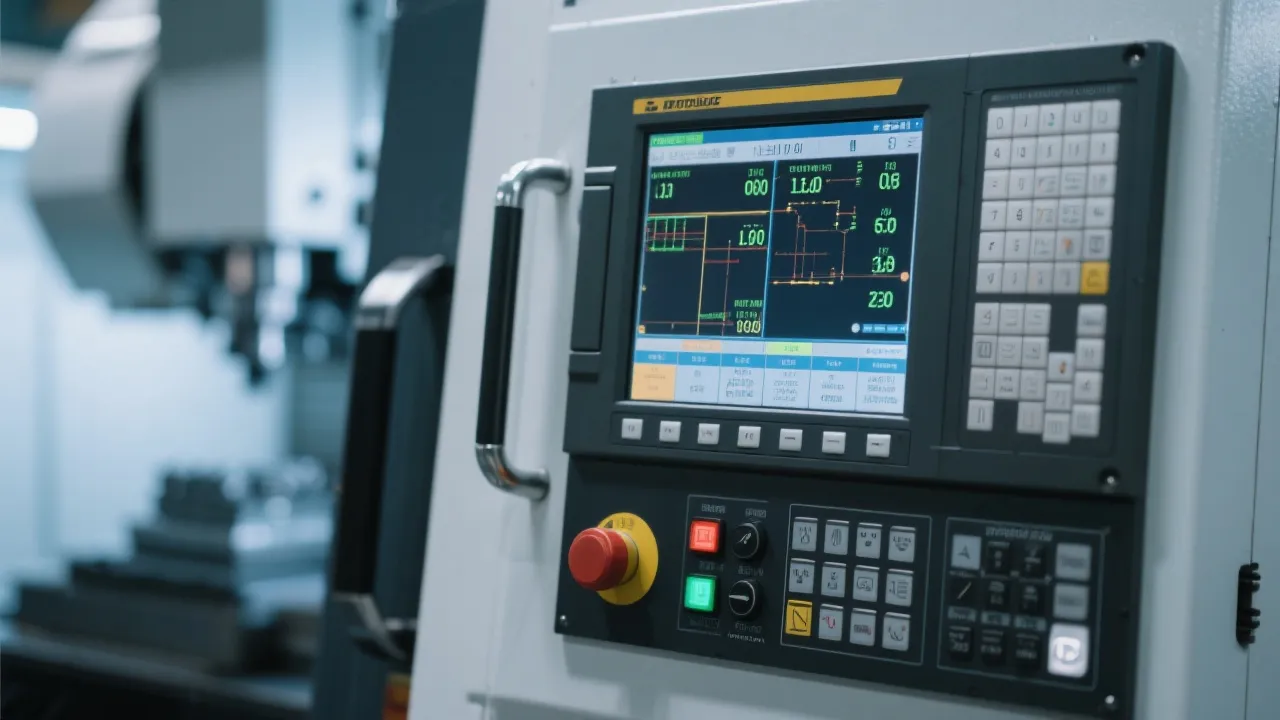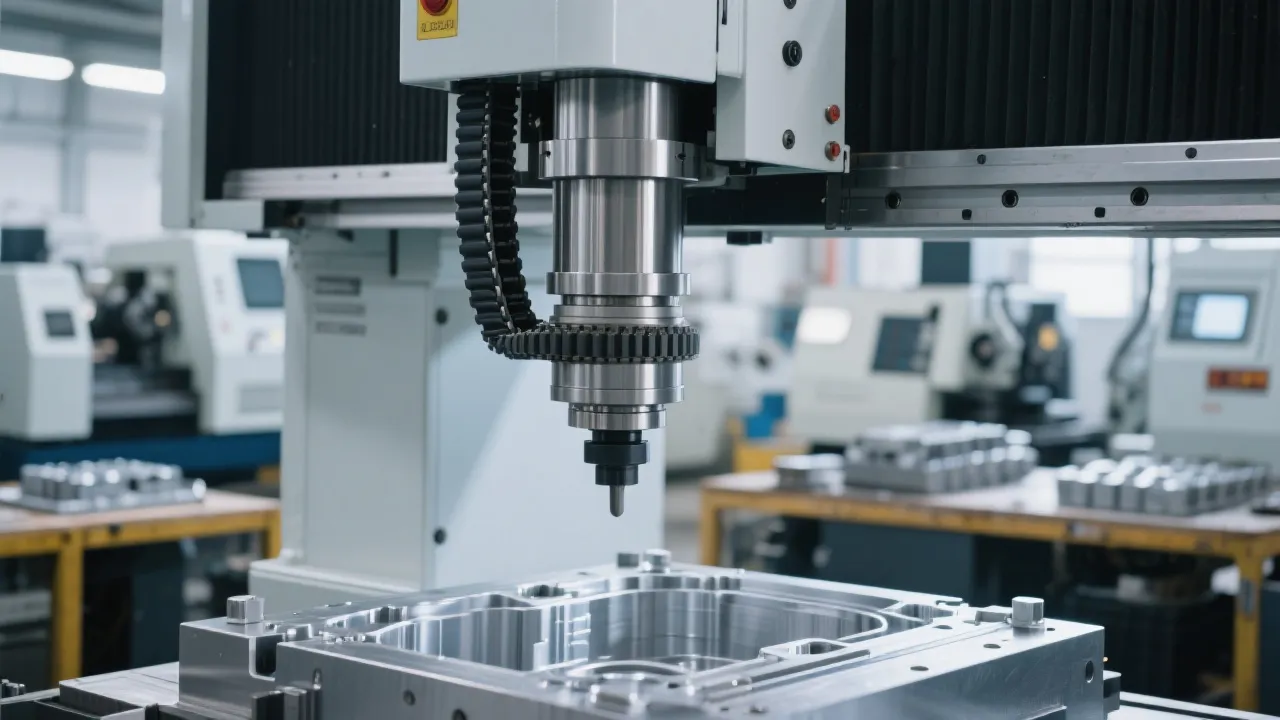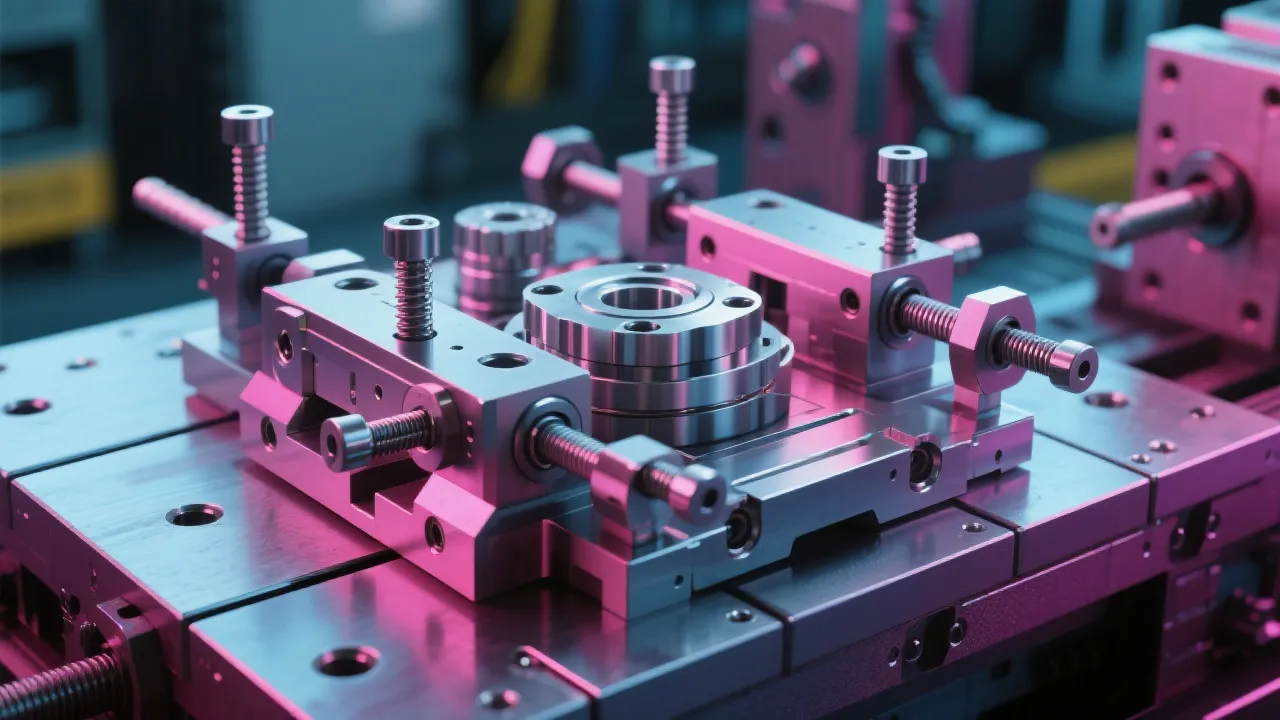
In the competitive landscape of precision manufacturing, large mold production demands exceptional accuracy and efficiency. Deep groove machining, in particular, presents unique challenges that can significantly impact production timelines and part quality. This comprehensive guide explores proven strategies for optimizing CNC milling paths and工艺参数 to overcome these challenges, drawing on real-world applications and technical insights.
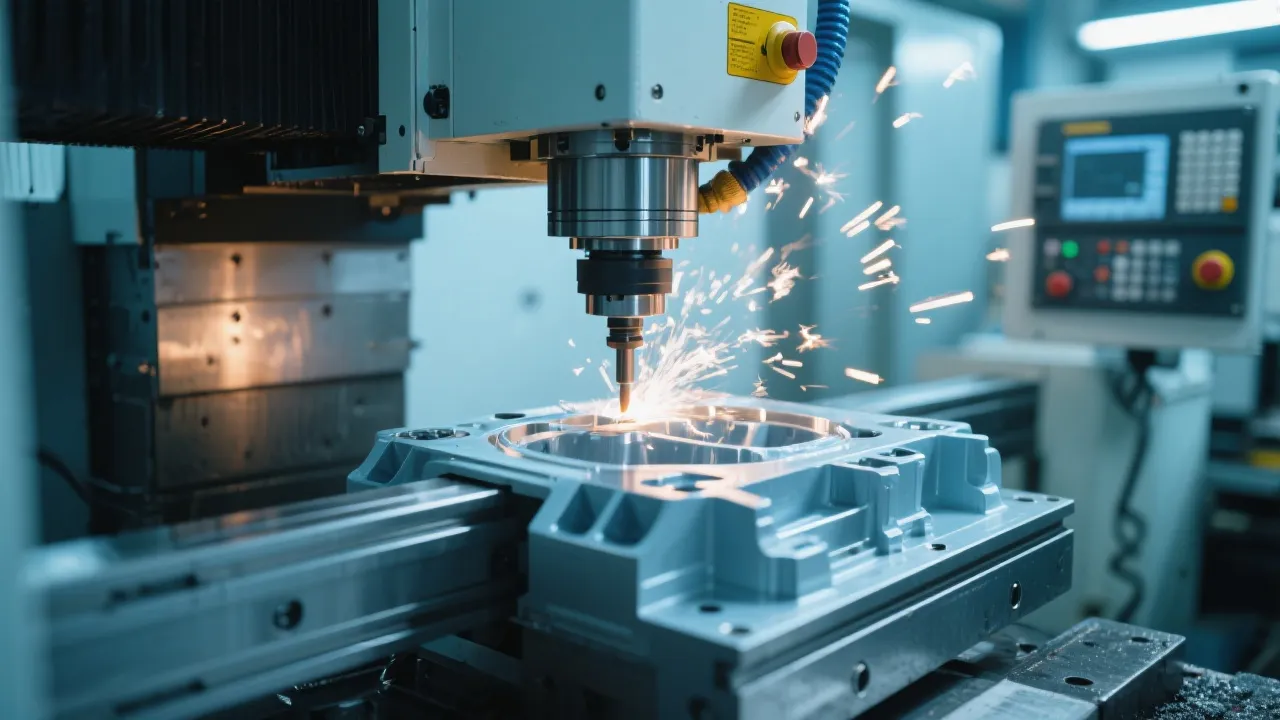
Manufacturing large molds with complex geometries involves navigating multiple technical hurdles that can compromise both precision and productivity. Deep groove machining, a critical operation in mold manufacturing, presents unique challenges that require specialized approaches.
Industry research indicates that inefficient deep groove machining can increase production time by 30-45% and reduce tool life by up to 50% compared to optimized processes. These inefficiencies directly impact a manufacturer's competitiveness in today's fast-paced market.
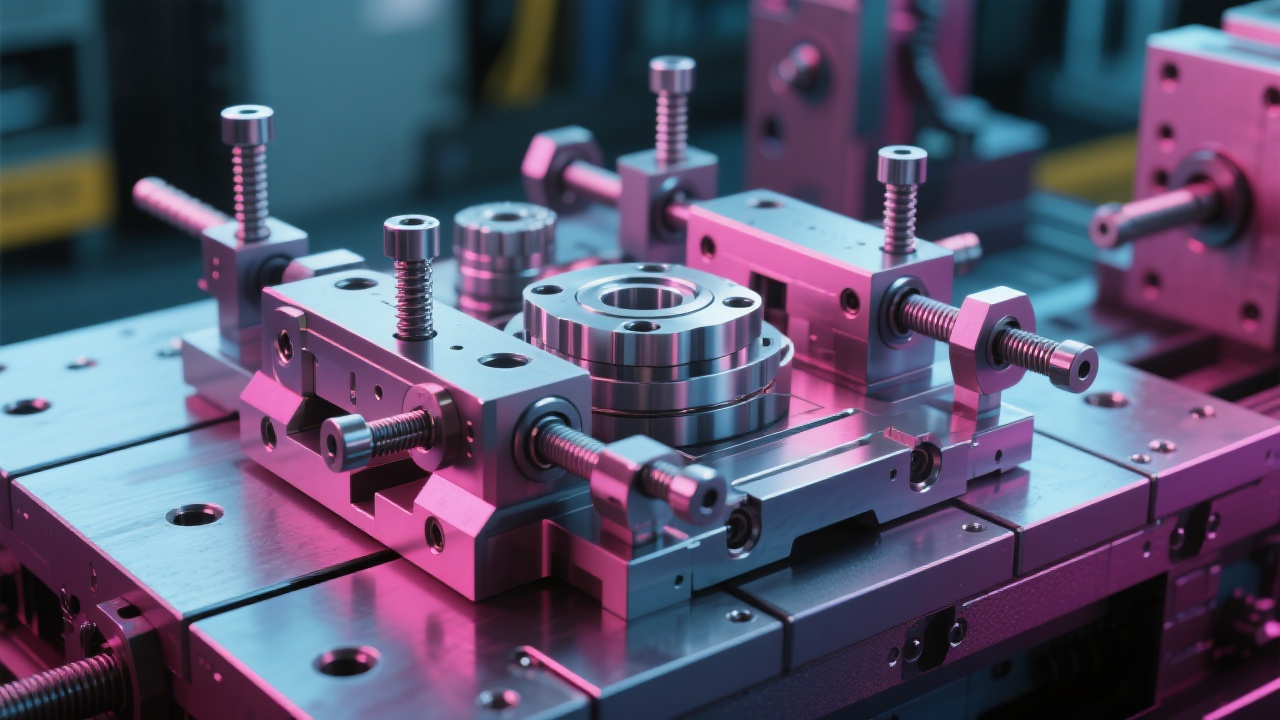
Modern CNC machining centers, such as those from 凯博数控, offer advanced path optimization capabilities that significantly improve deep groove machining outcomes. The transition from conventional linear paths to adaptive clearing strategies has demonstrated remarkable results in industrial applications.
Case studies from automotive mold manufacturers show that implementing these path optimization strategies has resulted in average cycle time reductions of 28% while improving surface quality to meet Ra 0.8μm requirements consistently.
Effective tool compensation is critical for maintaining dimensional accuracy in deep groove machining. Modern CNC systems provide sophisticated compensation algorithms that account for tool wear, thermal expansion, and deflection.
For deep groove applications, selecting the appropriate tool geometry is equally important. Carbide end mills with variable helix designs and specialized coatings have demonstrated tool life improvements of 40-60% compared to standard tools in deep groove operations.
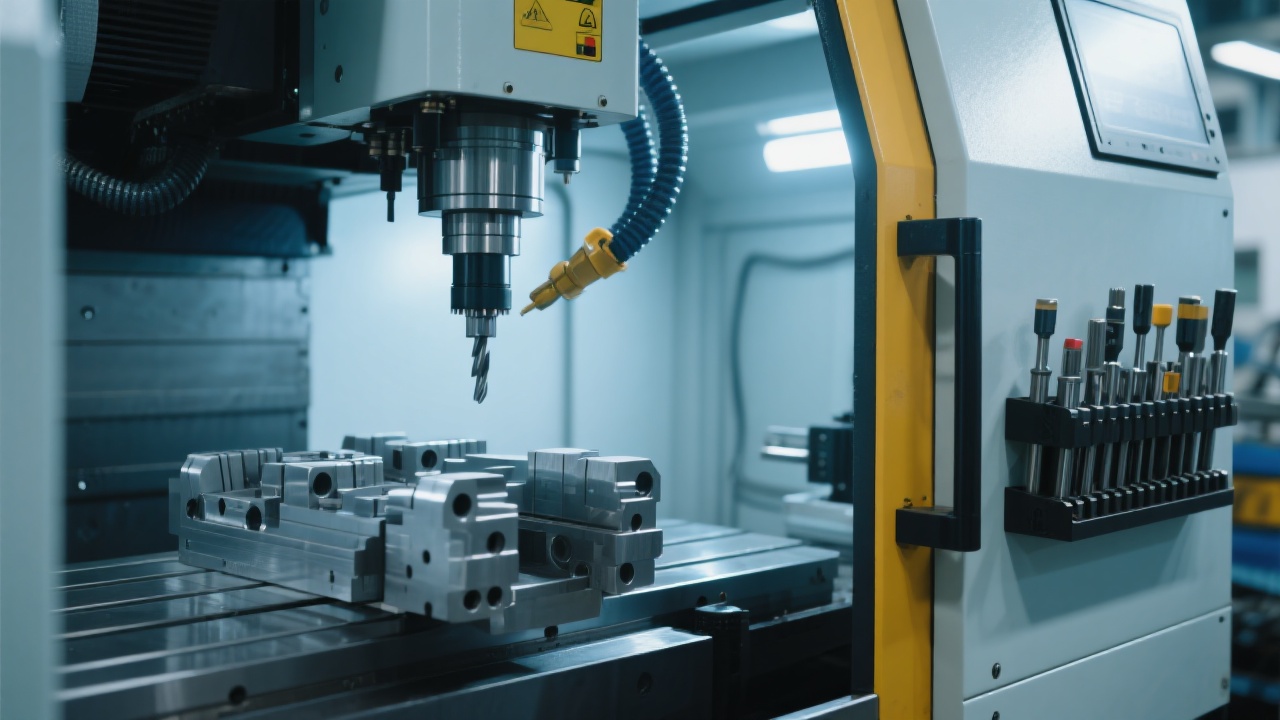
Establishing the correct工艺参数 is essential for balancing productivity, tool life, and part quality in deep groove machining. The following recommendations are based on extensive testing with various mold materials, including P20, H13, and S7 tool steels.
| Material | Cutting Speed (m/min) | Feed Rate (mm/min) | Depth of Cut (mm) |
|---|---|---|---|
| P20 Tool Steel | 120-150 | 800-1200 | 0.5-1.5 |
| H13 Hot Work Steel | 90-120 | 600-900 | 0.3-1.0 |
| S7 Shock Resisting Steel | 80-110 | 500-800 | 0.3-0.8 |
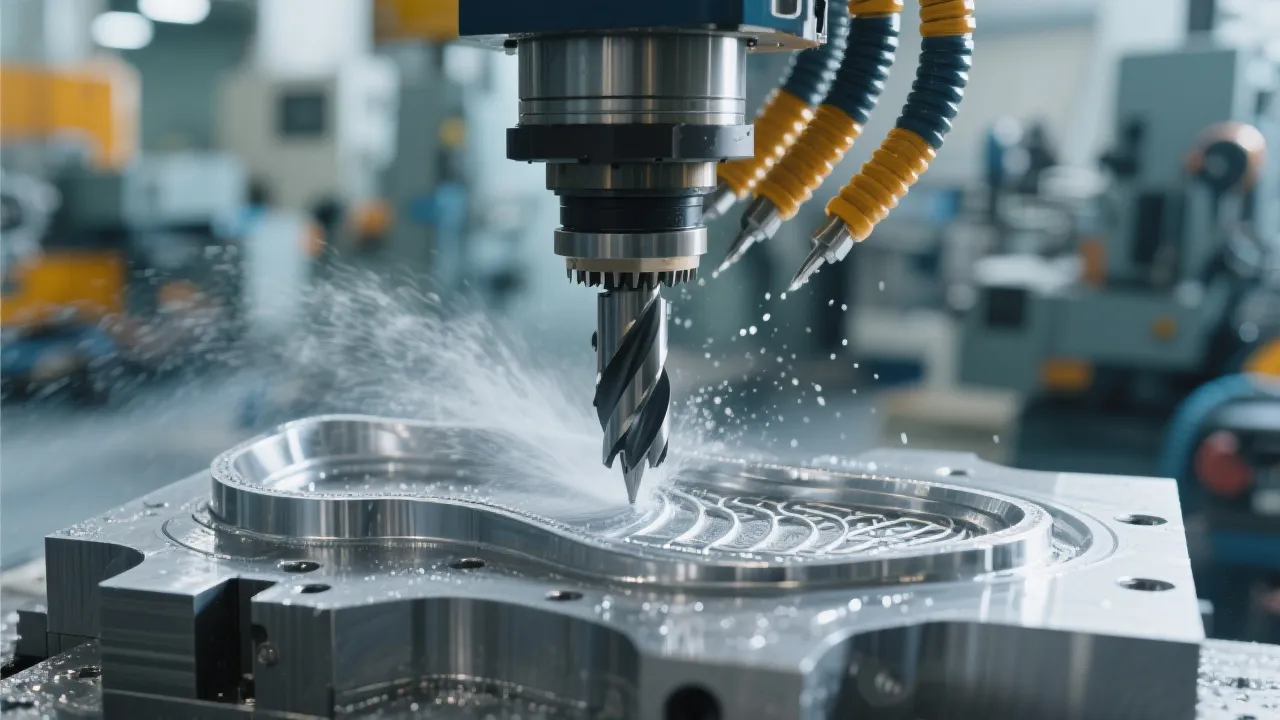
Effective cooling is paramount in deep groove machining to manage heat buildup and ensure chip evacuation. Through-tool coolant delivery systems have proven superior to conventional flood cooling, particularly in deep cavity applications.
High-pressure coolant systems (70-100 bar) improve chip evacuation by up to 60% and reduce cutting temperatures by 30-40°C compared to standard pressure systems. This not only extends tool life but also improves surface finish by preventing recutting of chips.
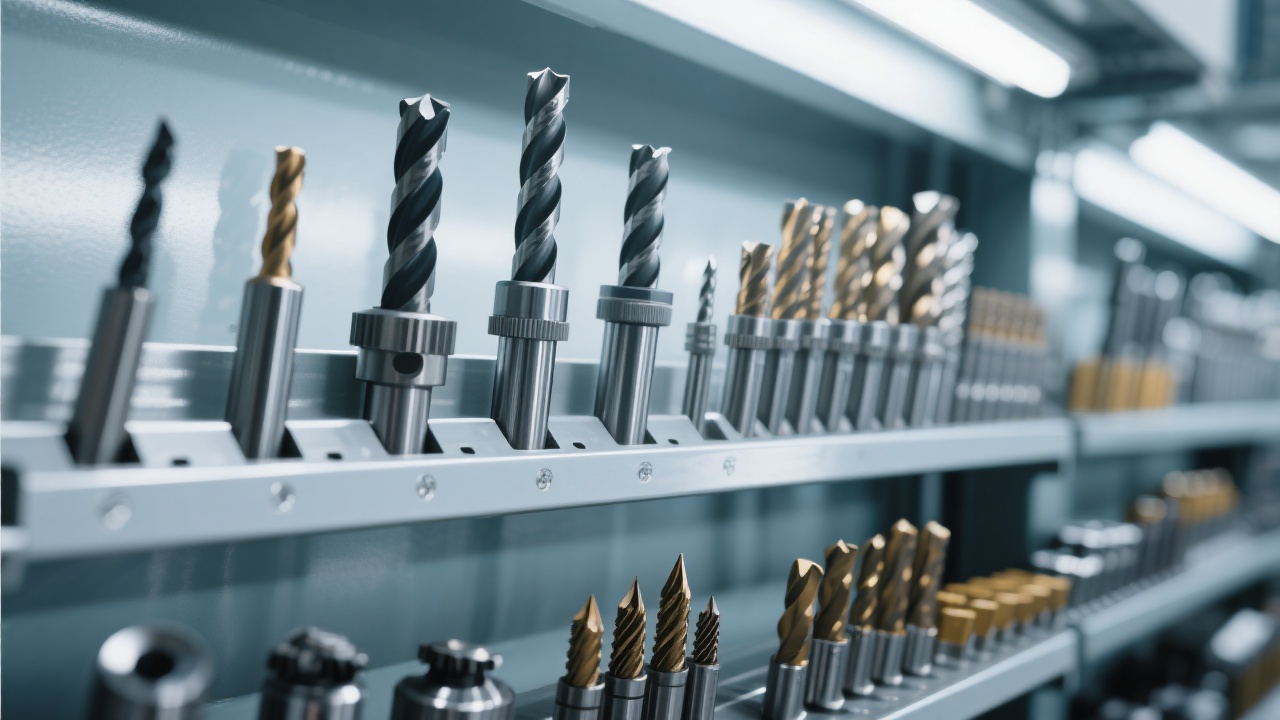
Are you struggling with long cycle times, poor surface finish, or excessive tool wear in your deep groove machining operations?
Get Your Custom CNC Machining Optimization AnalysisOur team of application specialists will evaluate your specific requirements and provide tailored recommendations for path optimization, tool selection, and工艺参数 settings.
The evolution from manual programming and traditional machining practices to digitalized, automated processes represents a significant leap forward in mold manufacturing. Companies that have embraced this transformation report not only productivity gains but also improved consistency and quality control.
Implementing digital process planning and simulation tools allows manufacturers to identify potential issues before machining begins, reducing setup times by 35-45% and minimizing scrap rates. When combined with advanced CNC machining centers like those from 凯博数控, these digital tools create a powerful ecosystem for precision manufacturing.
A leading automotive mold manufacturer implemented the path optimization techniques and工艺参数 recommendations outlined in this guide. The results included:
As manufacturing continues to evolve, staying current with advanced machining strategies becomes increasingly important. The combination of optimized toolpaths, appropriate工艺参数 selection, and effective cooling strategies provides a foundation for success in large mold manufacturing.