In today's competitive manufacturing landscape, precision and efficiency are the cornerstones of success. Mold manufacturers worldwide are constantly seeking ways to reduce production time while maintaining the highest quality standards. The integration of advanced CNC milling technology has emerged as a game-changer in this industry, offering unprecedented levels of accuracy and productivity.
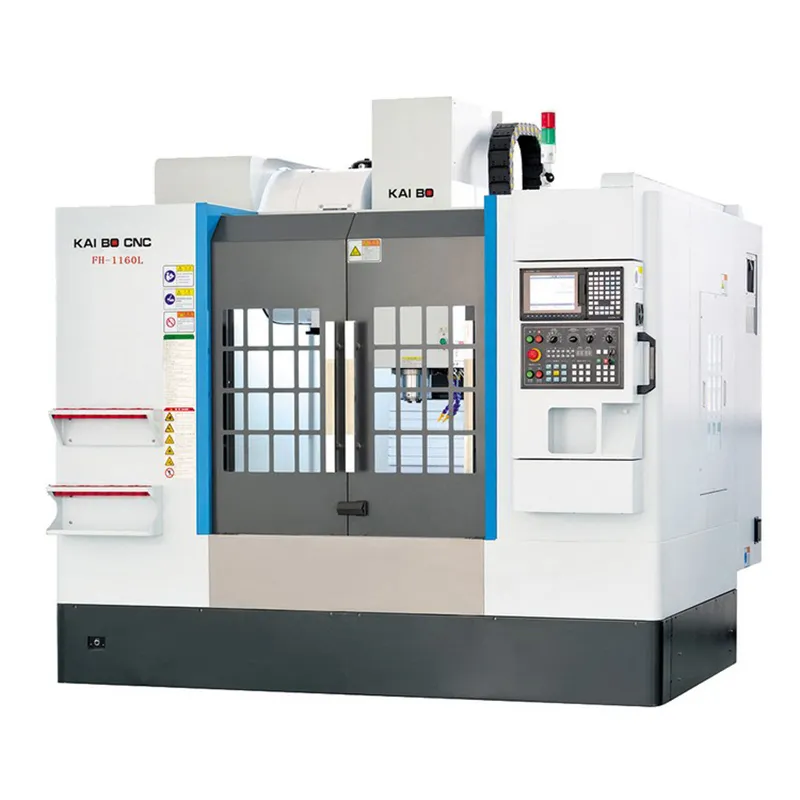
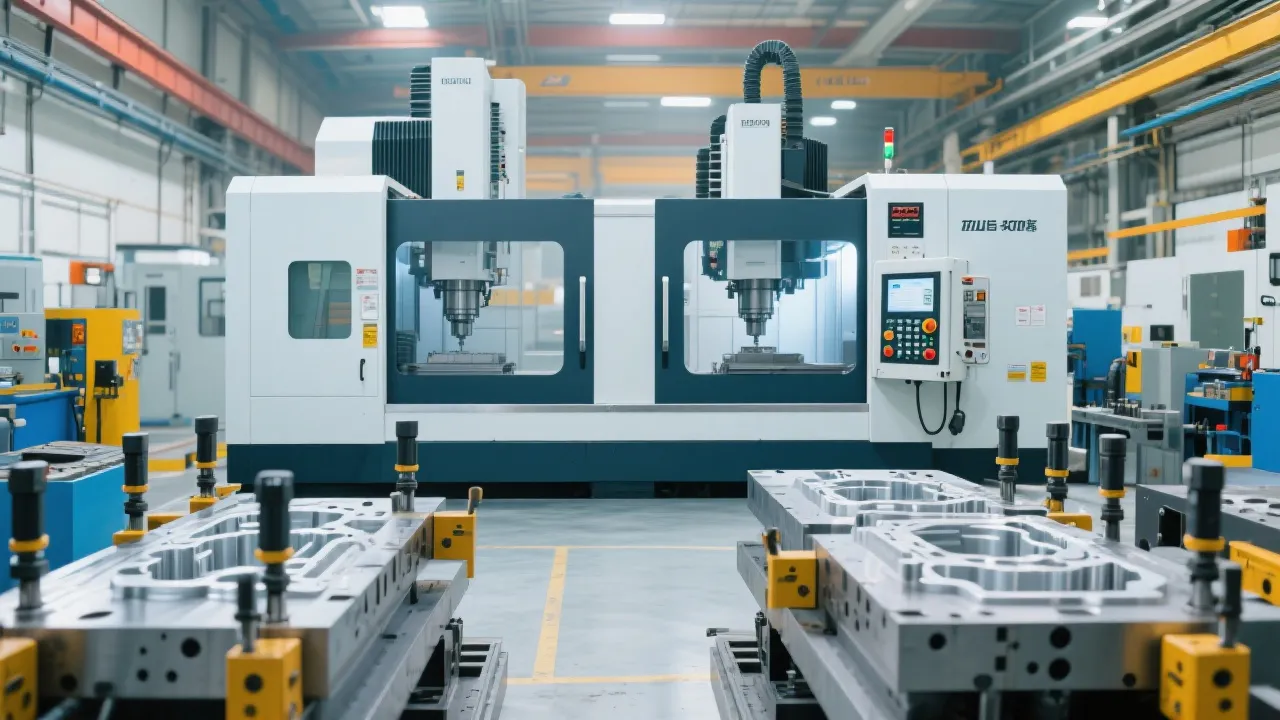
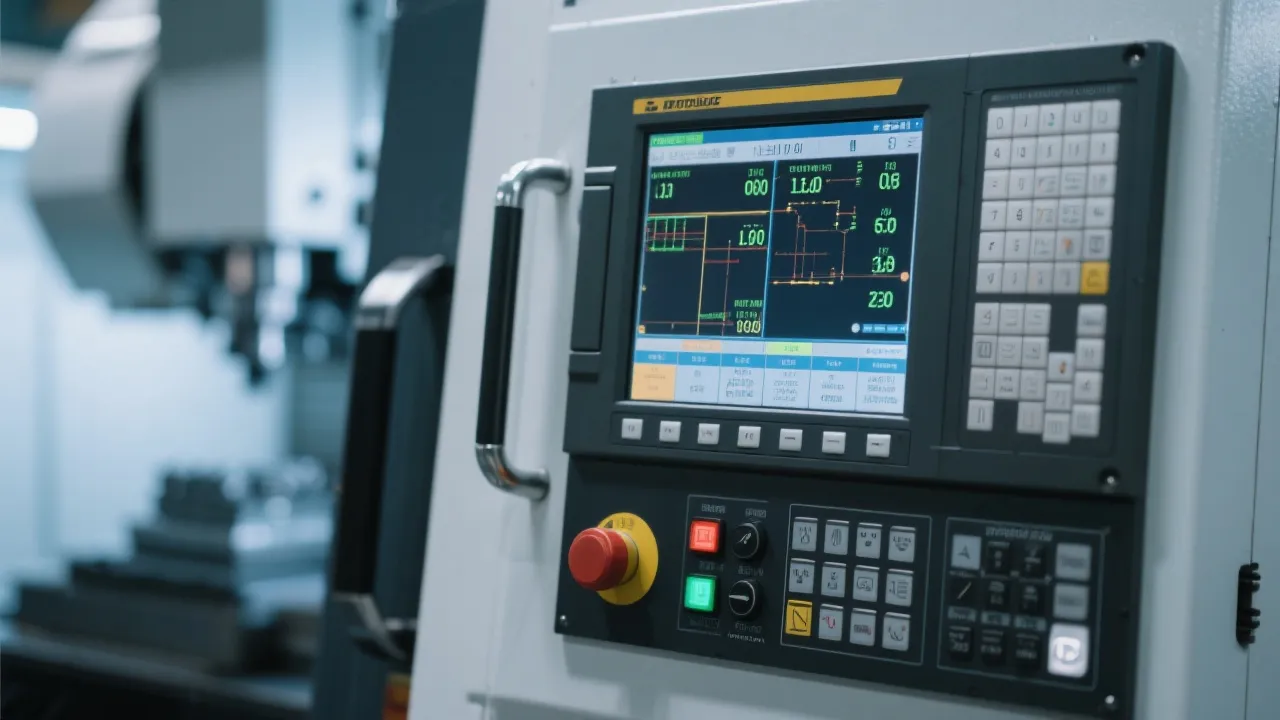
Modern CNC milling machines, such as the BT40 spindle CNC milling machine DC1090A developed by Ningbo Kaibo CNC Machinery Co., Ltd., represent the pinnacle of machining technology. These systems combine robust construction with sophisticated control systems to deliver exceptional results in mold manufacturing.
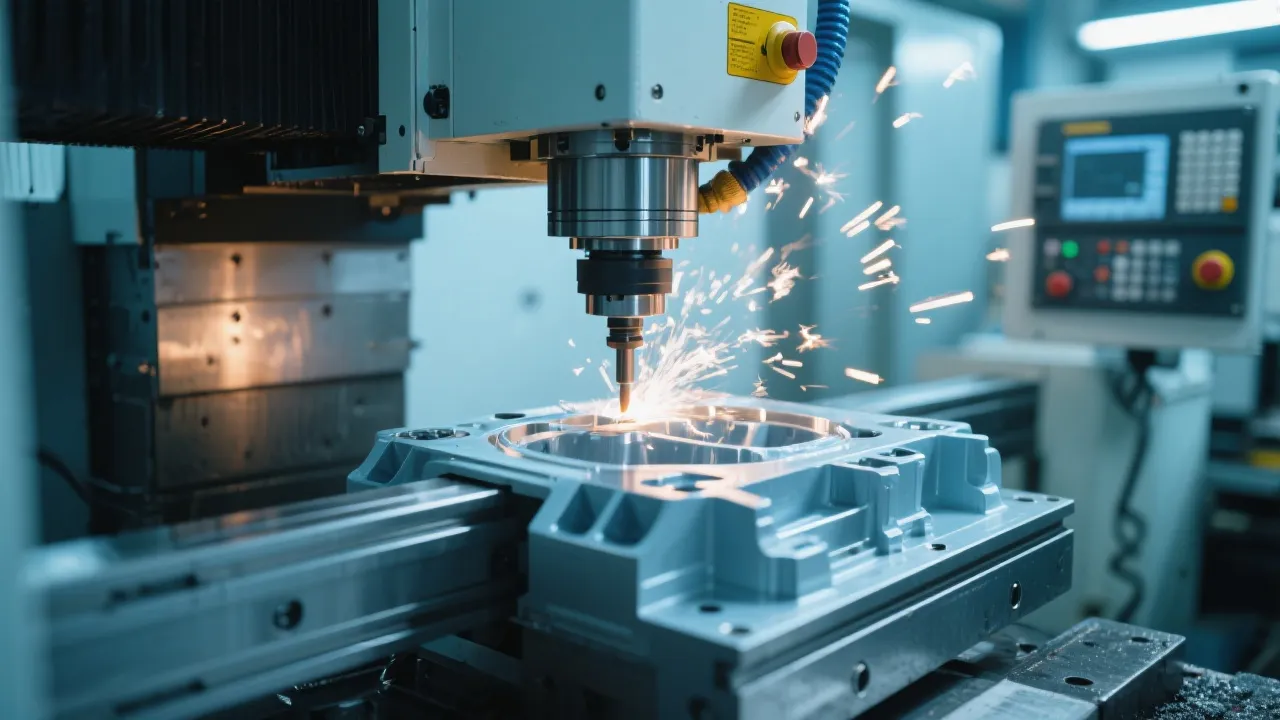
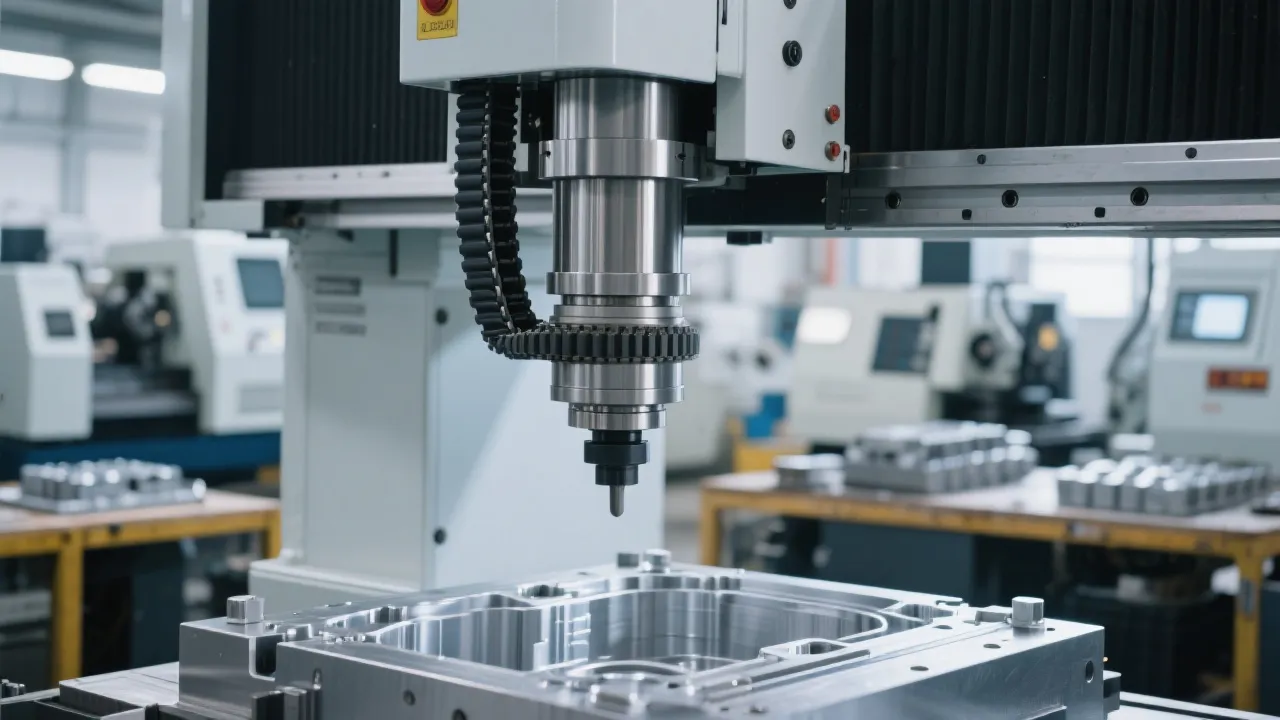
High rigidity structural design forms the foundation of these advanced machines. The reinforced machine bed and column minimize vibration during high-speed machining, ensuring dimensional stability even when working with tough materials like hardened steel. This structural integrity allows for heavier cuts and faster feed rates without compromising precision.
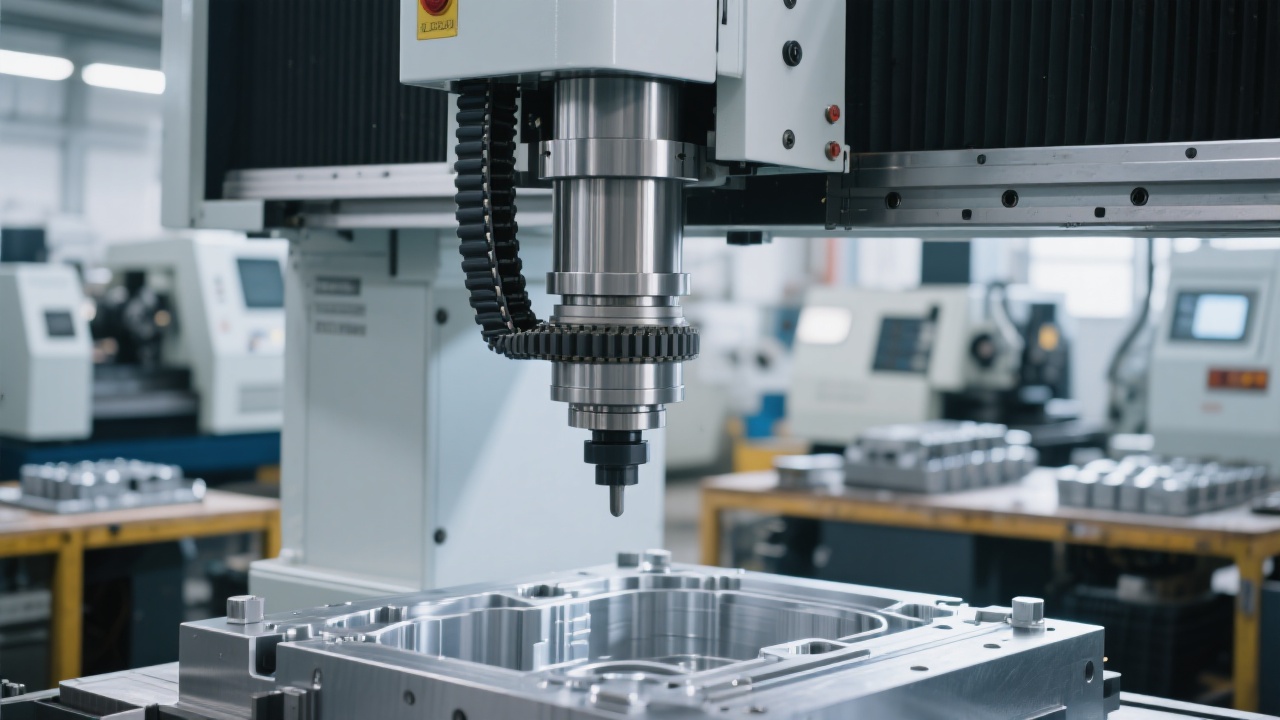
Multi-axis联动技术 (multi-axis联动 technology) has transformed complex mold production by enabling simultaneous movement of multiple machine axes. This capability allows for the completion of intricate geometries in a single setup, eliminating the need for multiple operations and reducing handling time.
For mold manufacturers, this translates to significant time savings - typically 30-40% reduction in processing time for complex components. Additionally, the elimination of multiple setups reduces the potential for errors and improves overall part accuracy.
Different materials present unique challenges in mold manufacturing. The versatility of modern CNC milling machines allows for optimized processing of various materials:
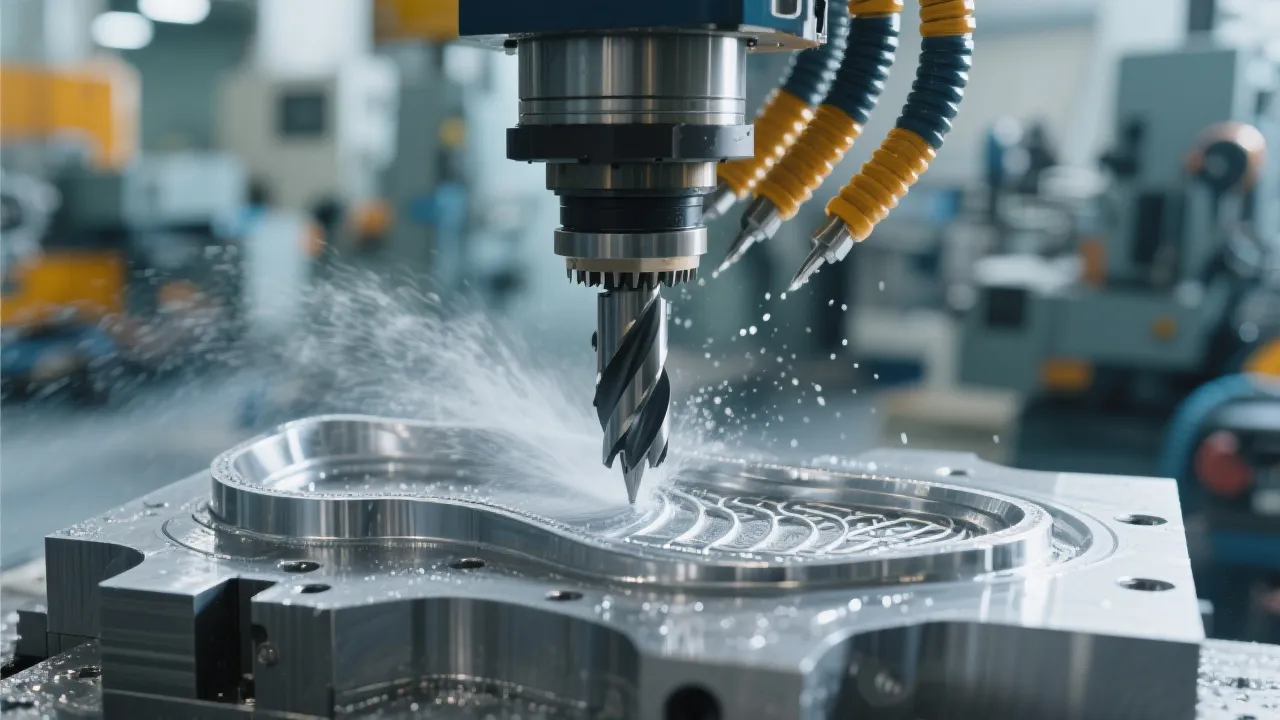
High-speed steel and carbide tools combined with appropriate cooling systems allow efficient machining of pre-hardened steels up to 55 HRC. Optimal cutting speeds range from 80-120 m/min with feed rates of 0.1-0.2 mm/tooth.
Aluminum alloys benefit from higher feed rates (150-300 m/min) and specialized end mills. The low cutting forces allow for faster production cycles while maintaining excellent surface finish.
Specialized tooling and reduced cutting speeds (40-80 m/min) prevent delamination and ensure clean cuts in composite mold materials, critical for aerospace and automotive applications.
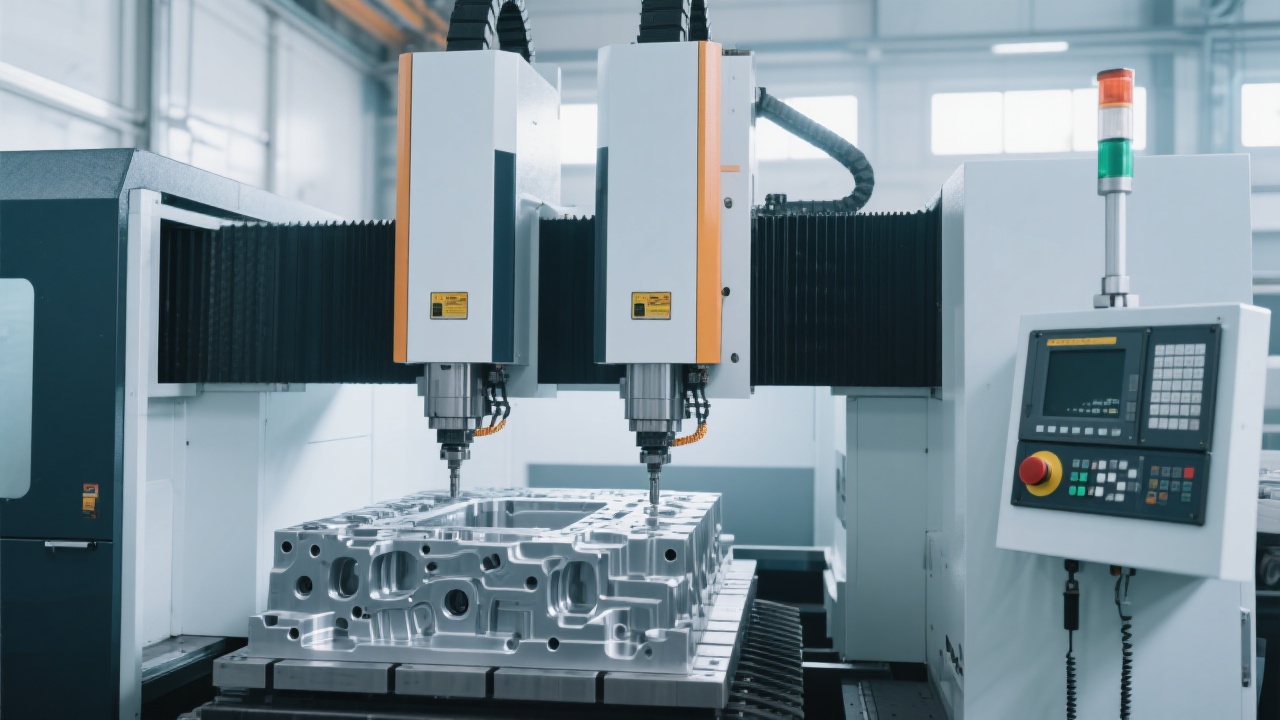
A leading automotive mold manufacturer in Spain recently implemented advanced CNC milling technology and reported impressive results. By optimizing cutting parameters and utilizing multi-axis capabilities, they achieved:
Similar success stories have been documented across various industries and regions. In the Middle East, manufacturers producing large-scale molds for the construction industry have leveraged high-rigidity CNC machines to handle the demanding requirements of large mold bases, achieving consistent quality across production runs.
Different regions present unique challenges and opportunities in mold manufacturing:
Russian market: Emphasis on heavy-duty machining and reliability in challenging operating environments requires robust machine construction and comprehensive service support.
Spanish market: High precision requirements for automotive and aerospace components demand exceptional accuracy and surface finish capabilities.
Arabian market: Large-scale mold production for construction and infrastructure projects requires machines with extended work envelopes and high material removal rates.
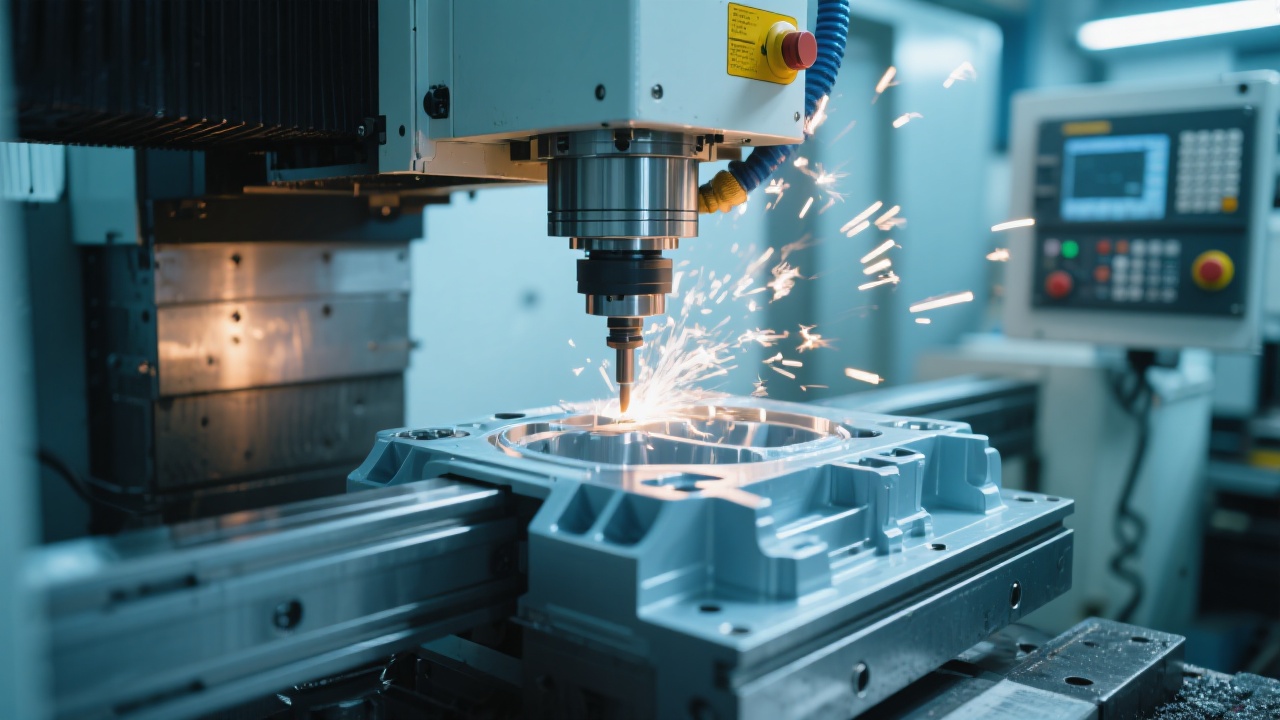
To fully leverage the capabilities of modern CNC milling technology, manufacturers should focus on three critical areas:
Discover how the 凯博数控 DC1090A can revolutionize your production capabilities with its high rigidity structure and advanced multi-axis technology.
Explore the DC1090A CNC Milling SolutionBy implementing these advanced CNC milling technologies and strategies, mold manufacturers can achieve significant competitive advantages in today's global market. The combination of high rigidity construction, multi-axis capabilities, and optimized machining parameters creates a powerful solution for meeting the increasing demands of modern manufacturing.