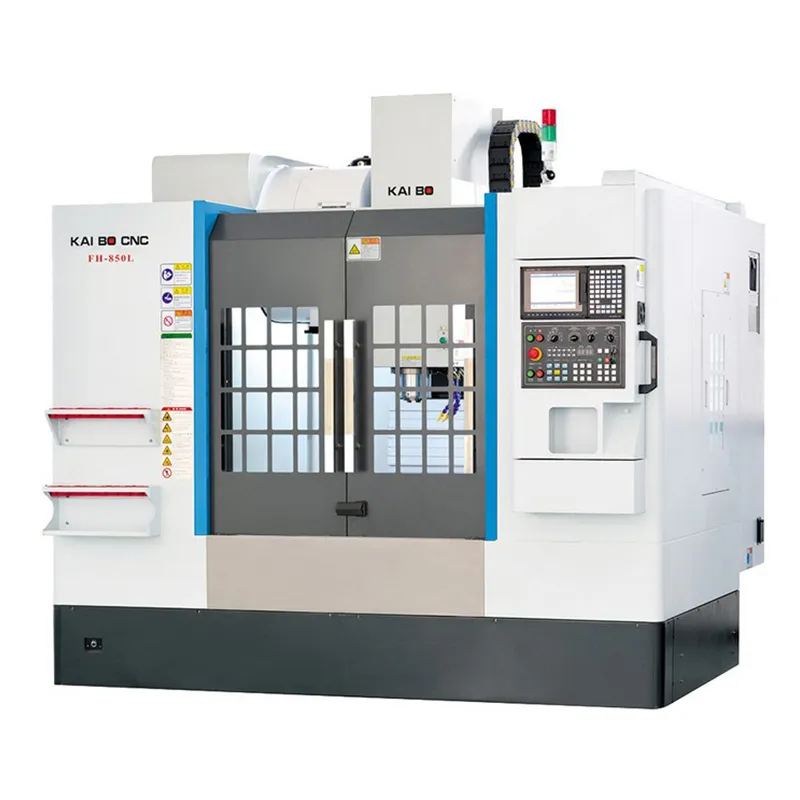
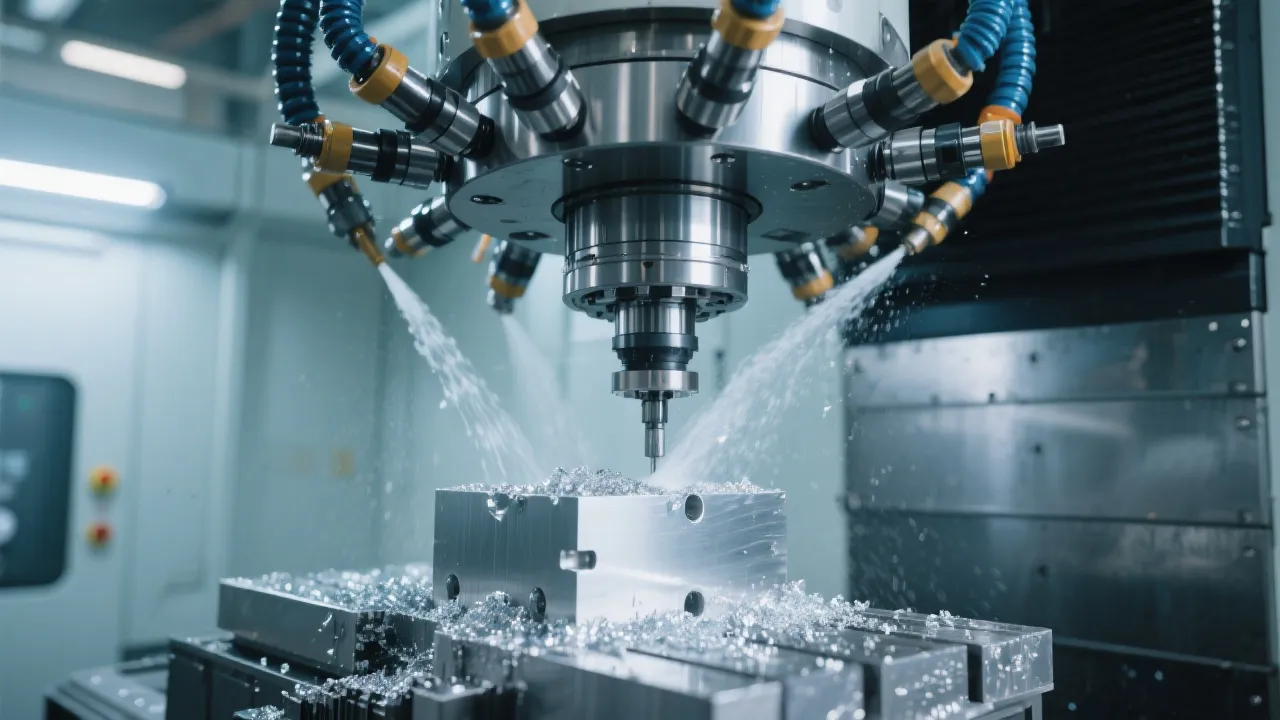
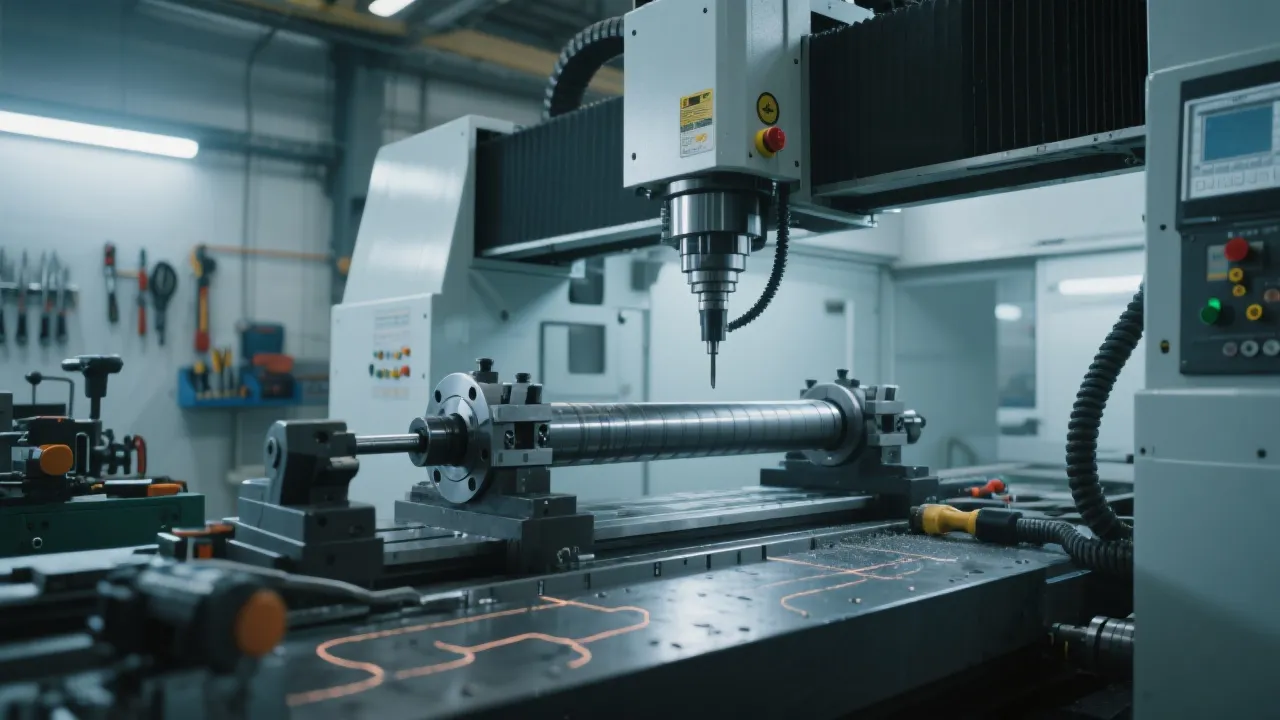
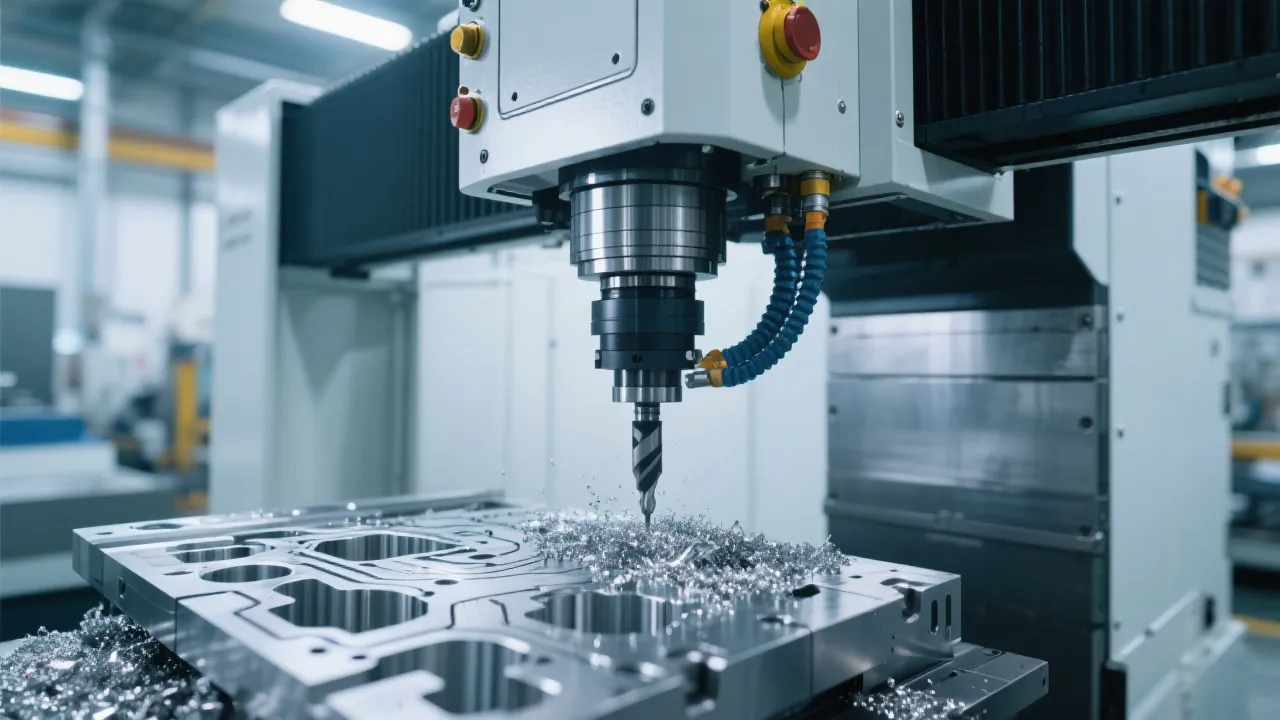
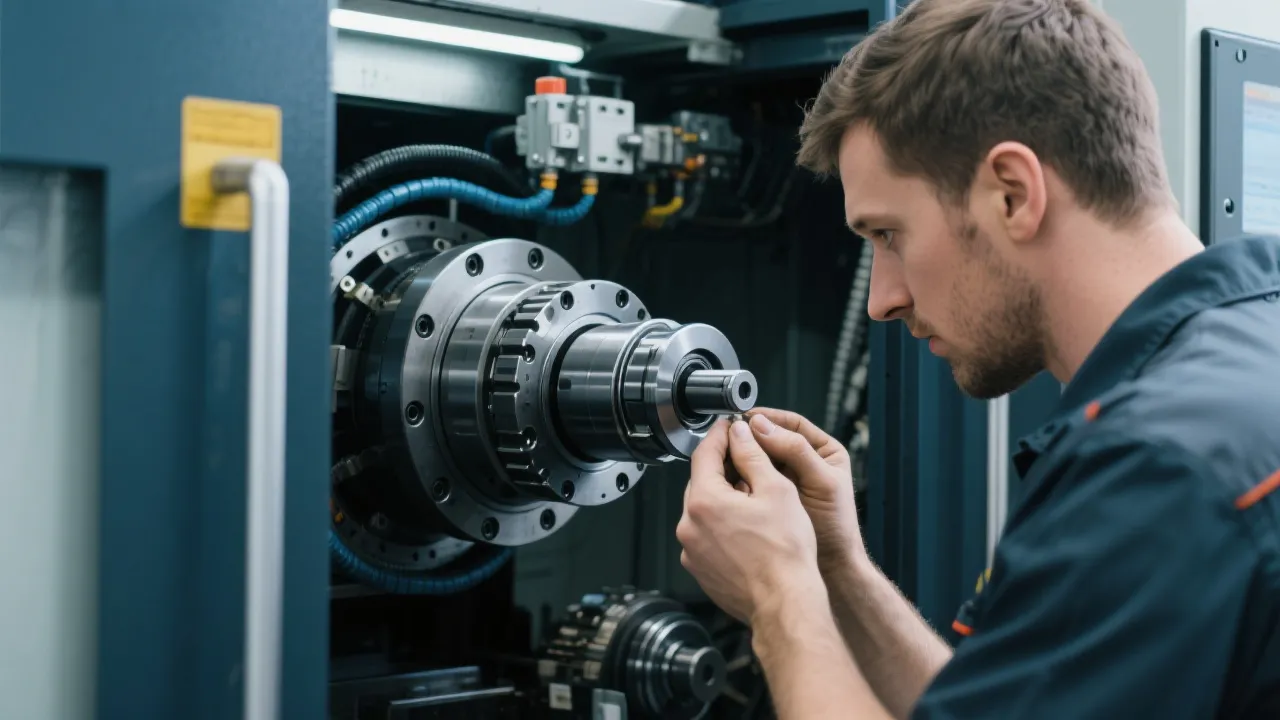
Selecting the right CNC milling machine for iron mold manufacturing has become increasingly complex as industry demands rise for precision, speed, and material adaptability. Drawing on Ningbo Kaibo CNC Machinery Co., Ltd.’s extensive expertise, this article dissects five fundamental performance indicators essential to making informed equipment choices. From positioning accuracy to spindle power, and structural rigidity to guideway types, these metrics underpin the machine’s ability to deliver consistent, high-quality results—particularly when handling challenging materials like gray cast iron and ductile iron.
Positioning Accuracy vs. Repeatability: Positioning accuracy defines how precisely the CNC mill reaches a targeted coordinate, while repeatability measures its ability to return to the same point consistently during multiple cycles. For iron mold applications, a positioning accuracy below ±0.01 mm and repeatability within ±0.005 mm is considered industry best practice to minimize rework rates and improve surface finish quality.
Guideway Types and Structural Stiffness: Linear guideways, such as roller or ball types, offer varying degrees of rigidity and wear resistance. Roller guideways typically outperform ball guides in stability under heavy loads typical of iron mold milling. Coupled with a robust machine frame constructed using ribbed cast iron or welded steel, structural stiffness directly reduces vibration, maintaining cutting precision and prolonging machine lifespan.
Spindle Power and Load Compatibility: The spindle’s horsepower must align with the hardness and machinability of iron mold materials. For gray cast iron and ductile iron, which respectively have Brinell hardness values averaging 160-220 HB and 180-250 HB, spindle power ratings in the 15-25 kW range with variable speed controls provide optimal cutting force without risking tool damage or thermal distortion.
The mechanical properties of the targeted mold materials dictate machine customization. Gray cast iron’s brittleness demands machines capable of high rigidity to prevent chatter, with a preference for heavy-duty guideways and vibration-damping elements. Conversely, ductile iron’s toughness benefits from elevated spindle torque and cooling systems that mitigate heat buildup during longer cuts. Precision in feed rate adjustments also plays a crucial role in balancing productivity and surface integrity.
Trial cutting serves as the ultimate verification method for CNC milling machine performance. This step verifies if actual machine behavior aligns with specification claims. A standardized trial should include:
Avoiding common pitfalls, such as testing only on soft materials or omitting vibration analysis, ensures trial cutting results are predictive of on-site production reality.
To support iron mold manufacturers in systematic evaluation, Ningbo Kaibo CNC Machinery offers a downloadable core performance metrics checklist. This practical tool guides technical managers and procurement officers through site-based inspections and trial cutting verifications, fostering data-driven equipment selection decisions that reduce downtime and maximize ROI.