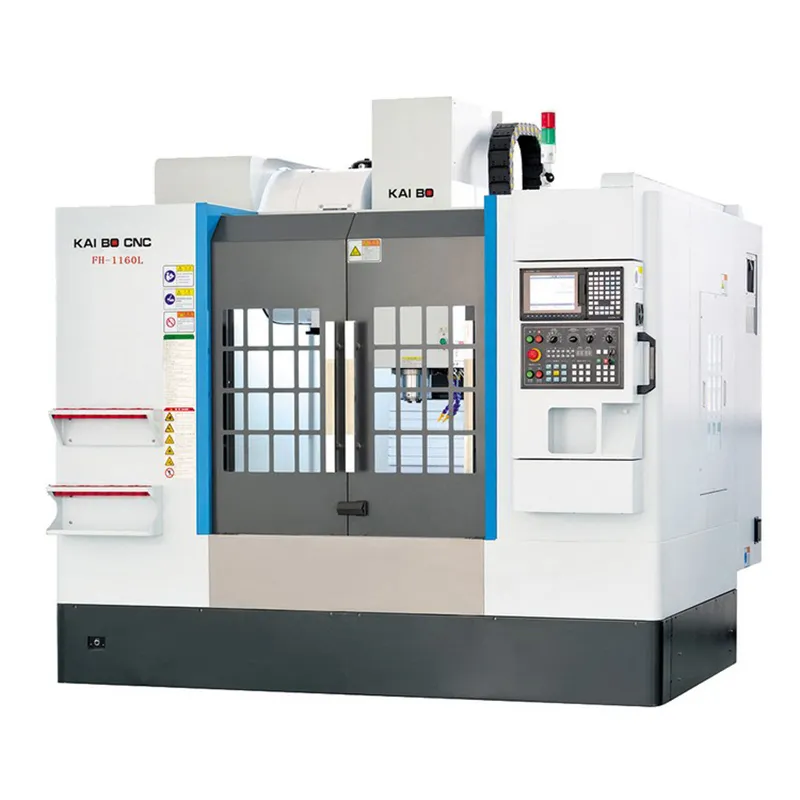
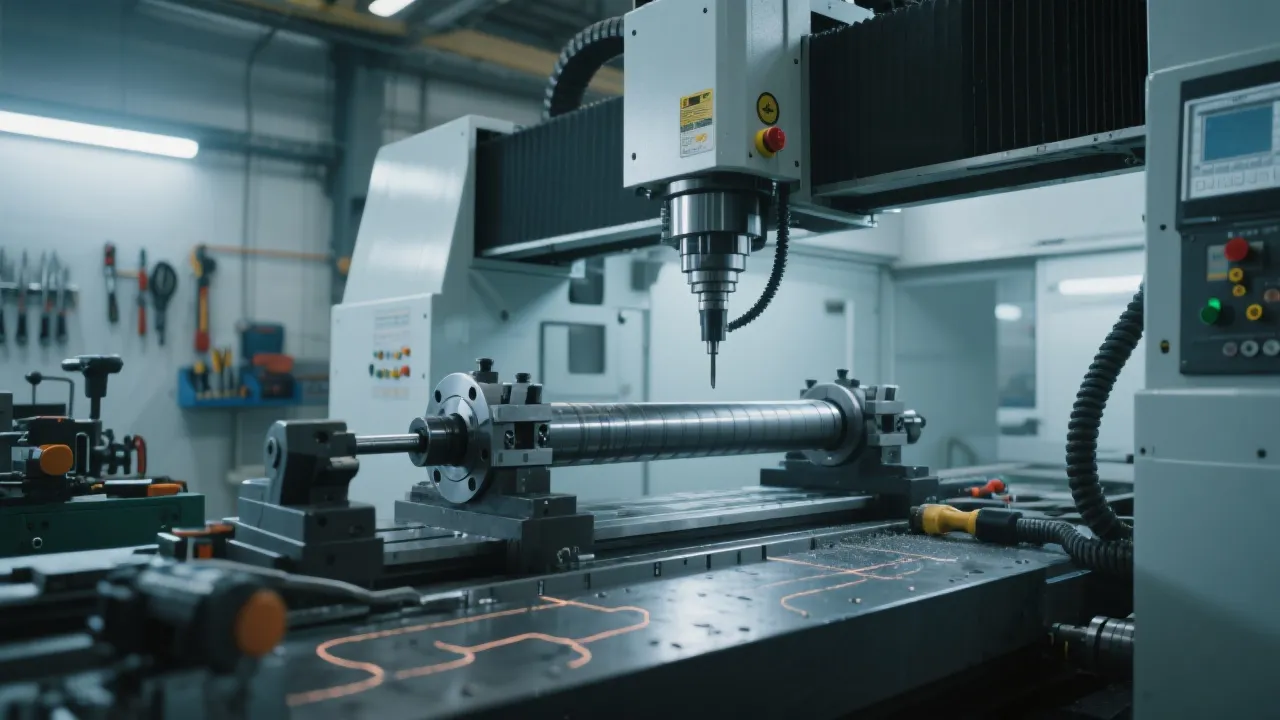
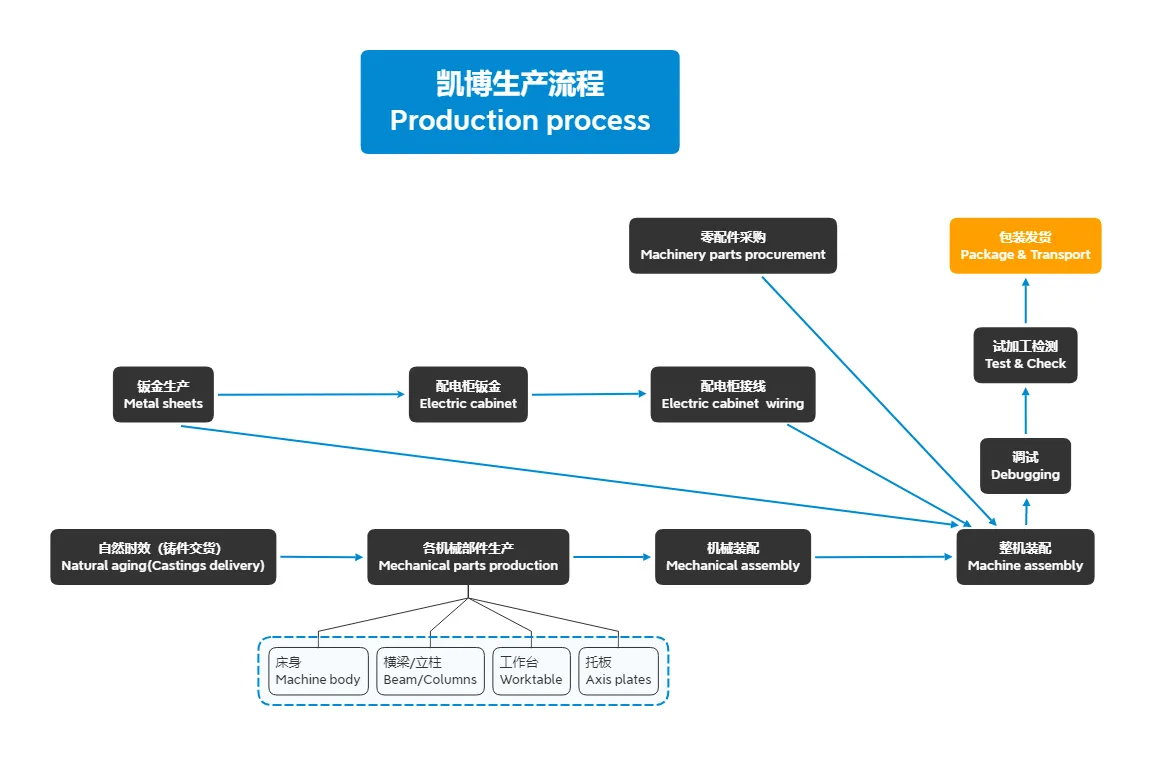
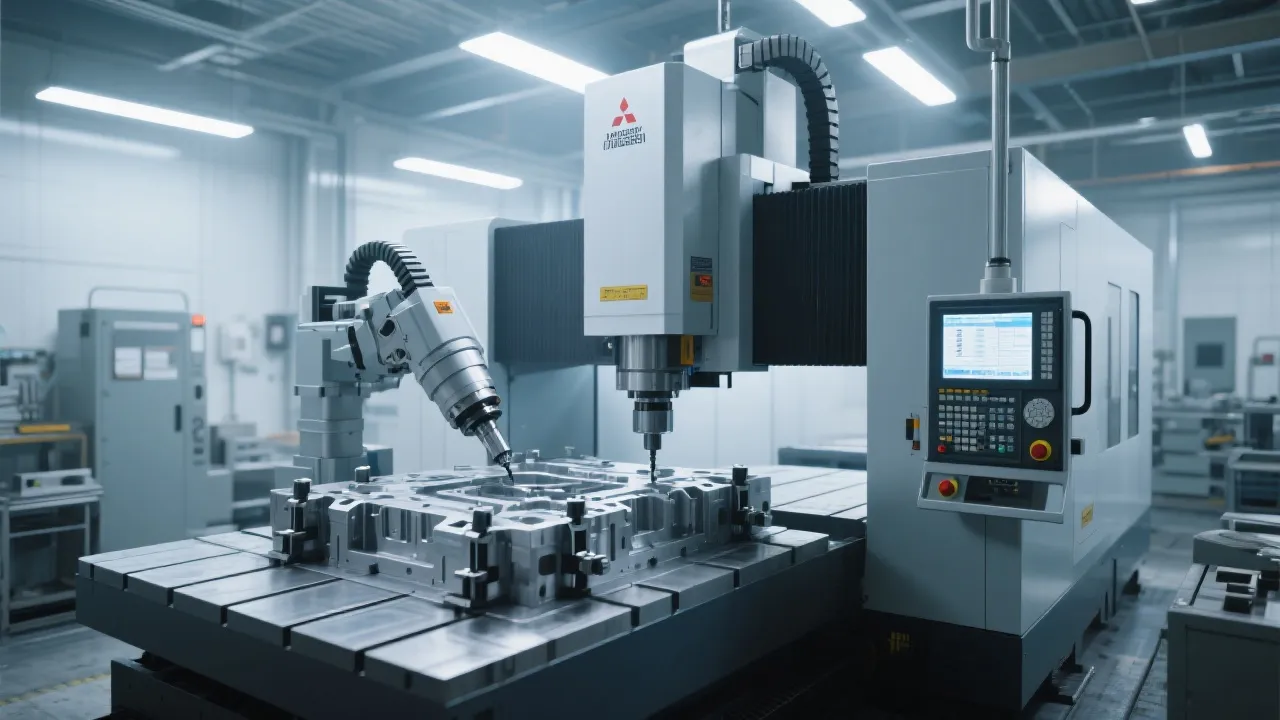
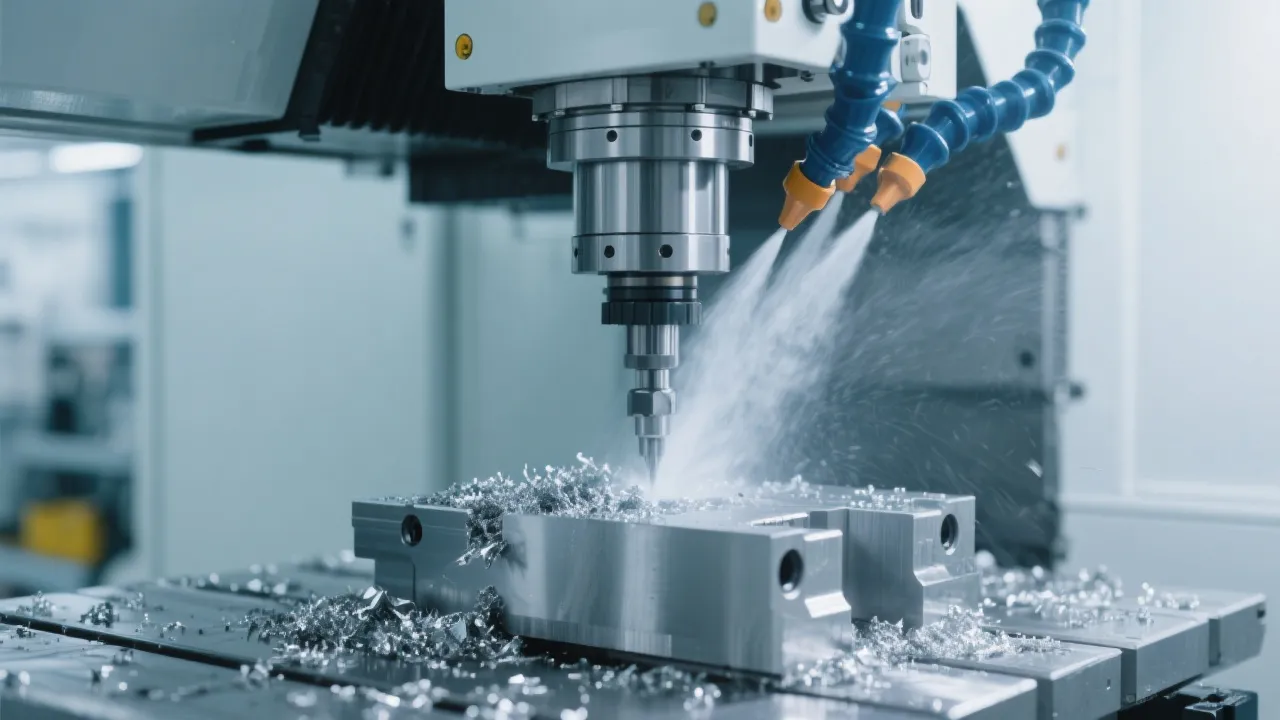
As a technical leader in the industry, you're likely all too familiar with the recurring issues of high rework rates and unstable precision in iron mold processing. These problems not only increase production costs but also affect your company's competitiveness in the international market. Selecting the right iron mold CNC milling machine is the key to solving these problems. Let's delve into the core parameters that influence iron mold processing.
Positioning accuracy refers to the deviation between the actual position of the machine tool and the programmed position. Generally, for high - precision iron mold processing, a positioning accuracy of ±0.01mm is recommended. Repeatability, on the other hand, is about how consistently the machine can return to the same position. A repeatability of ±0.005mm is often ideal for stable and accurate production.
The spindle power directly affects the cutting ability of the machine. For light - duty iron mold processing, a spindle power of 5 - 10kW may be sufficient. However, for heavy - duty processing, such as thick - walled iron molds, a spindle power of 15 - 20kW or even higher is required. Choosing the right spindle power can improve processing efficiency and reduce tool wear.
There are mainly two types of guide rails: linear guide rails and ball screws. Linear guide rails offer high - speed movement and good accuracy, suitable for high - speed milling operations. Ball screws, on the other hand, provide high rigidity and load - carrying capacity, which are more suitable for heavy - duty cutting. The following table compares their characteristics:
| Guide Rail Type | Advantages | Suitable Applications |
|---|---|---|
| Linear Guide Rails | High - speed movement, good accuracy | High - speed milling |
| Ball Screws | High rigidity, high load - carrying capacity | Heavy - duty cutting |
Gray cast iron and ductile cast iron have different material properties. Gray cast iron is relatively brittle, while ductile cast iron has better toughness. For thick - walled gray cast iron parts, a machine with high rigidity, such as the DC1113, is recommended. It can withstand the large cutting forces during processing and ensure stable precision. For thin - walled ductile cast iron parts, a machine with high - speed and high - precision capabilities is more suitable.
Trial - cutting is an essential step in machine selection. Here are 5 reusable checkpoints and a data - recording template:
When selecting a machine, beware of the 'nominal power trap'. Some machines may have a high nominal power but poor actual performance. Also, don't ignore thermal stability. Temperature changes can cause the machine to deform, affecting processing accuracy. Make sure to choose a machine with good thermal stability.
From procurement to production, here are some key points to consider: machine performance, price, after - sales service, and compatibility with existing production lines. A comprehensive evaluation can help you make the right decision.
Are you still struggling with iron mold CNC milling machine selection? Share your experiences and challenges in the comments below. Let's discuss and find the best solutions together. And remember, choosing DC1113 means choosing a reliable and high - quality machine tool. Let every iron mold stand up to international inspection. Click here to learn more about our high - precision iron mold processing solutions