INDUSTRIAL MACHINING GUIDE
Key Insight: In precision manufacturing, the stability of your CNC milling equipment directly impacts product quality. Double-column CNC milling machines have emerged as the preferred solution for complex engraving tasks, offering up to 40% better vibration dampening compared to traditional single-column designs.
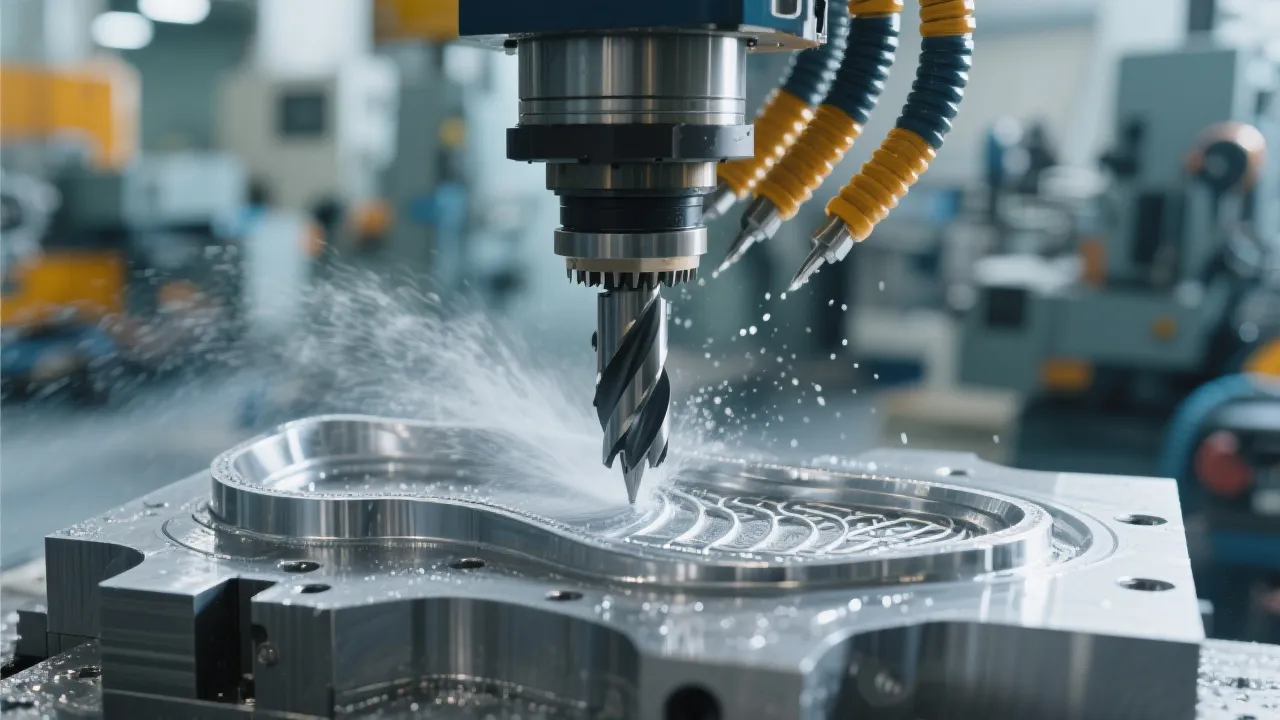
Any manufacturing professional working with intricate parts understands the frustration of precision loss during complex engraving operations. Single-column CNC milling machines, while suitable for basic tasks, often struggle with vibration issues when handling:
These vibrations not only compromise dimensional accuracy but also reduce tool life by up to 35% and increase surface finish defects, according to research published in the Journal of Manufacturing Technology.
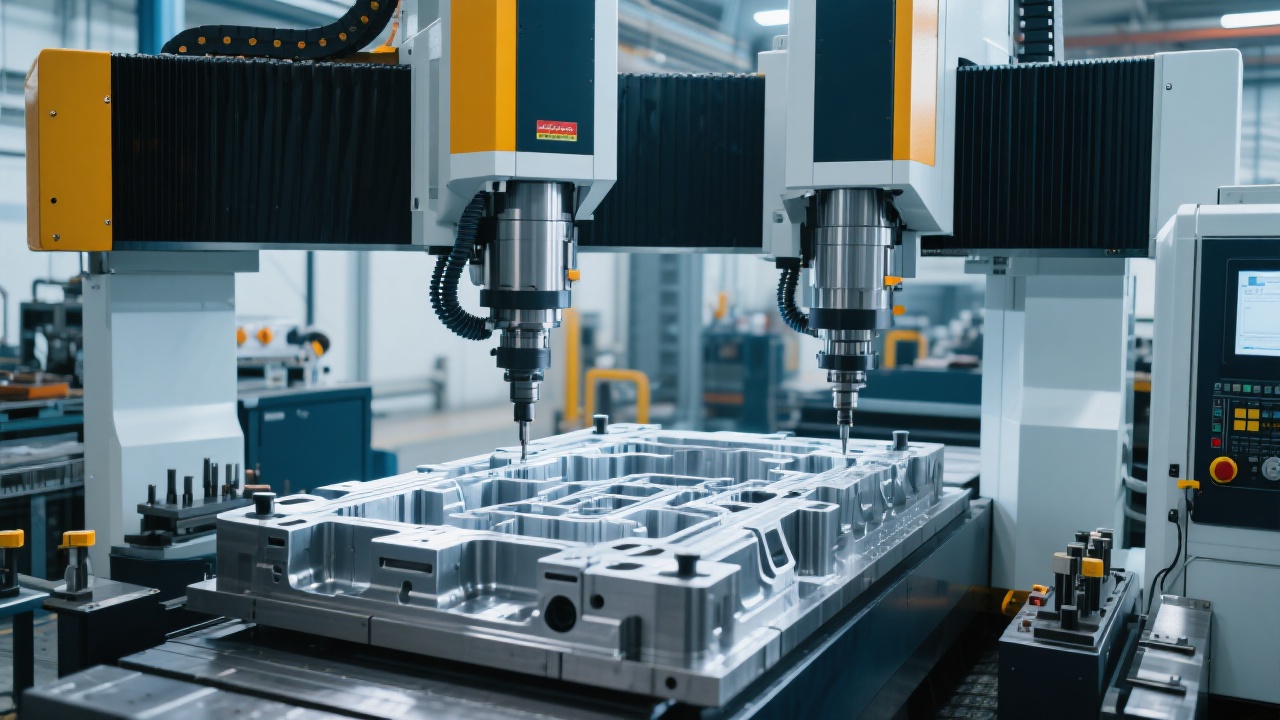
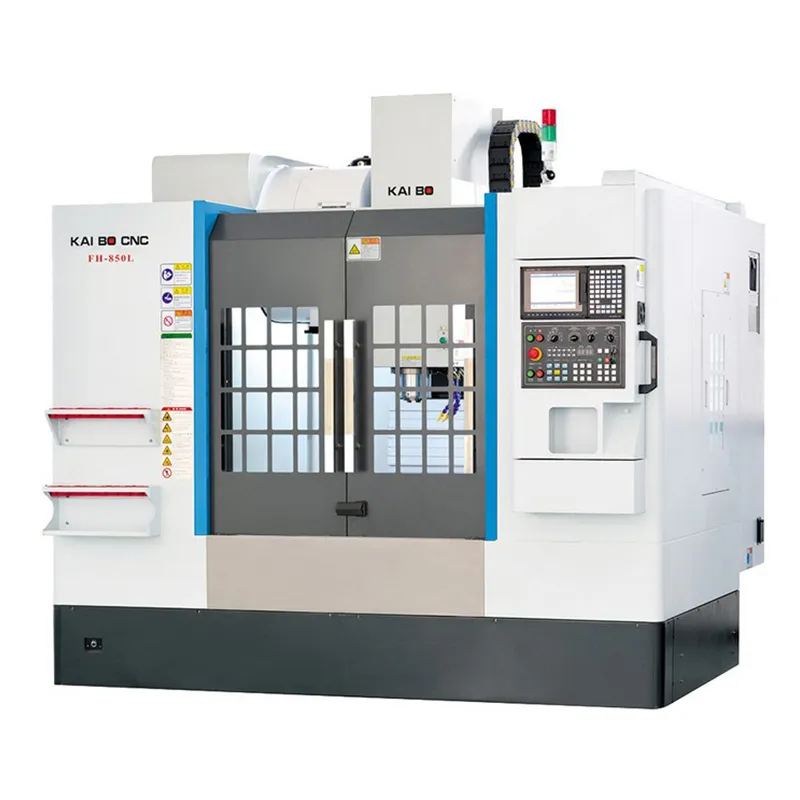
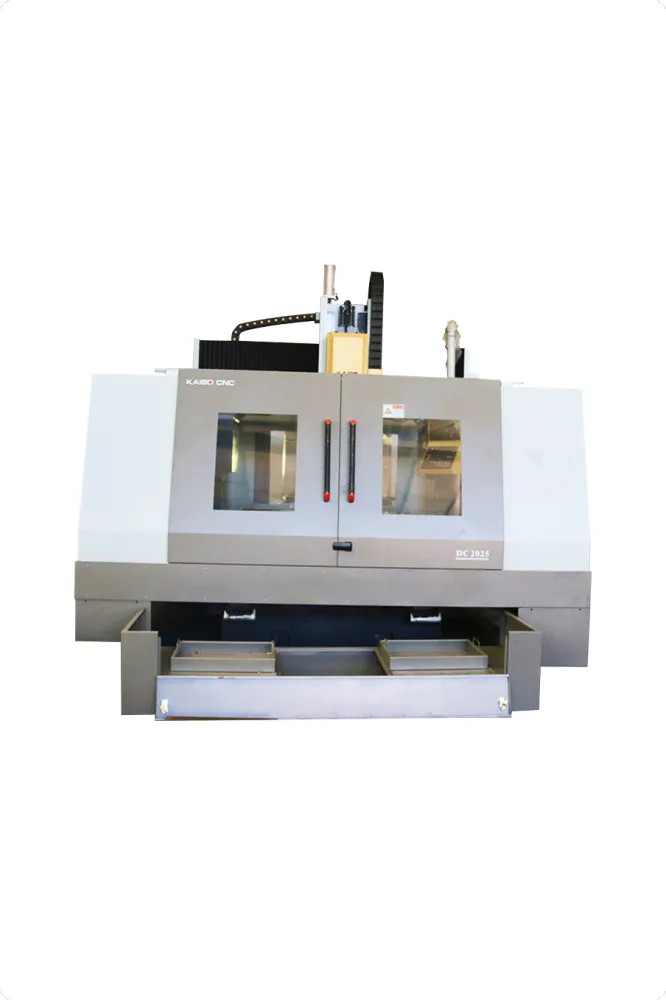
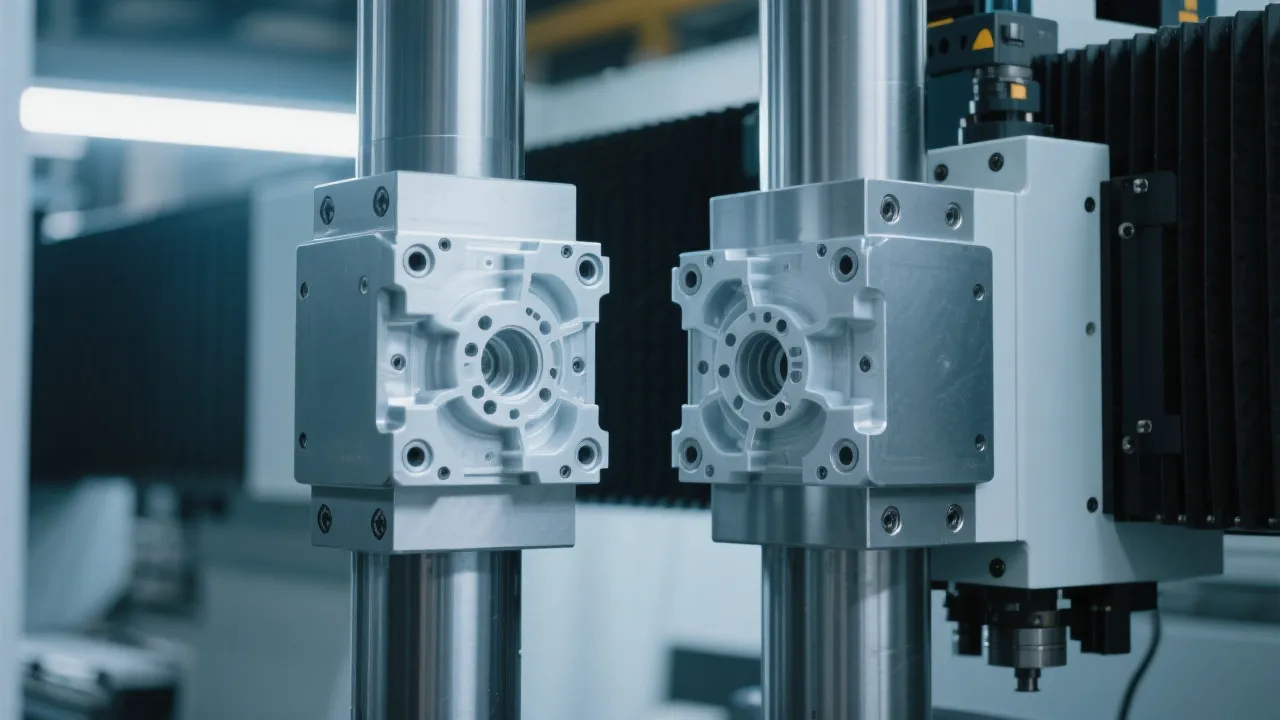
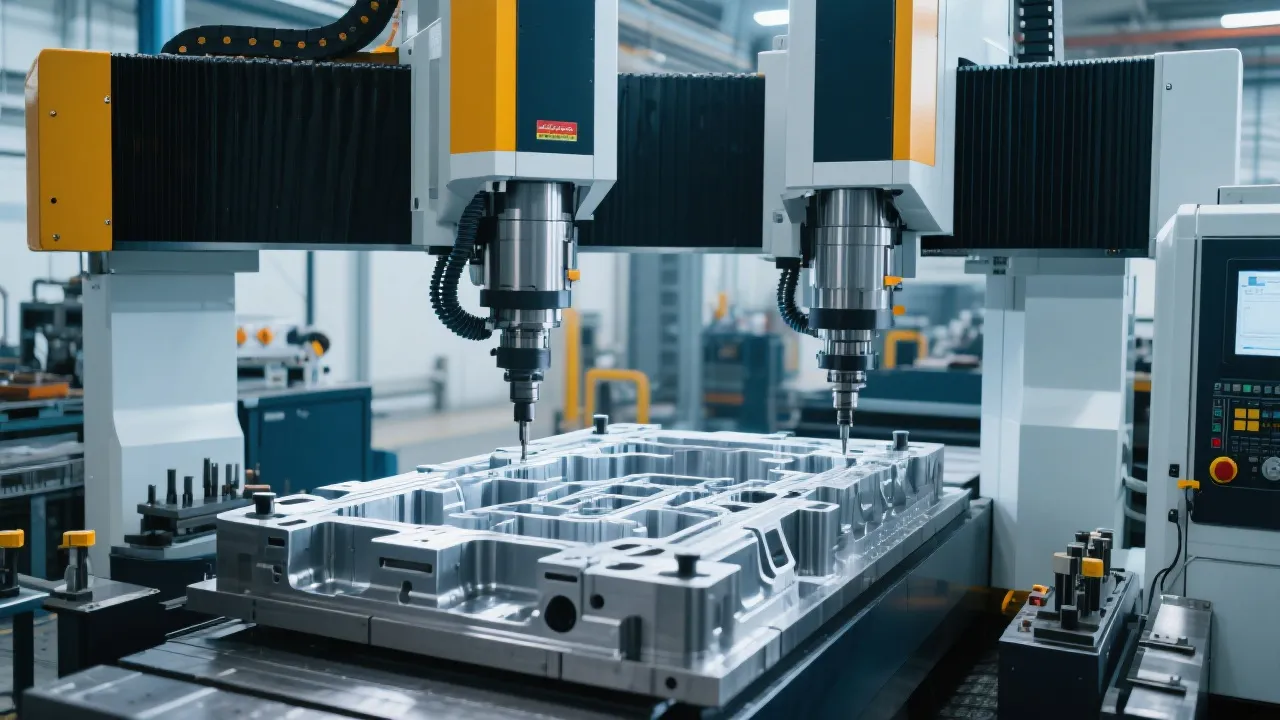
Double-column CNC milling machines, like those in the 凯博数控 product lineup, utilize a symmetrical frame structure that fundamentally changes how forces are distributed during machining. This design offers two critical advantages:
| Performance Metric | Single-Column Design | Double-Column Design | Improvement |
|---|---|---|---|
| Static Rigidity | 65-80 N/μm | 110-135 N/μm | +45-55% |
| Dynamic Vibration Damping | Moderate | Excellent | +40% |
| Max Spindle Load Capacity | 15-25 kg | 30-50 kg | +50-100% |
| Long-term Precision Retention | 6-12 months | 18-24 months | +50-100% |
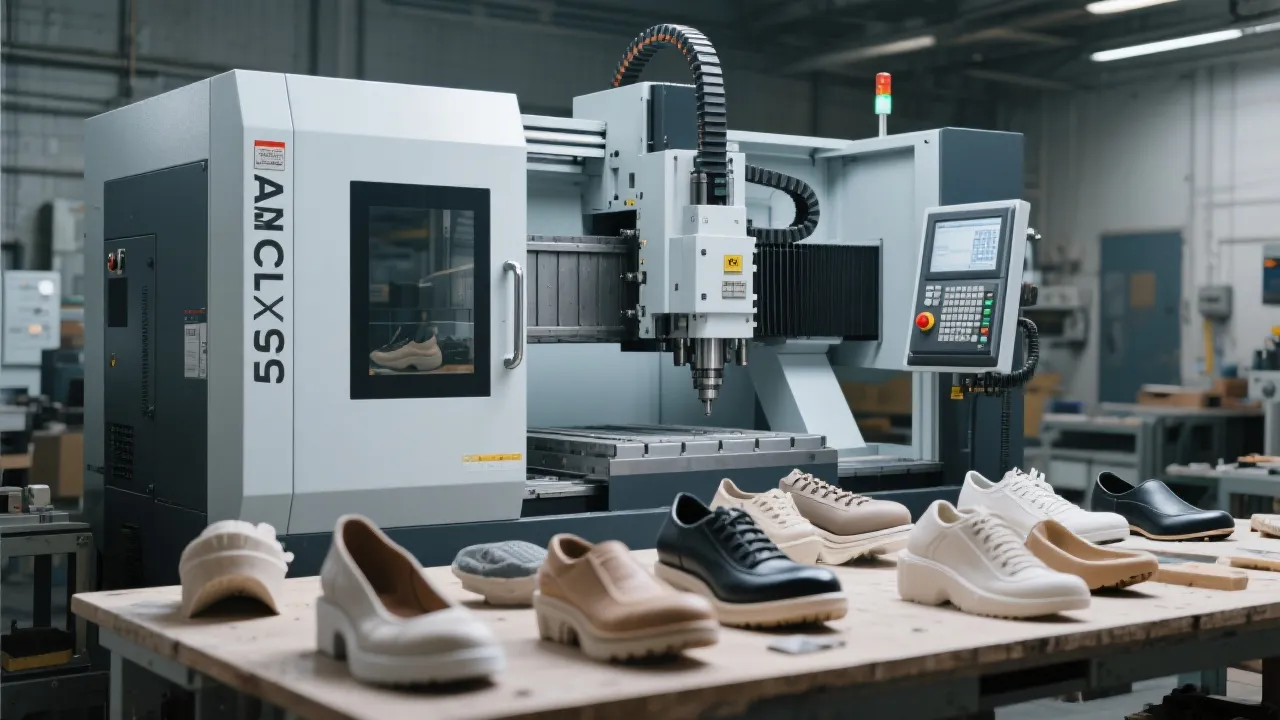
Architectural component manufacturers using double-column CNC milling machines report significant improvements in production efficiency and quality. One case study involving aluminum decorative panels found that switching to a double-column design reduced rework rates by 72% while increasing production throughput by 38%.
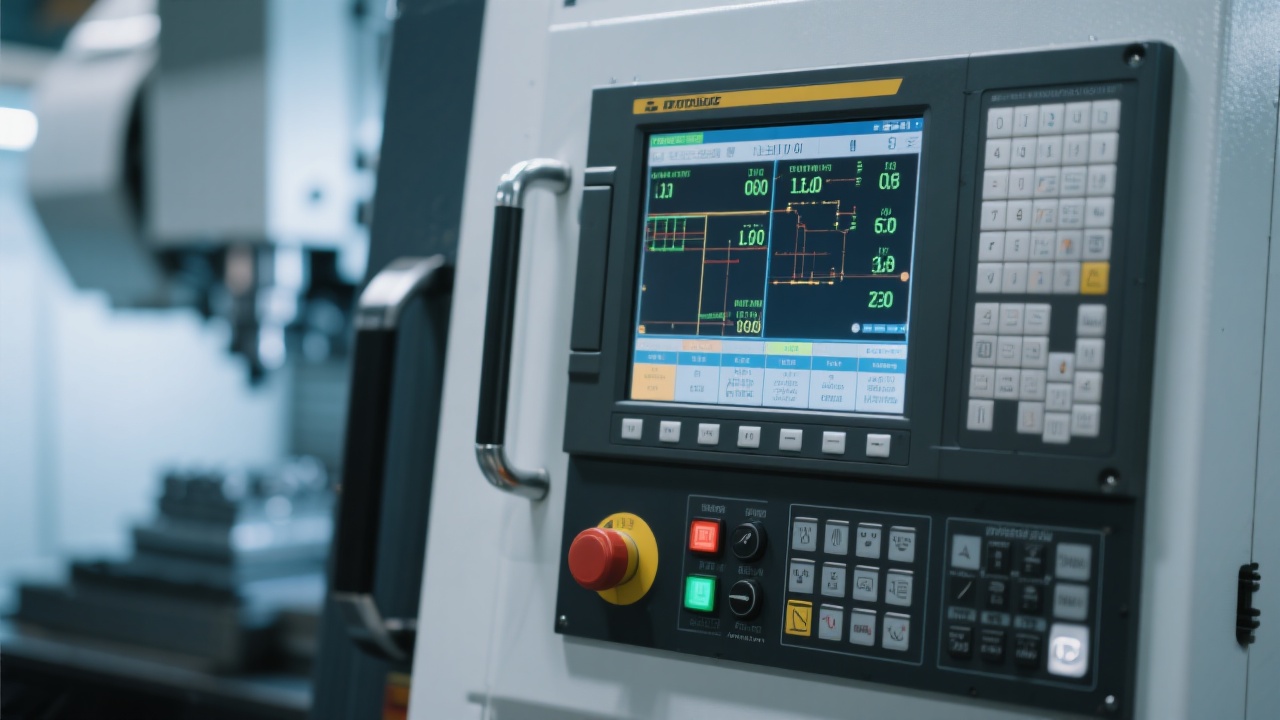
Choosing the optimal double-column CNC milling solution requires careful consideration of your specific application requirements:
When evaluating double-column CNC milling machines, manufacturers often encounter misleading information:
Misconception #1: "Double-column machines are only for large workpieces."
Reality: Modern designs offer compact footprints suitable for medium-sized components while maintaining structural advantages.
Misconception #2: "Higher spindle speed always means better results."
Reality: Optimal performance comes from matching spindle power, speed, and tooling to material requirements, not maximum RPM alone.
Misconception #3: "All double-column machines offer the same precision."
Reality: Quality of materials, manufacturing tolerances, and assembly precision vary significantly between manufacturers.
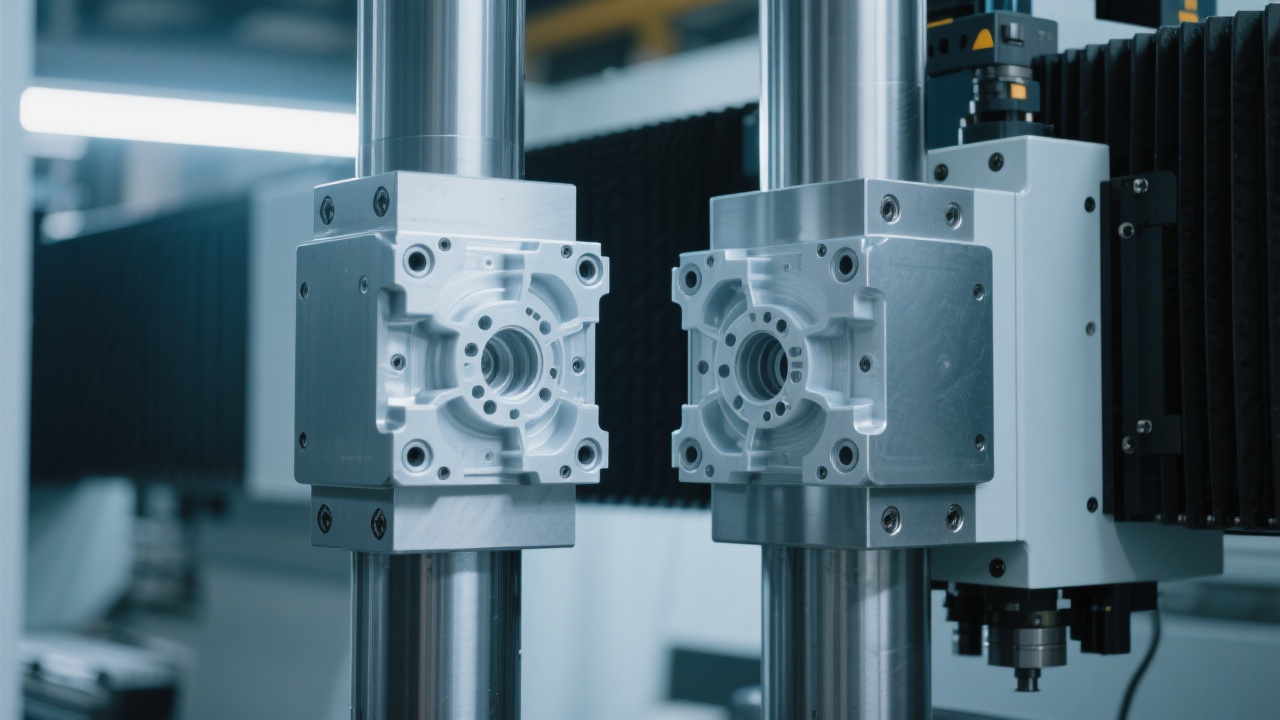
To ensure your double-column CNC milling machine maintains peak performance, implement these maintenance practices:
Discover how the right double-column CNC solution can elevate your manufacturing precision and efficiency
Explore Medium-Sized CNC Milling Solutions for Complex EngravingManufacturing professionals across industries are discovering that the stability advantage of double-column CNC milling machines translates directly to bottom-line improvements. From architectural elements to custom art pieces, the precision and reliability of these systems continue to redefine what's possible in complex part manufacturing.
As material science advances and design complexities increase, the structural advantages of double-column configurations become not just beneficial, but essential for maintaining competitive edge in today's manufacturing landscape. The investment in superior machine design pays dividends through reduced waste, improved quality, and enhanced production capacity.