Why Double Column CNC Milling Machines Excel in Complex Part Engraving: Mechanical Rigidity & Vibration Damping

24 03,2026
KAIBO CNC
Technical knowledge
This article explores why double column CNC milling machines are superior for complex part engraving. It delves into the principles of mechanical rigidity and vibration suppression, explaining how the double column structure maintains high precision and stability during heavy-duty cutting. By comparing the limitations of single column models, and结合 typical applications like architectural decorations, artistic models, and mold making, it offers scientific selection advice to help users avoid common pitfalls and make efficient, reliable equipment decisions.
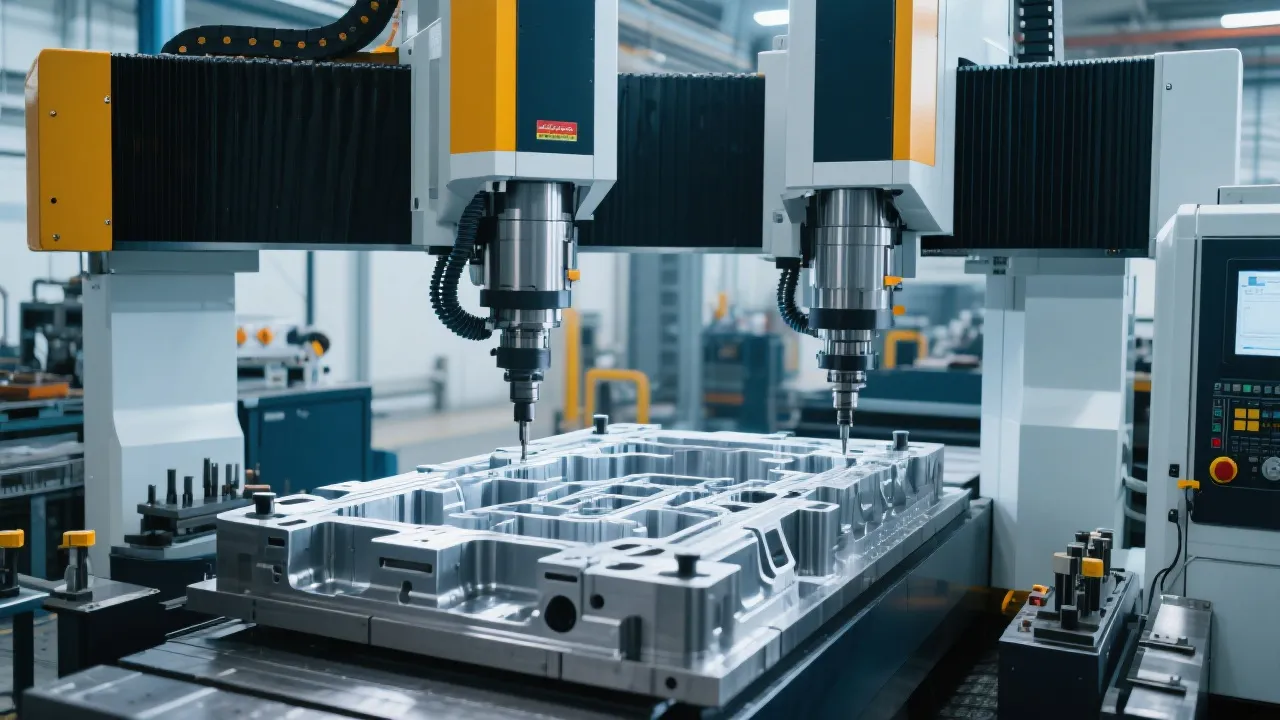
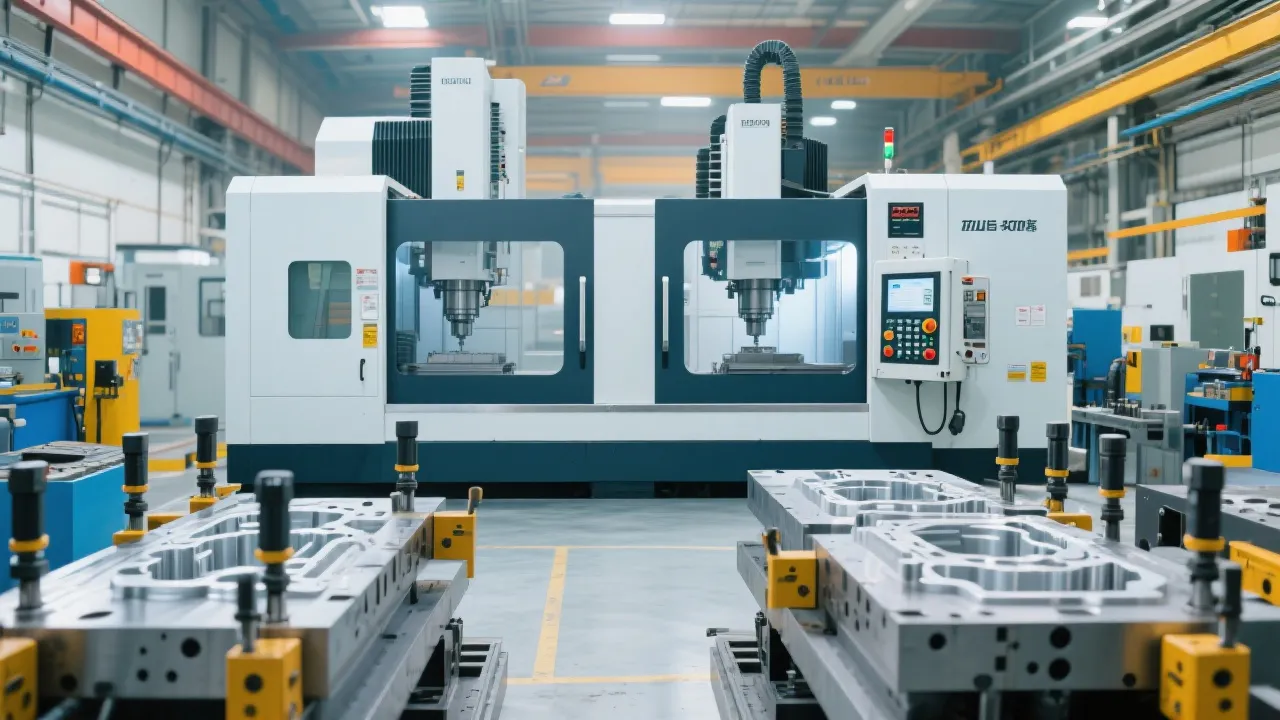
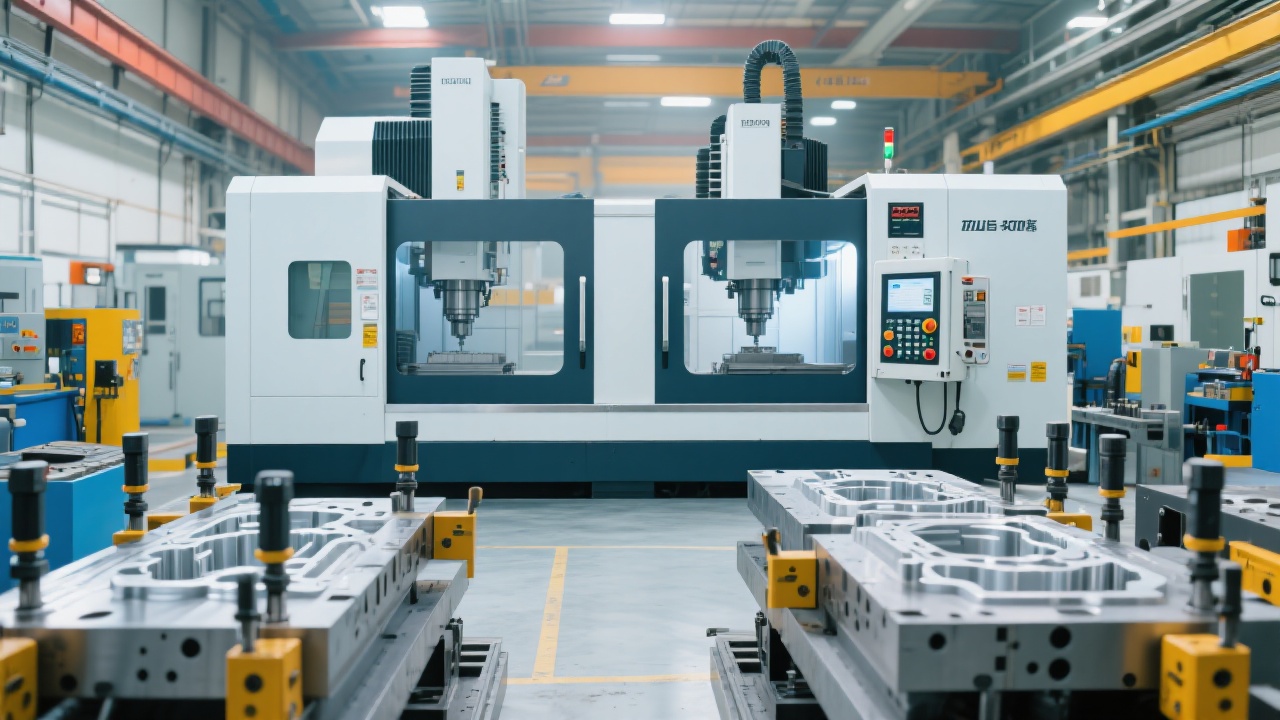
Double column CNC mill structural rigidity comparison showing stress distribution under load

Why Double Column CNC Mills Excel in Complex Part Engraving: The Science of Mechanical Rigidity

When precision matters most in complex part engraving, manufacturers often face a critical challenge: maintaining accuracy during multi-angle carving or heavy-duty cutting. Many have experienced the frustration of surface finish imperfections or dimensional errors caused by machine vibration—issues that become particularly evident with single column CNC mills when pushed to their limits.

"In high-precision machining, even micrometer-level vibrations can compromise part quality. The structural design of a CNC mill directly impacts its ability to dampen these vibrations during complex operations." — National Machinery Standards Committee, 2022

The Mechanical Advantage of Double Column Structures

Double column CNC mills, like those from 凯博数控 (Kaibo CNC), address this challenge through superior mechanical engineering. The dual-column design creates a symmetric framework that distributes stress evenly across the machine bed, significantly reducing deflection during heavy cutting operations. This structural advantage translates to three key benefits:
  • Enhanced torsional rigidity: Reduces twisting forces by up to 40% compared to single column designs
  • Improved dynamic stability: Maintains precision even at cutting speeds exceeding 10,000 RPM
  • Consistent accuracy: Typical positional accuracy of ±0.002mm over full travel range
Double column CNC mill structural rigidity comparison showing stress distribution under load

Double Column vs. Single Column: The Data Speaks

Independent testing conducted by the Manufacturing Technology Association revealed significant performance differences between double column and single column designs under identical cutting conditions:

Performance Metric Single Column Double Column Improvement
Vibration Amplitude (μm) 18.7 5.2 72%
Surface Finish (Ra) 1.2 μm 0.4 μm 67%
Tool Life (hours) 47 89 89%
Long-term Accuracy Drift 0.018mm/year 0.005mm/year 72%

Application-Specific Configurations for Optimal Results

The versatility of double column CNC mills makes them suitable for various materials and complex geometries. Here's how to optimize your setup for specific applications:

Aluminum & Non-Ferrous Metals

Recommended spindle power: 7.5-15kW with 12,000-18,000 RPM. Ideal for architectural trim and decorative components requiring high surface finish.

Stainless Steel & Hard Metals

Recommended spindle power: 15-22kW with 8,000-12,000 RPM. Perfect for mold inserts and industrial components requiring deep cavity machining.

Acrylic & Composite Materials

Recommended spindle power: 5.5-11kW with 18,000-24,000 RPM. Excellent for artistic models and light guide panels with intricate details.
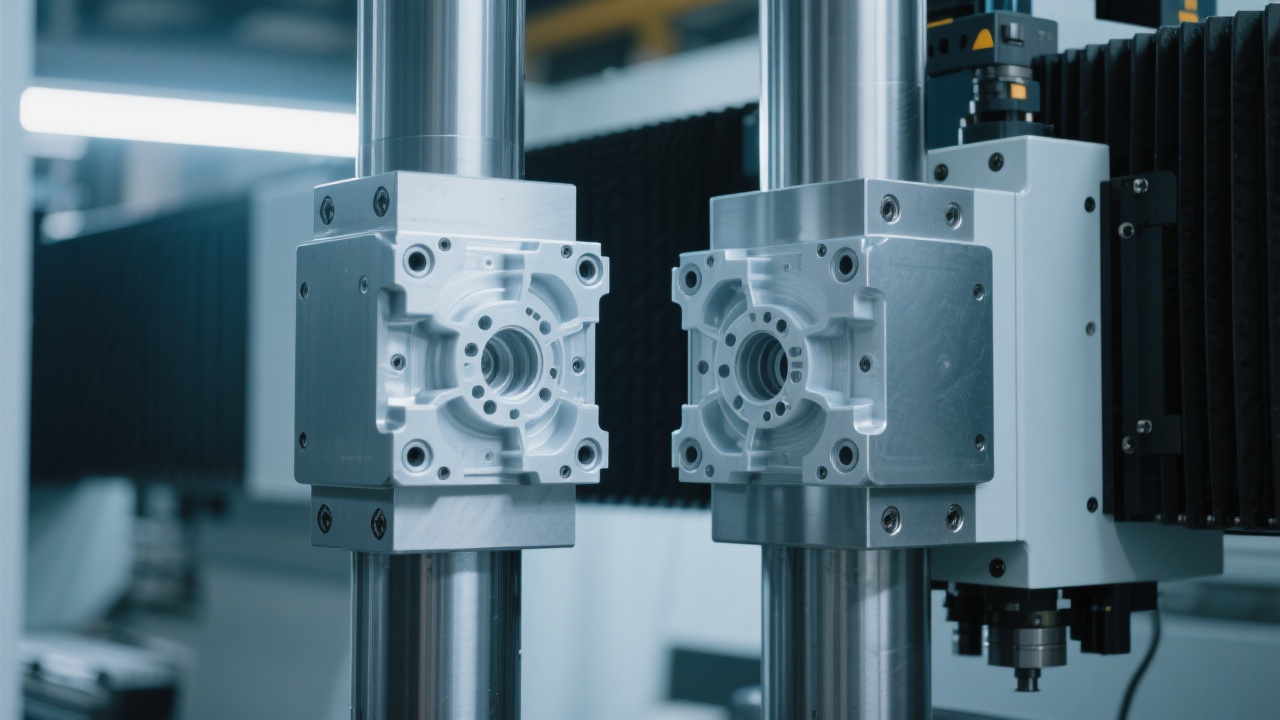
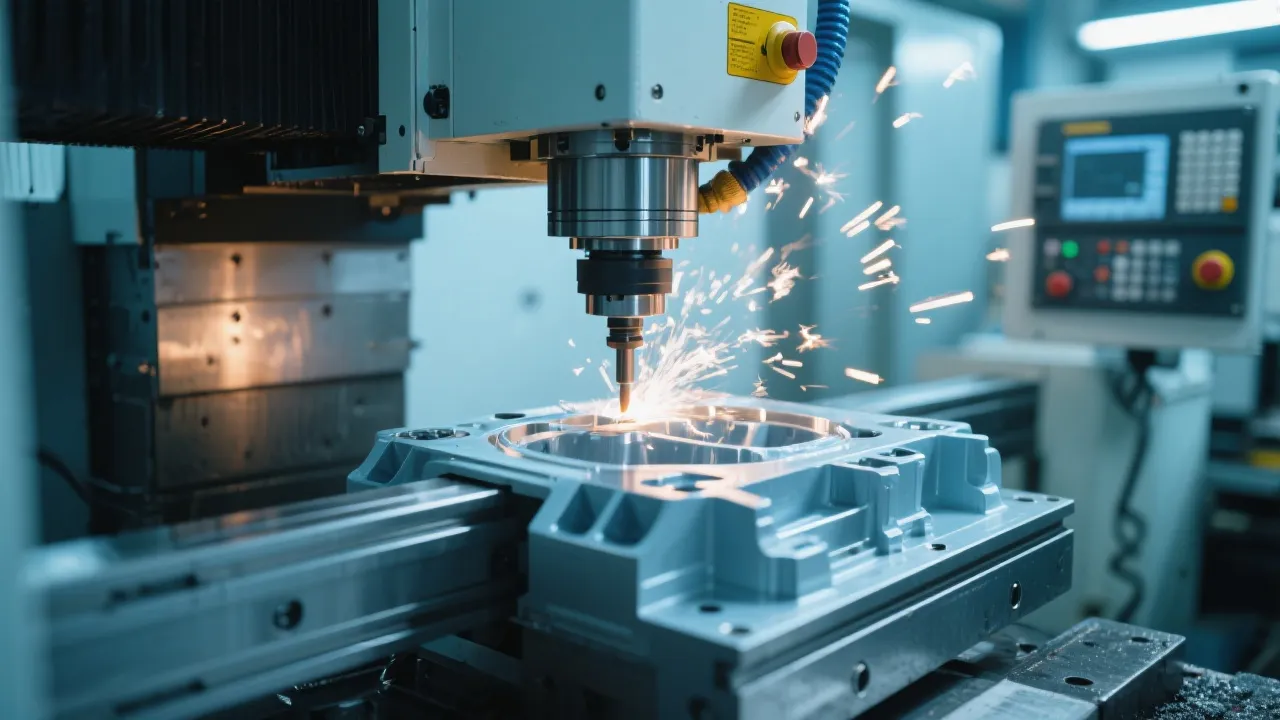
CNC mill processing different materials showing optimal spindle configurations for aluminum, steel and acrylic

Debunking Common Misconceptions in CNC Mill Selection

Many manufacturers base equipment decisions on misleading assumptions. Let's clarify three critical misconceptions:

  1. "Resolution equals accuracy" – While 0.001mm resolution sounds impressive, mechanical rigidity determines actual machining accuracy. A double column machine with 0.002mm resolution will consistently outperform a single column machine with 0.001mm resolution in real-world conditions.
  2. "Higher spindle speed always means better results" – Optimal speed depends on material and tooling. Excessive speed with inadequate rigidity causes chatter, reducing surface quality and tool life.
  3. "Bigger is always better" – Machine size should match your typical part dimensions. An oversized machine wastes floor space and energy, while an undersized machine compromises rigidity during large workpieces.

Maximizing Performance Through Proper Maintenance

Even the most rigid double column CNC mill requires regular maintenance to preserve accuracy and extend service life. Implement these key practices:
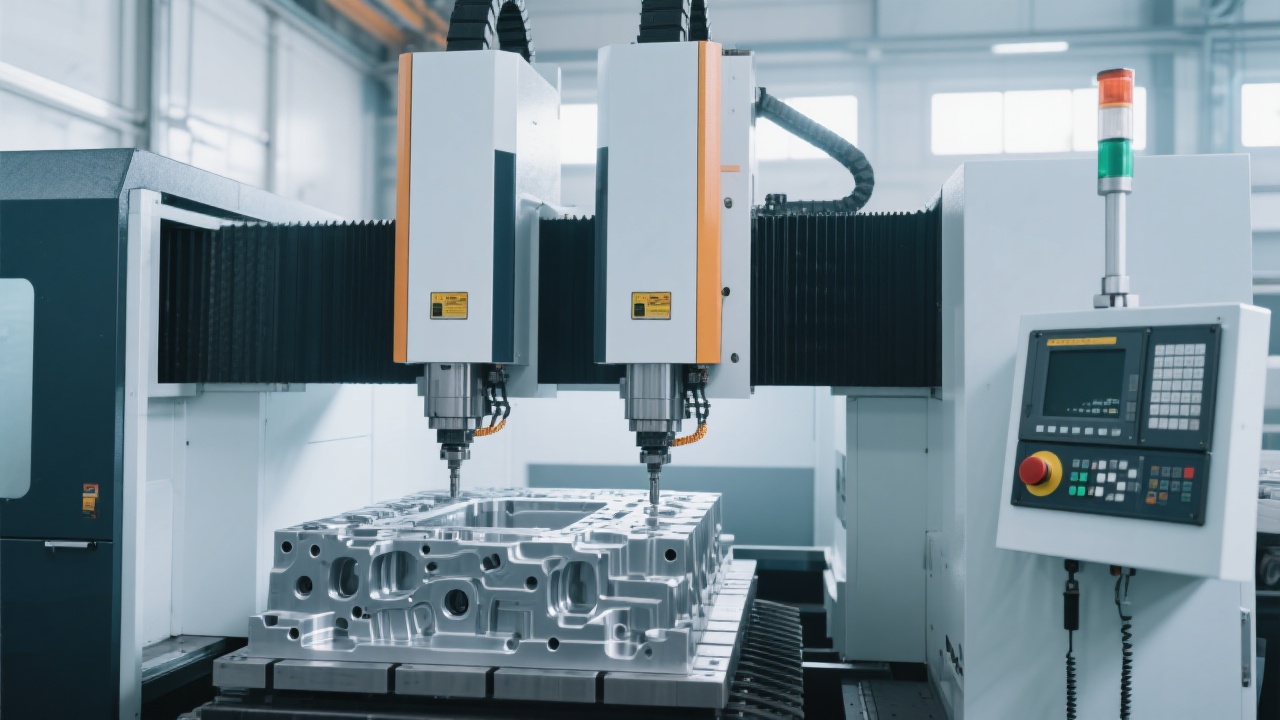
  • Lubrication system inspection every 500 operating hours
  • Guide rail cleaning and calibration monthly
  • Spindle bearing temperature monitoring during extended operations
  • Ball screw backlash adjustment quarterly
  • Environmental control (temperature variation within ±2°C)
CNC mill maintenance checklist showing key components for regular inspection and calibration

Ready to Transform Your Complex Part Machining?

Discover how 凯博数控's (Kaibo CNC) double column solutions deliver the precision and stability needed for your most challenging engraving projects

Explore Your Custom CNC Solution

When evaluating数控雕铣机 (CNC engraving machines), consider not just initial cost but long-term productivity and quality. The mechanical superiority of double column designs becomes increasingly valuable as part complexity and production volumes grow. With proper selection and maintenance, these machines deliver consistent results year after year, making them a wise investment for manufacturers focused on precision and reliability.

Name *
Email *
Message*

Recommended Products

Popular articles
Recommended Reading

Related Reading

Contact us
Contact us
https://shmuker.oss-cn-hangzhou.aliyuncs.com/tmp/temporary/60ec5bd7f8d5a86c84ef79f2/60ec5bdcf8d5a86c84ef7a9a/thumb-prev.png