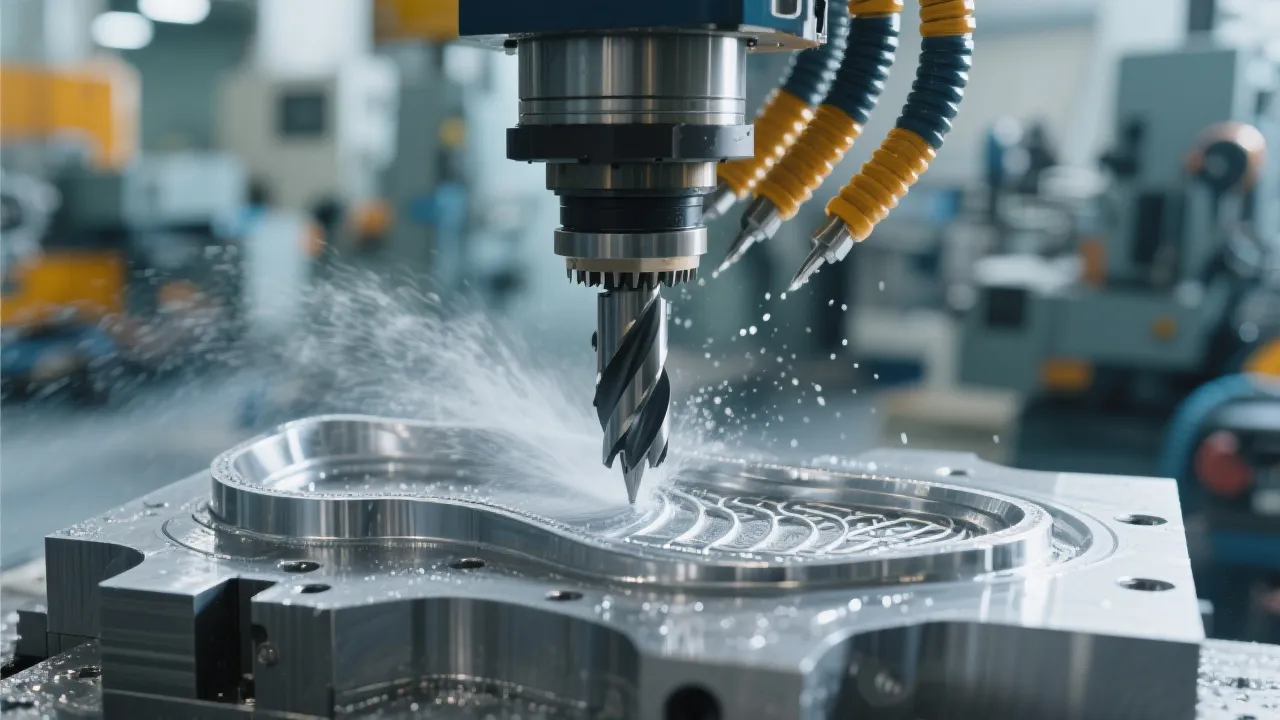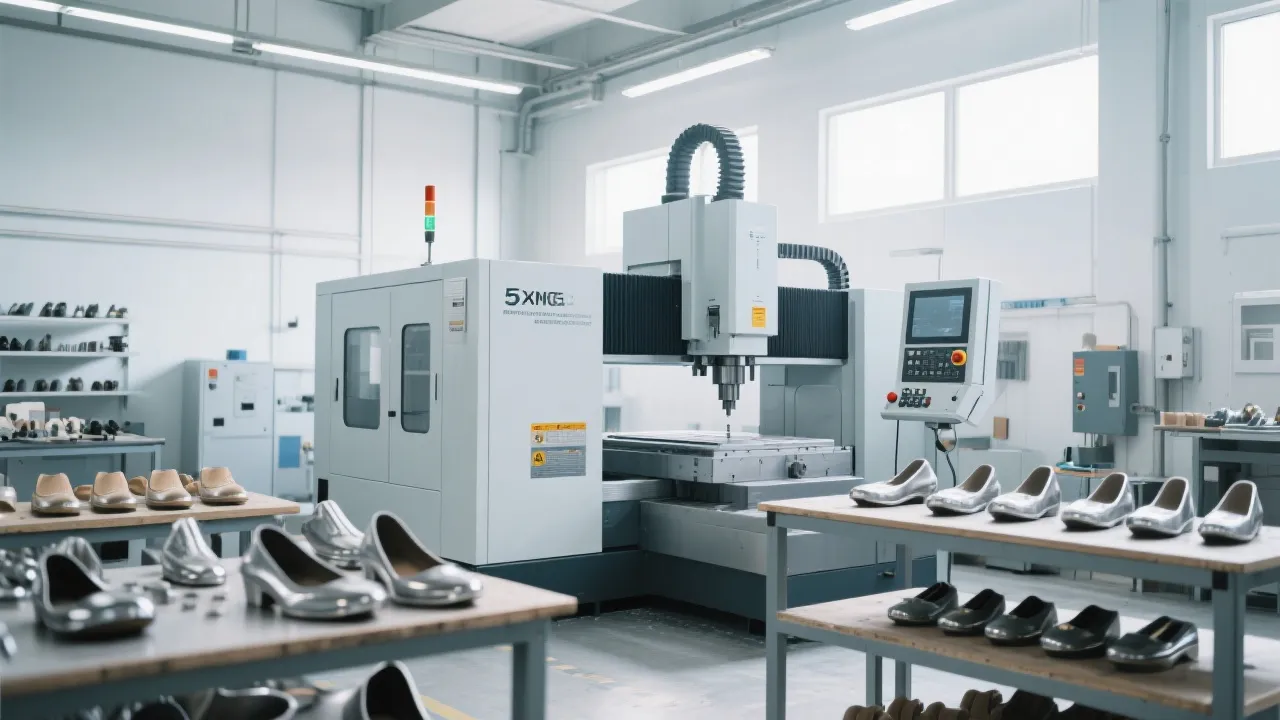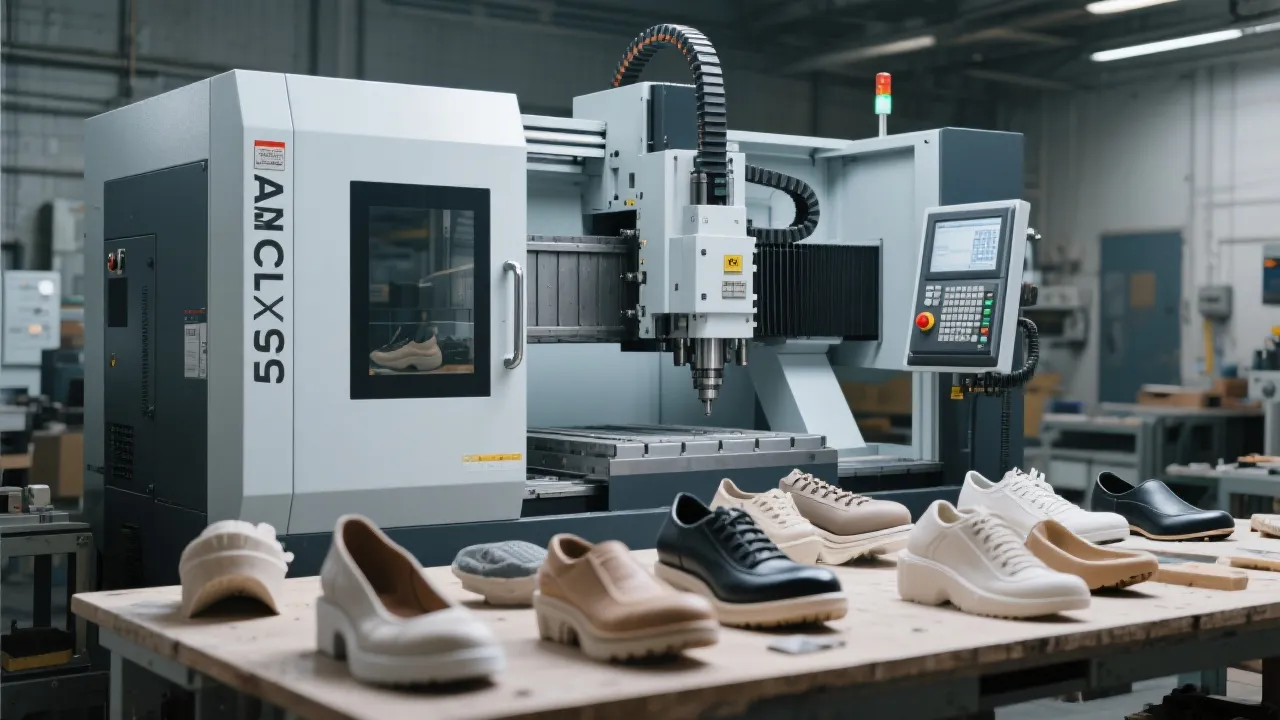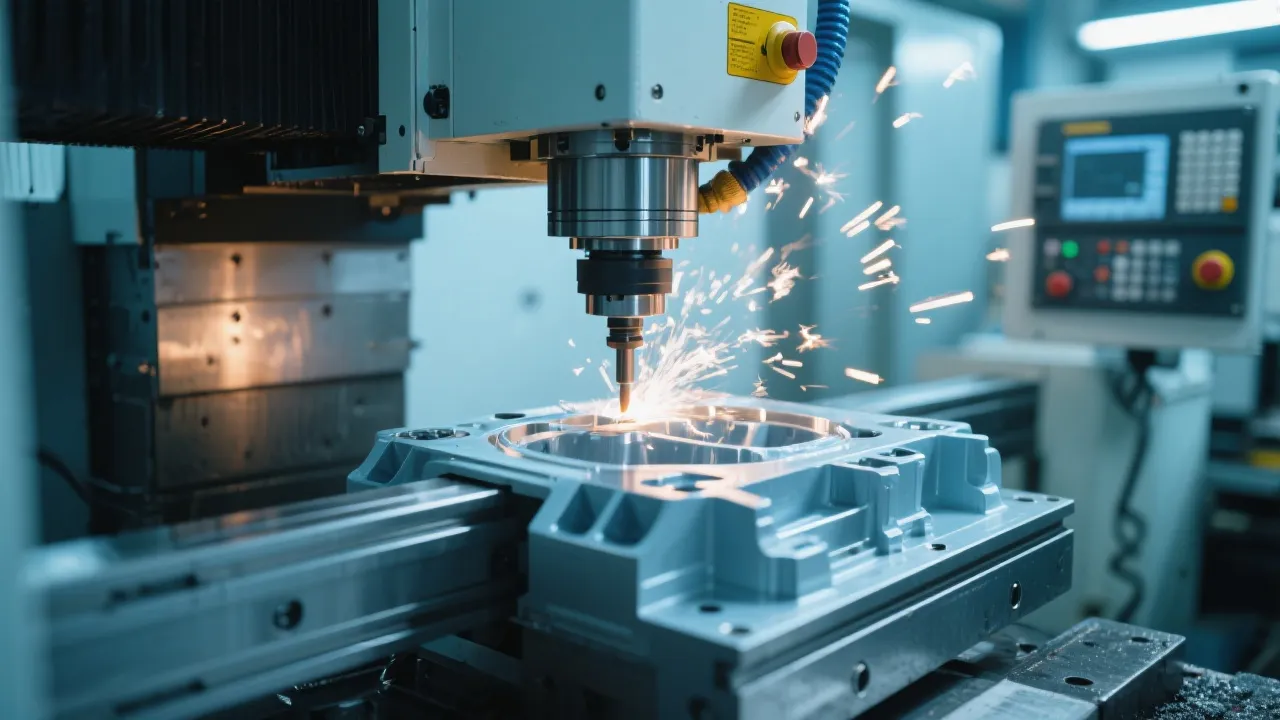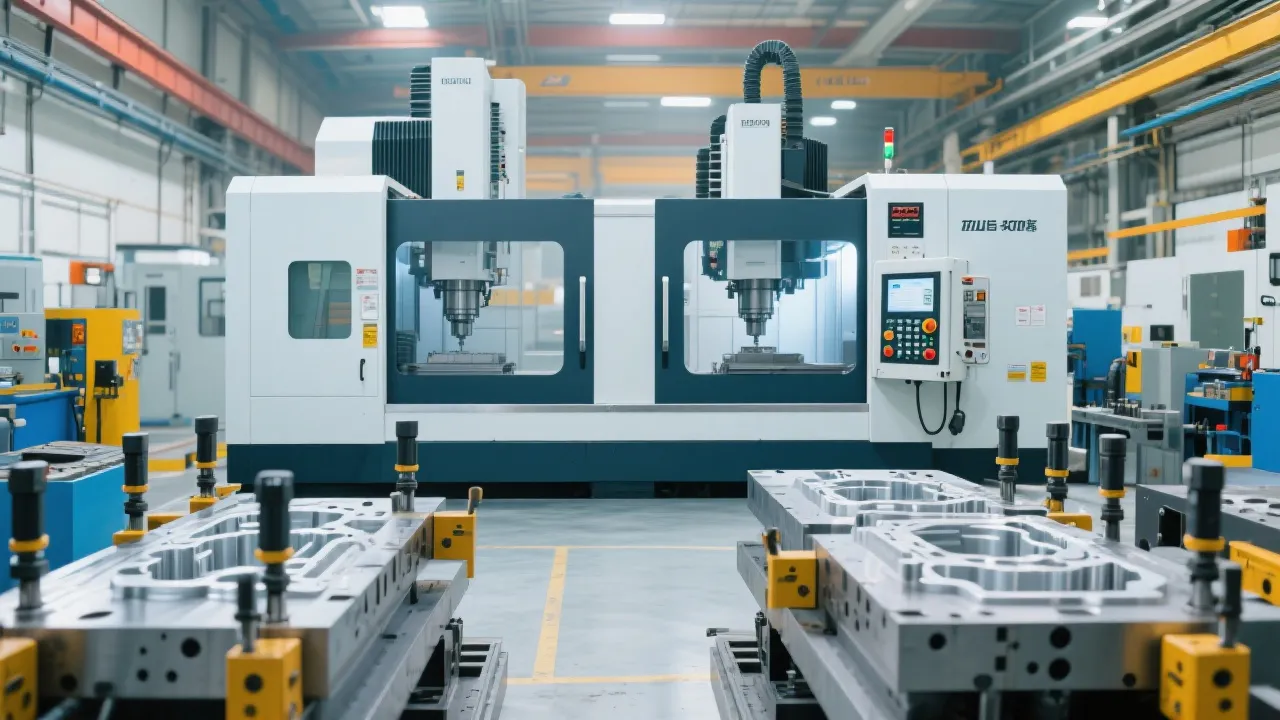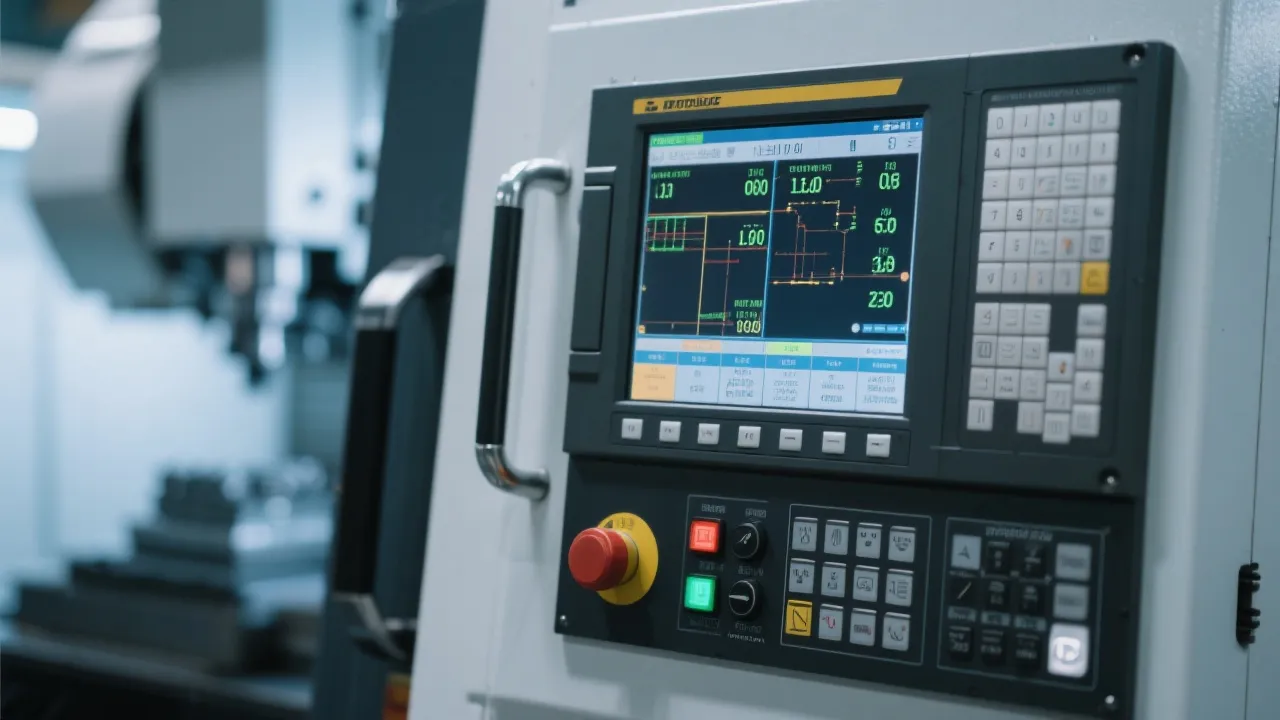
In the precision manufacturing landscape, where 0.01mm can mean the difference between success and costly rework, the structural design of CNC milling machines plays a pivotal role. While single column mills have long been industry workhorses, double column configurations are rapidly becoming the standard for complex engraving tasks that demand uncompromising accuracy and stability. Let's explore why double column CNC mills are redefining what's possible in precision engraving.
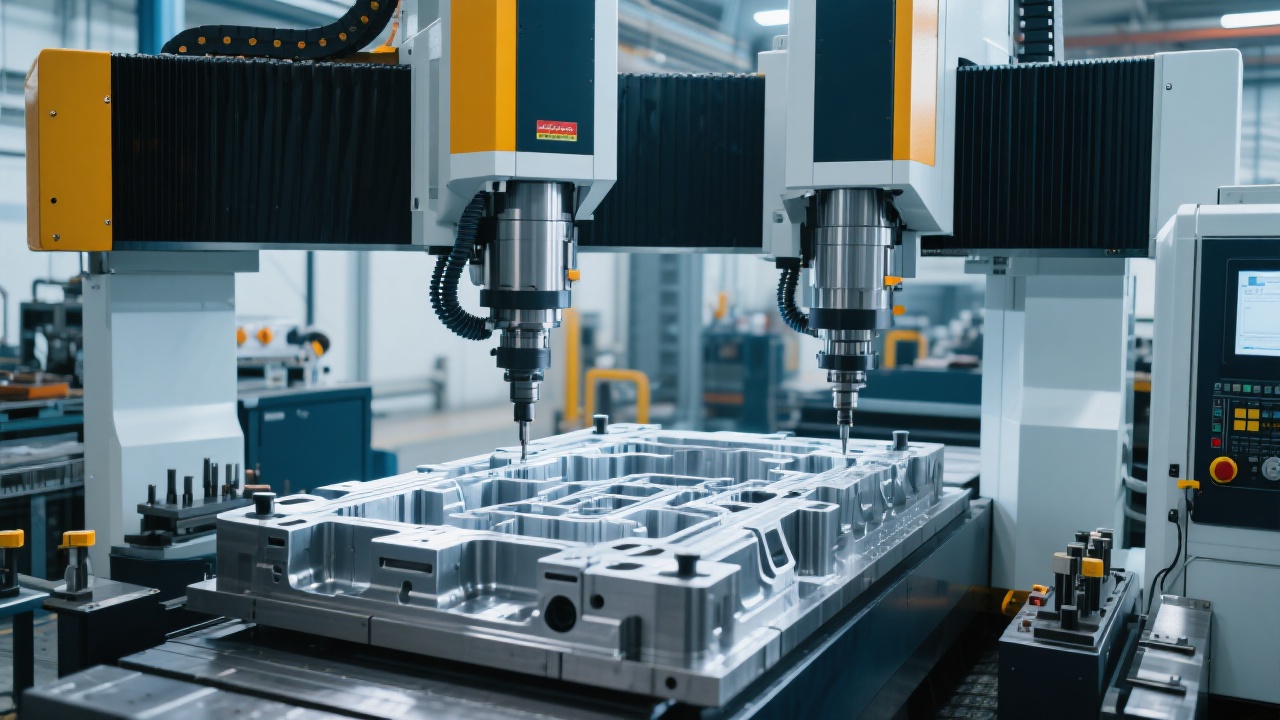
At the core of every high-performance CNC mill lies its structural integrity. Double column designs, unlike their single column counterparts, distribute mechanical stress evenly across two parallel vertical supports connected by a robust crossbeam. This architecture creates a virtual "portal" that significantly reduces deflection during heavy cutting operations.
Engineering Insight: "During high-speed engraving of hardened materials, single column machines typically exhibit 12-18% more vibration-induced deflection compared to properly designed double column systems," explains Dr. Marcus Wei, Mechanical Engineering Professor at Shanghai Jiao Tong University's Advanced Manufacturing Institute.
This reduction in deflection directly translates to measurable improvements in machining precision. In controlled tests, double column mills consistently maintain ±0.005mm positional accuracy during extended engraving operations, compared to ±0.012mm for similarly priced single column alternatives.
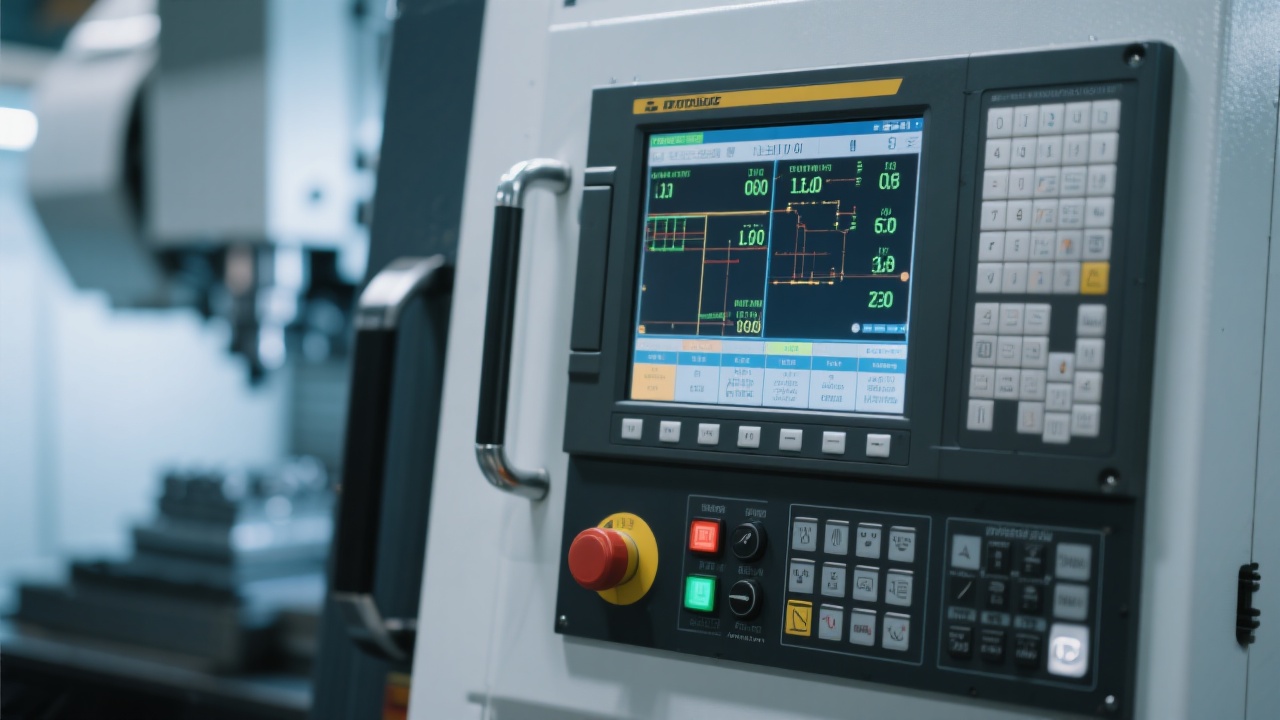
The architectural advantages of double column mills become particularly evident in specialized engraving scenarios:
Consider the case of a European architectural firm that switched to double column technology for manufacturing decorative bronze facade components. They reported a 40% reduction in post-processing time and a 27% decrease in material waste due to improved engraving accuracy.
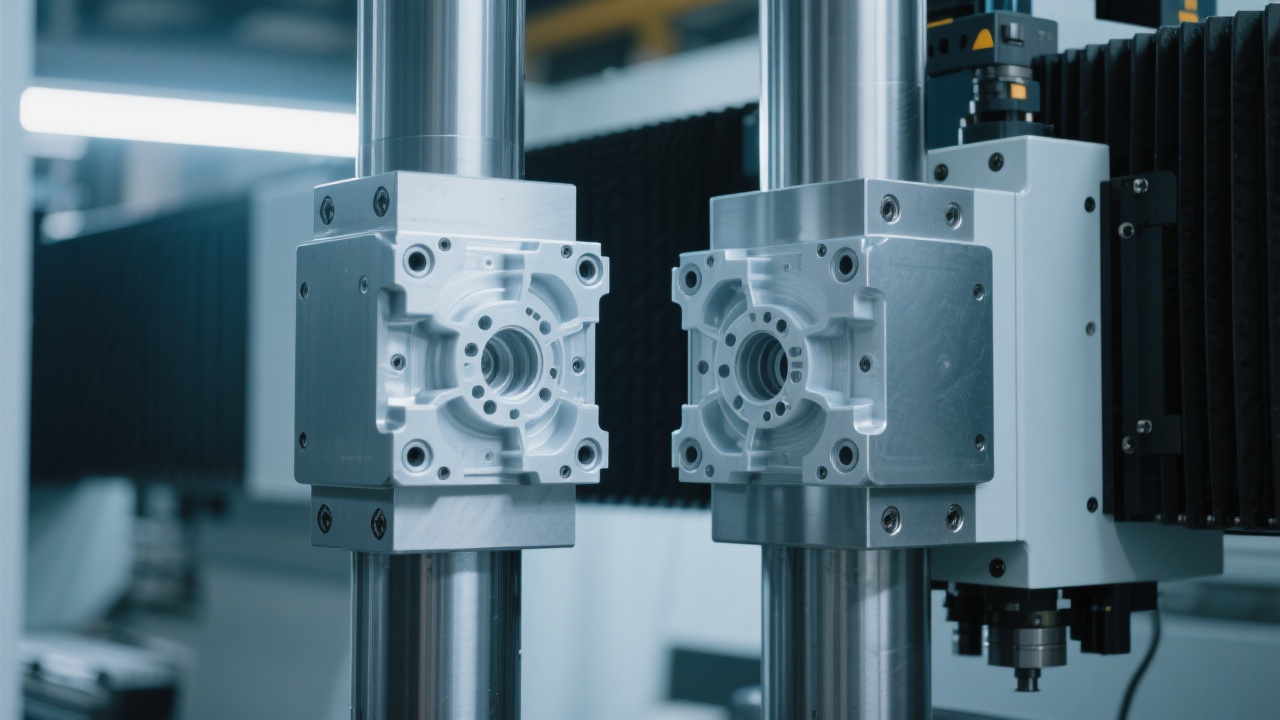
Choosing the optimal double column CNC mill involves matching machine capabilities to specific engraving requirements. Key considerations include:
| Material Type | Recommended Spindle Power | Typical Engraving Feed Rate |
|---|---|---|
| Wood/Plastic | 3.7-7.5 kW | 800-1500 mm/min |
| Aluminum Alloys | 7.5-11 kW | 500-1000 mm/min |
| Brass/Copper | 11-15 kW | 300-600 mm/min |
| Steel Alloys | 15+ kW | 150-400 mm/min |
Your雕刻任务适合哪种配置? Consider not just material type but also batch size and detail complexity. High-volume production may benefit from higher spindle power and faster tool changers, while ultra-fine detail work might prioritize spindle speed and control system responsiveness over raw power.
Despite their advantages, double column mills are often misunderstood in the industry. Let's address these misconceptions:
Misconception 1: "Double column mills are only necessary for large workpieces."
Reality: Even small, intricate parts benefit from the superior stability, especially during deep engraving or when working with hard materials where vibration causes measurable accuracy loss.
Misconception 2: "Higher precision specifications always mean better results."
Reality: Static precision ratings tell only part of the story. Dynamic performance during actual cutting is far more indicative of real-world results – an area where double column designs consistently outperform.
Misconception 3: "Double column machines require significantly more floor space."
Reality: Modern compact double column designs offer similar footprint to conventional machines while providing 30-40% greater work envelope utilization.
To ensure your double column CNC mill maintains optimal performance for years to come, implement these maintenance practices:
By following these guidelines, manufacturers typically extend the precision lifespan of their equipment by 30-50% compared to reactive maintenance approaches.
Discover how 凯博数控 double column CNC mills can eliminate accuracy issues, reduce rework costs, and elevate your production quality.
Find Your Perfect Double Column CNC SolutionInvesting in the right CNC technology isn't just about acquiring a machine – it's about securing your competitive advantage in an increasingly demanding manufacturing landscape. With double column architecture, you're not just buying precision; you're investing in process reliability that translates directly to bottom-line results.