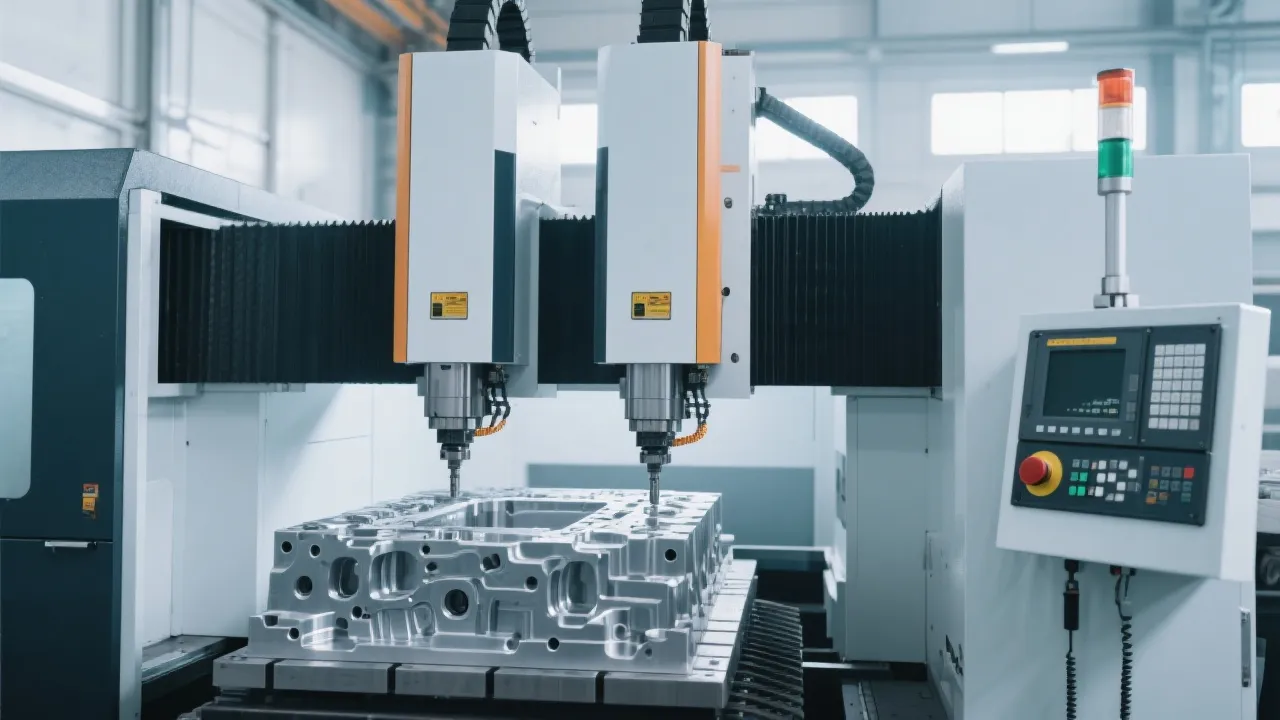
In the realm of precision manufacturing, where every micron matters, the structural integrity of your CNC equipment directly impacts production outcomes. For businesses specializing in complex component engraving—whether for architectural decorations, artistic models, or industrial molds—the choice between single-column and double-column CNC milling machines can mean the difference between consistent quality and costly rework. This analysis explores why double-column CNC milling machines have become the gold standard for high-precision, vibration-sensitive applications.
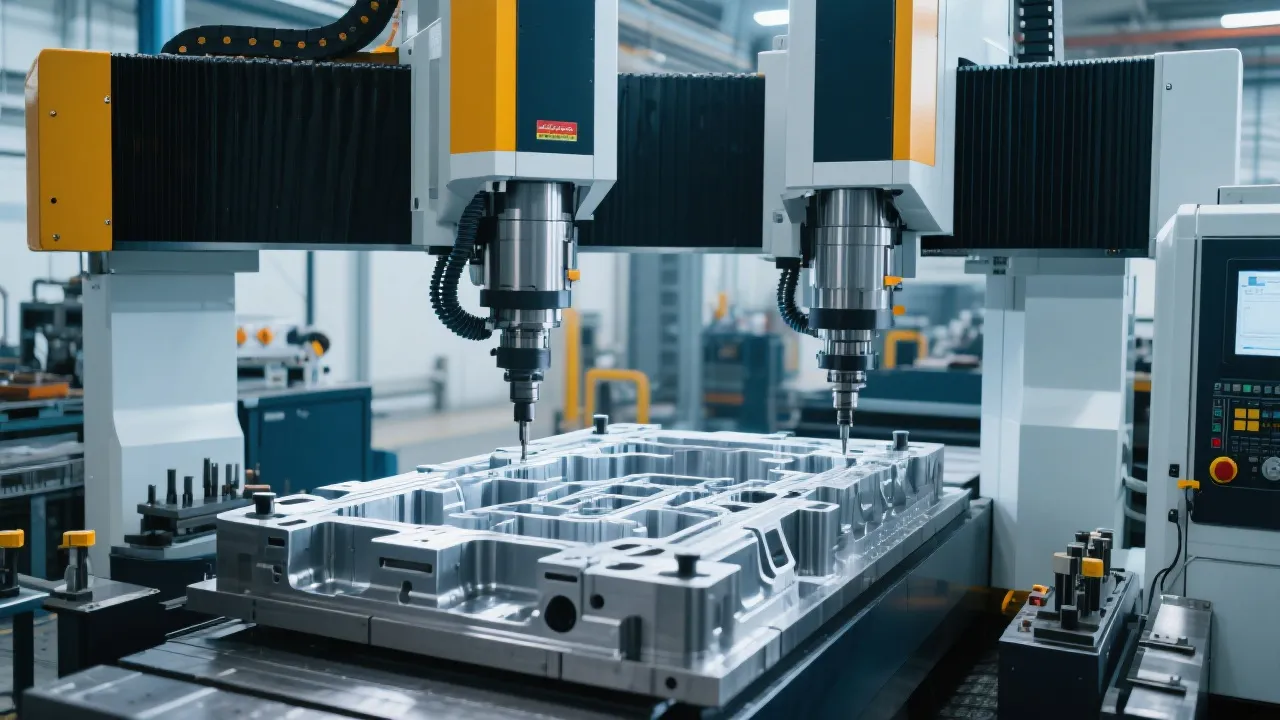
Mechanical rigidity serves as the foundation for machining accuracy. Double-column designs, characterized by their symmetrical gantry structure, distribute mechanical stress more evenly across the machine frame compared to traditional single-column configurations. Engineering tests show that double-column systems typically exhibit 30-40% higher torsional rigidity, a critical factor when working with hard materials like titanium alloys or high-strength steels.
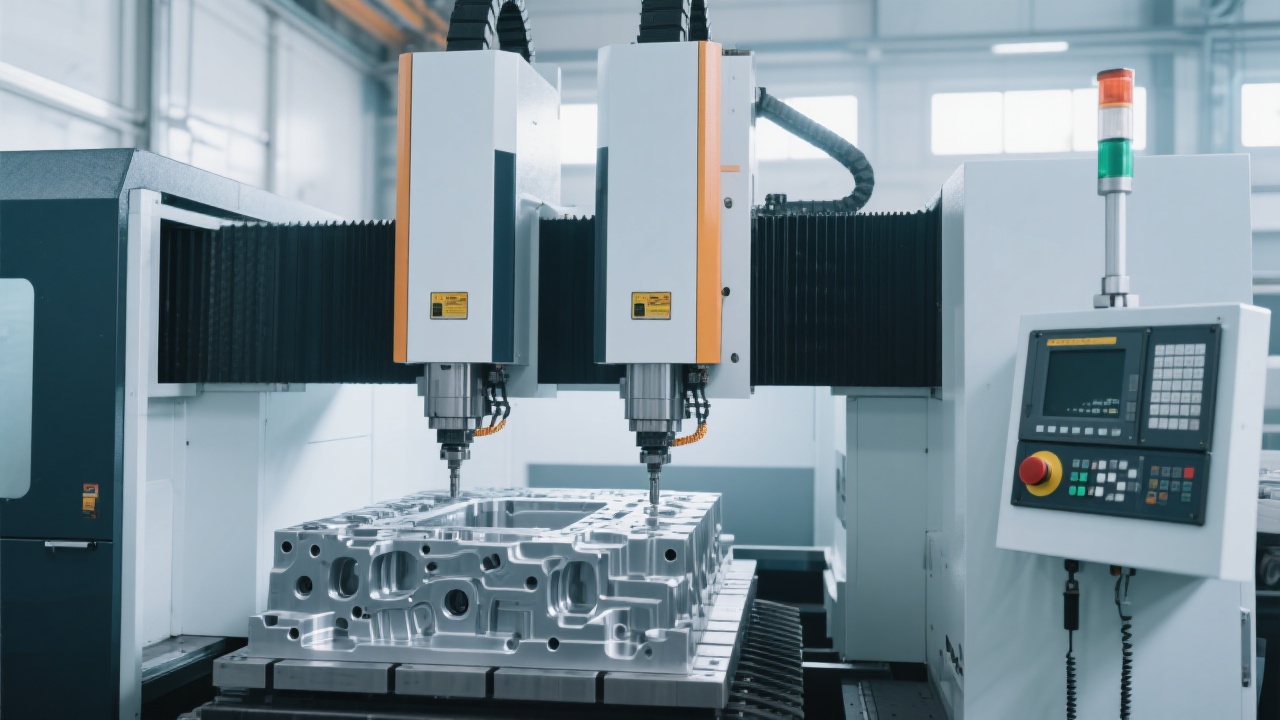
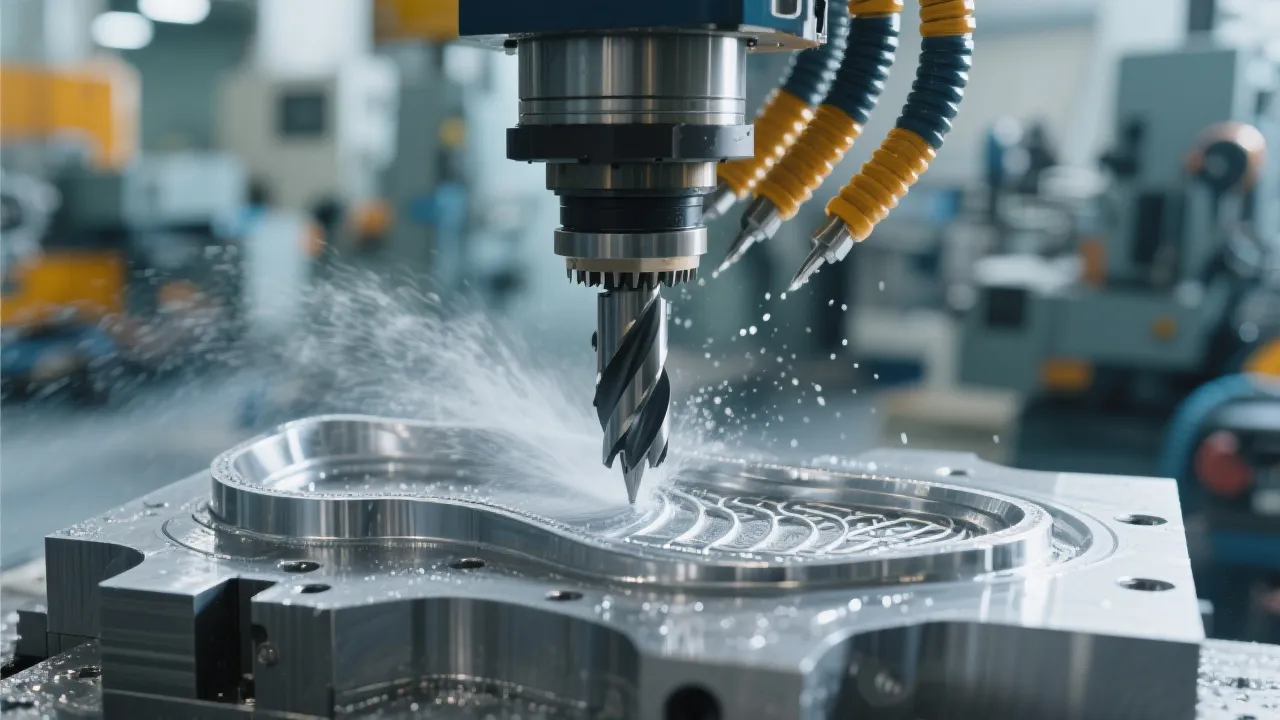
Uncontrolled vibration remains one of the most significant barriers to achieving micron-level precision in complex engraving. During high-speed machining, even minute vibrations can cause surface finish defects, dimensional inaccuracies, and accelerated tool wear. Double-column designs address this challenge through multiple mechanisms:
| Performance Aspect | Double-Column Design | Single-Column Design |
|---|---|---|
| Vibration Amplitude (μm) | 3-5 μm | 8-12 μm |
| Resonance Frequency | >250 Hz | 120-180 Hz |
| Tool Life Improvement | 30-40% | Baseline |
| Surface Finish (Ra) | 0.4-0.8 μm | 1.2-1.6 μm |
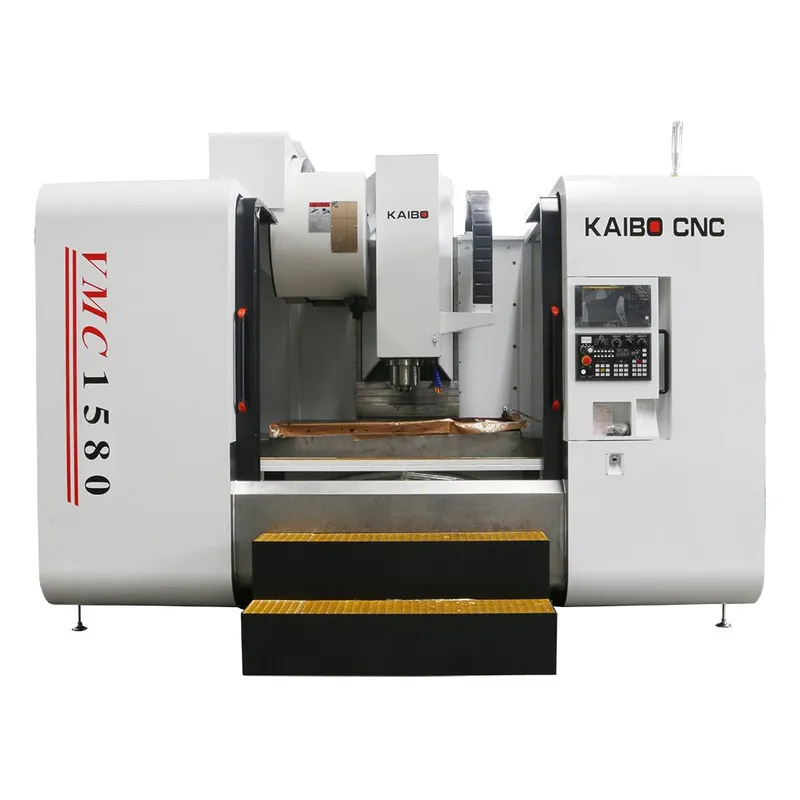
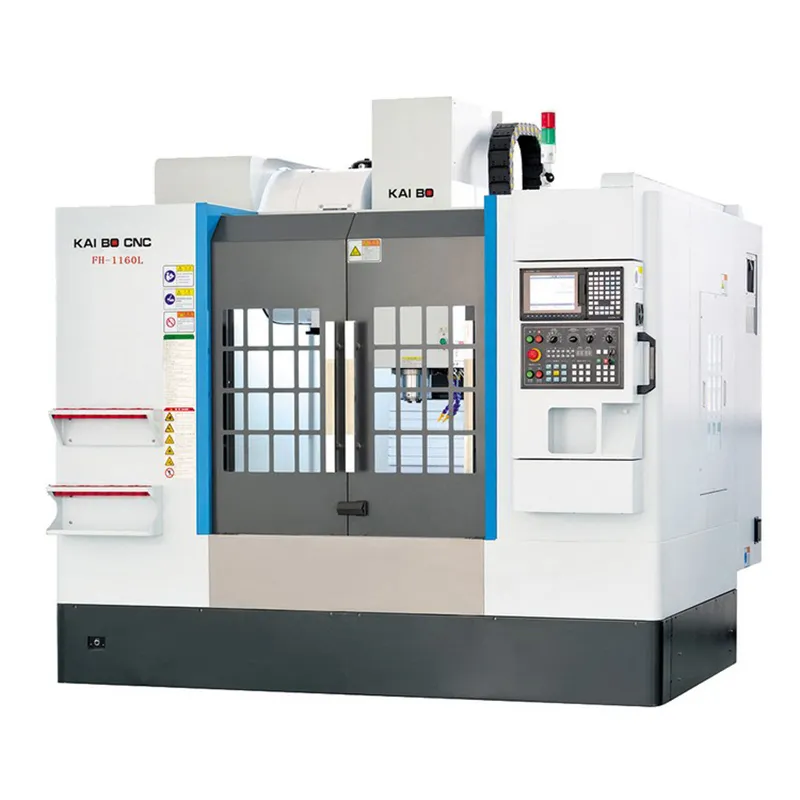
Modern double-column machines like those from 凯博数控 (Kaibo CNC) incorporate advanced vibration damping technologies, including reinforced cast iron structures and optimized guideway configurations. These innovations allow for consistent precision even during extended machining cycles, a crucial advantage for complex雕刻 (engraving) projects requiring hours of continuous operation.
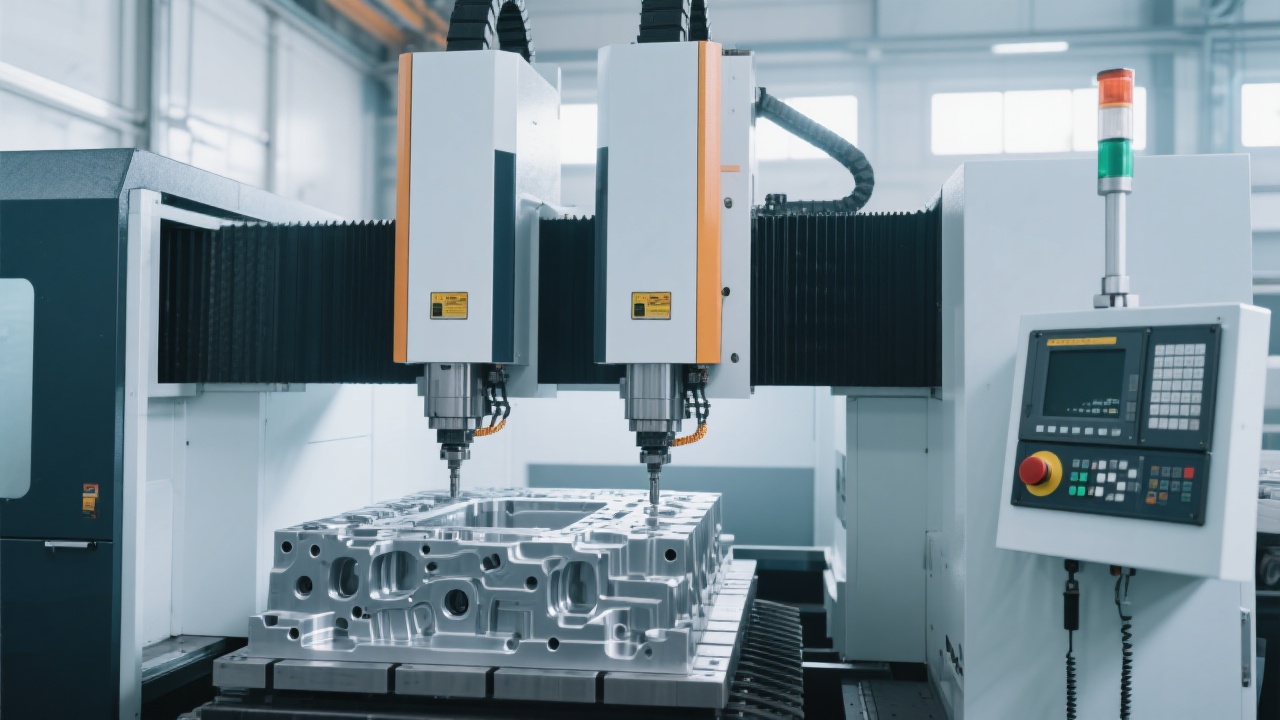
The true value of double-column CNC milling machines becomes most apparent in real-world applications demanding both precision and stability. Architectural component manufacturers, for instance, rely on these machines to produce intricate decorative elements with consistent quality across production runs. Similarly, artistic model makers benefit from the enhanced surface finish capabilities when working with diverse materials.
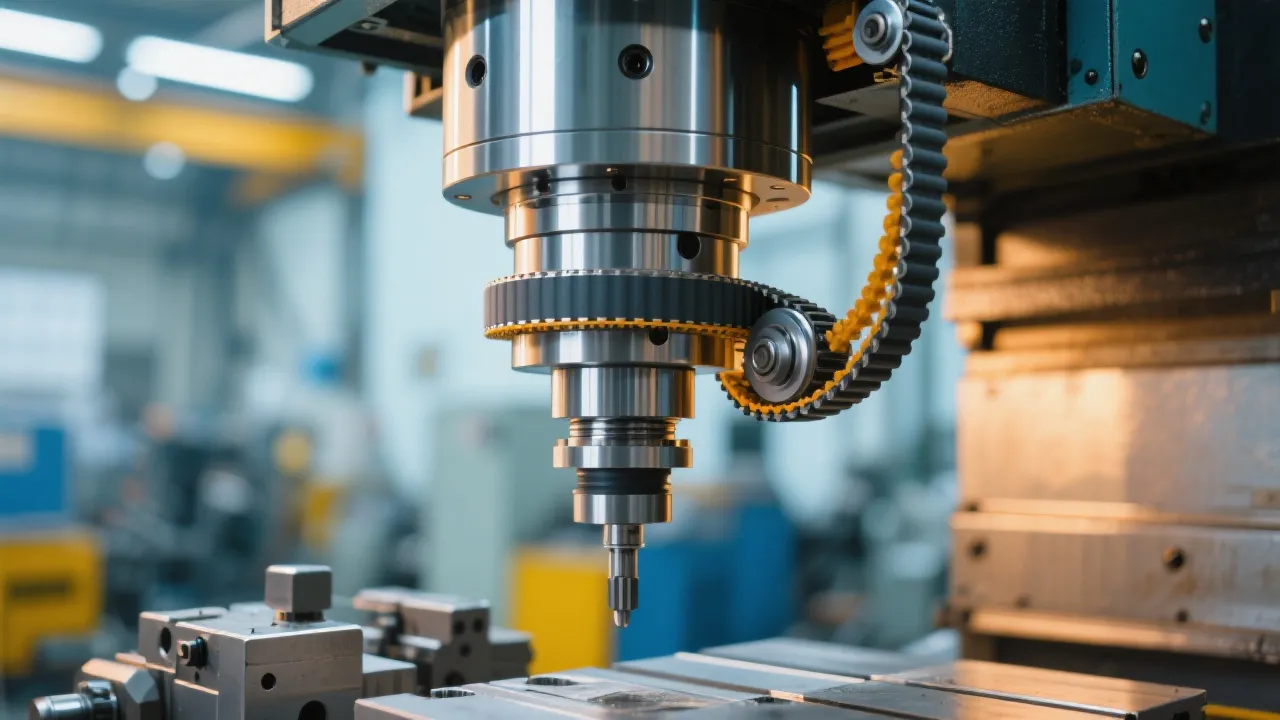
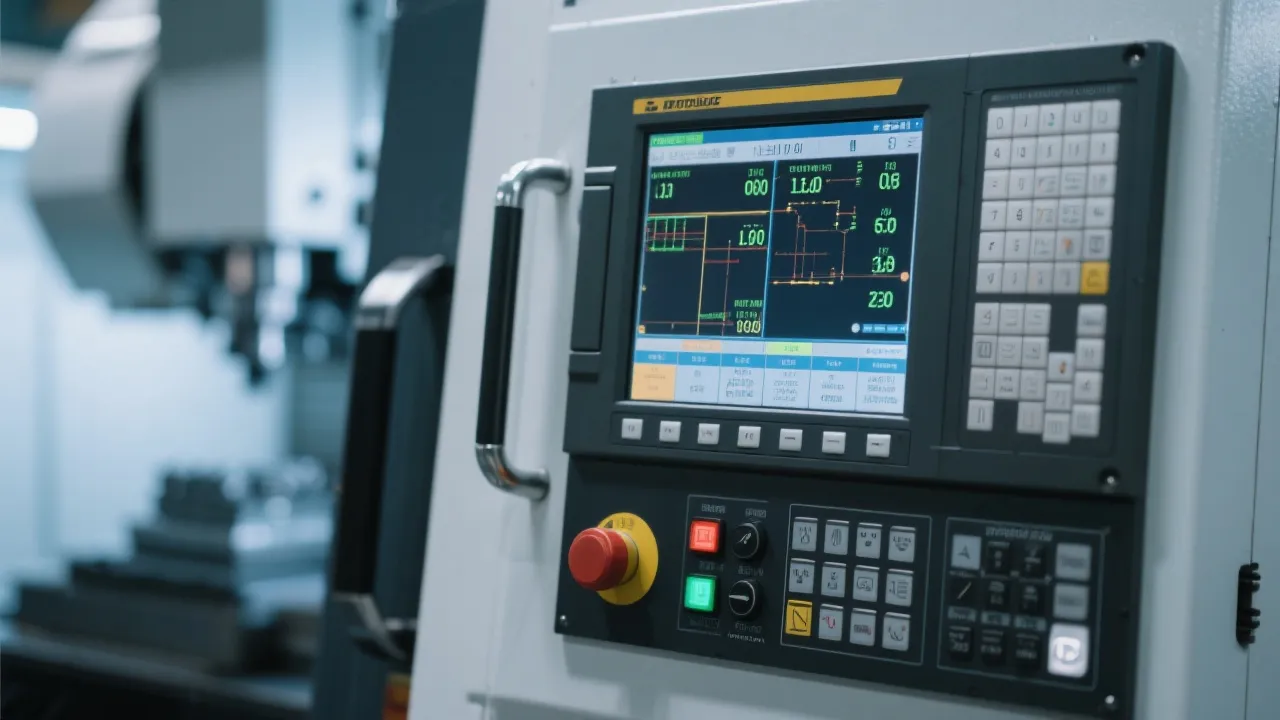
While the double-column structure provides the foundation for superior performance, optimal results require careful consideration of complementary components. Spindle selection, for example, should align with material requirements—typically 10-15kW spindles for aluminum alloys and 15-22kW for steel applications. Control systems from leading manufacturers like Siemens or Fanuc further enhance precision through advanced motion control algorithms.
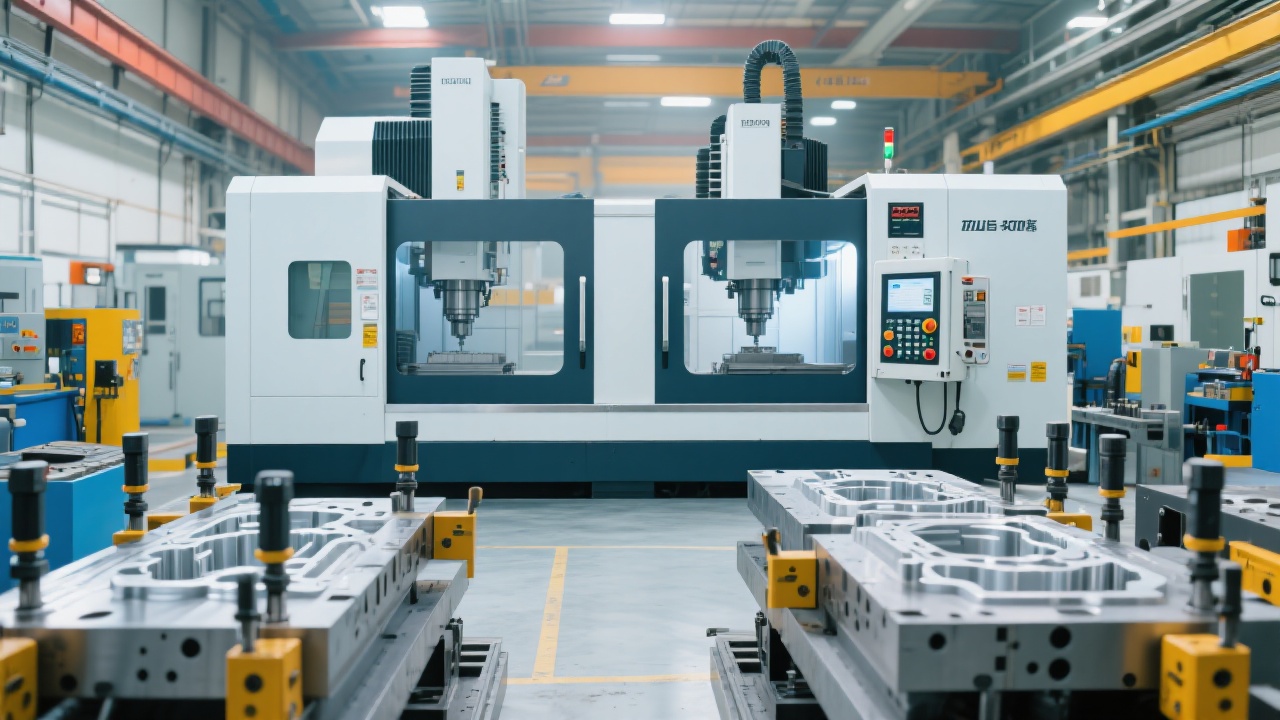
Maintenance practices also play a vital role in preserving performance. Regular guideway lubrication, spindle balancing checks, and structural alignment verification should be scheduled at least quarterly. Neglecting these maintenance steps can gradually erode the precision advantages offered by double-column designs.
Choosing the right double-column CNC milling machine can significantly提升加工稳定性 (improve machining stability) and product quality while avoiding productivity and quality risks associated with improper equipment selection.
Download Our Comprehensive CNC Milling Machine Selection GuideManufacturers across industries are discovering that the initial investment in a quality double-column CNC milling machine translates to long-term gains in efficiency, product quality, and competitive advantage. By prioritizing structural rigidity and vibration control, businesses can tackle the most demanding雕刻 (engraving) challenges with confidence and consistency.