Are you struggling with low milling efficiency or inconsistent precision when processing ductile iron molds? You're not alone. Many manufacturers face these challenges due to mismatched CNC machine parameters and material-specific demands. In this guide—drawn from over 25 years of experience at Kebao CNC—we’ll walk through how to select the right milling machine based on structural rigidity, axis configuration, and real-world performance metrics.
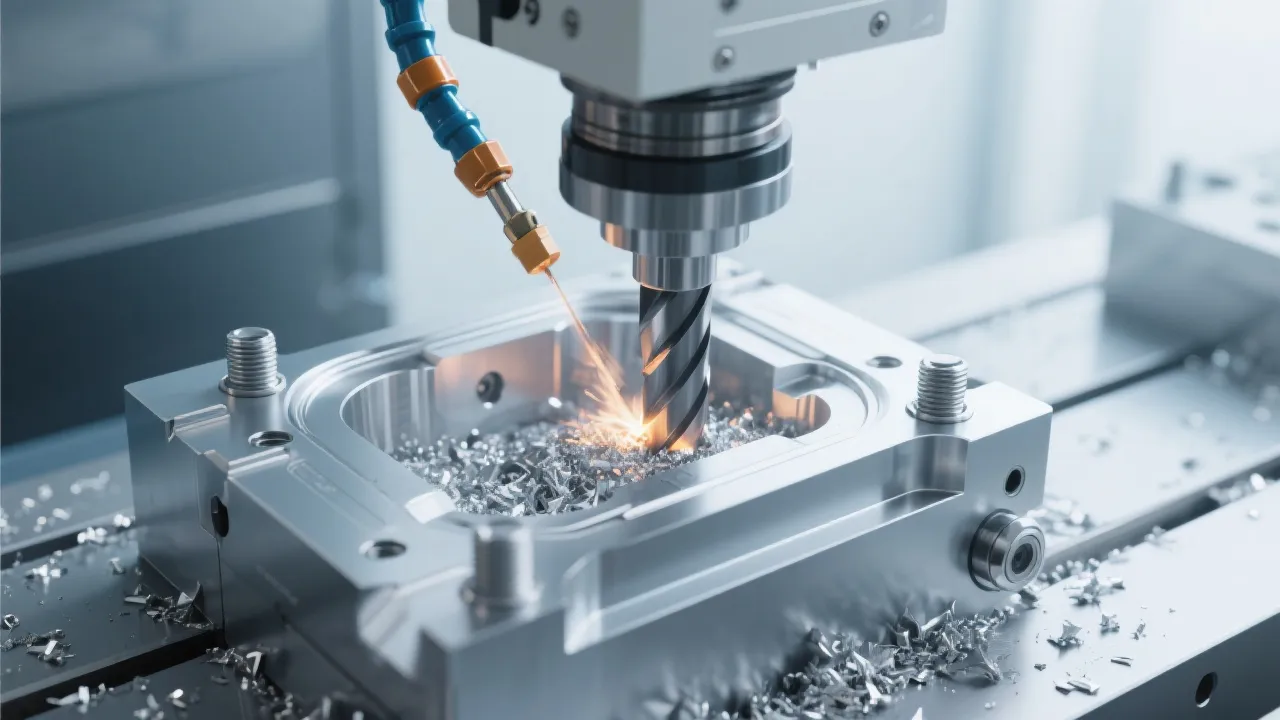
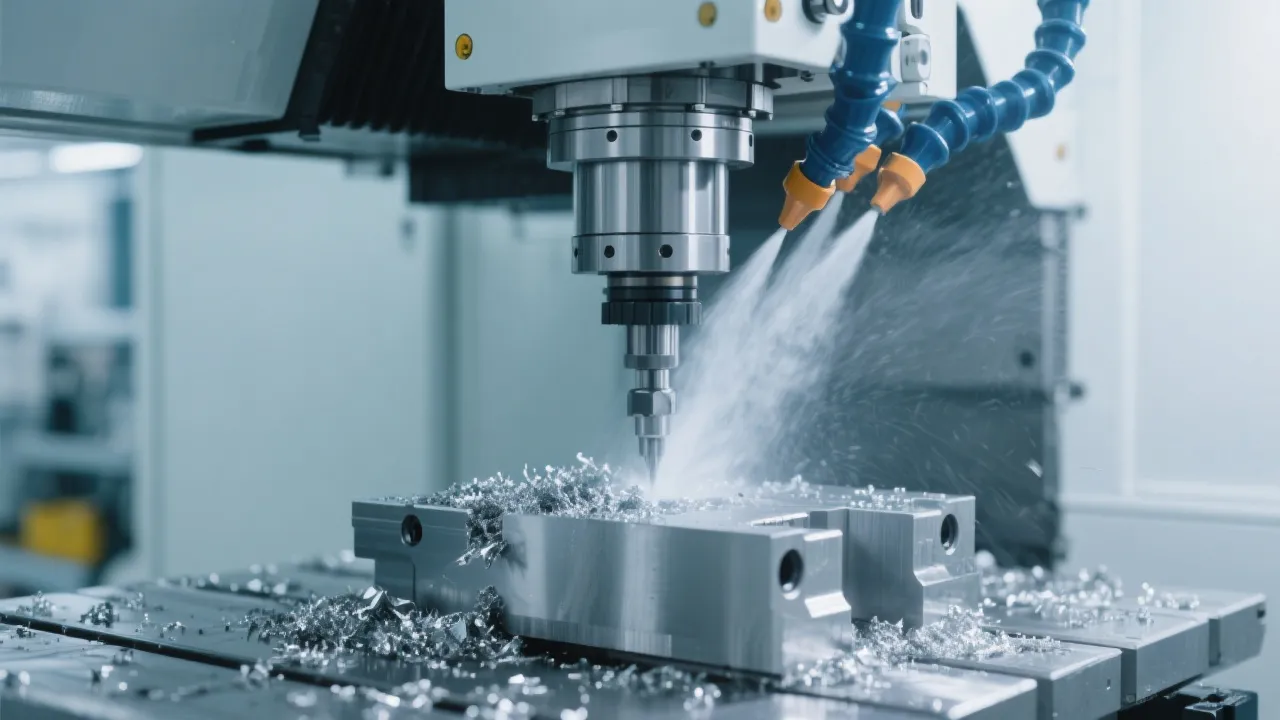
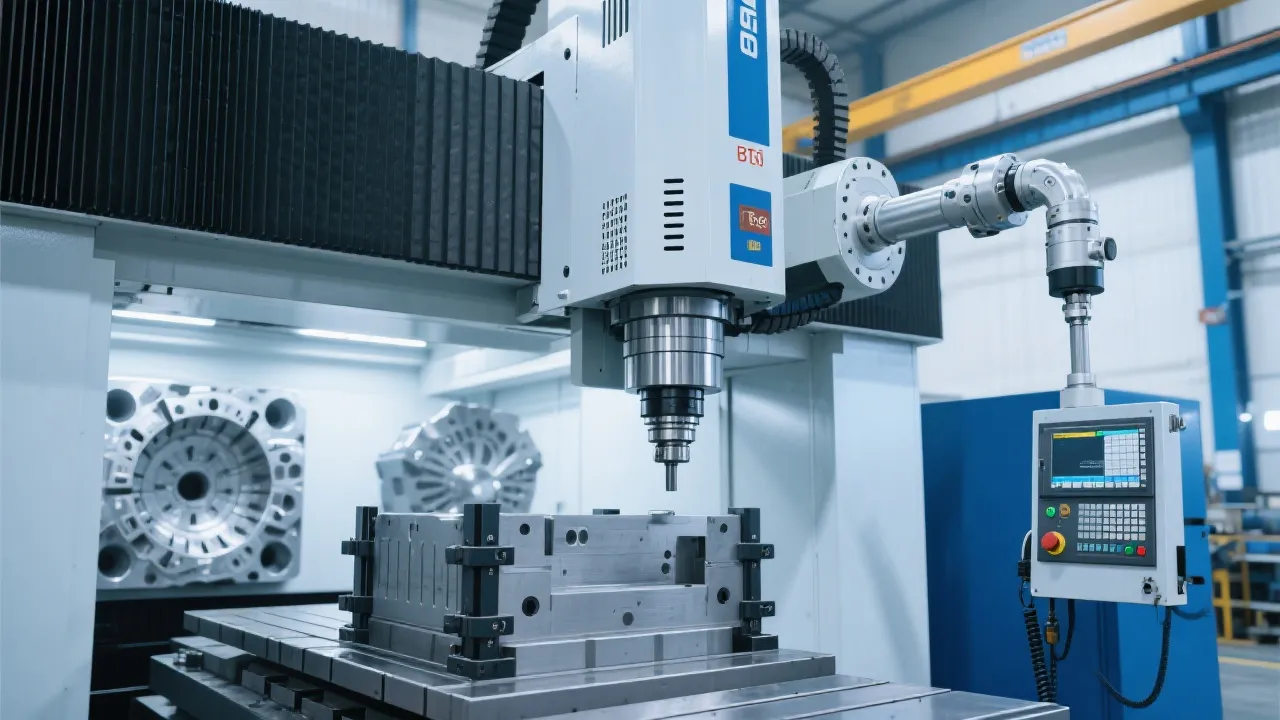
When machining ductile iron—a material known for its high strength and variable hardness—the stability of your CNC mill directly impacts surface finish, tool life, and cycle time. For example, a study conducted by our engineering team found that moving bridge-style machines (like the Kebao DC1113) can reduce vibration-induced errors by up to 40% compared to traditional gantry designs under similar load conditions.
| Machine Type | Max Vibration Reduction | Ideal For |
|---|---|---|
| Fixed Column | ~25% | High-precision mold work |
| Moving Bridge | ~40% | Heavy-duty ductile iron parts |
| Traditional Gantry | ~15% | Low-volume production |
“After switching to a Kebao DC1113 with fixed-column design, our mold machining accuracy improved from ±0.05mm to ±0.02mm. That’s a game-changer for our die-casting clients.” — Li Wei, R&D Manager, Zhejiang Huaxin Molds
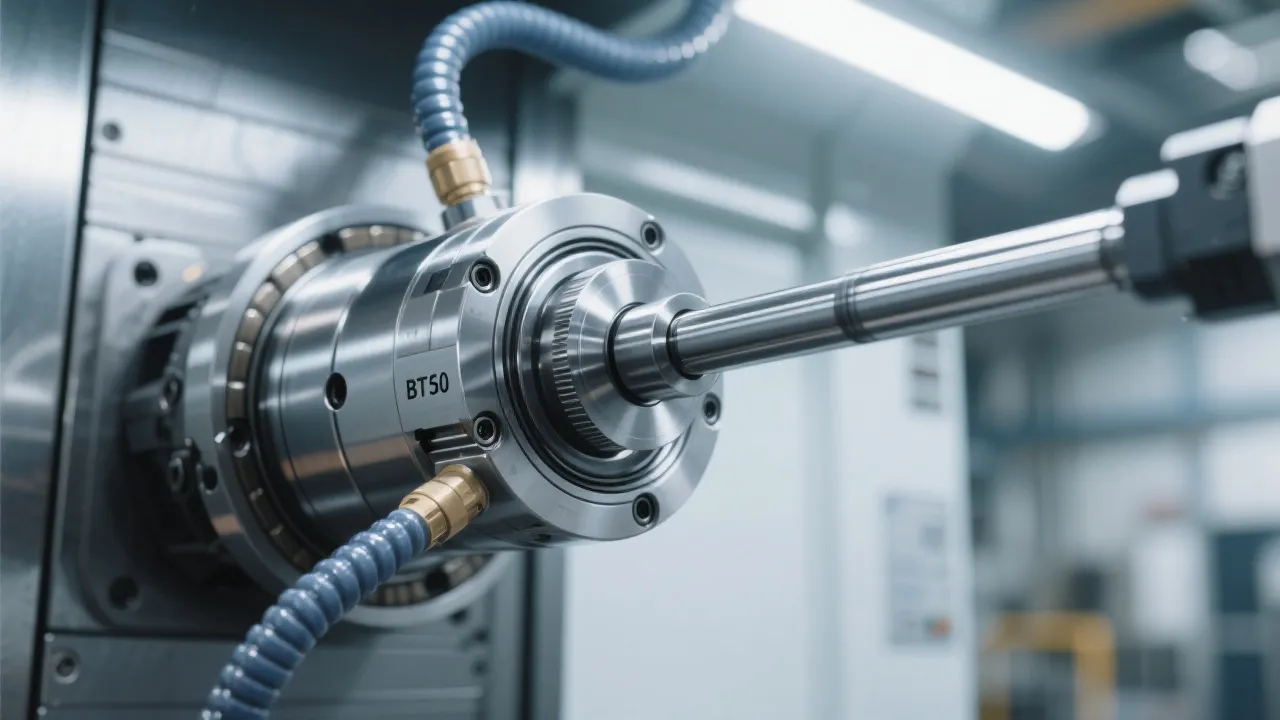
Many buyers focus only on spindle power or price—but ignore critical factors like positioning repeatability and linear guide type. Think of repeatable positioning like how consistently a door closes—it must be exact every time, or your part will vary. At Kebao, we recommend testing three key indicators before purchase:
These aren’t just theoretical checks—they’re proven methods used by global customers like those in Germany, the UAE, and North America who rely on consistent output for automotive and aerospace components.
Download our free “CNC Milling Readiness Checklist”—a practical tool used by over 120 manufacturing teams worldwide. It includes sample test results, supplier evaluation criteria, and tips for negotiating with vendors.
Get Your Free Checklist NowWhether you're a technical lead evaluating new equipment or a procurement manager seeking long-term ROI, understanding these fundamentals ensures smarter decisions—and fewer headaches down the line.