Iron mold manufacturing enterprises often face numerous challenges when selecting CNC milling machines. Issues such as inaccurate positioning, low processing efficiency, and poor adaptability to different cast iron materials can significantly affect the quality and productivity of iron mold production. For example, a positioning accuracy error of more than ±0.05mm can lead to defective iron molds, resulting in increased production costs.
Positioning accuracy is a crucial factor in iron mold milling. A high - precision CNC milling machine should have a positioning accuracy of ±0.02mm or higher. This ensures that the milling process can accurately reach the specified position, reducing errors and improving the quality of iron molds.
The spindle power determines the cutting ability of the milling machine. For iron mold manufacturing, a spindle power of at least 15kW is recommended to ensure efficient cutting of cast iron materials.
The guide rail material affects the stability and durability of the milling machine. Linear guide rails made of high - quality alloy steel can provide better precision and smooth operation, with a service life of up to 10 years under normal use conditions.
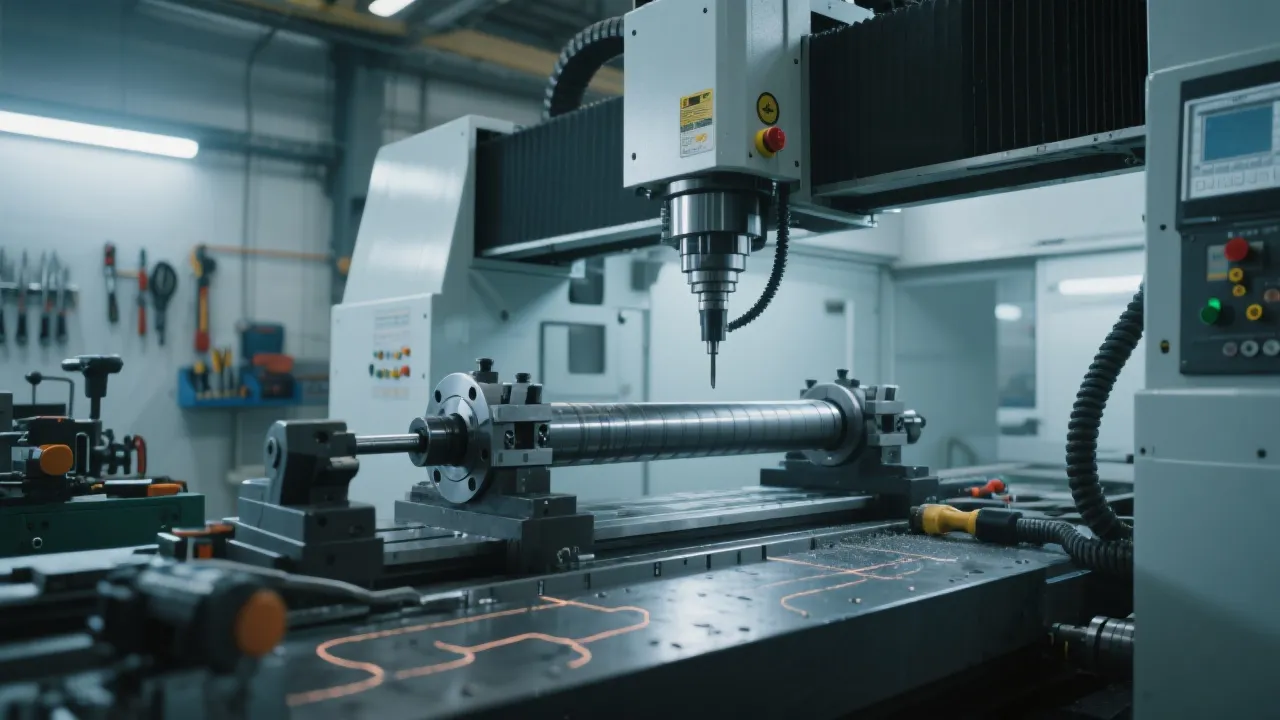
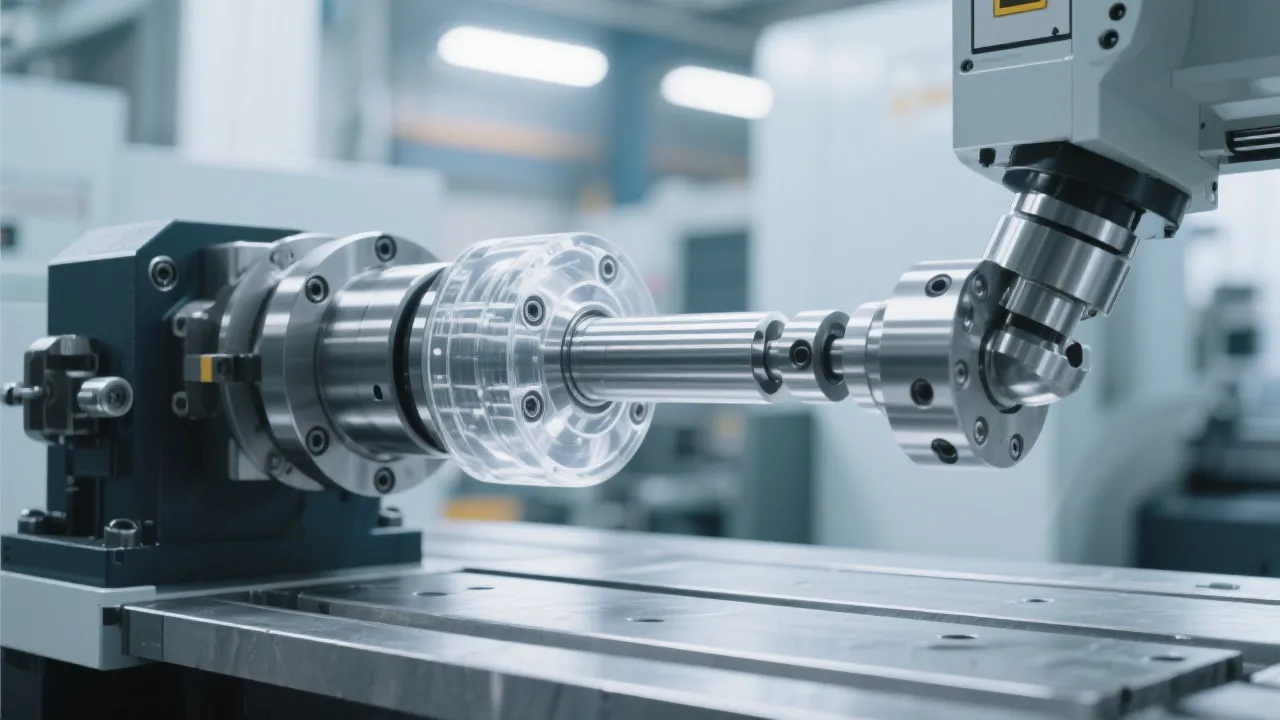
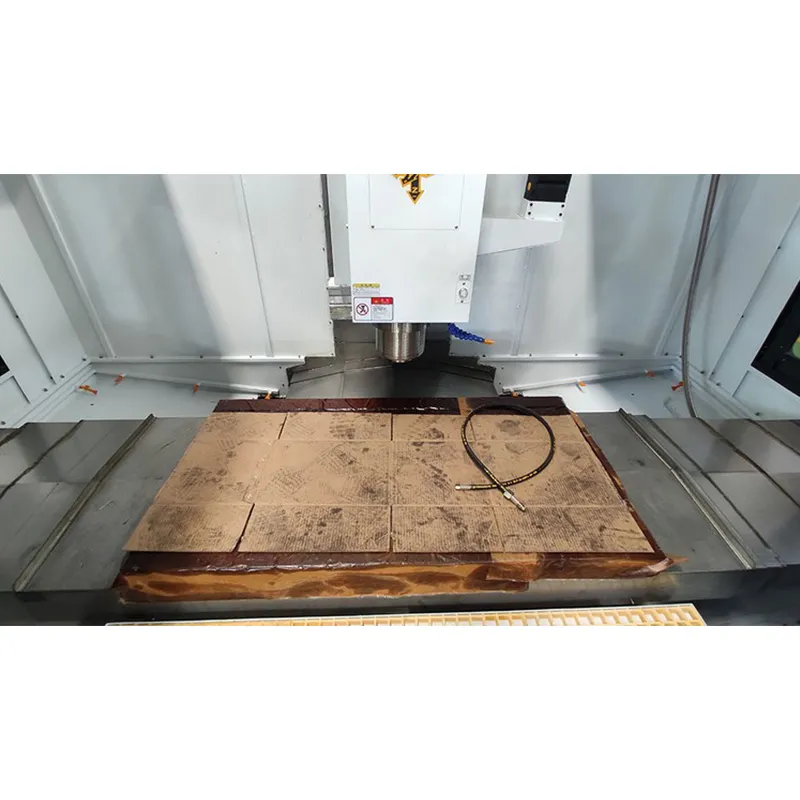
The DC1113 double - column CNC milling machine features a fixed beam + moving bridge + rotating worktable structure. The high - rigidity moving bridge structure provides excellent stability during the milling process. The 4/5 - axis rotating worktable offers multi - angle processing flexibility, allowing for complex iron mold shapes to be milled. This structure is especially suitable for iron mold manufacturing, as it can meet the requirements of different processing angles and improve production efficiency.
| Cast Iron Material | Hardness | Equipment Performance Requirements | Countermeasures |
|---|---|---|---|
| Grey Cast Iron | HB150 - 250 | Good cutting performance, medium spindle power | Use carbide cutting tools, adjust cutting parameters |
| Ductile Cast Iron | HB200 - 300 | High - strength cutting ability, high spindle power | Select high - performance cutting tools, increase spindle power |
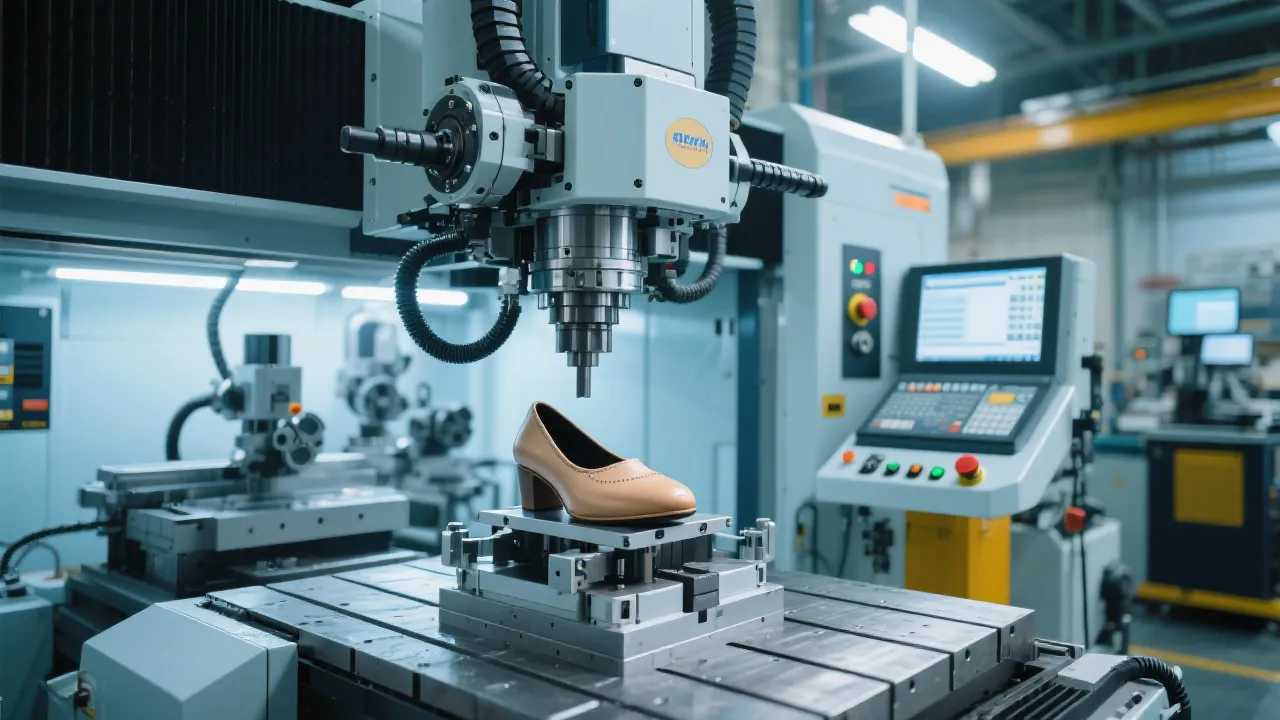
Before purchasing a CNC milling machine, it is necessary to conduct a trial - cutting test. First, select a representative iron mold sample and set the appropriate cutting parameters. Observe the cutting process, including the smoothness of the cutting surface, the chip shape, and the stability of the machine. If the cutting surface is rough or the chips are abnormal, it indicates that the machine may have problems. Additionally, pay attention to the repeatability of the trial - cutting to ensure the stability of the machine's performance.
With 25 years of industry experience, Kaibo CNC has accumulated a wealth of practical cases in the export market. Many customers have reported that after using the DC1113 double - column CNC milling machine, the quality and efficiency of their iron mold production have been significantly improved. For example, a customer in Europe reduced their defective rate by 30% and increased production efficiency by 20% after replacing their old milling machine with the DC1113.
You've read about the many benefits of the DC1113 double - column CNC milling machine. But have you ever encountered any iron mold processing problems? Share your experiences in the comments section below! Based on 25 years of industry experience, we're here to help you avoid pitfalls and choose the right equipment. Selecting the DC1113 means choosing a reliable and high - quality machine. Click here to learn more about the DC1113 and take the first step towards a more efficient iron mold production line!