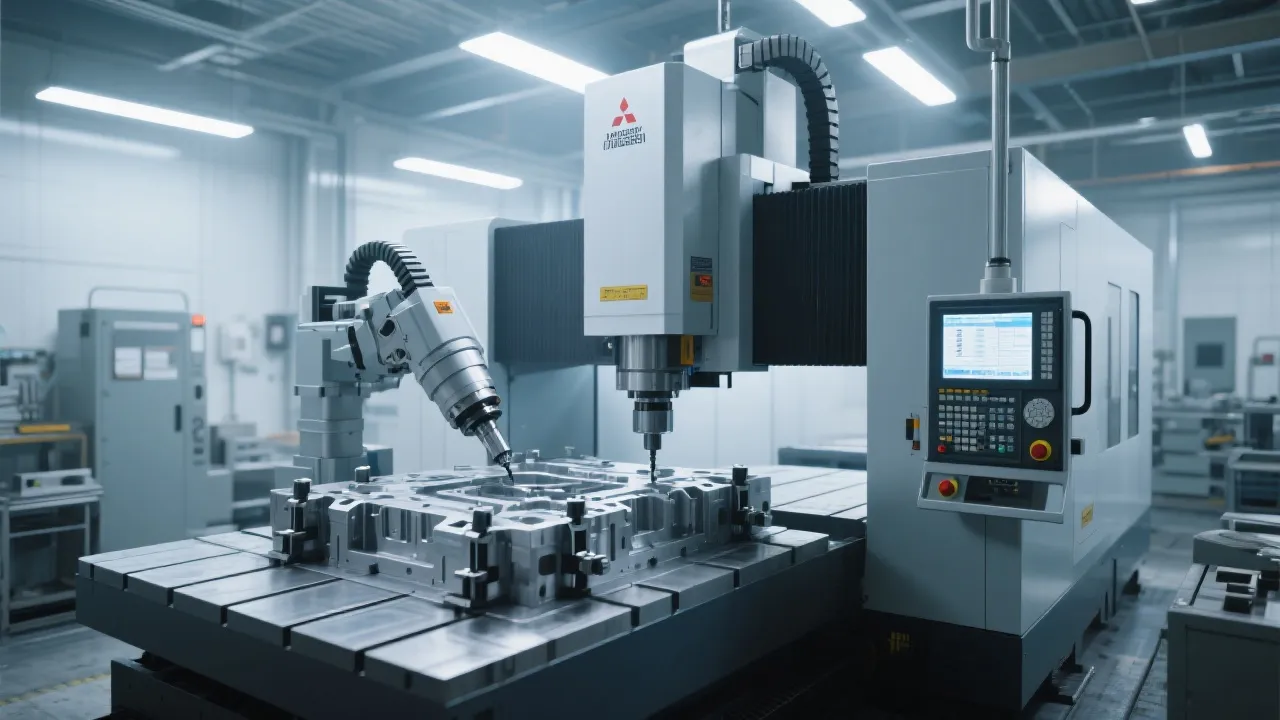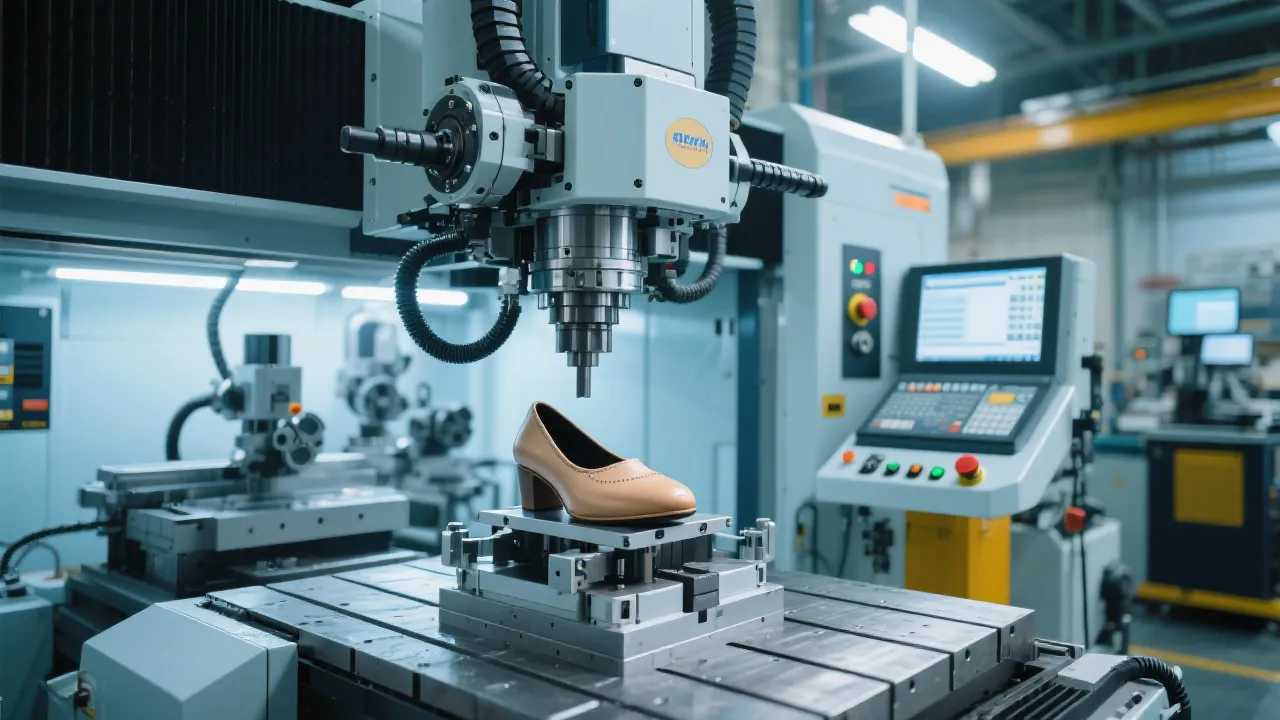
In an era where precision, speed, and consistency define competitive advantage in footwear manufacturing, the shift toward 5-axis CNC milling machines is no longer optional—it’s essential. Industry leaders from Vietnam to Italy are adopting this technology not just for innovation, but for measurable gains in production efficiency, product quality, and operational flexibility.
Shoe mold makers face three critical challenges:
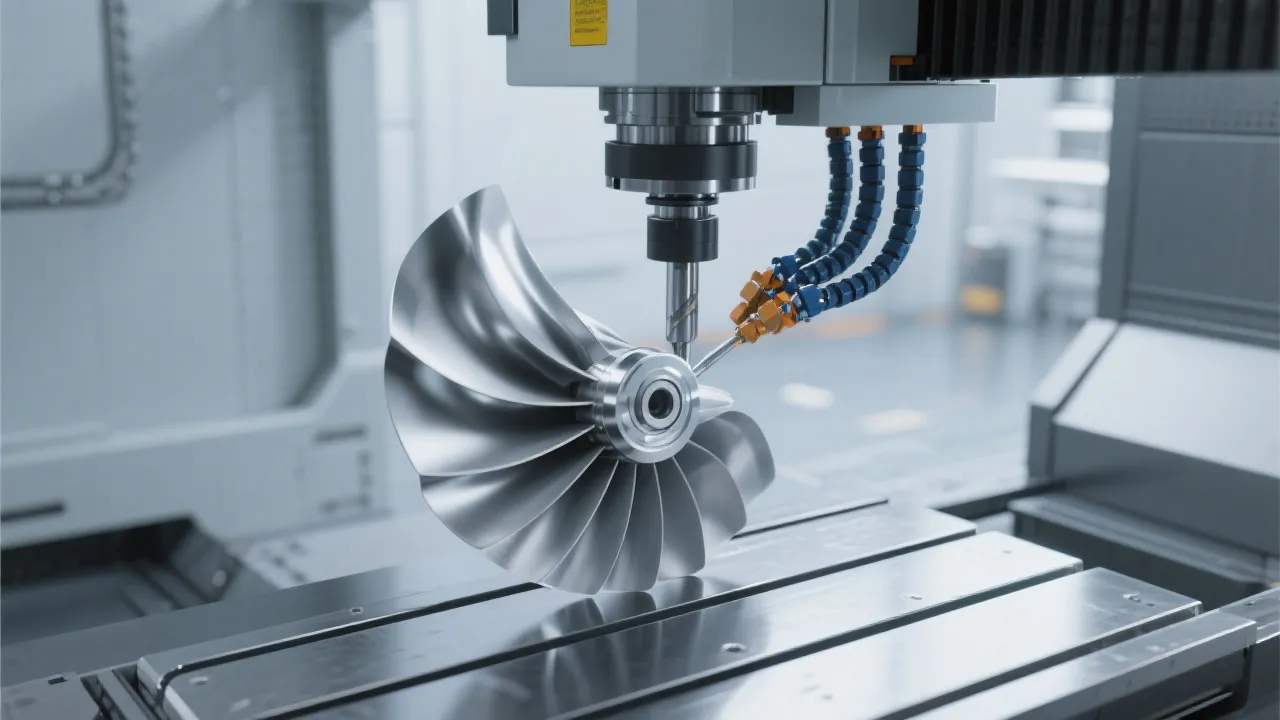
Enter the 5-axis solution: with its ability to rotate both the spindle and the workpiece simultaneously, it enables continuous, uninterrupted machining—reducing setup time by up to 60% compared to conventional methods, according to a 2023 study by the International Footwear Technology Association (IFTA).
Let’s break down what makes 5-axis CNC truly transformative:
| Feature | Impact on Production |
|---|---|
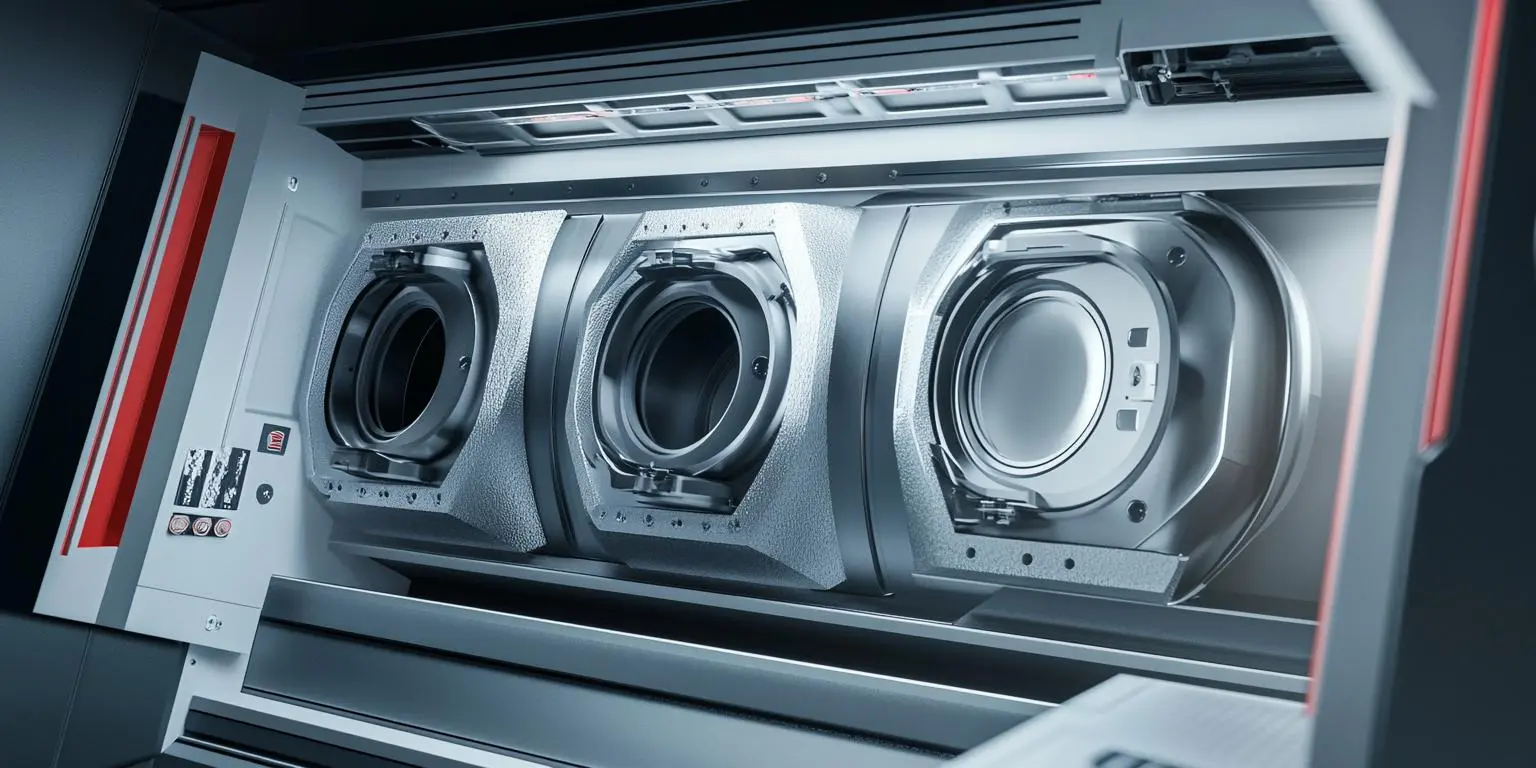
| Rotary Table Integration | Reduces fixture changes from 3+ to 1 per part — saving 15–25 mins per cycle. |
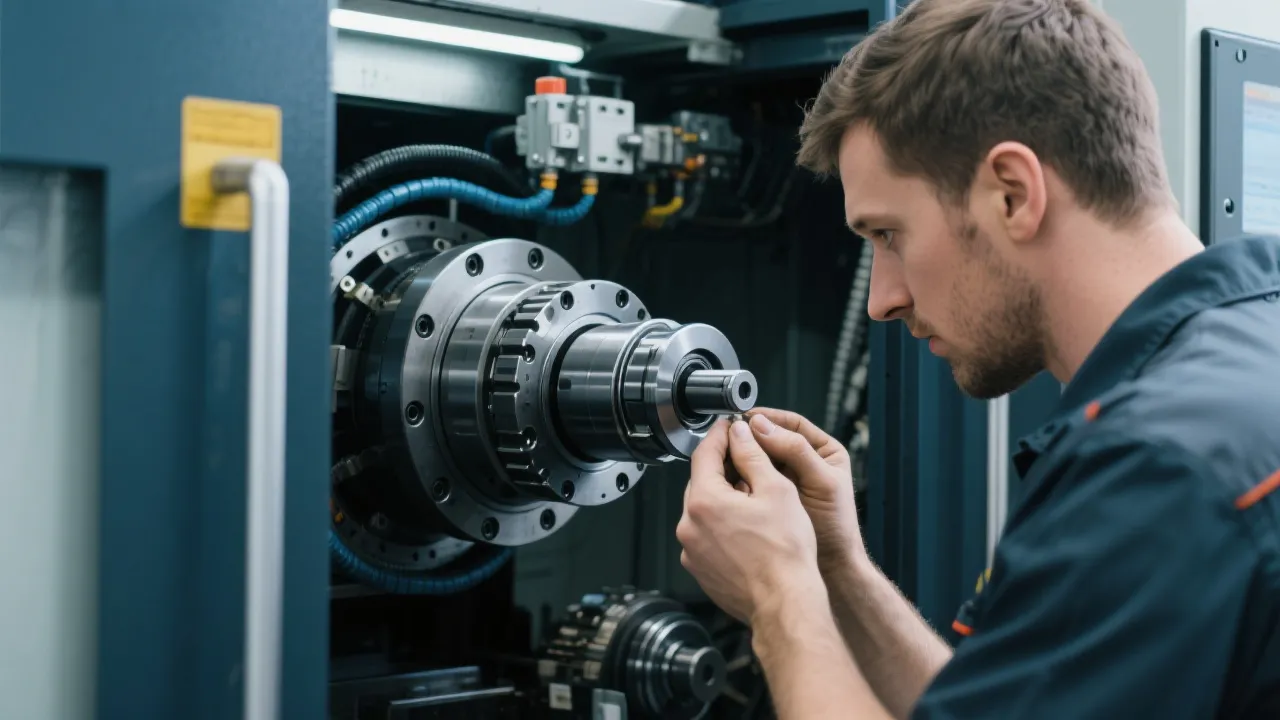
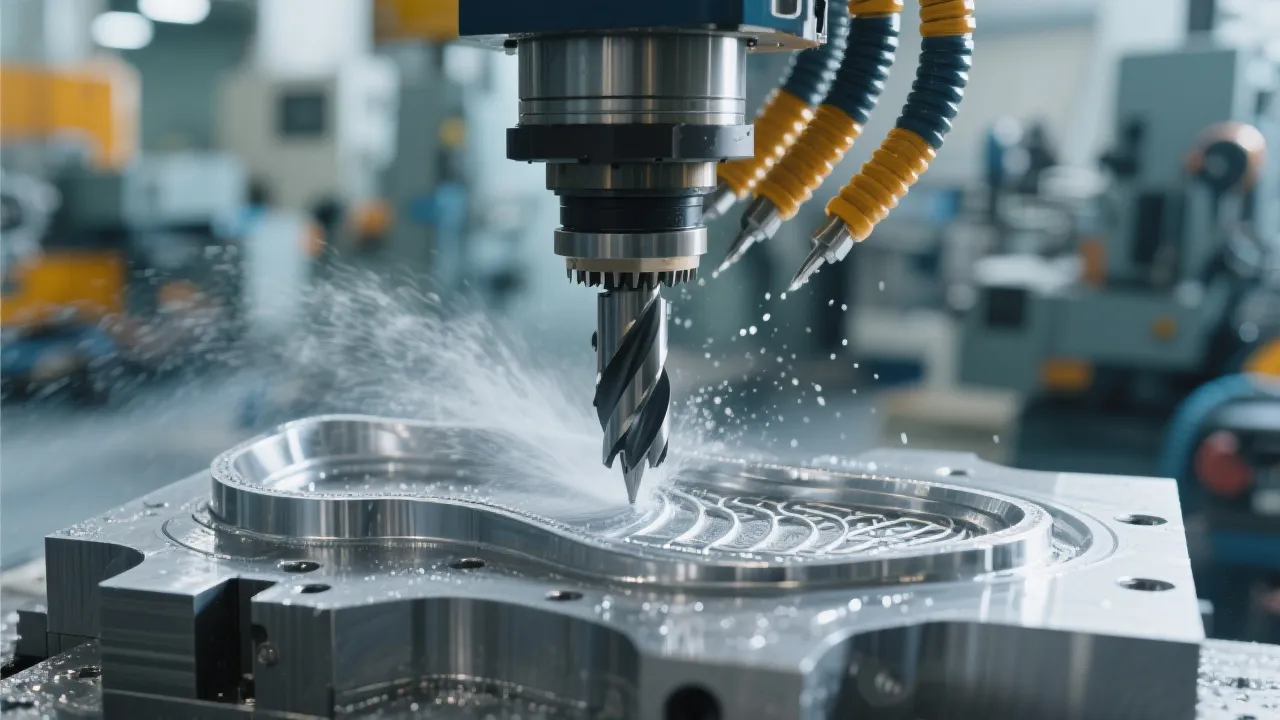
| High-Rigidity Frame Design | Minimizes vibration during high-speed cutting (>3000 RPM), improving surface finish by 40%. |
| Advanced Control Systems (e.g., Fanuc, Siemens) | Enables smooth interpolation for complex curves—critical for premium sportswear molds. |
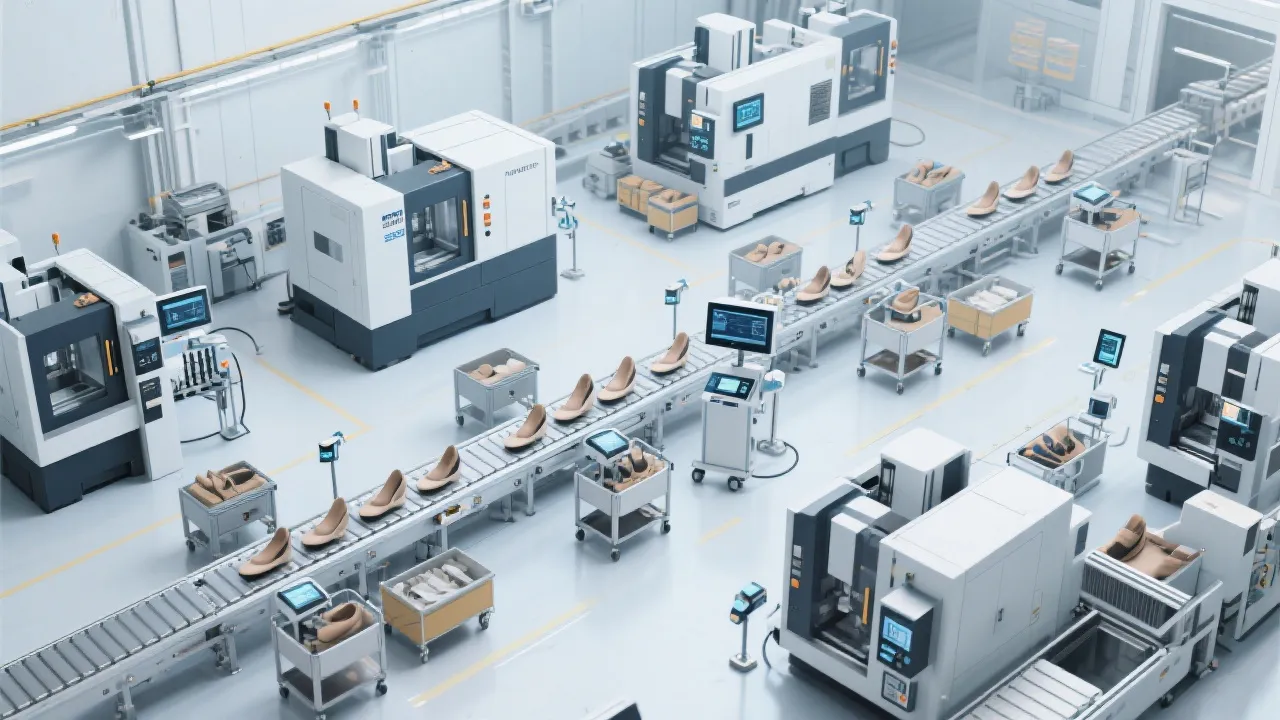
One Indonesian OEM reported a 37% increase in monthly output after switching to a 5-axis system—a result directly tied to reduced downtime and fewer rejects. Their team also noted improved operator safety thanks to fewer manual interventions.
A mid-sized German shoe last manufacturer integrated a 5-axis machine into their R&D lab for prototyping. Before implementation, they spent 2 weeks producing 10 sample molds. Post-installation, they delivered 30 prototypes in just 5 days—with no loss in detail accuracy or polish. This accelerated feedback loop allowed them to win a major contract with a European sneaker brand within 90 days.
Pro Tip: When evaluating your own fit, prioritize machines that offer modular tool changers and real-time monitoring—features that future-proof your investment against rising customization demands.
Whether you’re scaling production or optimizing existing lines, the data is clear: 5-axis CNC isn’t just a luxury—it’s becoming the baseline expectation for modern shoe mold manufacturing.