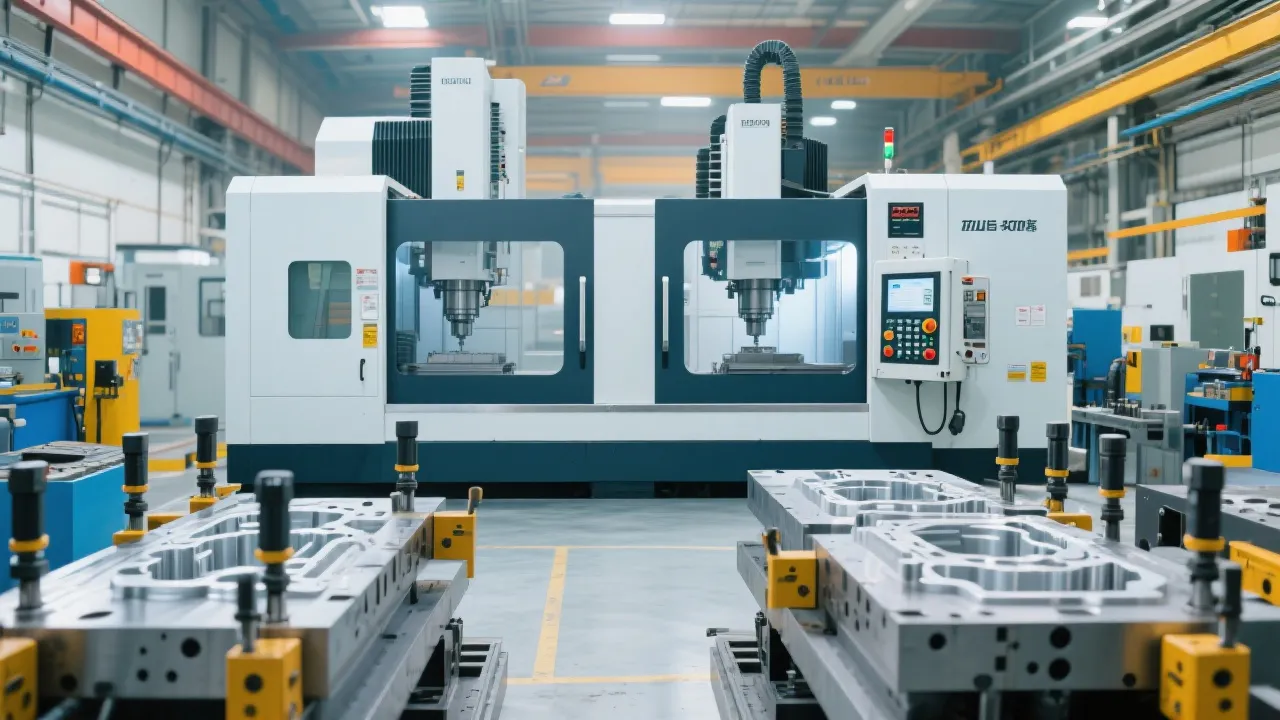
In the competitive landscape of precision manufacturing, the ability to process advanced materials like graphite and carbide has become a defining factor for mold makers seeking to deliver superior quality components. These materials, while offering exceptional properties for high-performance molds, present unique machining challenges that demand specialized knowledge, equipment, and techniques.
According to industry research, the global mold manufacturing market is projected to reach $46.1 billion by 2025, with a compound annual growth rate of 4.8%. Within this sector, the demand for graphite and carbide molds has grown exponentially, driven by their exceptional hardness, thermal stability, and wear resistance properties that outperform traditional steel molds in many high-temperature and high-precision applications.
Graphite and carbide materials present distinct machining challenges that require specialized approaches:
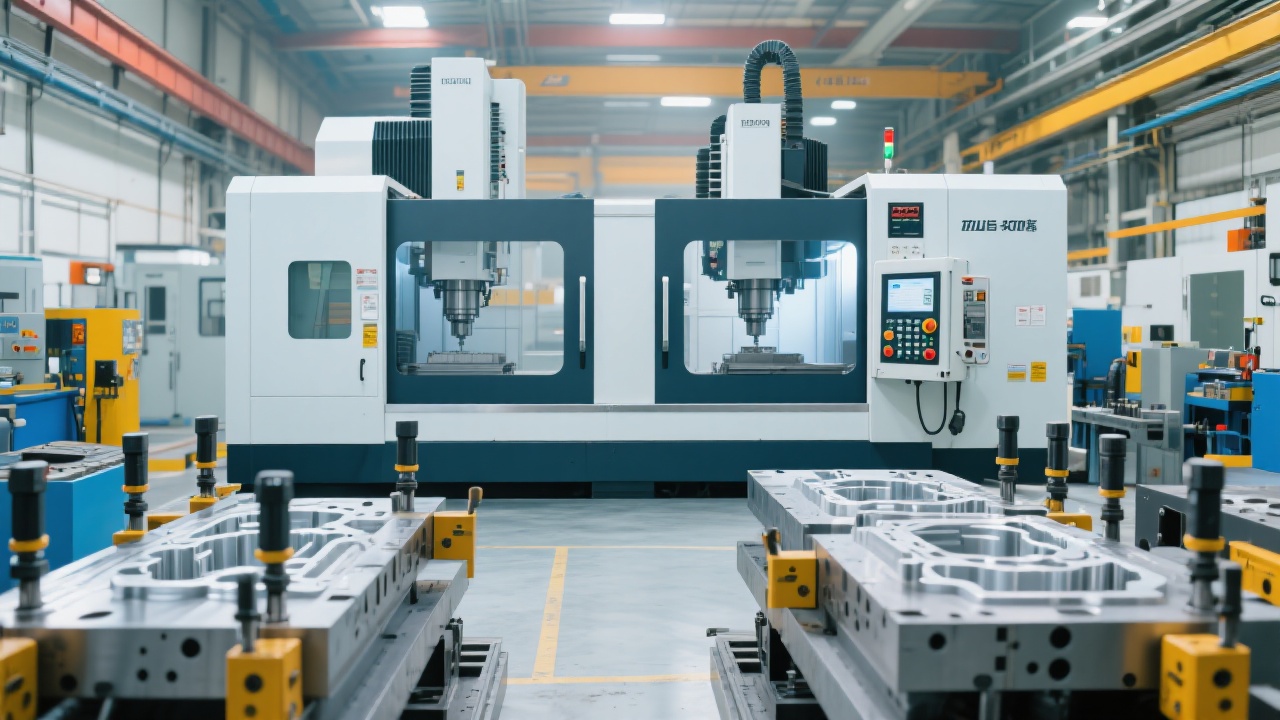
| Material | Recommended Tool Material | Spindle Speed (RPM) | Feed Rate (mm/min) | Depth of Cut (mm) |
|---|---|---|---|---|
| Graphite (High Density) | Solid Carbide, Diamond Coated | 15,000 - 30,000 | 500 - 1,500 | 0.1 - 0.5 |
| Cemented Carbide (WC-Co) | PCD, CBN | 3,000 - 8,000 | 100 - 500 | 0.05 - 0.2 |
Vibration during machining is a primary enemy of precision, particularly when working with brittle materials like graphite and hard materials like carbide. Studies show that even minimal vibration (as little as 5 μm amplitude) can reduce machining accuracy by up to 30% and increase tool wear by 40%.
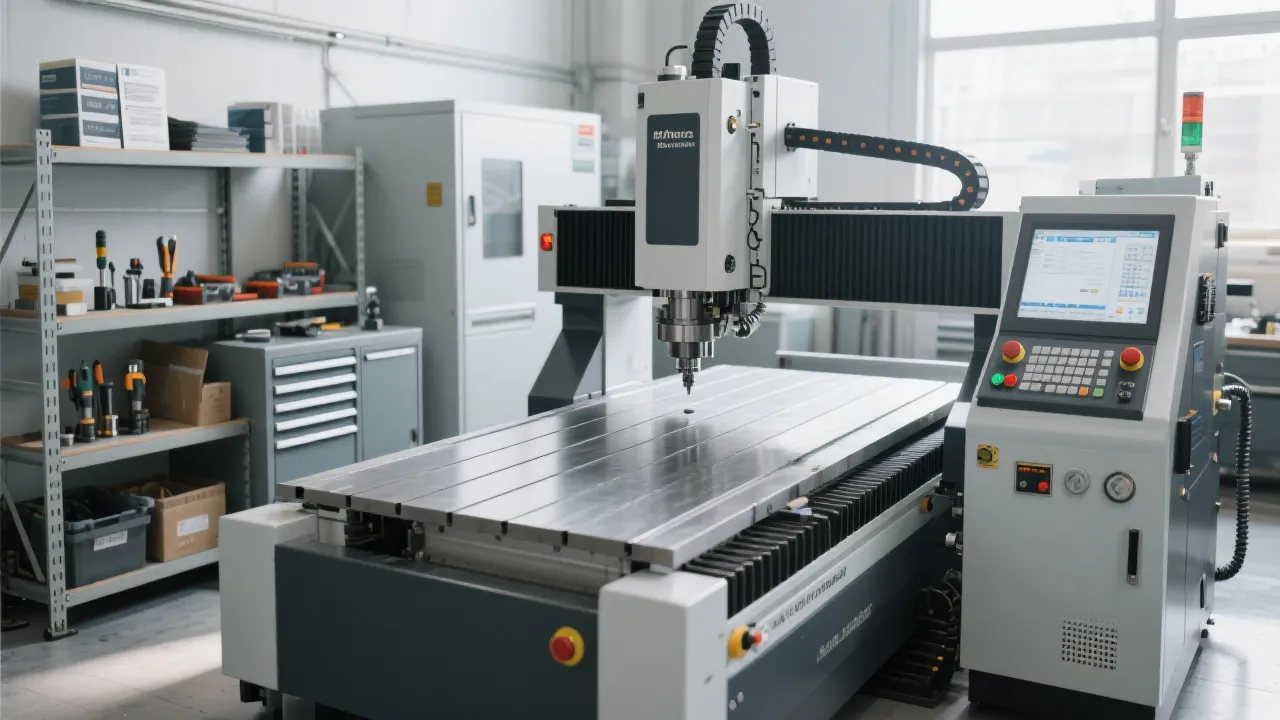
To combat this, modern machining centers like those from 凯博数控 incorporate double-column structures that provide 30-40% higher rigidity compared to traditional C-frame designs. This enhanced stability is further complemented by high-precision HSK spindles that maintain exceptional runout control (typically ≤0.001mm at the tool tip).
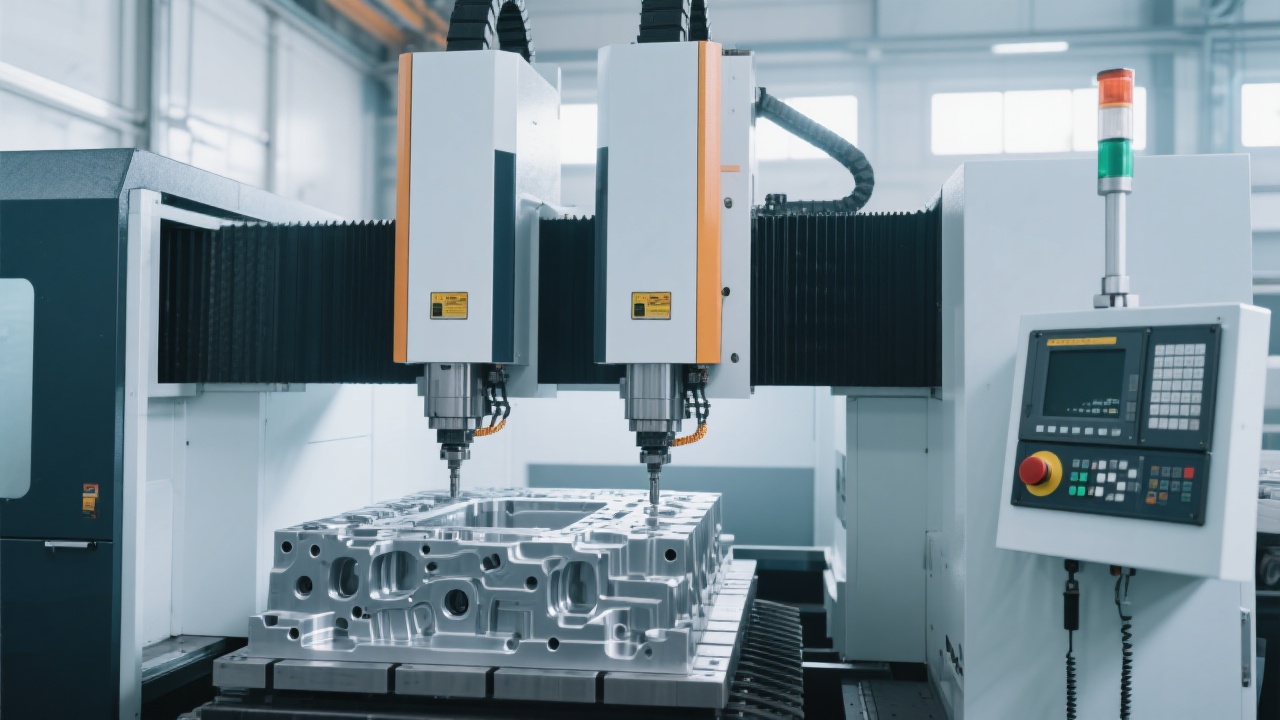
Thermal stability is critical for maintaining dimensional accuracy in precision machining. Temperature fluctuations as small as 1°C can result in measurable dimensional changes in machined components. Advanced machining systems address this through:
Tool wear represents both a significant cost factor and a quality concern in carbide and graphite machining. Optimizing tool life requires a holistic approach:
Key Strategies for Tool Life Extension:
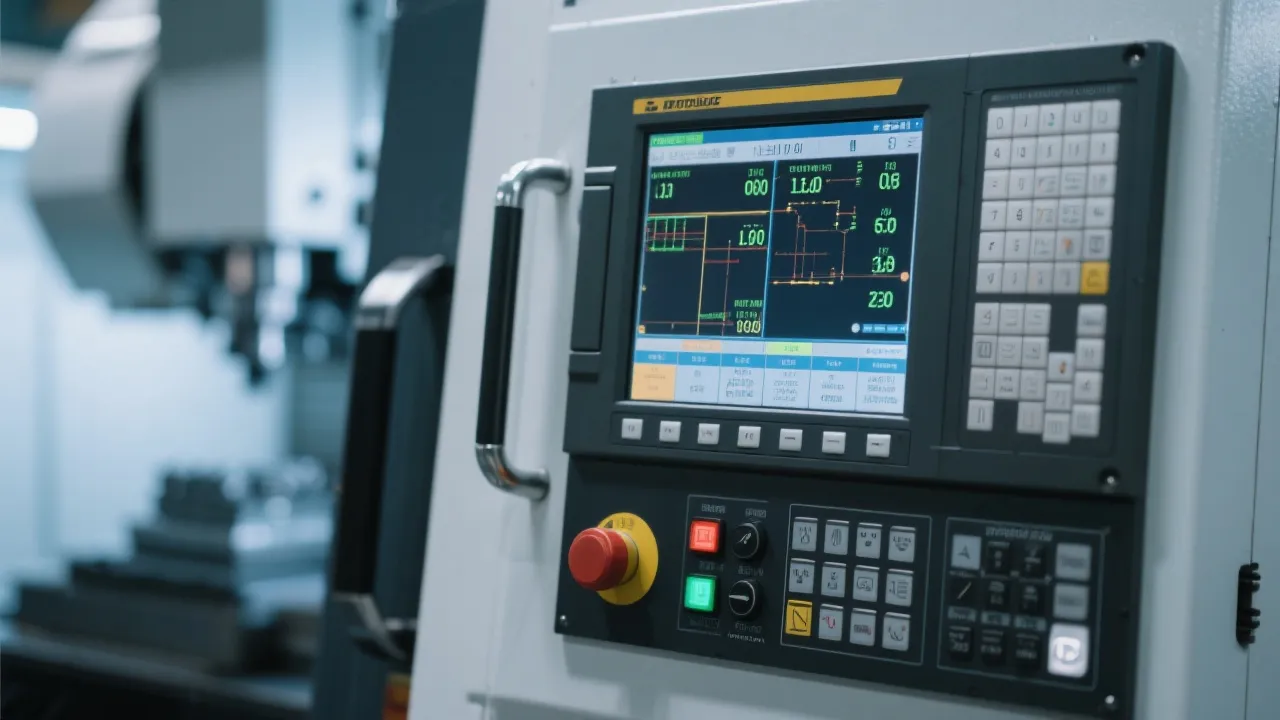
The integration of sophisticated control systems like Fanuc's latest CNC technology has revolutionized high-precision machining. These systems offer advanced features specifically designed for challenging materials:
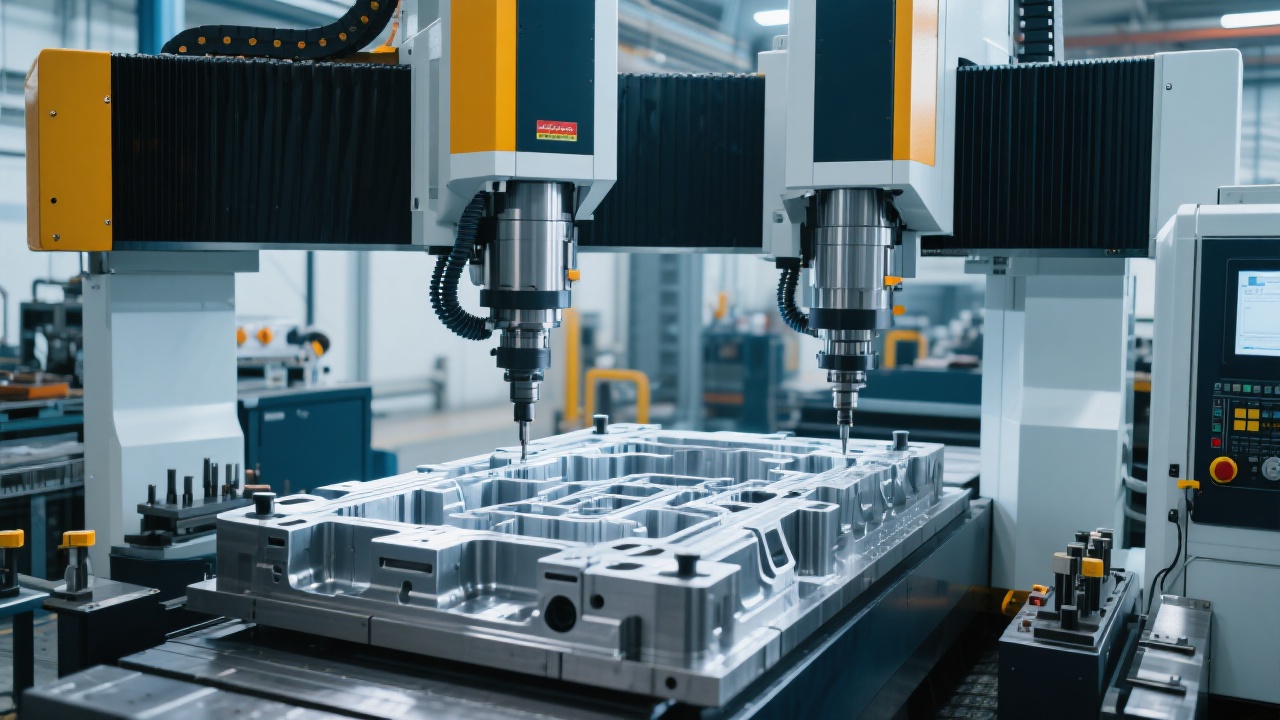
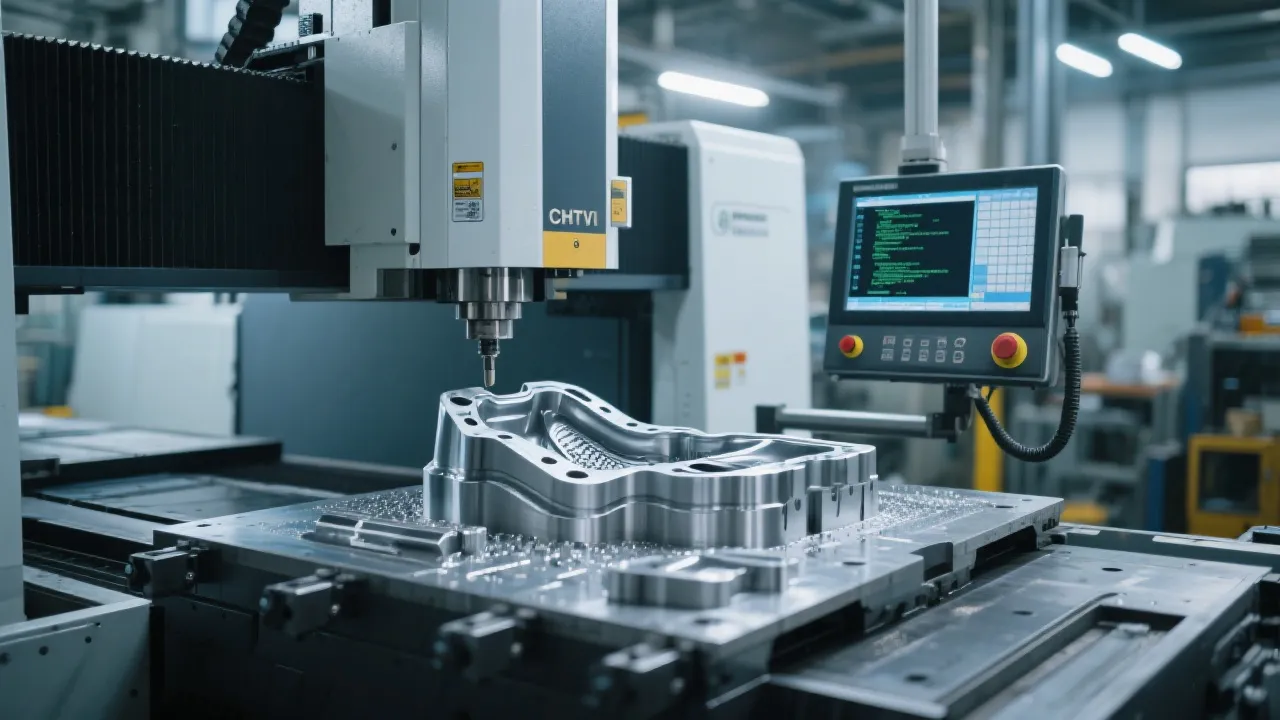
In a recent case study involving the production of precision carbide injection molds, a manufacturer implemented optimized machining strategies with a high-rigidity CNC milling machine. The results demonstrated significant improvements:
32%
Reduction in machining time
45%
Extension in tool life
28%
Improvement in surface finish quality
Discover how advanced machining solutions can help you overcome the challenges of graphite and carbide mold manufacturing, delivering superior precision, efficiency, and cost-effectiveness.
Explore High-Stability Machining SolutionsManufacturers who invest in understanding and implementing these advanced machining techniques position themselves at the forefront of the precision mold manufacturing industry. By addressing the unique challenges of graphite and carbide machining through a combination of proper equipment selection, optimized parameters, and advanced control systems, companies can achieve consistent quality, improved efficiency, and reduced costs in their production processes.