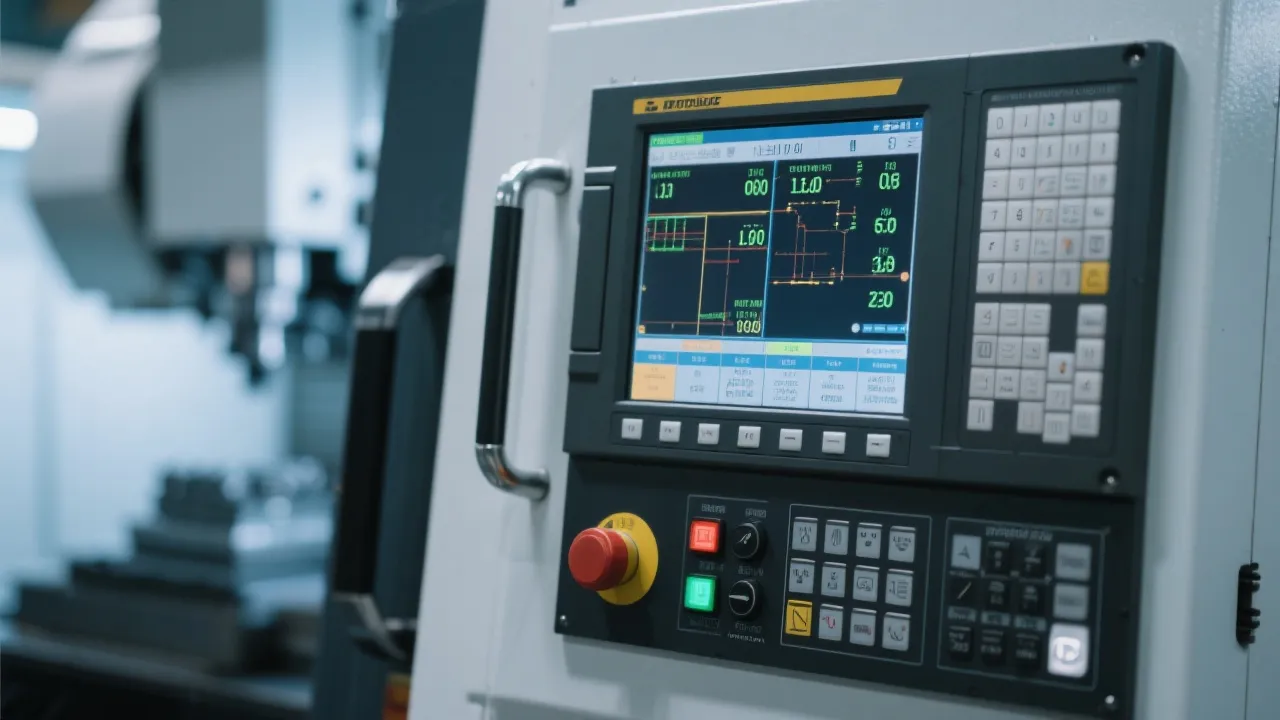
Graphite mold manufacturing stands at the intersection of art and engineering, where precision measured in micrometers determines product quality and manufacturing efficiency. In an industry where 0.01mm deviation can lead to 20-30% increase in scrap rates according to recent manufacturing studies, addressing machining challenges becomes paramount for mold engineers and production managers alike.
Modern graphite materials, prized for their thermal stability and machinability, present unique challenges during precision machining. Vibration during cutting operations not only reduces tool life by up to 40% but also creates micro-fractures in the graphite structure, compromising the mold's performance under thermal stress. Similarly, thermal deformation—often as subtle as 0.005mm per 10°C temperature change—can render an otherwise perfectly machined mold useless in high-precision applications.
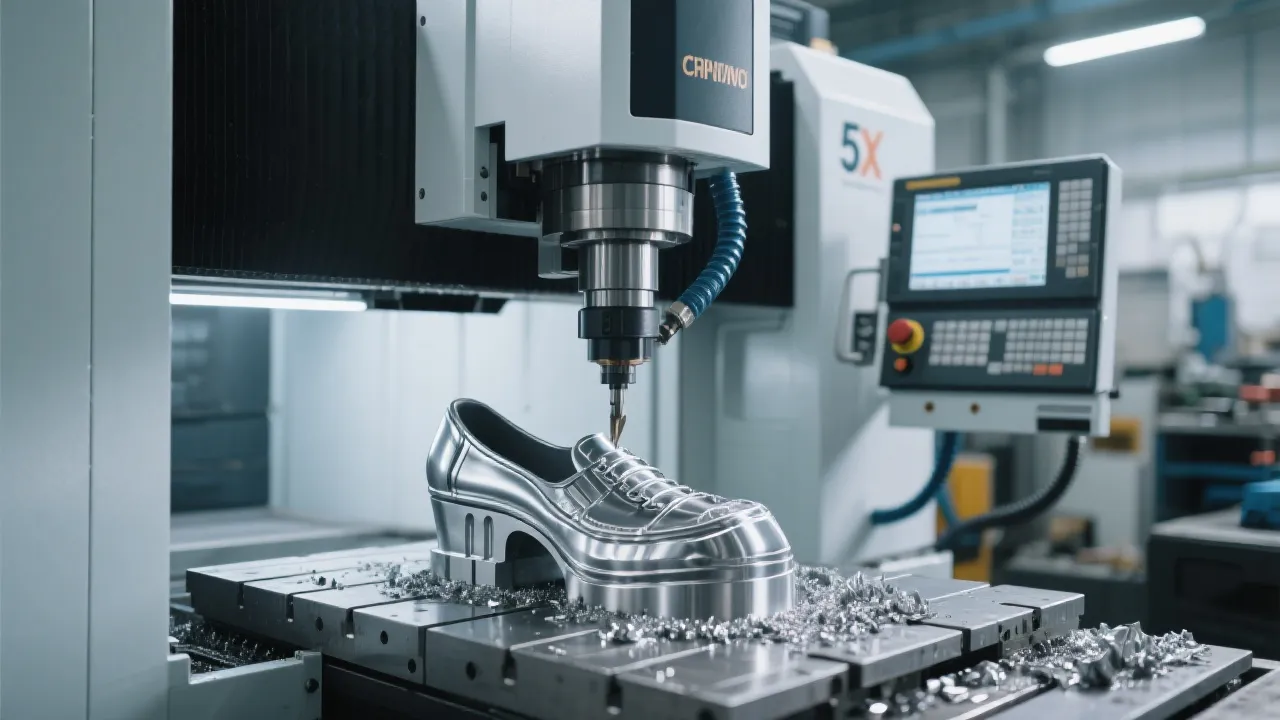
Addressing these challenges requires a systematic approach combining material science, machine tool technology, and optimized cutting parameters. The most effective solutions integrate advanced high-precision CNC milling machines with specialized process control techniques.
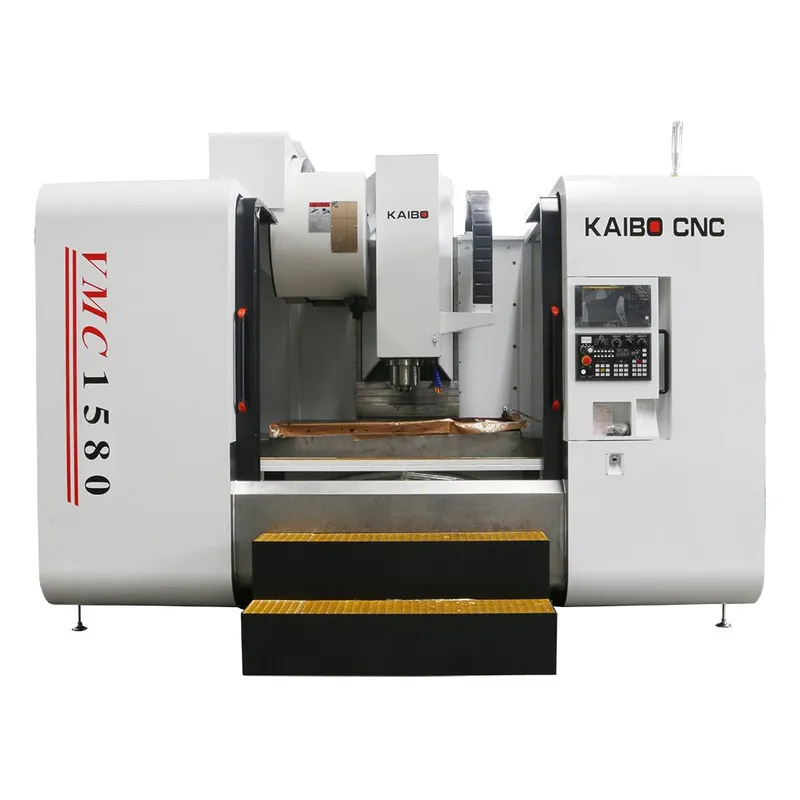
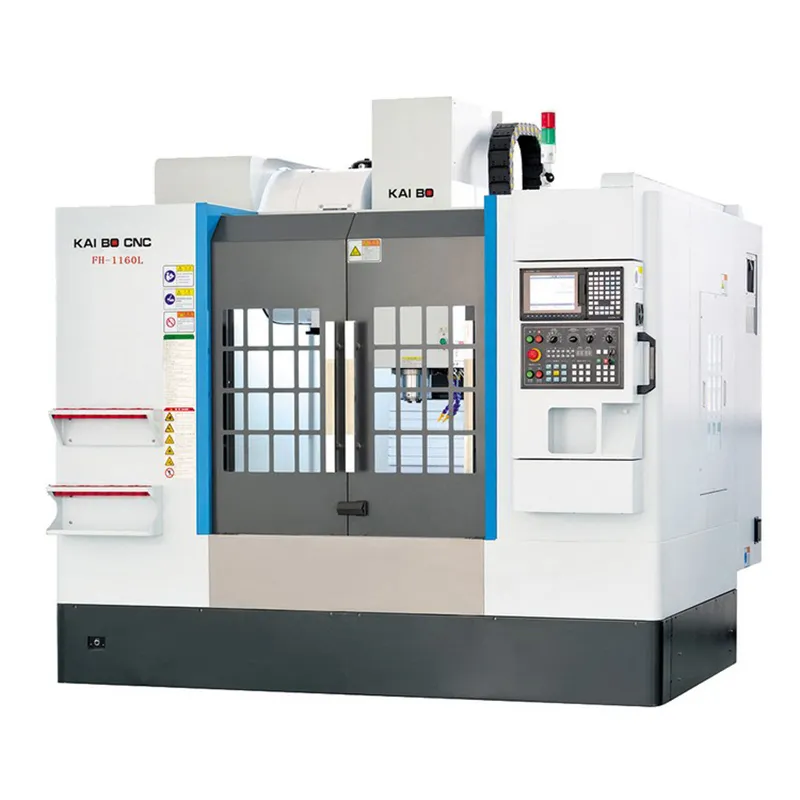
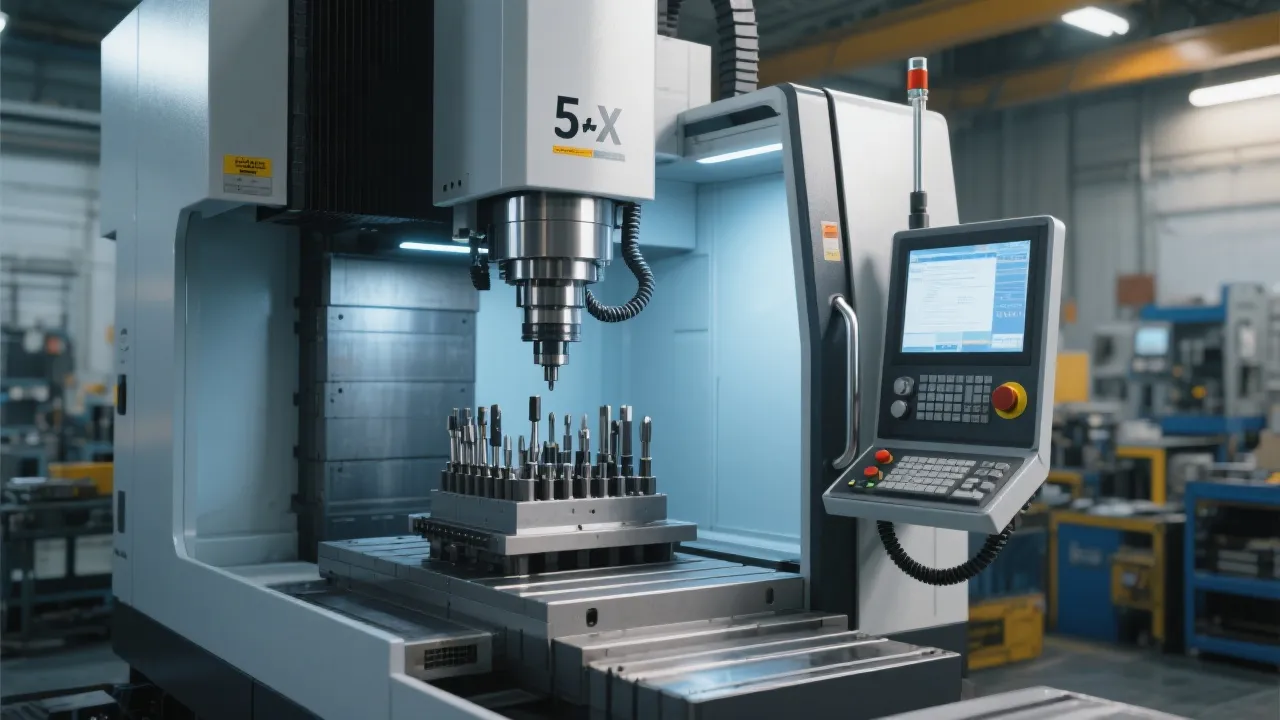
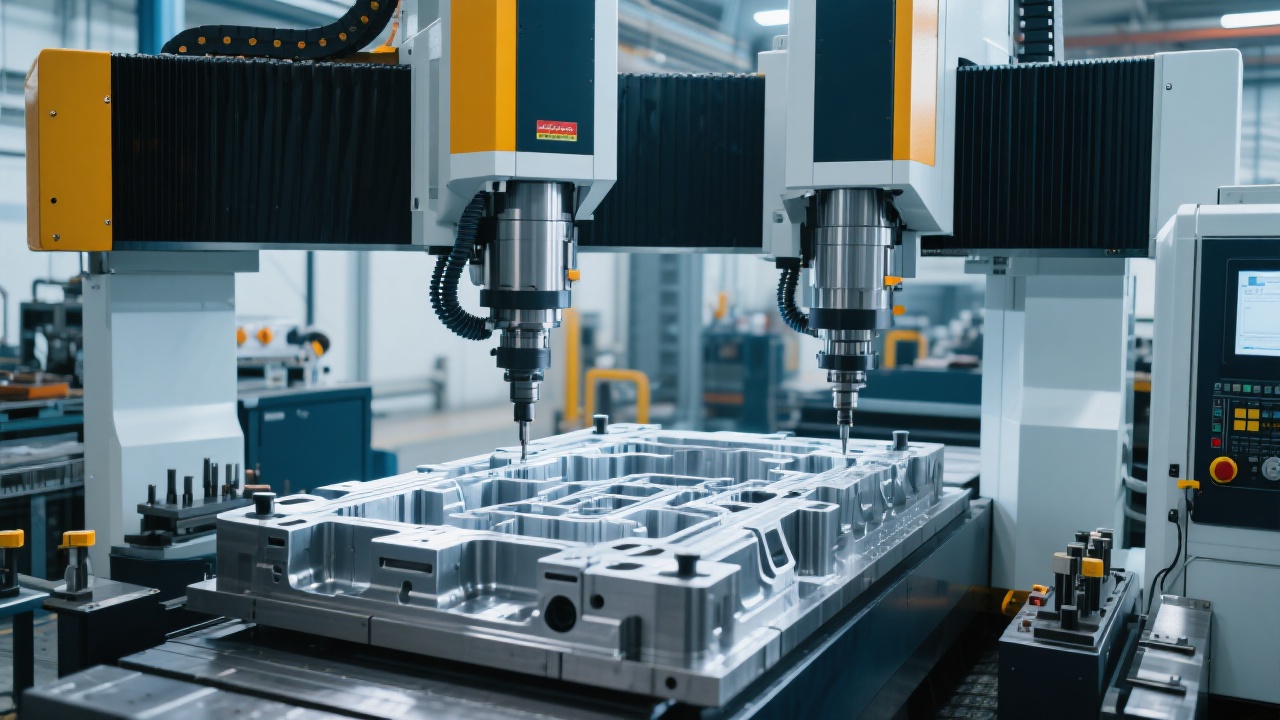
The foundation of vibration control lies in the machine's structural design. Modern double-column structure CNC machines provide up to 30% greater rigidity compared to traditional C-frame designs, significantly reducing harmonic vibration during high-speed machining. This architectural advantage becomes particularly critical when working with graphite, where cutting speeds can reach 15,000-20,000 RPM.
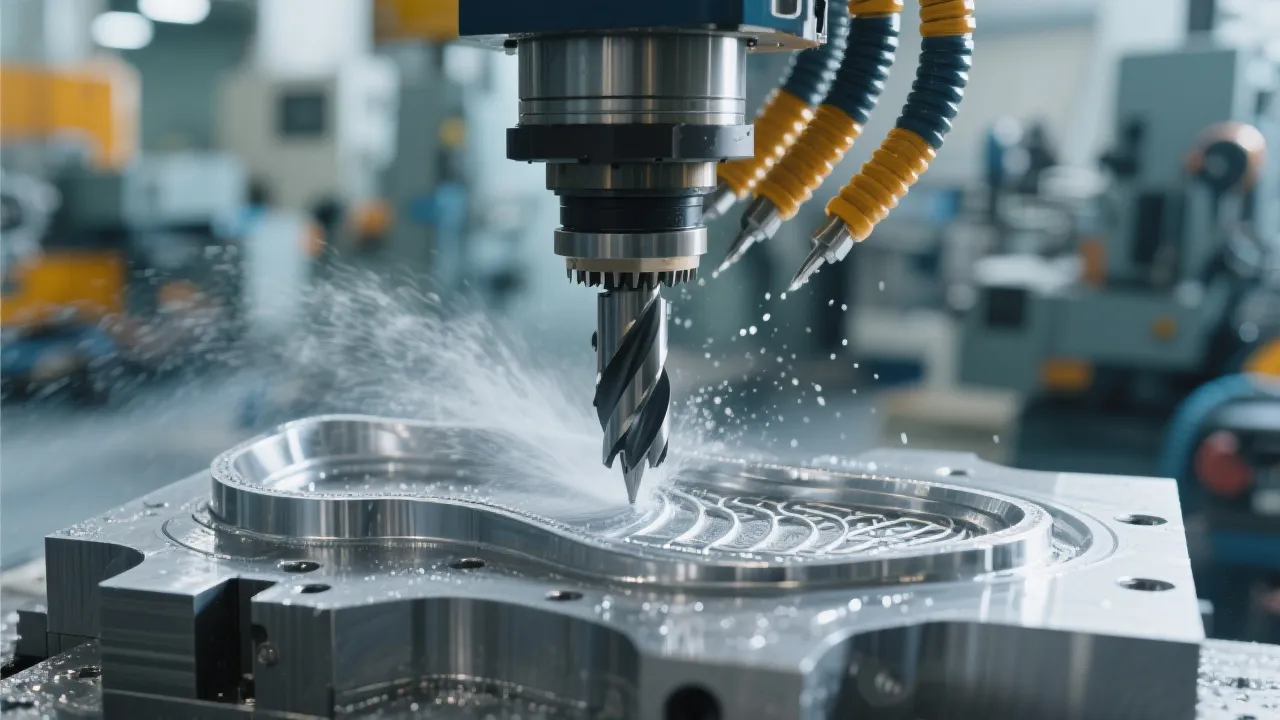
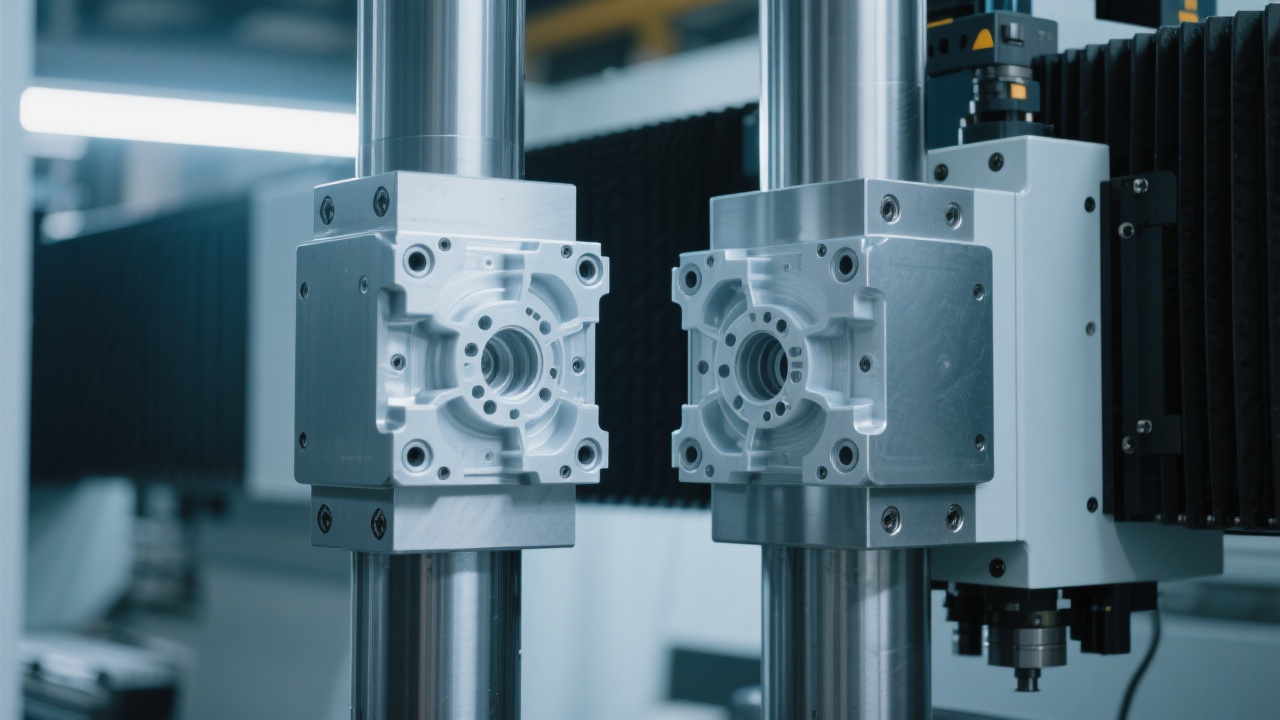
HSK high-speed spindles, coupled with precision balancing systems, minimize runout and vibration at operational speeds. The combination of ceramic bearings and liquid cooling systems maintains thermal stability, ensuring consistent performance even during extended machining cycles that can last 8-12 hours for complex mold cavities.
| Machining Parameter | Conventional Settings | Optimized Settings | Improvement |
|---|---|---|---|
| Spindle Speed (RPM) | 8,000-12,000 | 15,000-18,000 | 30% faster material removal |
| Feed Rate (mm/min) | 1,500-2,500 | 3,000-4,500 | 40% increased productivity |
| Depth of Cut (mm) | 0.5-1.0 | 0.8-1.5 | 35% higher single pass efficiency |
| Tool Life (minutes) | 45-60 | 90-120 | 100% extended tool durability |
Precision machining environments require temperature stability within ±1°C to maintain dimensional accuracy. Advanced CNC machines incorporate multi-zone temperature control systems that actively compensate for thermal expansion in structural components. This becomes especially critical when machining graphite molds for semiconductor and aerospace applications where tolerances of ±0.002mm are standard requirements.
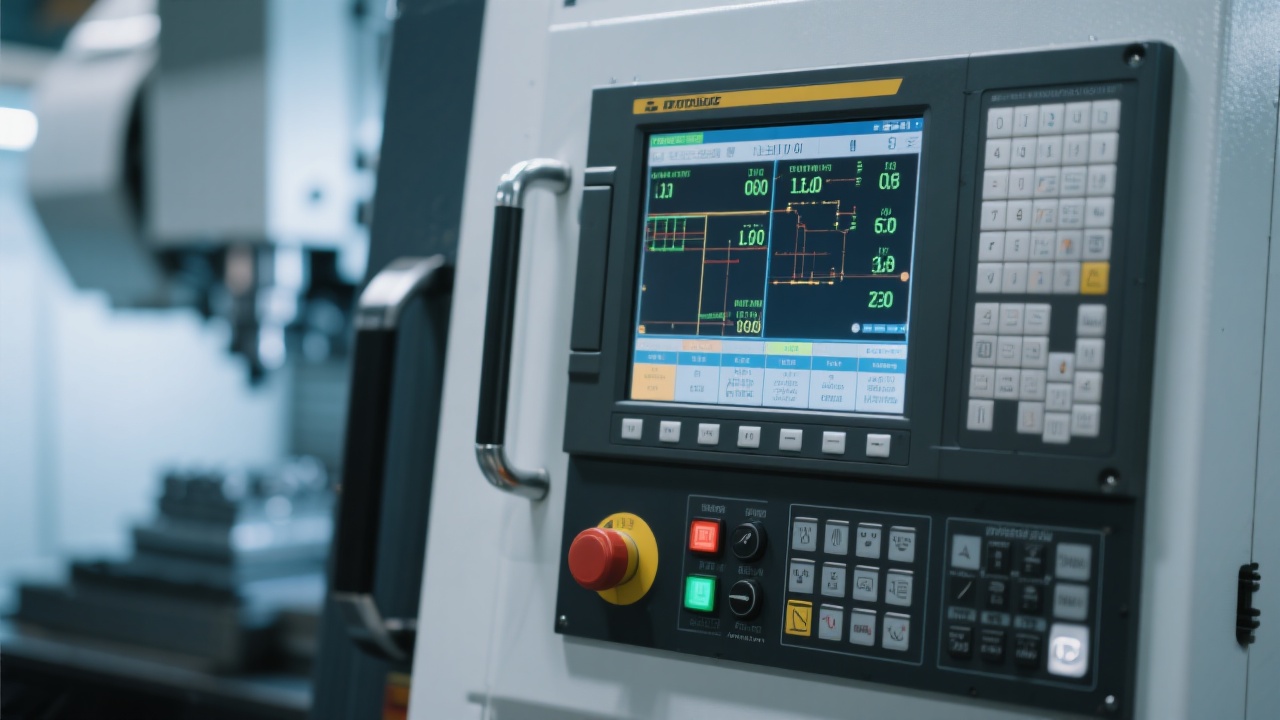
Modern Fanuc control systems with AI-enhanced machining algorithms can predict and compensate for vibration before it affects surface quality. These adaptive control systems analyze cutting forces 1000 times per second, adjusting feed rates and spindle speeds in real-time to maintain optimal cutting conditions throughout complex mold geometries.
A leading automotive component manufacturer was experiencing 18% scrap rates on complex graphite molds due to vibration-related defects. After implementing a double-column structure CNC milling machine with advanced vibration dampening and thermal compensation:
The implementation also resulted in improved consistency across production runs, with dimensional variation reduced from ±0.015mm to ±0.005mm, meeting the stringent requirements of their automotive OEM clients.
Beyond machine technology, controlling the machining environment plays a crucial role in graphite mold production. Proper dust extraction systems not only protect operators but also prevent graphite particulate from accumulating on linear guides and ball screws—common causes of precision degradation over time. Additionally, maintaining consistent humidity levels between 45-55% helps stabilize graphite material properties before machining.
Successfully addressing vibration and thermal deformation requires a comprehensive approach that begins with machine selection and continues through process optimization and operator training. Manufacturers should consider not just initial machine specifications but long-term performance factors like thermal stability, structural rigidity, and control system capabilities that directly impact graphite machining outcomes.
Discover how 凯博数控 (Kaibo CNC) high-performance machining solutions can help you achieve exceptional precision, reduce scrap rates, and increase productivity in graphite mold manufacturing.
Explore Advanced Graphite Machining SolutionsAs manufacturing requirements continue to push the boundaries of precision, the ability to control vibration and thermal effects will remain a critical competitive advantage. By implementing the right combination of machine technology, process controls, and environmental management, manufacturers can consistently produce high-quality graphite molds that meet the most demanding application requirements.