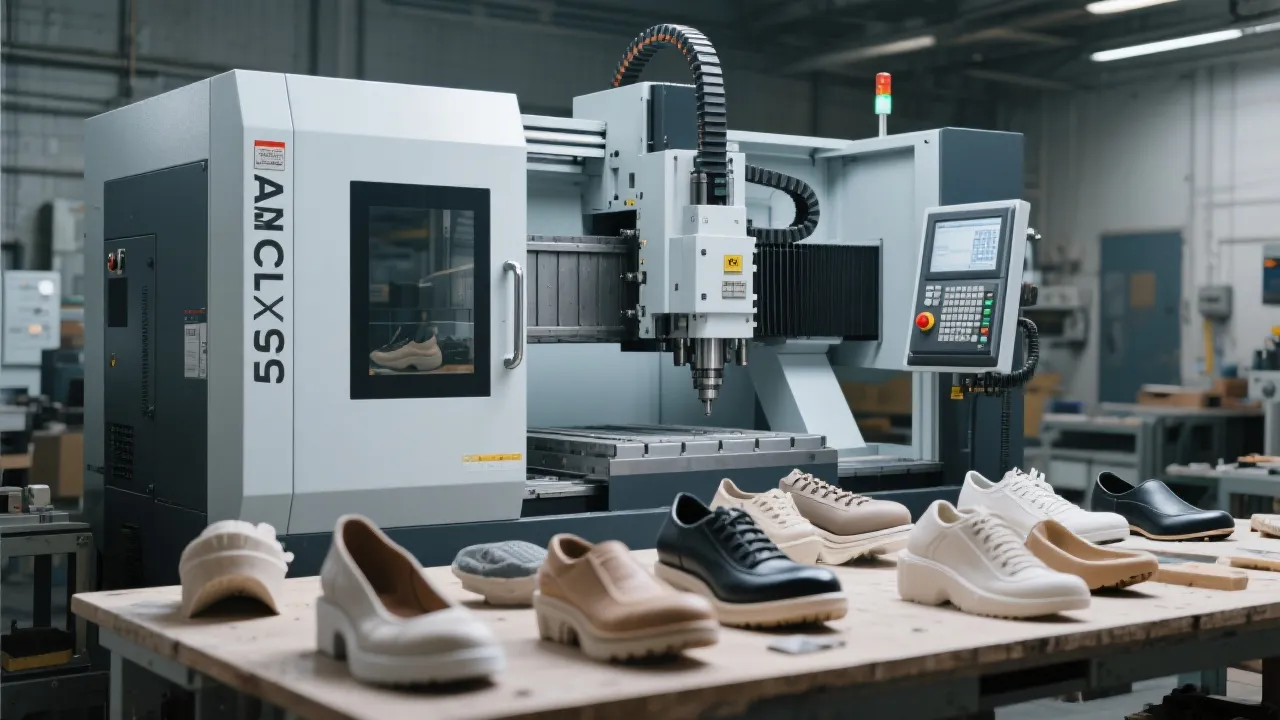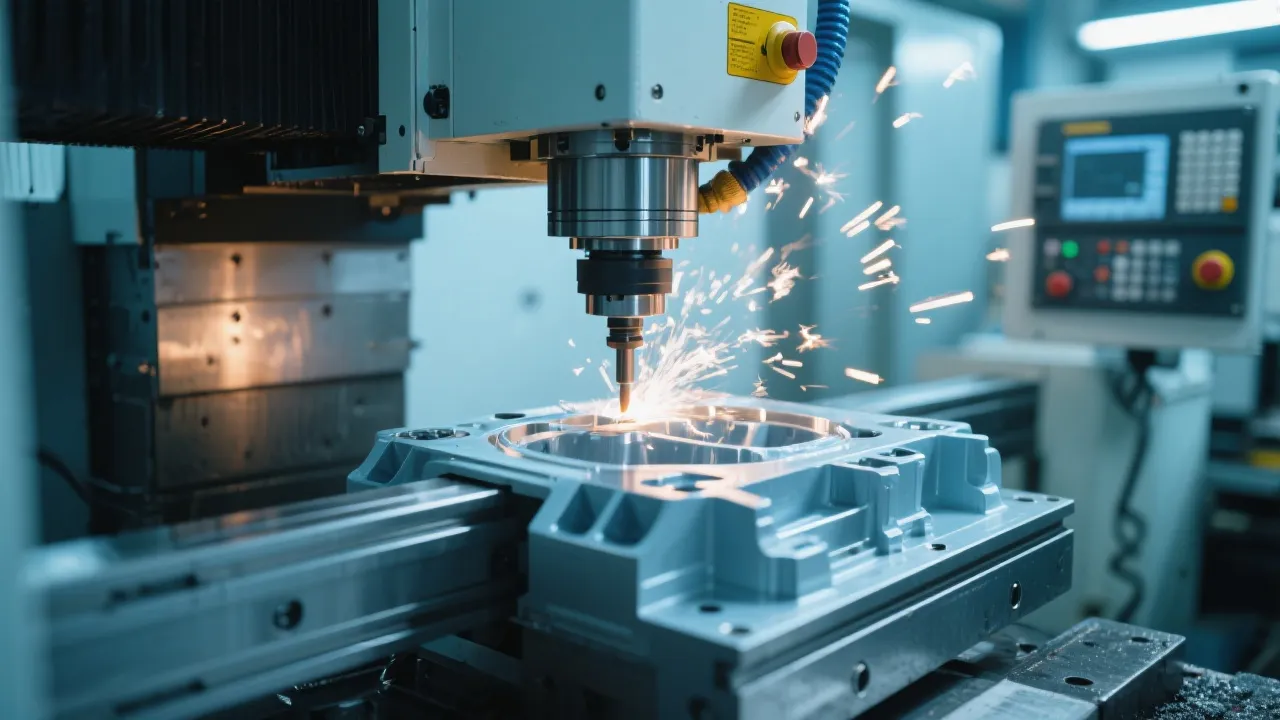
In the precision-driven world of mold manufacturing, graphite has emerged as a critical material for its exceptional thermal conductivity and machinability. However, achieving consistent precision in graphite mold machining remains a significant challenge for manufacturers worldwide. Recent industry reports indicate that vibration and thermal deformation account for over 65% of quality issues in high-precision graphite components, leading to increased production costs and delivery delays.
Graphite's unique properties—low density, high thermal resistance, and abrasive nature—present distinct machining challenges. Unlike traditional metals, graphite requires specialized approaches to maintain dimensional accuracy throughout the manufacturing process.
Achieving precision in graphite machining requires a systematic approach to parameter optimization. The interaction between cutting speed, feed rate, and depth of cut significantly impacts both quality and efficiency.
| Parameter | Conventional Machining | Optimized Parameters | Improvement |
|---|---|---|---|
| Spindle Speed (RPM) | 8,000-12,000 | 15,000-24,000 | 30-50% better surface finish |
| Feed Rate (mm/min) | 500-800 | 1,200-1,800 | 40-60% higher productivity |
| Depth of Cut (mm) | 0.5-1.0 | 0.2-0.5 | 25% reduction in tool wear |
Selecting the appropriate cutting tools is equally crucial. Diamond-coated and carbide tools with specialized geometries have proven most effective for graphite machining, offering up to 300% longer tool life compared to standard tools when paired with optimized parameters.
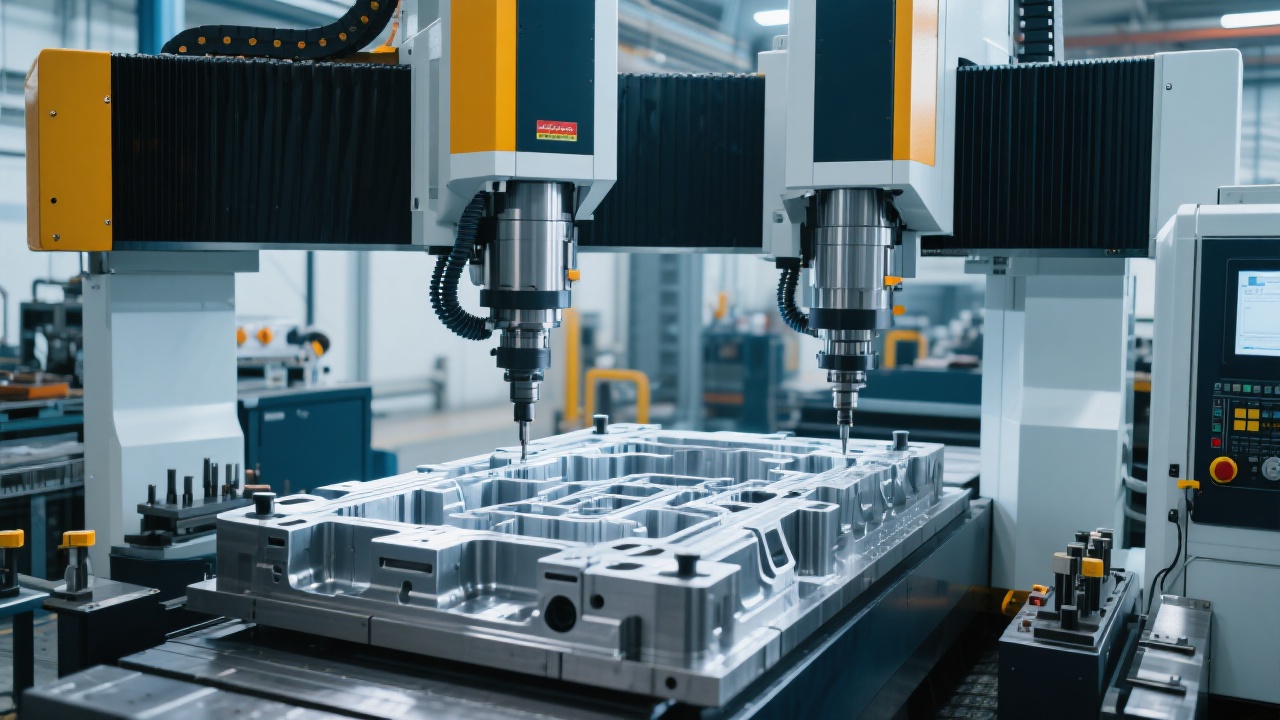
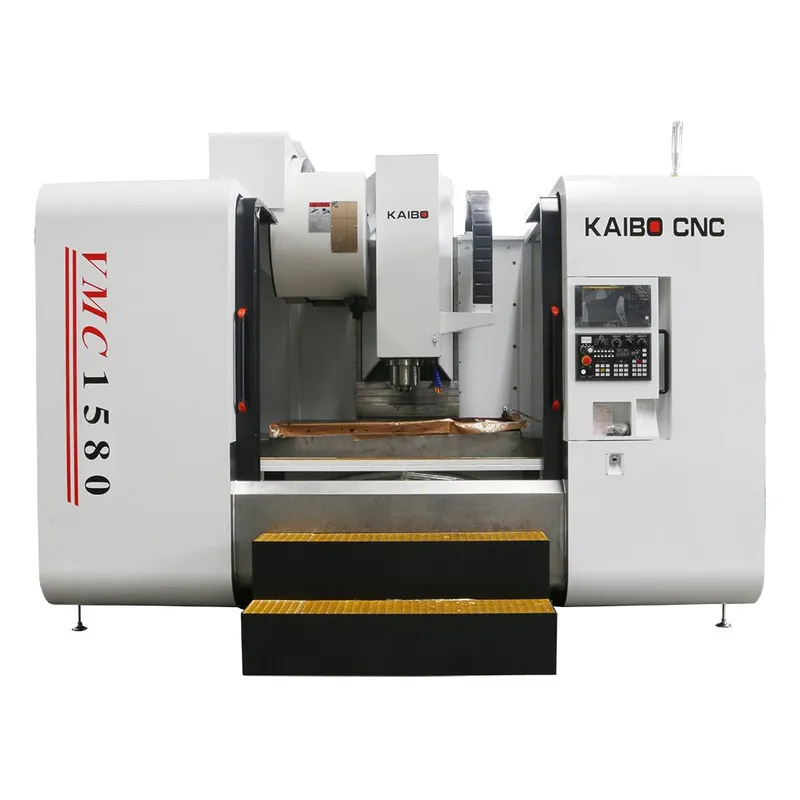
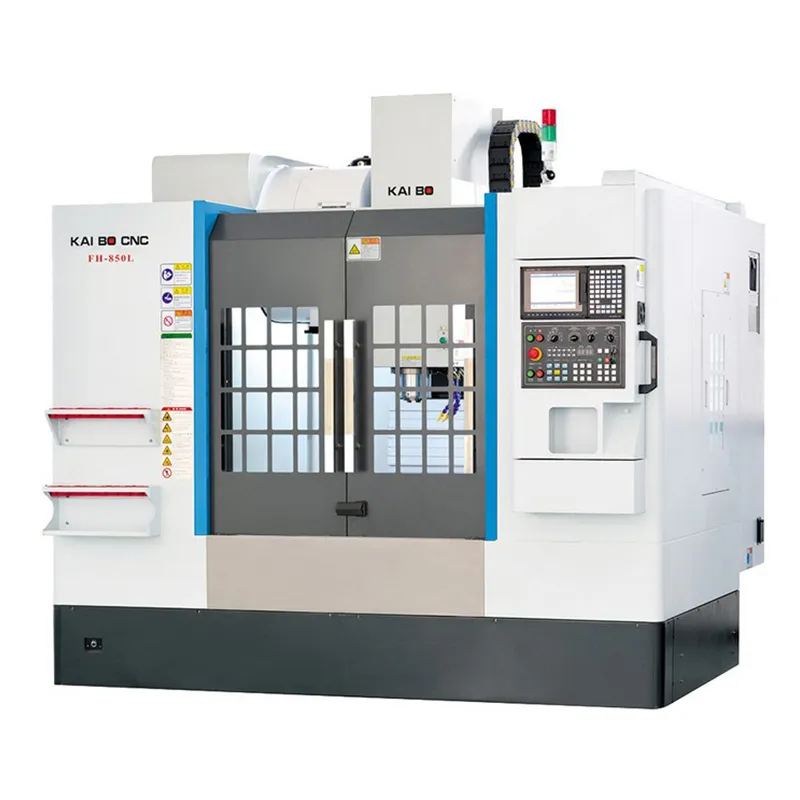
Machine tool design plays a pivotal role in addressing graphite machining challenges. The double-column structure has emerged as particularly effective for high-precision applications, offering superior rigidity and vibration dampening compared to traditional C-frame designs.
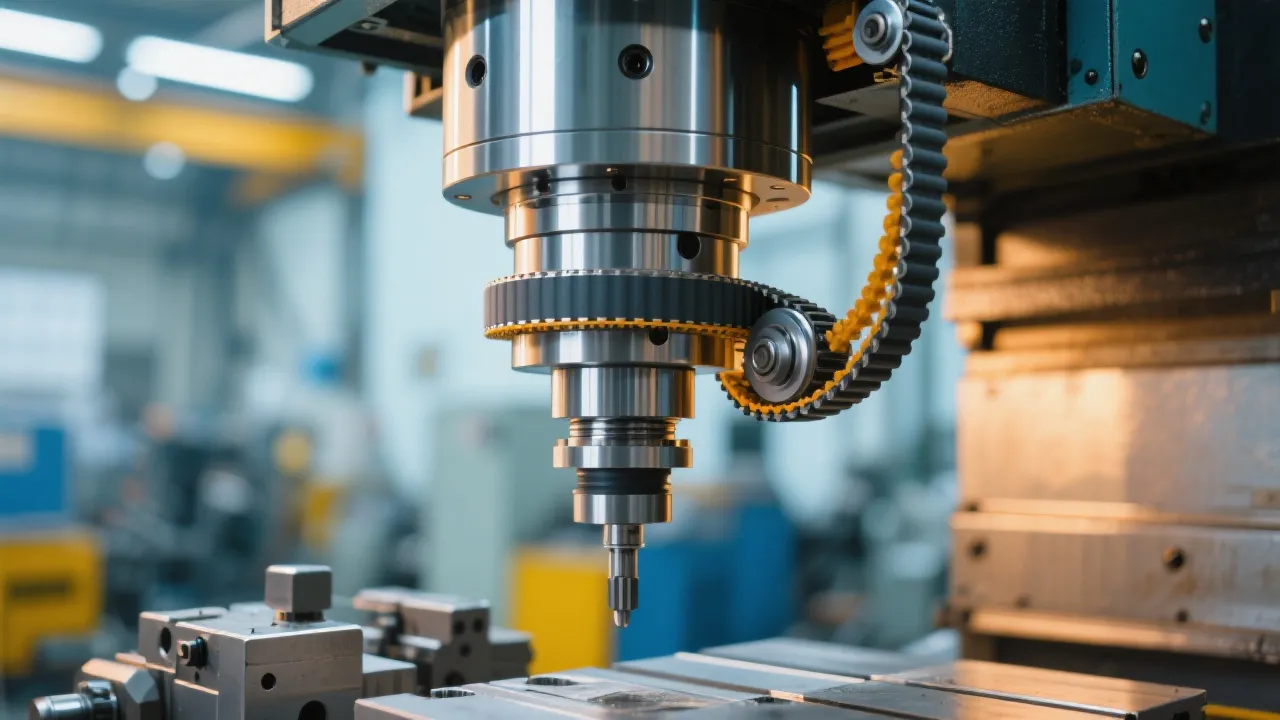
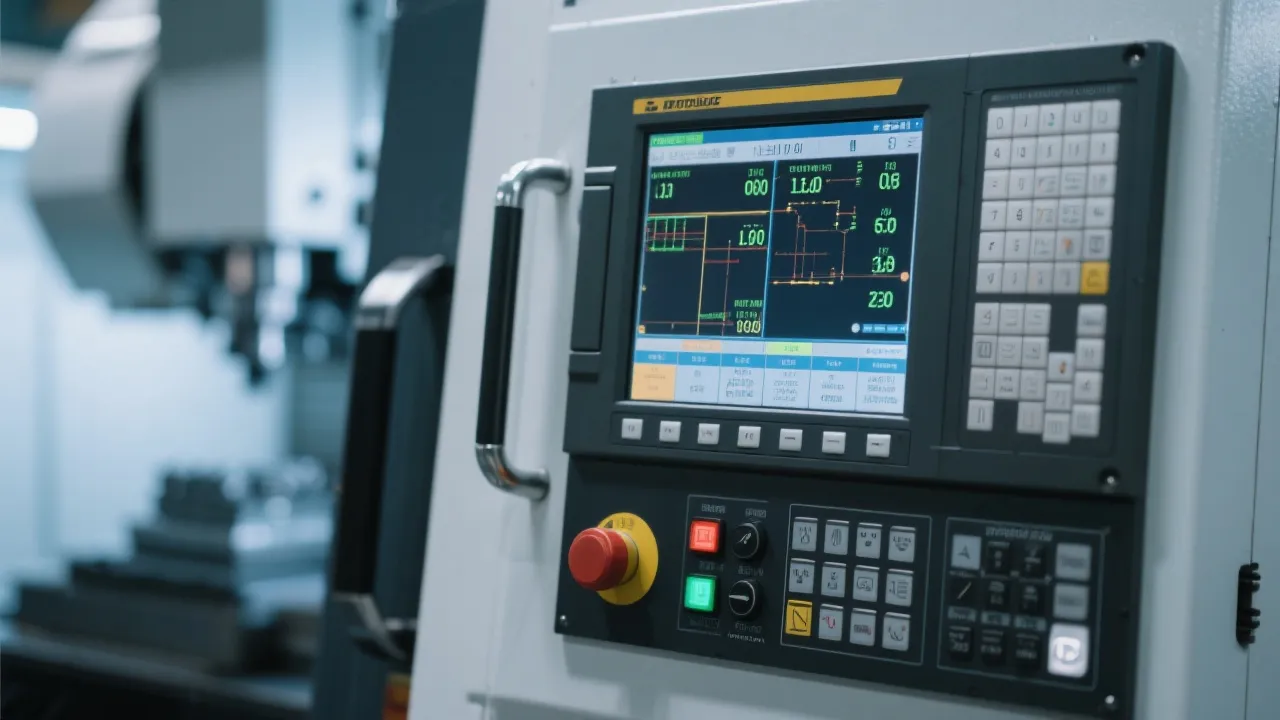
Advanced control systems, such as the Fanuc control system, further enhance machining precision through predictive algorithms that adjust parameters in real-time to compensate for potential errors. When combined with high-performance spindles—like the HSK high-speed spindle—manufacturers can achieve surface finishes as fine as Ra 0.4μm on graphite components.
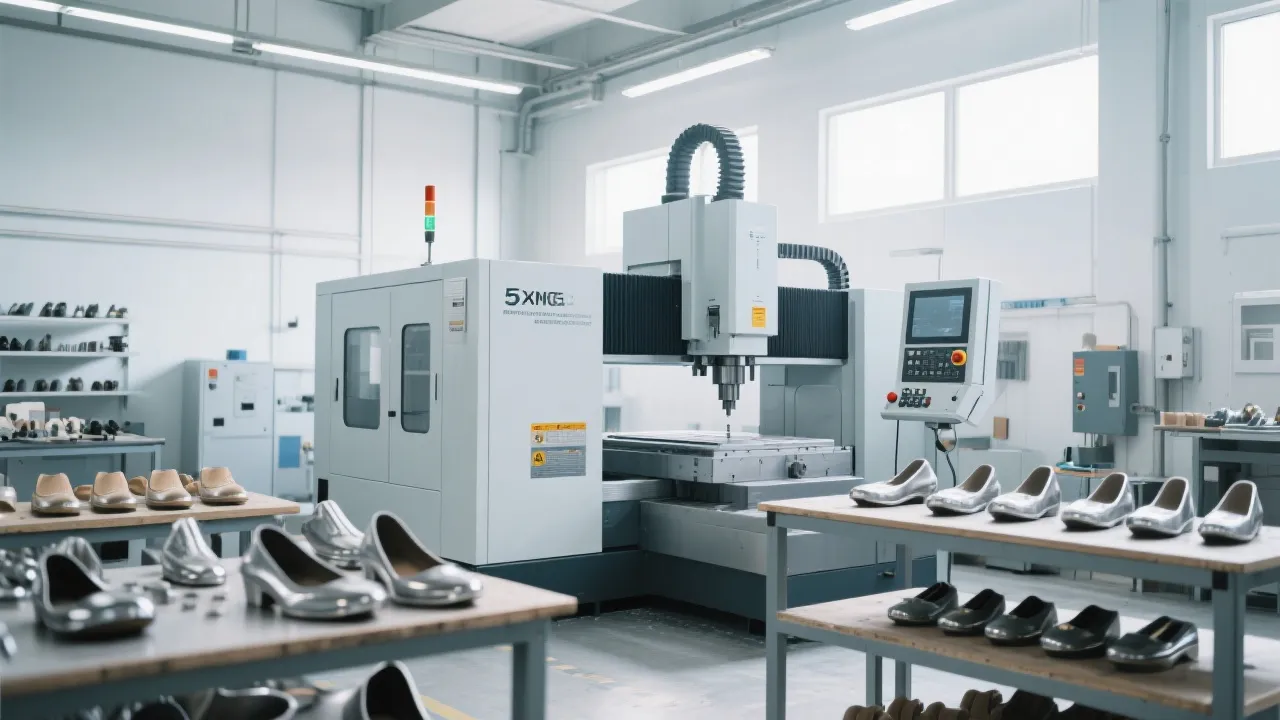
A leading automotive mold manufacturer recently implemented optimized graphite machining processes with a double-column machining center. The results were striking: production throughput increased by 35%, tooling costs decreased by 28%, and first-pass yield improved from 72% to 94% within the first three months of implementation.
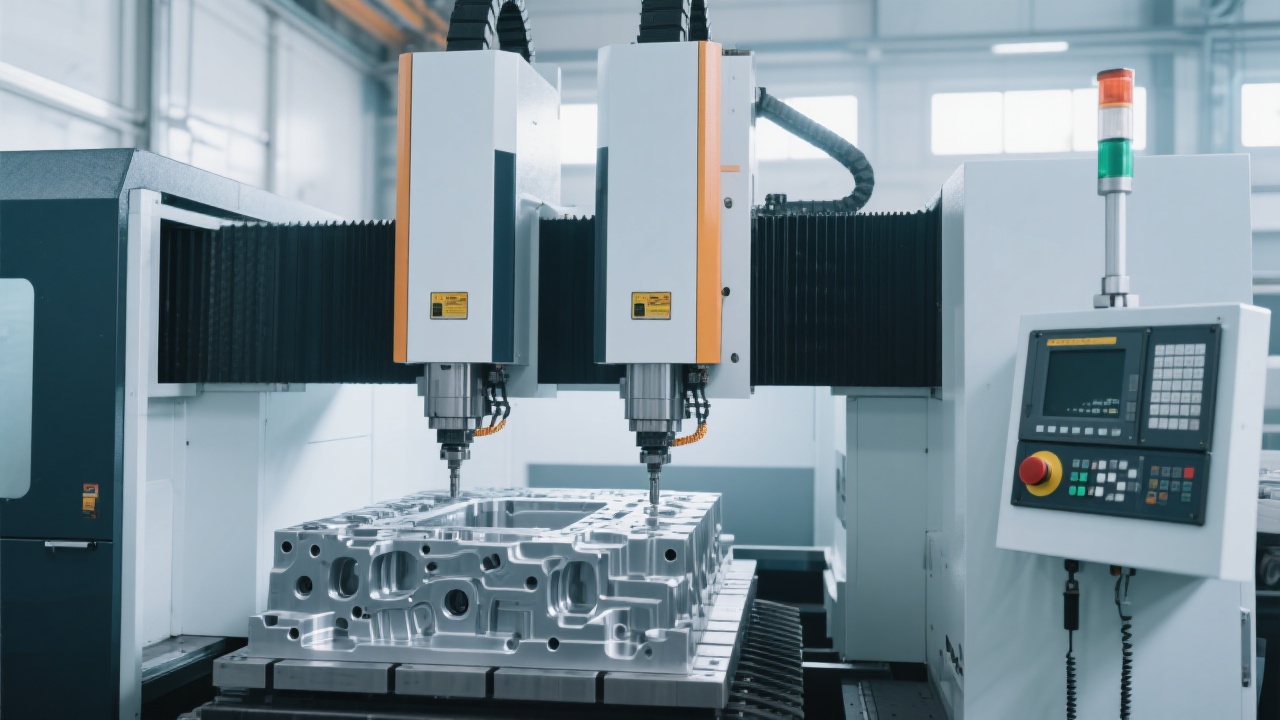
Another case study in the aerospace sector demonstrated how thermal deformation control reduced dimensional variations from ±0.03mm to ±0.01mm, enabling the production of complex graphite molds that met stringent industry specifications previously thought unattainable with conventional machining methods.
Discover how advanced machining solutions can help you overcome vibration and thermal deformation challenges, delivering consistent precision and productivity gains.
Explore High-Stability Graphite Machining SolutionsEnvironmental control also plays a significant role in graphite machining accuracy. Maintaining a stable temperature (±1°C) and humidity level (45-55%) in the production environment can reduce thermal-related errors by up to 60%. Combined with proper dust extraction systems—critical for graphite machining—these environmental controls create an optimal production ecosystem.
As manufacturers continue to push the boundaries of precision, the integration of intelligent monitoring systems becomes increasingly important. Real-time vibration analysis and thermal mapping allow for proactive adjustments, ensuring consistent quality even during extended production runs. When implemented alongside advanced machine tool designs, these technologies create a comprehensive solution for graphite machining challenges.