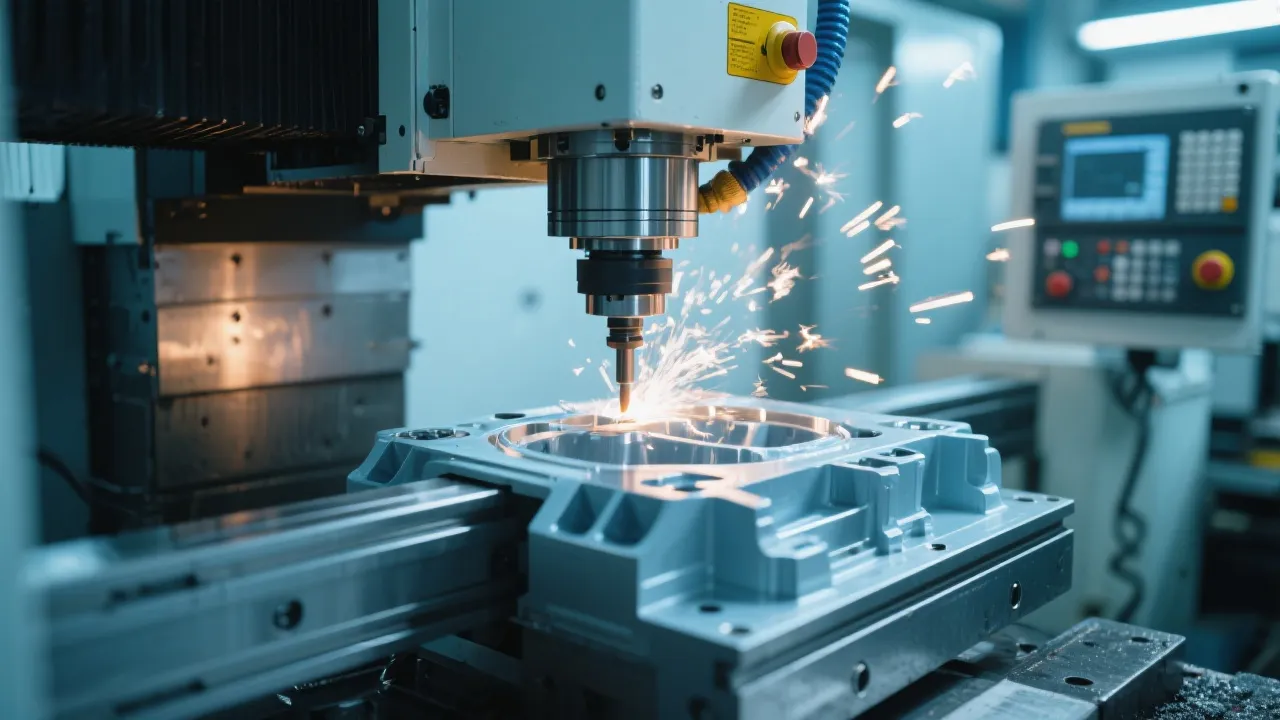
Graphite mold machining has long been recognized as a precision-critical process in manufacturing industries, where even micron-level deviations can compromise the quality of final products. According to industry research, thermal deformation alone accounts for approximately 35% of dimensional accuracy issues in high-precision mold manufacturing, presenting significant challenges for engineers striving for consistent quality and production efficiency.
Graphite, despite its excellent thermal conductivity and machinability, introduces unique challenges during precision machining:
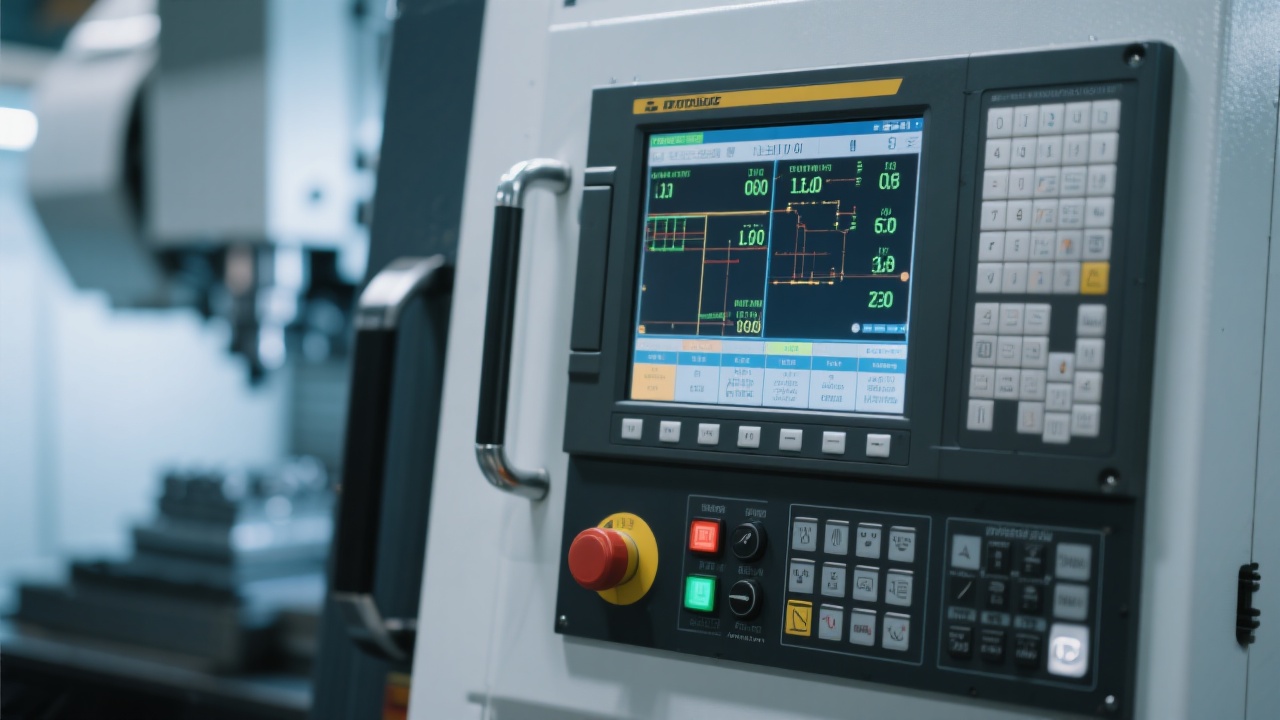
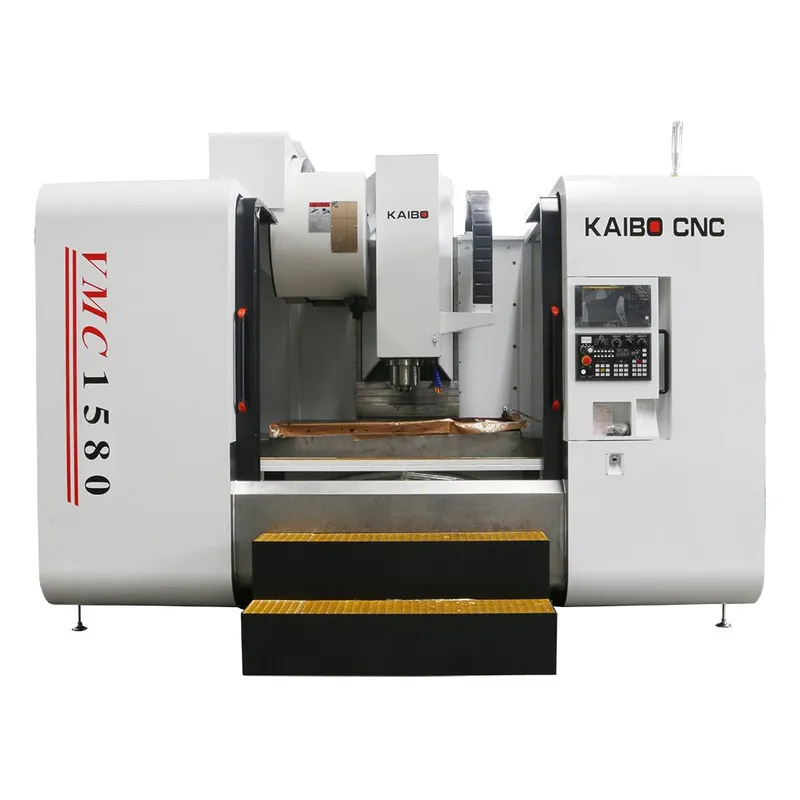
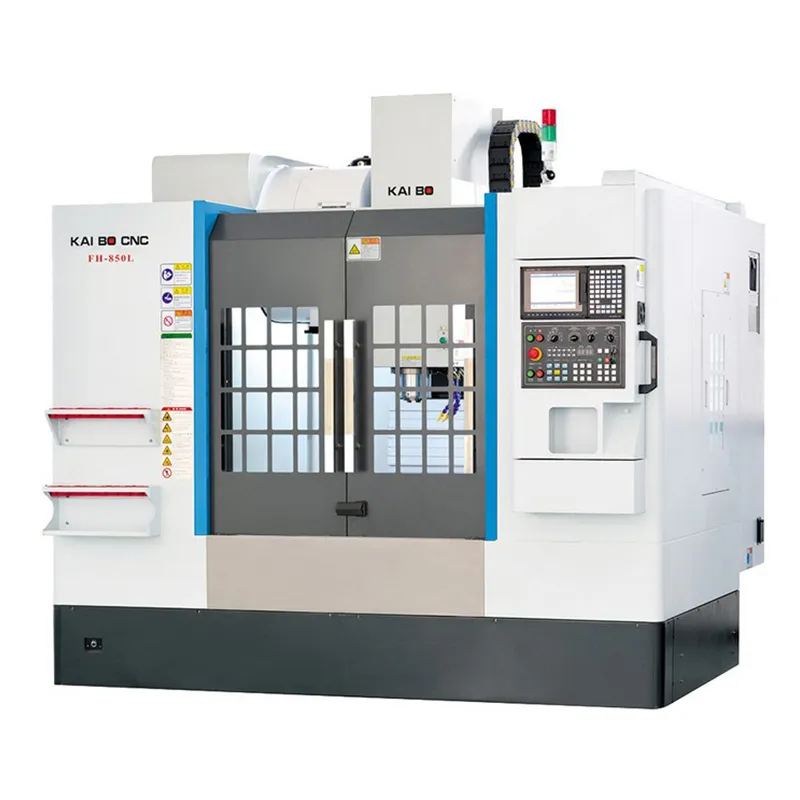
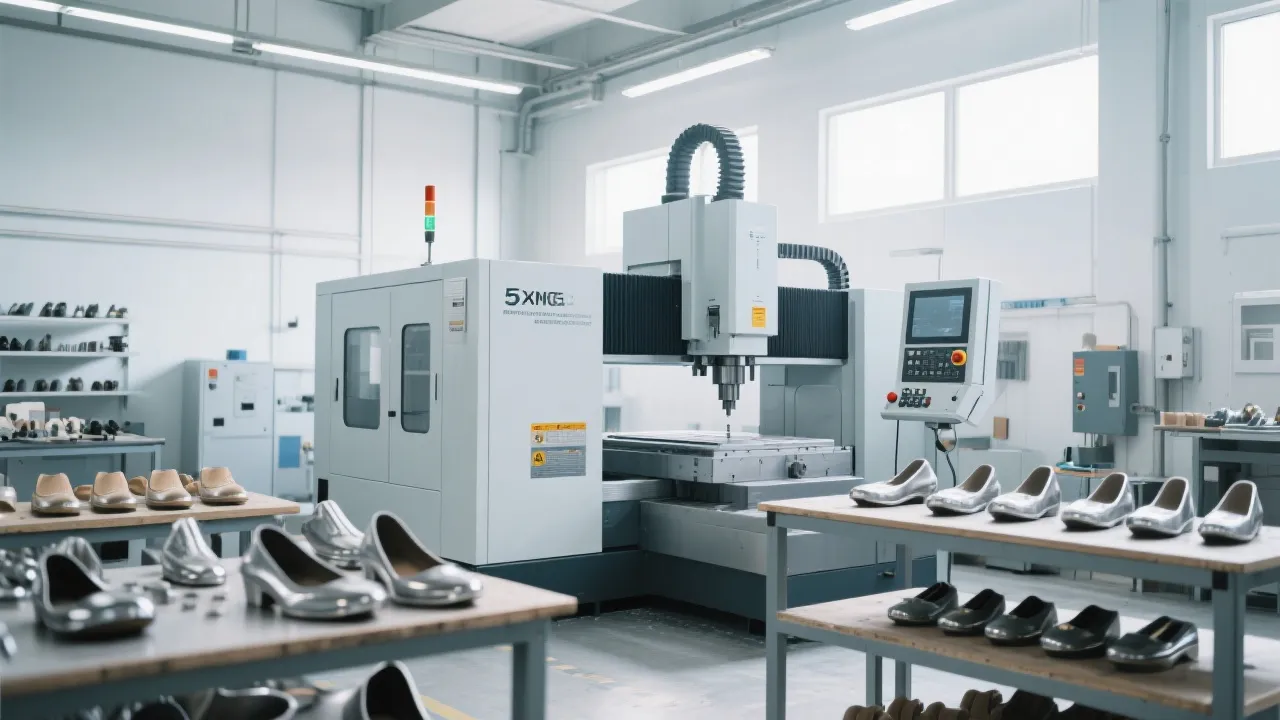
Ningbo Kaibo Numerical Control Machinery Co., Ltd. has developed the GJ8070 high-precision high-speed CNC milling machine specifically to address these challenges. This advanced machining center incorporates two key technological innovations that directly counter the issues of thermal deformation and machining stability:
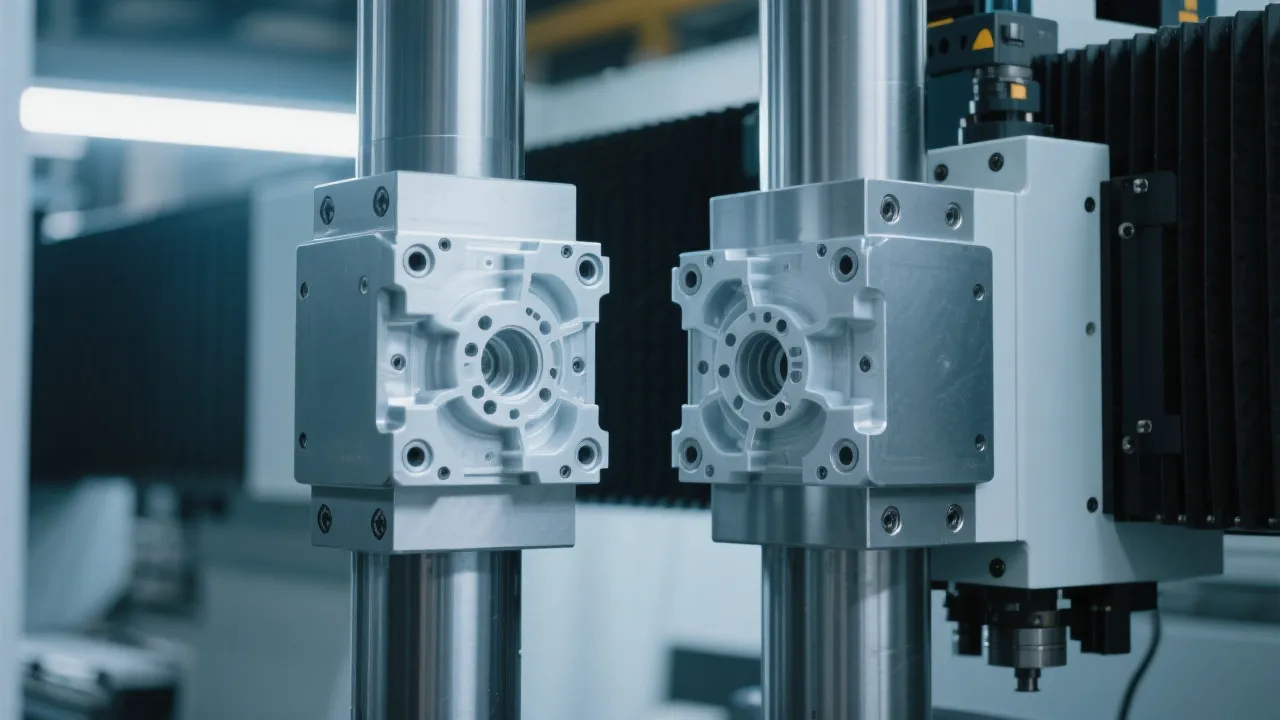
The machine's robust dual-column design provides 30% higher structural rigidity compared to traditional C-frame designs, minimizing deflection during high-speed machining. This rigidity ensures consistent cutting performance even under varying load conditions.
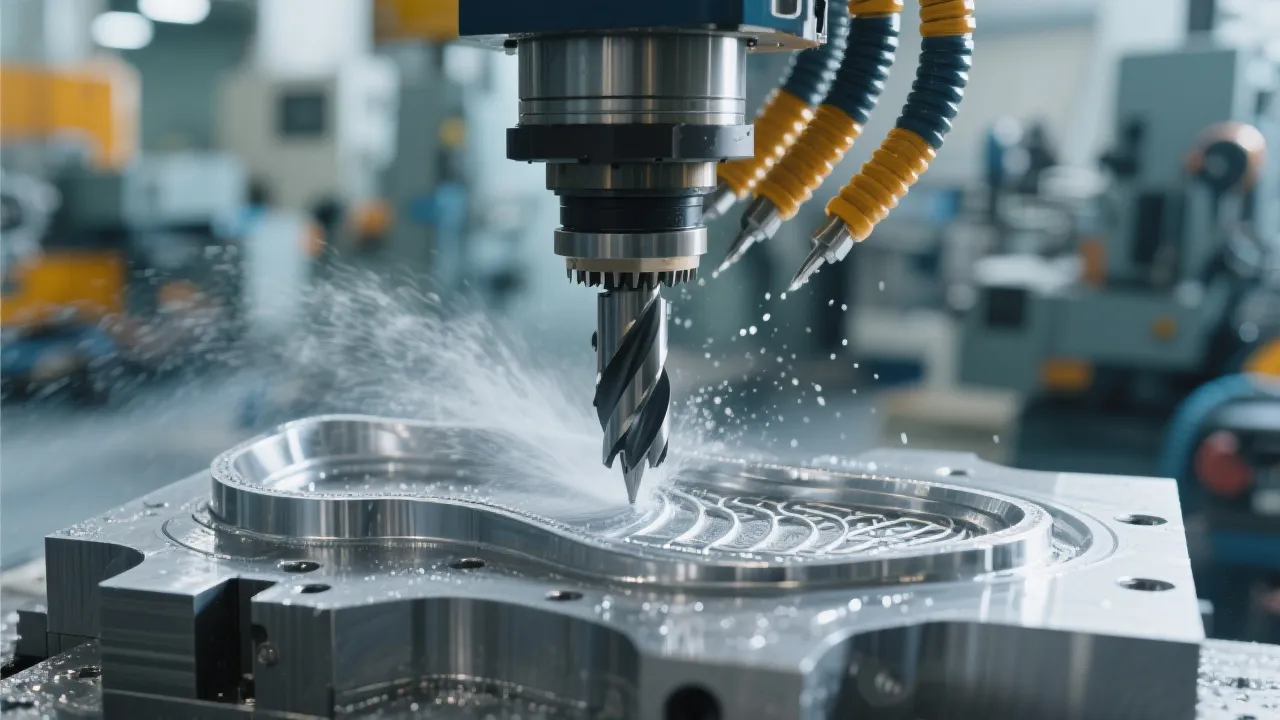
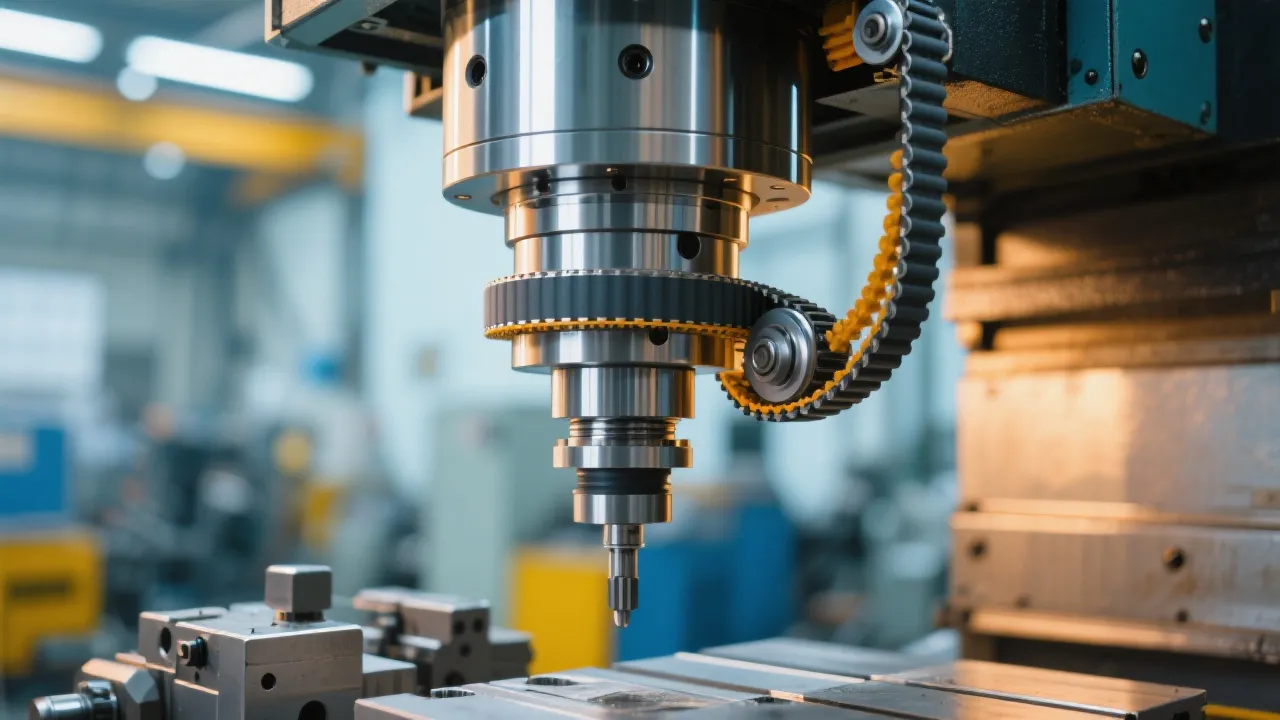
Equipped with an HSK-A63 spindle capable of speeds up to 15,000 RPM, the GJ8070 reduces cutting forces through higher rotational speeds, thereby minimizing heat generation at the cutting interface. The spindle's precision balancing ensures vibration-free operation even at maximum speed.
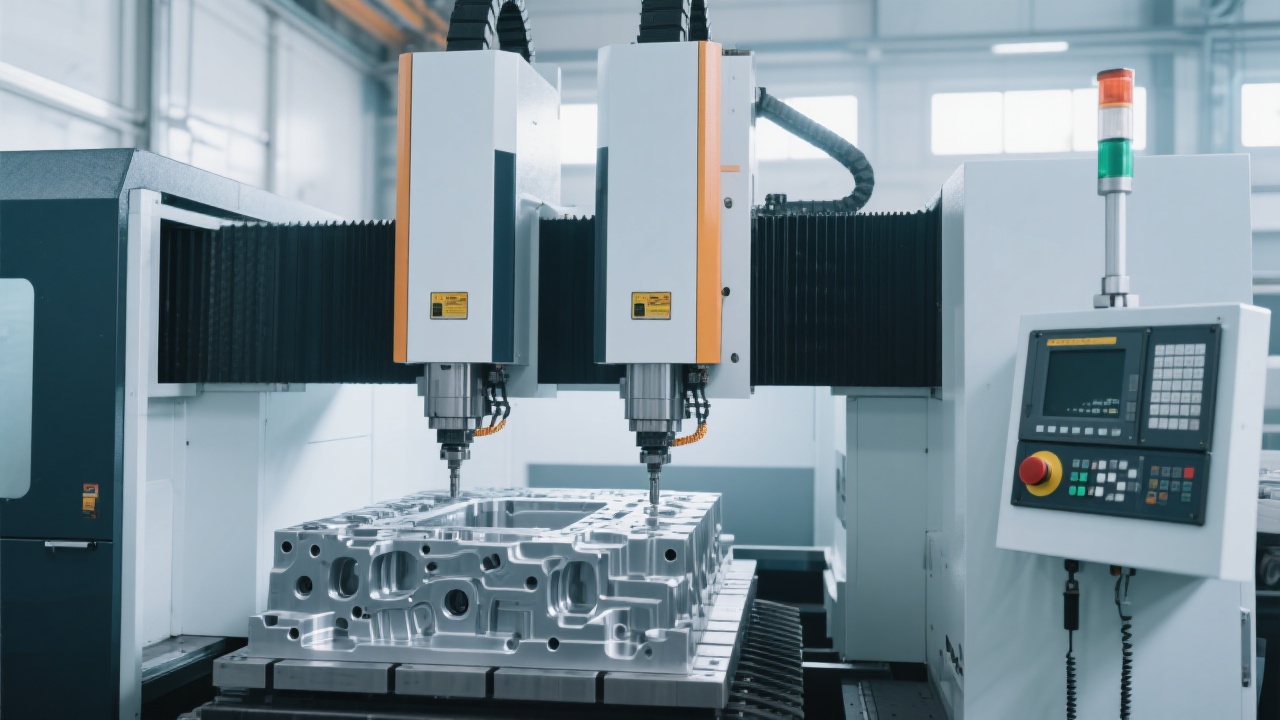
Optimal cutting parameters are crucial for minimizing thermal deformation in graphite machining. The following recommendations, developed through extensive testing on the GJ8070, provide a starting point for process optimization:
| Material Type | Spindle Speed (RPM) | Feed Rate (mm/min) | Depth of Cut (mm) | Cooling Method |
|---|---|---|---|---|
| Isotropic Graphite (Fine Grain) | 12,000-15,000 | 1,500-2,500 | 0.1-0.3 | Air blast + mist cooling |
| Extruded Graphite | 8,000-12,000 | 1,000-2,000 | 0.2-0.5 | Air blast |
| Graphite/Resin Composite | 10,000-13,000 | 1,200-1,800 | 0.15-0.4 | Mist cooling |
A leading die-casting tooling manufacturer recently faced challenges producing complex graphite electrodes for automotive transmission components. The intricate 3D geometry with thin walls (0.8mm) and tight tolerances (±0.01mm) resulted in frequent thermal deformation issues with their previous machining setup.
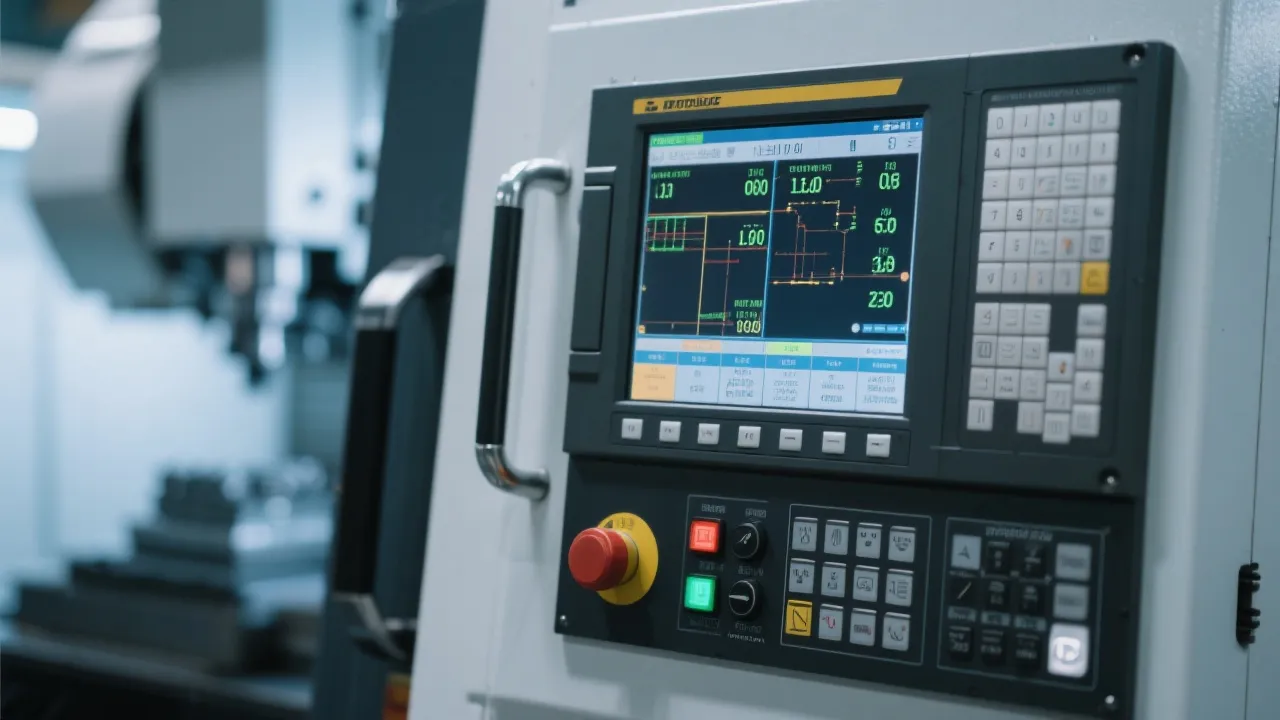
After implementing the GJ8070 with Fanuc控制系统 and optimized parameters, the manufacturer achieved:
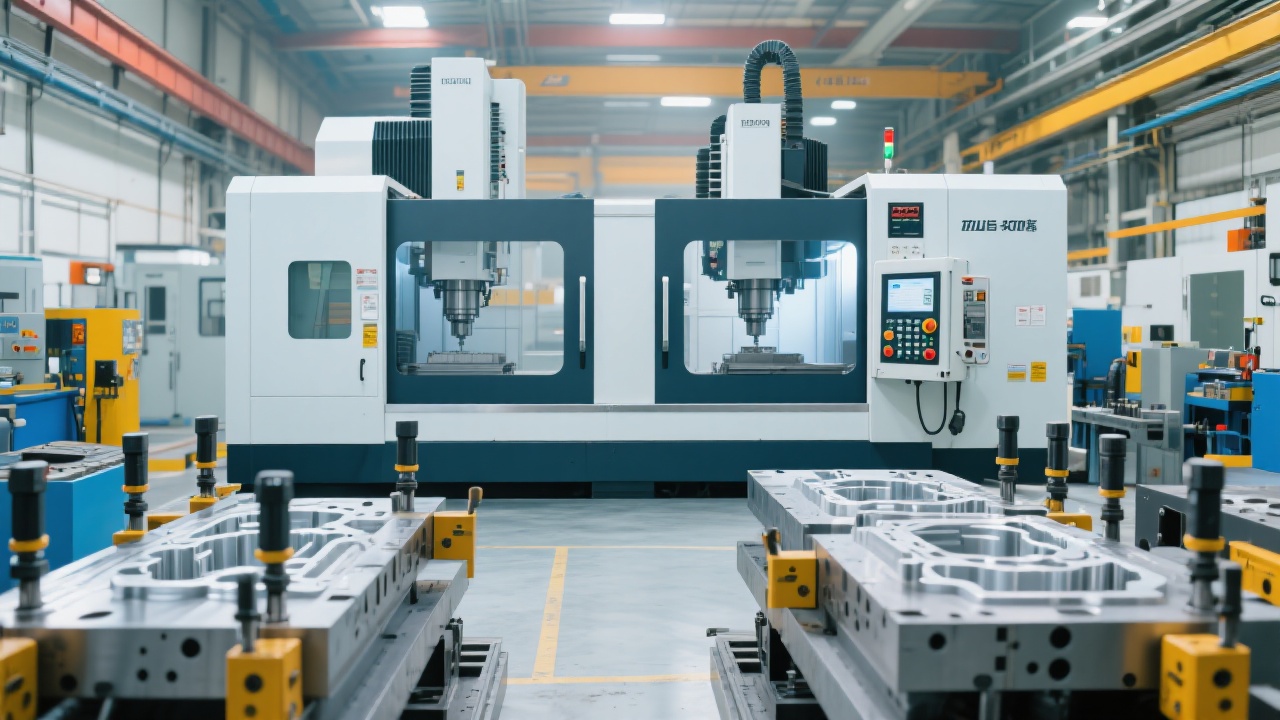
Beyond machine technology and cutting parameters, environmental factors play a critical role in minimizing thermal deformation:
Discover how Kaibo Numerical Control's precision machining solutions can help you overcome thermal deformation challenges and achieve consistent, high-quality results in graphite mold manufacturing.
Explore the GJ8070 CNC Milling SolutionImplementing these comprehensive solutions—combining advanced machine technology, optimized cutting parameters, and environmental controls—enables manufacturers to push the boundaries of precision in graphite mold machining. As material requirements continue to evolve, partnering with technology providers like Kaibo Numerical Control ensures access to the innovations needed to stay competitive in today's demanding manufacturing landscape.