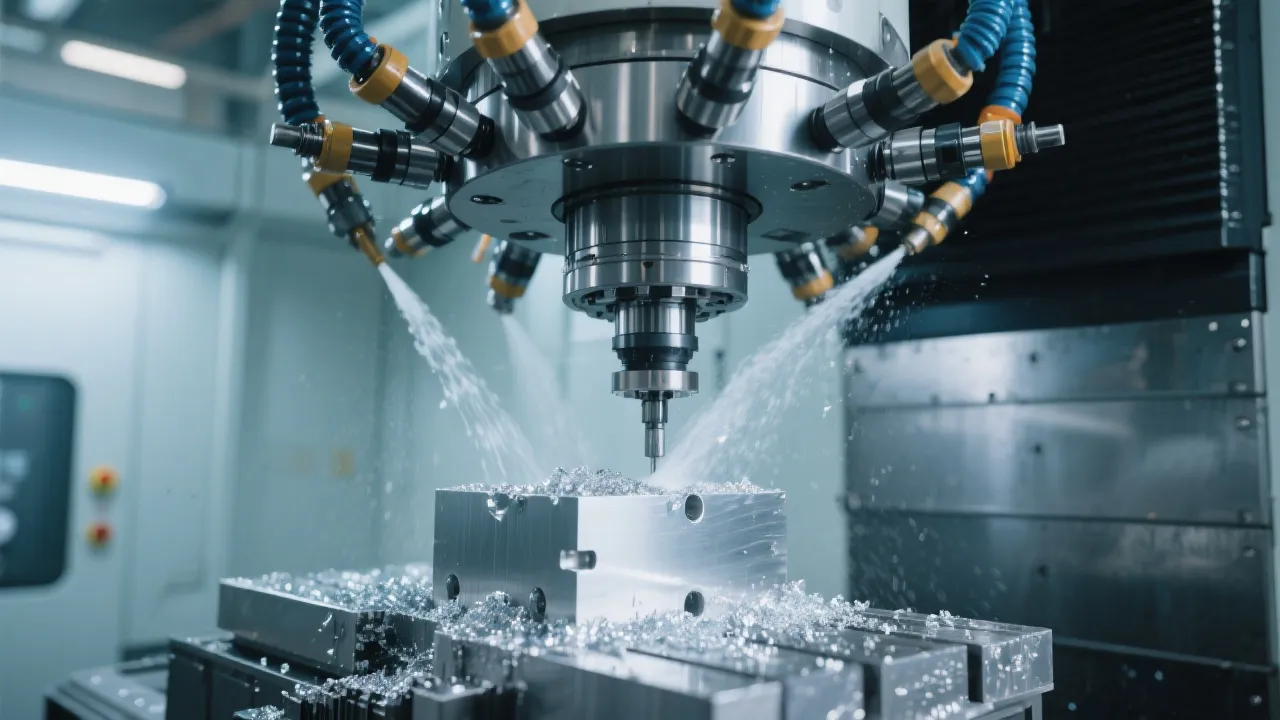
You’re not alone if you’ve seen your iron mold production plagued by inconsistent surface finishes, tool wear, or even scrapped parts after machining. These issues often trace back to one root cause: improper CNC milling machine selection. Whether you're a process engineer optimizing your shop floor or a procurement manager evaluating vendors, understanding how material properties meet machine capabilities is critical.
Let’s break down what really impacts precision and efficiency when working with gray cast iron (GCI) vs. ductile cast iron (DCI).
These aren’t just specs—they’re the foundation of stable, repeatable results. Many buyers fall into the trap of focusing only on nominal power ratings, ignoring load capacity under real-world conditions. A machine rated at 11 kW might deliver only 7–8 kW under sustained load—a gap that leads to premature tool failure and poor surface finish.
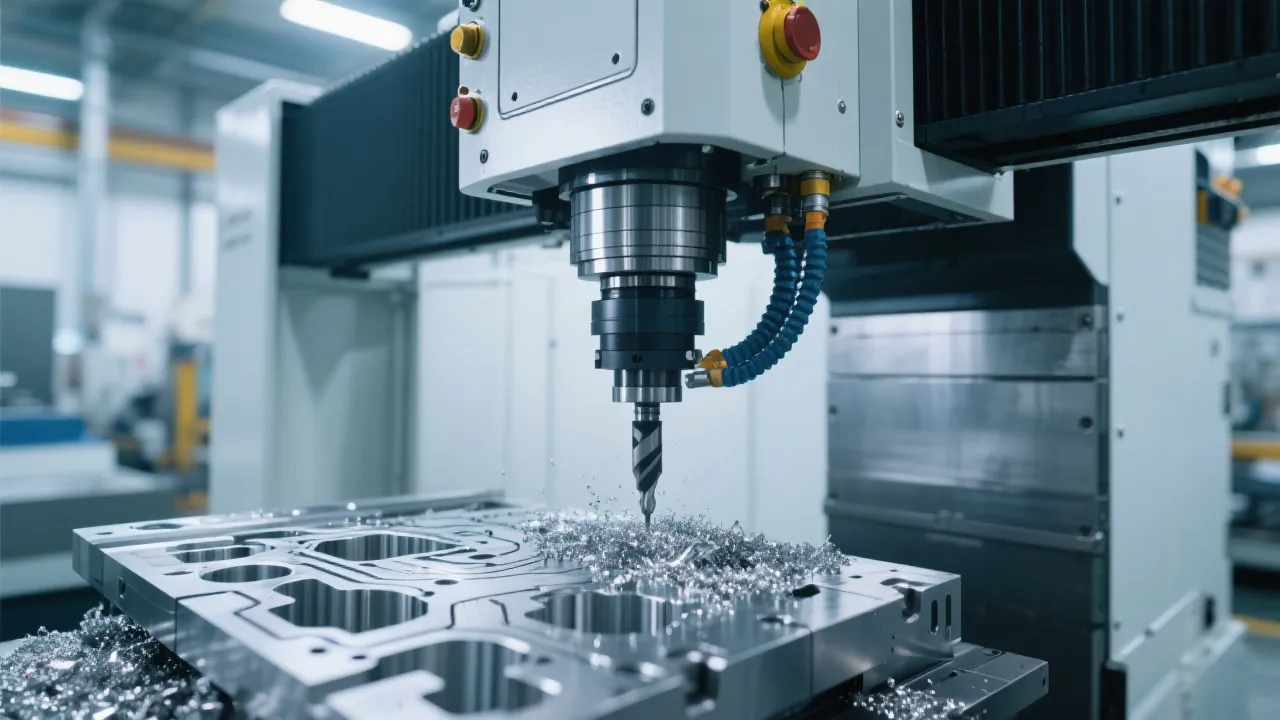
Gray cast iron is brittle but easy to cut—it generates less heat and has lower cutting resistance. However, it’s prone to chipping if the machine lacks rigidity. A minimum structural stiffness of 120 N/mm² is recommended.
Ductile cast iron, on the other hand, behaves more like steel—it requires higher rigidity (≥150 N/mm²), better cooling systems, and optimized chip evacuation paths to prevent re-cutting damage. Its higher thermal expansion means even small temperature changes can affect dimensional accuracy.
Before finalizing any purchase, run this quick validation test:
If your current machine fails even two of these tests, it’s time to reassess—not just upgrade, but redesign your workflow.
Pro Tip: When comparing machines, always ask for actual test reports from users in similar applications—not just marketing brochures. Real data beats promises every time.
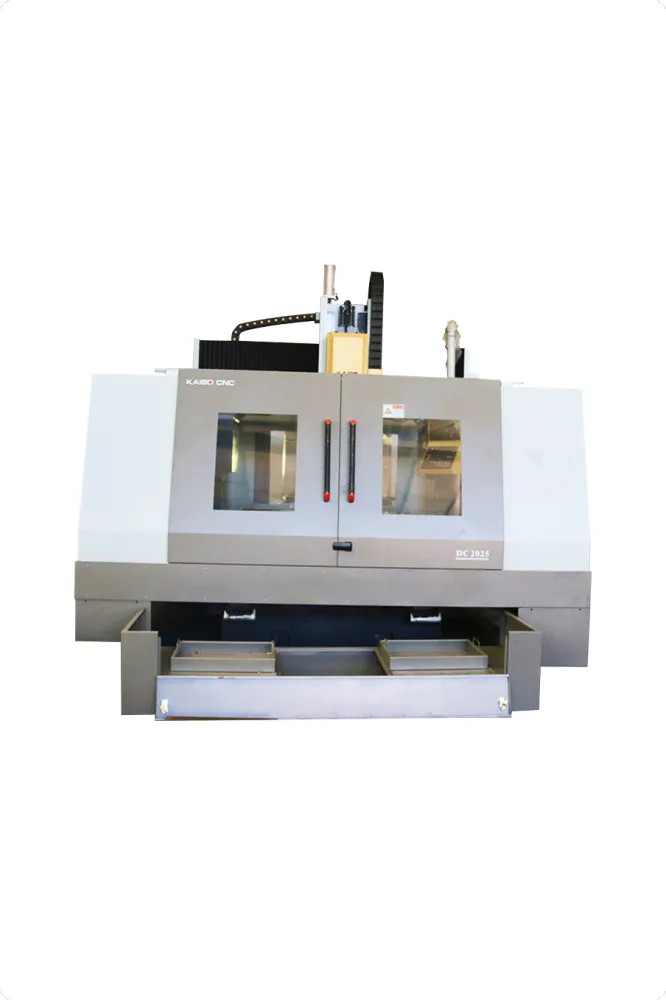
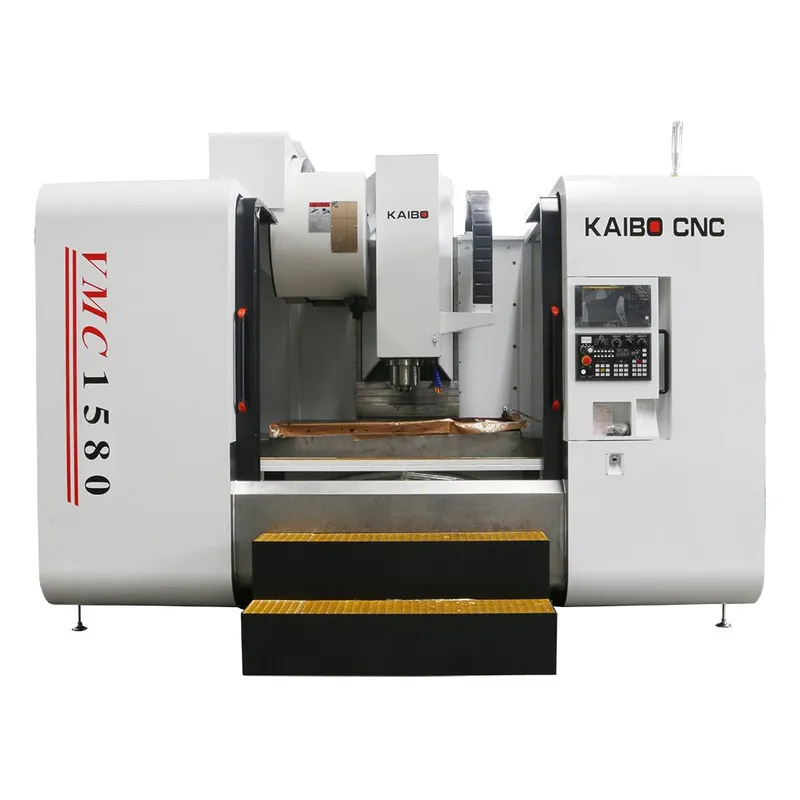
Choosing the right CNC mill isn't about chasing the latest tech—it's about matching capability to application. Select DC1113, and you choose a machine built for reliability, not just specs. Let every cut be precise. Let every die stand up to inspection.
Explore the DC1113 Series – Engineered for Precision Iron Mold MachiningHave questions about which machine fits your specific iron mold project? Share your challenge below—we’ll help you find the best fit.