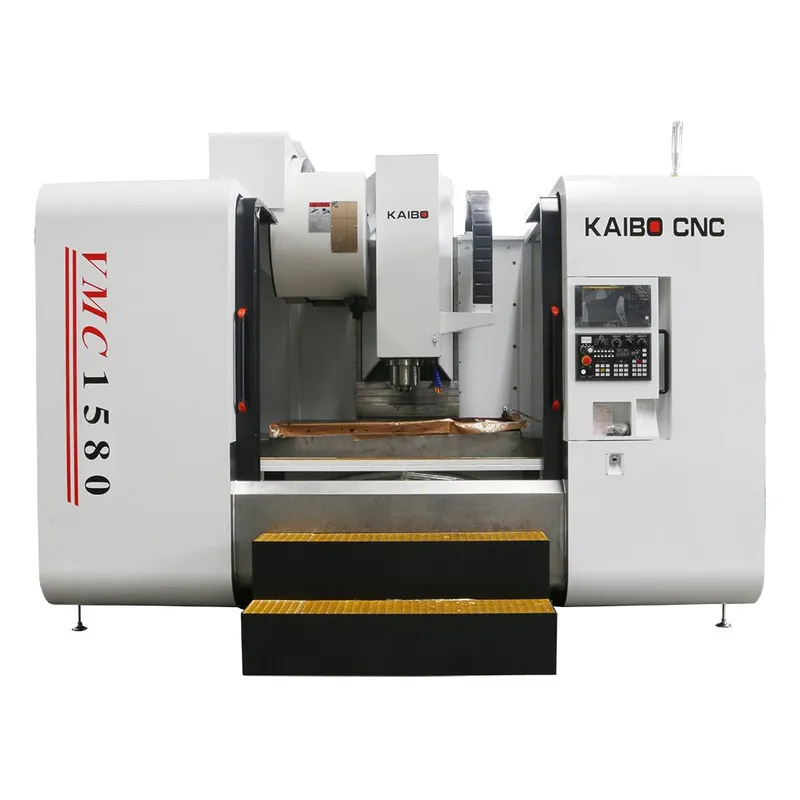
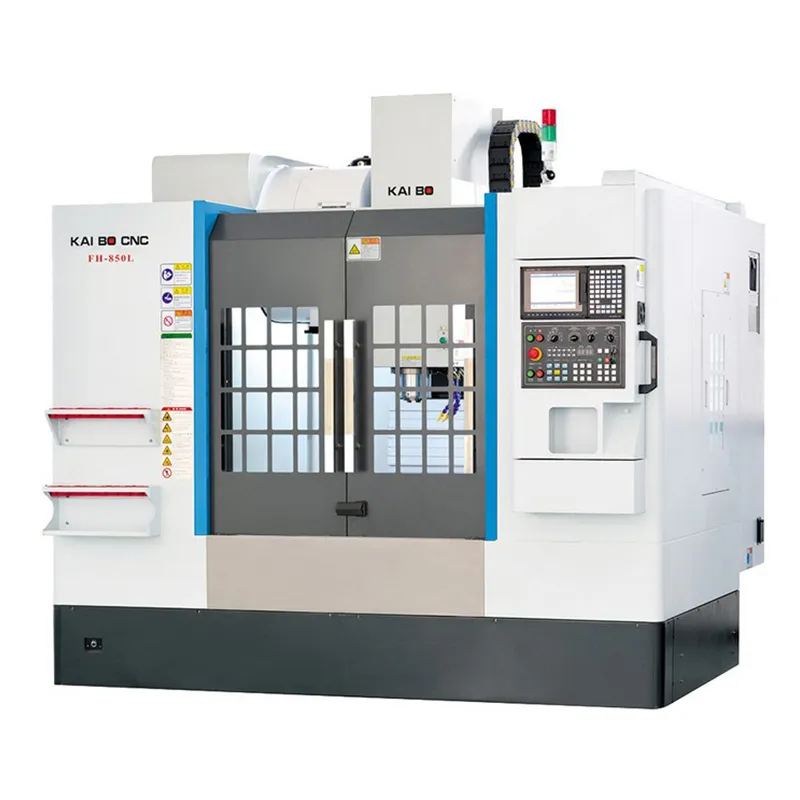
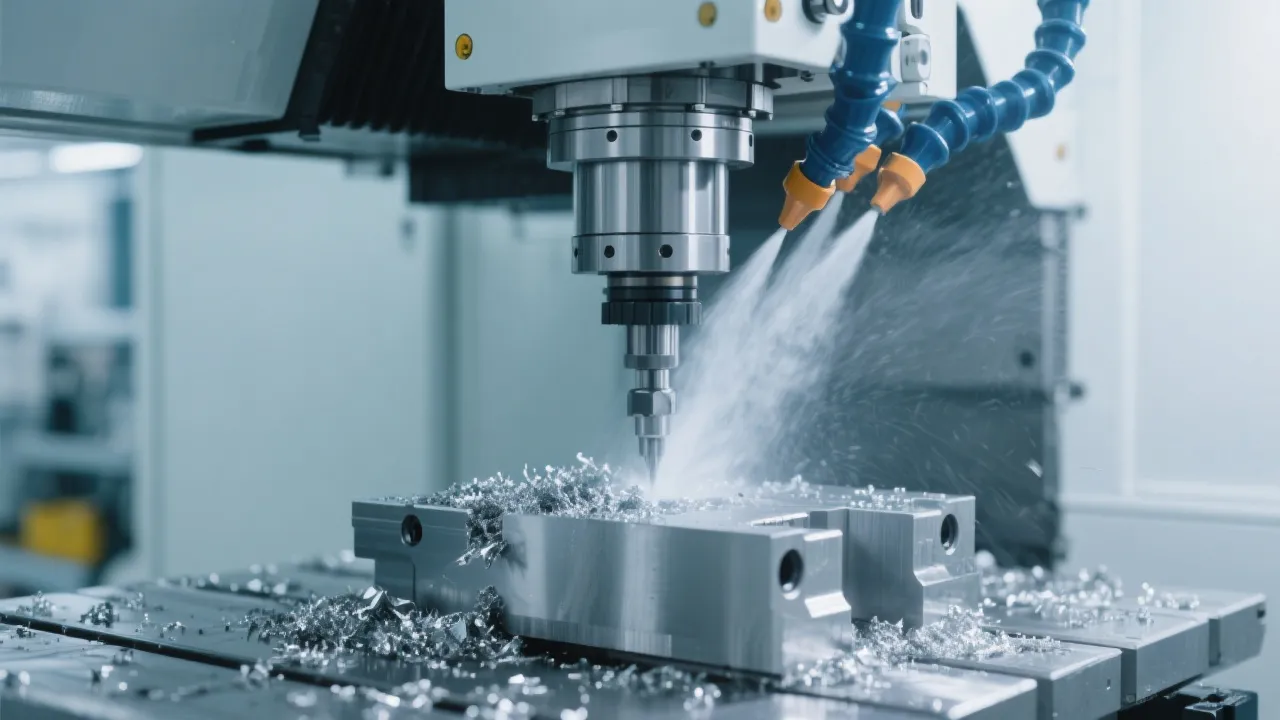
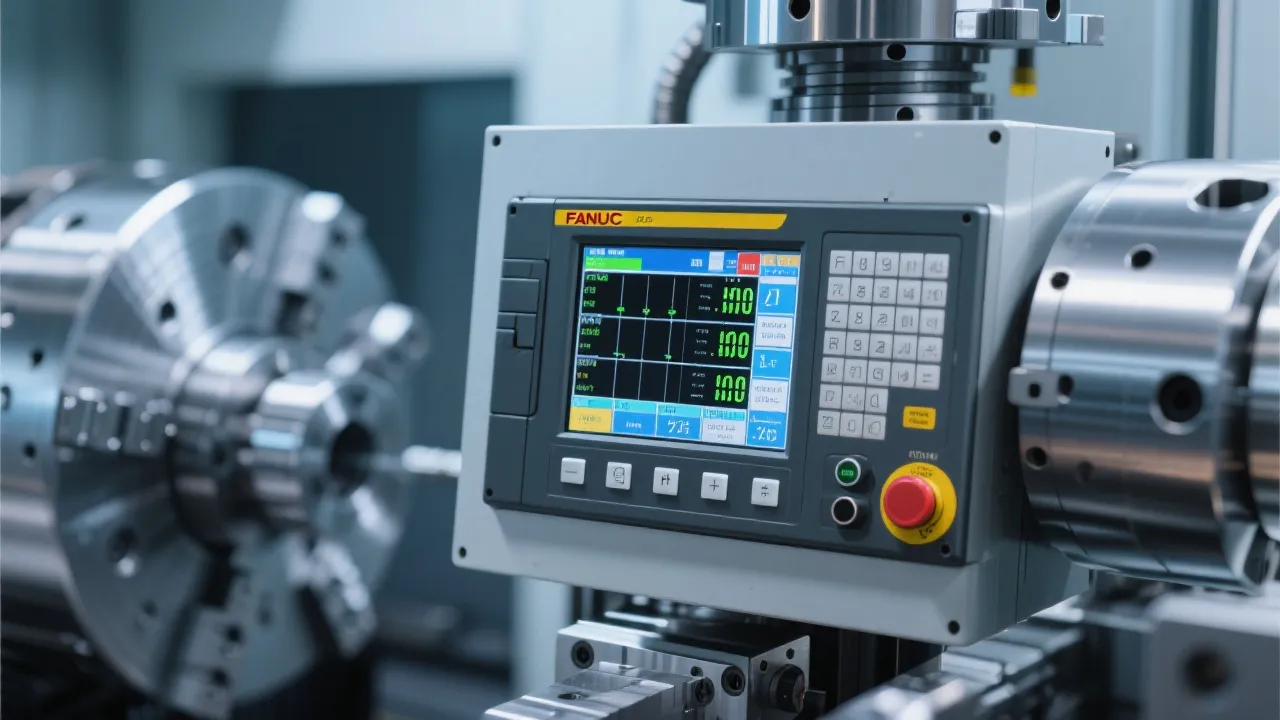
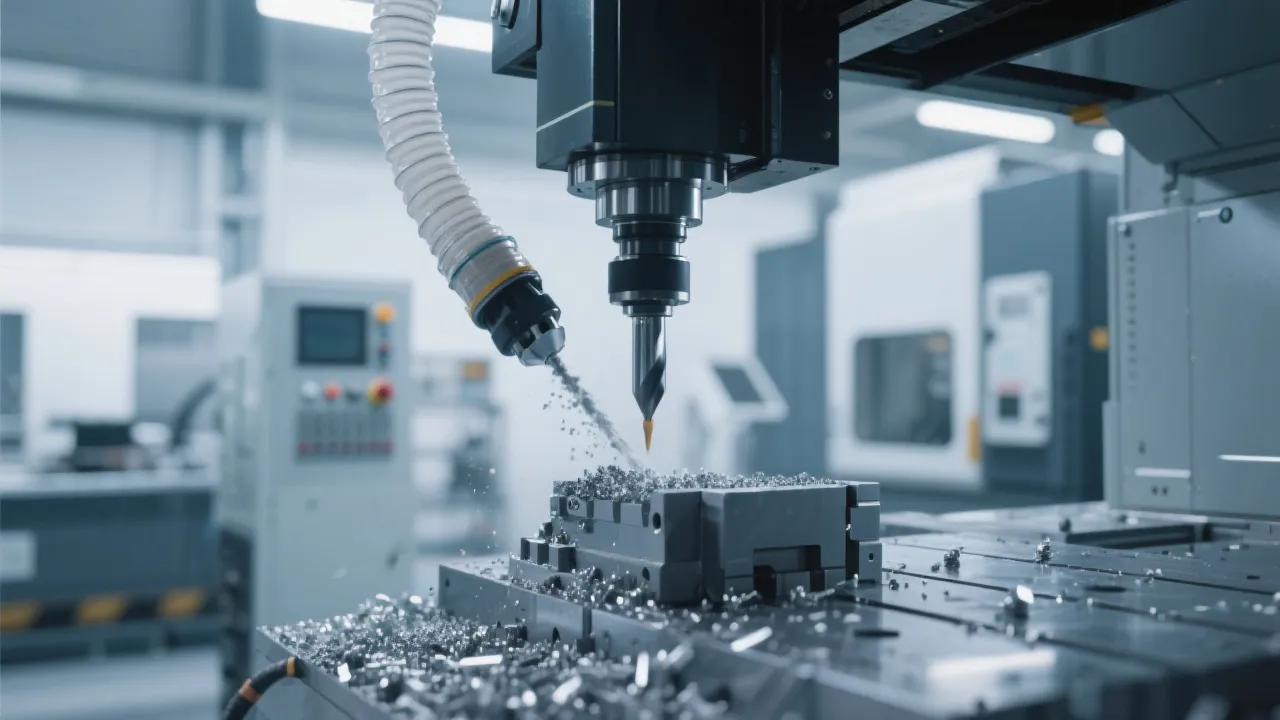
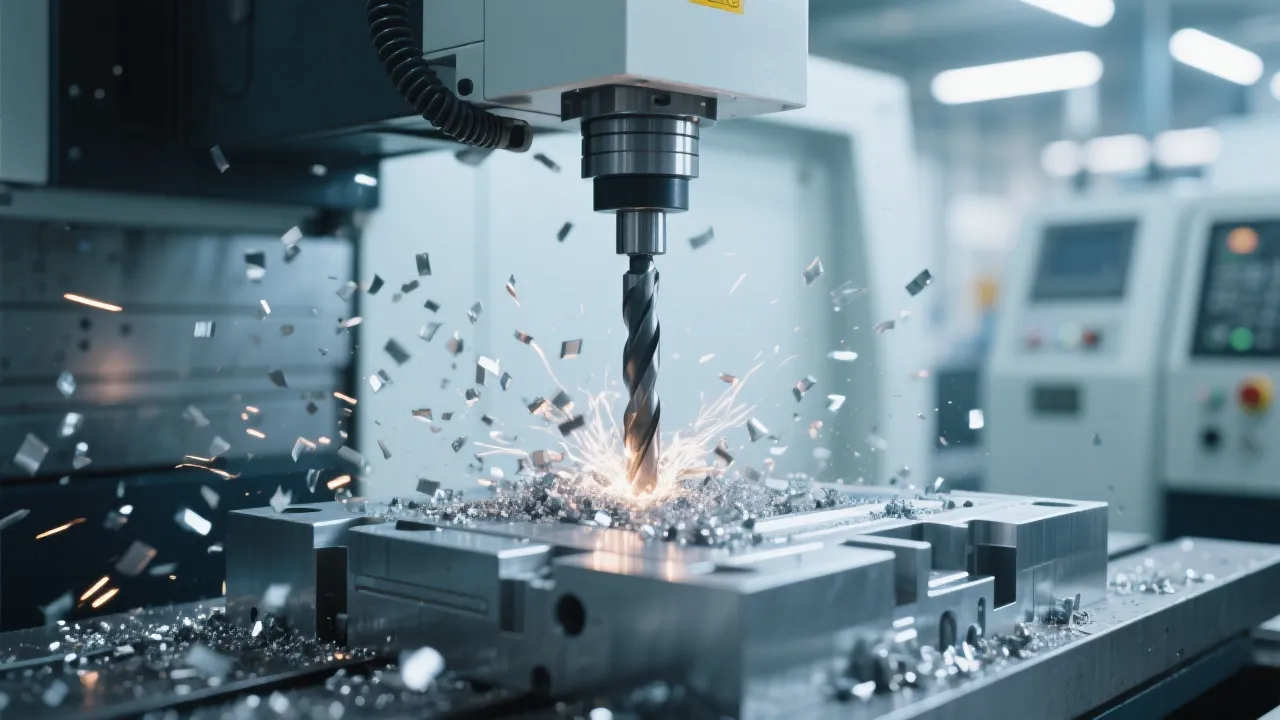
In the field of iron mold manufacturing, the selection and performance optimization of CNC milling machines are crucial for enterprises aiming to enhance competitiveness. This article is tailored to the needs of technical directors and equipment procurement managers in iron mold manufacturing companies, offering in - depth insights into these aspects.
When selecting a CNC milling machine for iron mold production, several core parameters need to be carefully considered. Positioning accuracy is one of the most important factors. For the machining of gray cast iron and ductile iron molds, a positioning accuracy of around ±0.02mm is generally required to ensure the precision of the final product. Repeat positioning accuracy also plays a significant role, with a standard of around ±0.01mm being preferable. This high - precision requirement is closely related to the nature of iron mold manufacturing, where even the slightest deviation can lead to product defects.
Spindle power is another critical parameter. Gray cast iron and ductile iron have different hardness and machinability. For gray cast iron, a spindle power of 7.5 - 11kW is often sufficient, while ductile iron may require a spindle power of 11 - 15kW to ensure efficient cutting under various loads. The choice of spindle power directly affects the processing efficiency and the performance of the milling machine under different working conditions.
The type of guide rail is also a key factor. Linear guide rails offer high - speed movement and good positioning accuracy, which are suitable for high - precision and high - speed machining. Roller guide rails, on the other hand, can bear large loads, which is more suitable for heavy - duty machining. The structure stiffness of the machine tool is equally important. A machine tool with high structural stiffness can effectively reduce vibration during the machining process, improving the surface finish of the workpiece and the service life of the tool.
Gray cast iron has good casting performance and machinability. When machining gray cast iron, a CNC milling machine with relatively lower spindle power but higher positioning accuracy can be selected. For example, a machine with a positioning accuracy of ±0.02mm and a spindle power of 7.5kW can meet most of the machining requirements for gray cast iron molds. The cutting speed can be set at 100 - 150m/min, and the feed rate can be around 0.1 - 0.2mm/r.
Ductile iron, however, has higher strength and toughness. Therefore, a CNC milling machine with higher spindle power and better structural stiffness is needed. A machine with a spindle power of 12kW and a high - rigidity structure can ensure stable machining of ductile iron molds. The cutting speed is usually set at 80 - 120m/min, and the feed rate is around 0.08 - 0.15mm/r.
To avoid blind procurement, a trial - cutting verification process is essential. This process involves using the selected CNC milling machine to process sample iron molds and then evaluating the machining results. The trial - cutting verification can help check whether the machine tool meets the requirements of positioning accuracy, surface finish, and machining efficiency. In this article, we also provide a 'Pitfall Avoidance Guide' and an evaluation checklist to enhance the practical value of the content.
We encourage readers to leave comments and feedback, which will support the iterative improvement of our content and the update of new product development status. If you are looking for high - precision and efficient CNC milling machines for iron mold production, click here to learn more about our cutting - edge solutions.