In the realm of iron mold manufacturing, the selection of a suitable CNC milling machine is crucial for enhancing processing efficiency and precision. This guide will delve into the key parameters for selecting a CNC milling machine when working with gray cast iron, offering practical insights and strategies to help you make informed decisions.
Many businesses in the iron mold industry face common issues such as high rework rates in iron mold milling and unstable equipment performance. These problems not only increase production costs but also affect product quality and delivery timelines. By understanding the root causes and taking targeted measures, manufacturers can significantly improve their operations.
When it comes to CNC milling machines, two important accuracy parameters are positioning accuracy and repeat positioning accuracy. Positioning accuracy refers to the actual location of the machine's tool relative to the programmed position. Repeat positioning accuracy, on the other hand, indicates the consistency of the machine's tool return to the same position over multiple cycles. For iron mold manufacturing, a high level of both positioning and repeat positioning accuracy is essential to ensure the quality and dimensional stability of the final product. Generally, a positioning accuracy of ±0.01mm and a repeat positioning accuracy of ±0.005mm are recommended for high - precision iron mold processing.
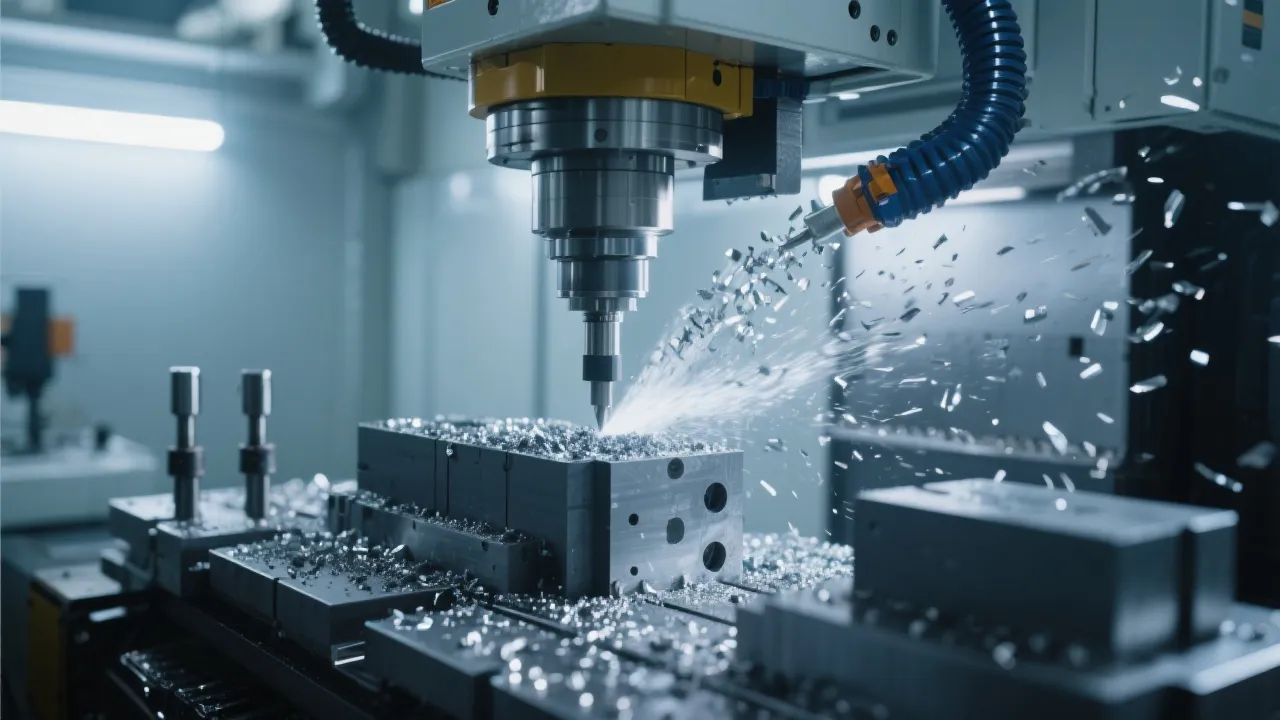
The cutting characteristics of gray cast iron, such as high hardness and brittleness, require careful consideration of spindle power. Instead of relying solely on the nominal power, the load - carrying capacity of the spindle is more important. Based on industry experience, a spindle power range of 8 - 15kW is generally suitable for gray cast iron processing. A lower power spindle may struggle to handle large - scale cutting operations, leading to slow processing speeds and increased tool wear. Conversely, an overly powerful spindle may cause unnecessary energy consumption and higher equipment costs.
| Guide Rail Type | Advantages | Disadvantages | Suitability |
|---|---|---|---|
| Linear Guide Rail + Ball Screw | High motion speed, good positioning accuracy, low friction | Relatively low load - carrying capacity, less suitable for heavy - duty cutting | Suitable for high - speed, light - duty iron mold processing |
| Hydrostatic Guide Rail | High load - carrying capacity, good damping performance, stable operation | Higher cost, more complex maintenance | Ideal for heavy - duty, high - precision iron mold processing |
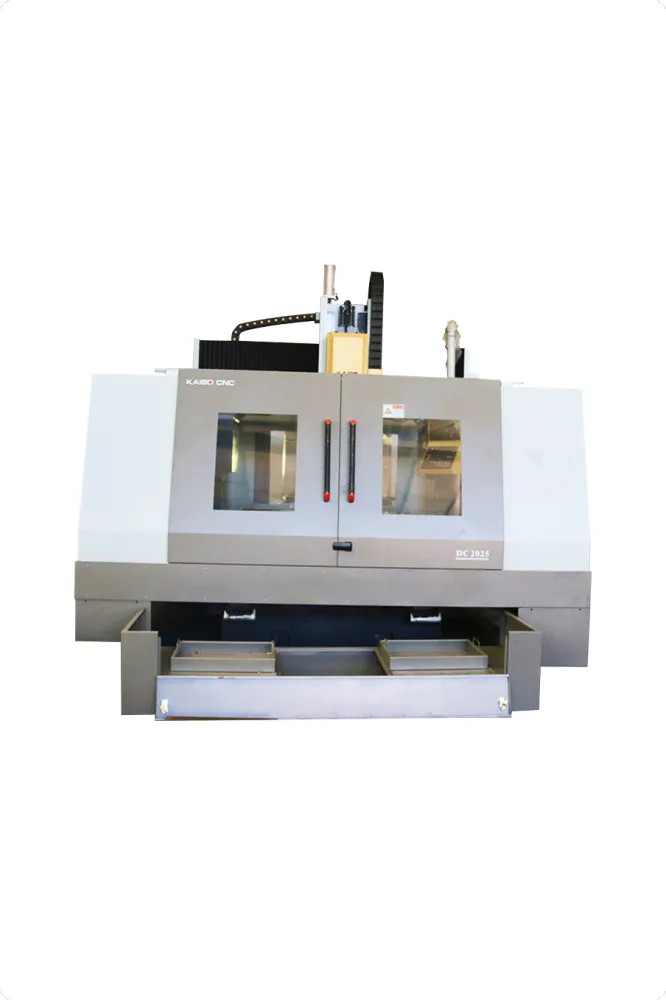
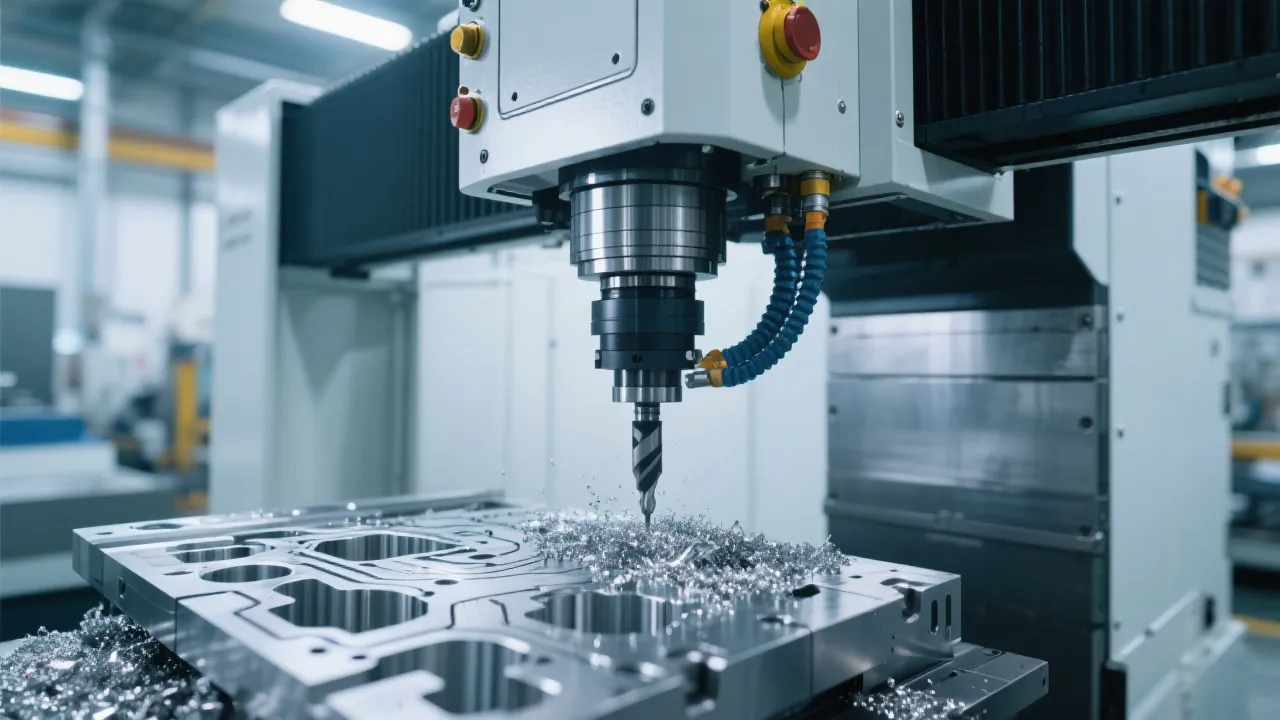
Machine tool structure plays a vital role in ensuring long - term high - precision operation. Take the KB DC1113 as an example, which features a fixed cross - beam and a moving gantry structure. This design effectively reduces vibration during the machining process, ensuring zero - vibration throughout the gray cast iron processing. The high structural stiffness of the moving gantry structure also provides better support for the spindle and tool, resulting in more accurate and stable machining results.
Before conducting trial cutting, it is essential to check five key indicators: spindle runout, guide rail parallelism, ball screw clearance, tool holder accuracy, and machine levelness. Avoid common mistakes such as improper tool installation, incorrect cutting parameter settings, and insufficient lubrication. As an industry expert once said, “A thorough pre - trial check is half the success in iron mold machining.”
New guide rail materials and multi - axis linkage technologies are bringing new opportunities for the upgrade of iron mold manufacturing. For instance, the application of carbon fiber - reinforced composite guide rails can further improve the machine's motion performance and reduce weight. Multi - axis linkage technology allows for more complex machining operations, significantly enhancing the flexibility and efficiency of iron mold production.
If you're looking to optimize your iron mold production line with a high - performance CNC milling machine, click here to explore our range of products and solutions.