
In the realm of iron mold machining, precision is paramount. However, many manufacturers often encounter a common headache: the decline in machining precision due to vibrations. This issue not only affects the quality of the final product but also reduces production efficiency. In this article, we will delve into how the bridge-type double-column structure of the Kaibo CNC DC1113 machine tool can address these challenges, offering a stable, efficient, and high-precision solution for iron mold milling.
Iron mold machining involves complex processes, and vibrations are one of the main culprits for precision problems. Traditional machining structures, such as vertical and gantry structures, are prone to vibration transmission during heavy cutting and complex contour milling. For example, when machining large cast iron parts, the vibration generated by the cutting force can cause the tool to deviate from the intended path, resulting in inaccurate dimensions and poor surface quality. According to industry statistics, in traditional machining, up to 30% of the products may have precision deviations due to vibrations.
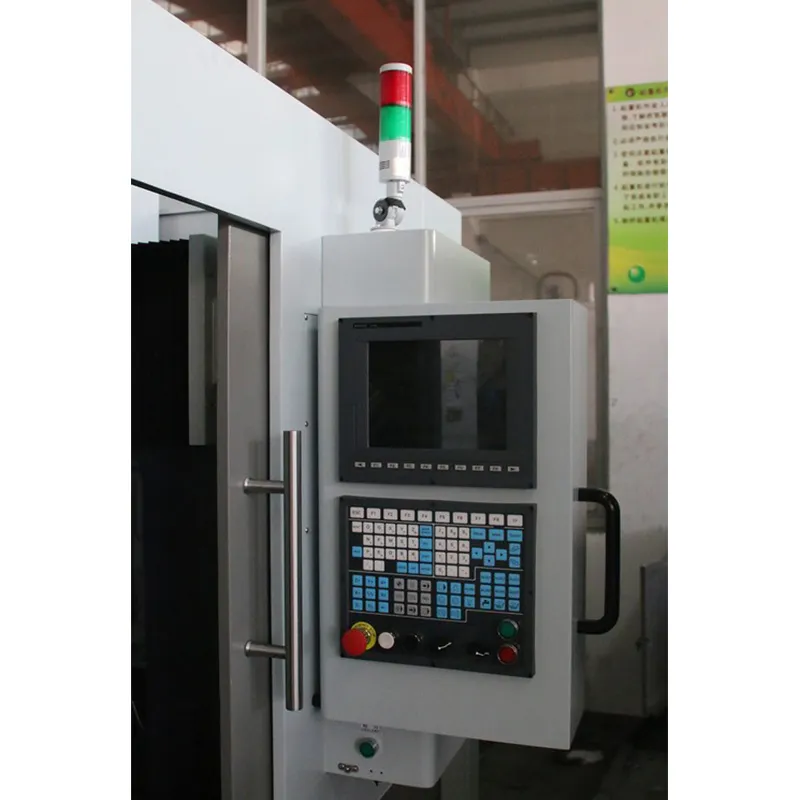
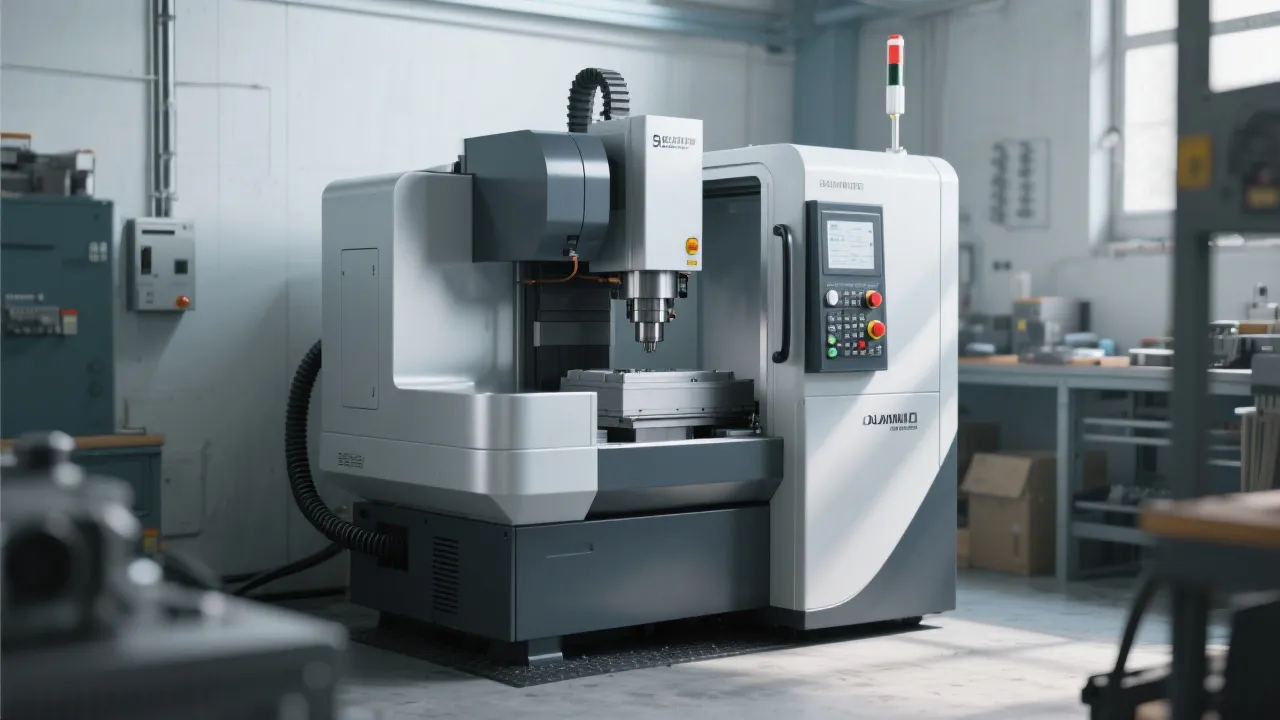
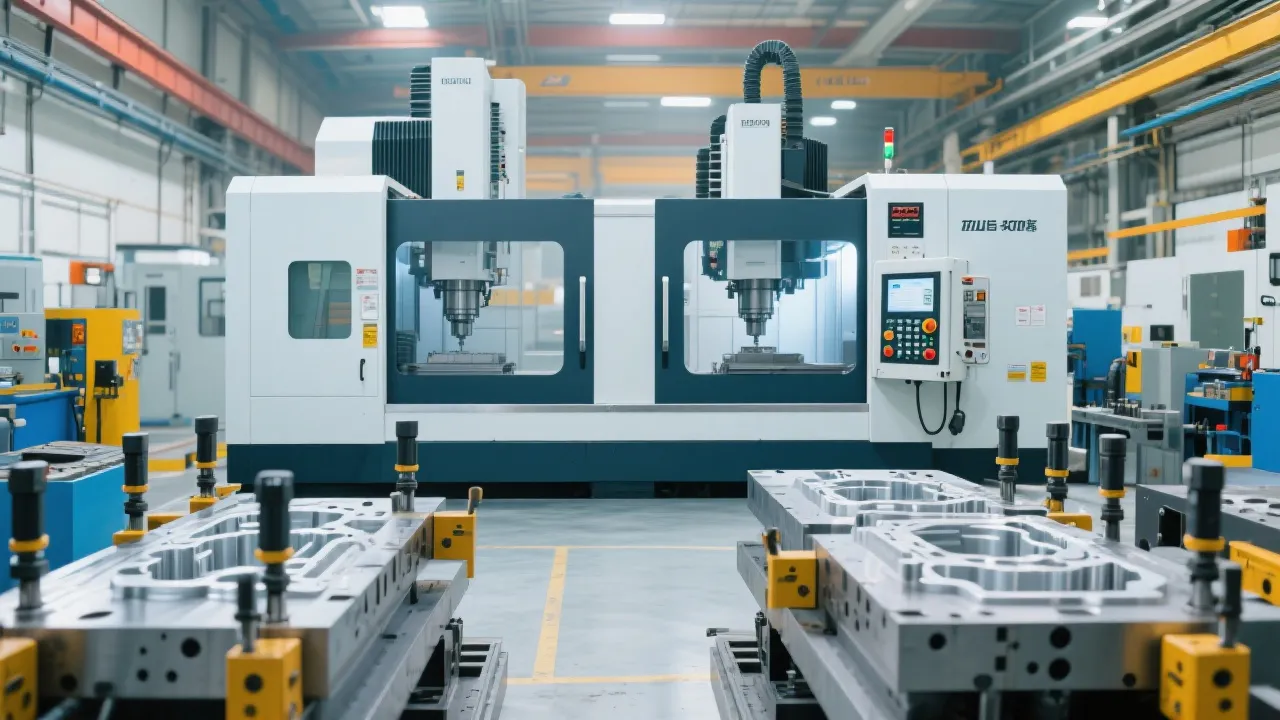
The bridge-type double-column structure of the Kaibo CNC DC1113 machine tool offers significant advantages over traditional structures. Its design features a fixed crossbeam and a moving worktable, which effectively reduces vibration transmission. Think of it like a building's seismic resistance. Just as a well-designed building can withstand earthquakes better, the bridge-type double-column structure provides high dynamic rigidity, similar to a building's ability to resist seismic forces. This structure ensures that the cutting force is evenly distributed, minimizing the impact of vibrations on the machining process.
Compared with traditional vertical and gantry structures, the bridge-type double-column structure has a higher natural frequency, which means it is less likely to resonate with the cutting force. This results in better stability during heavy cutting and complex contour milling. In fact, in practical applications, the Kaibo CNC DC1113 machine tool with the bridge-type double-column structure can increase the machining efficiency by up to 20% compared to traditional machines. Additionally, it can improve the surface quality of the machined parts, reducing the need for secondary finishing operations.
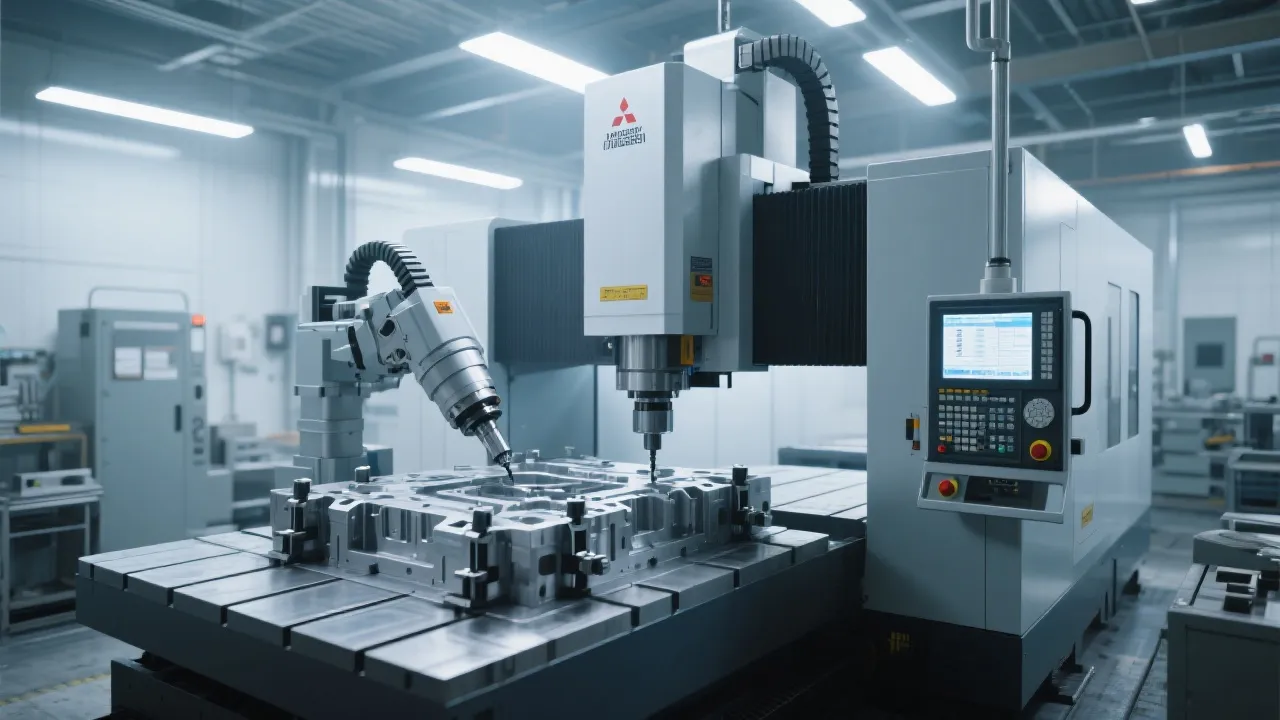
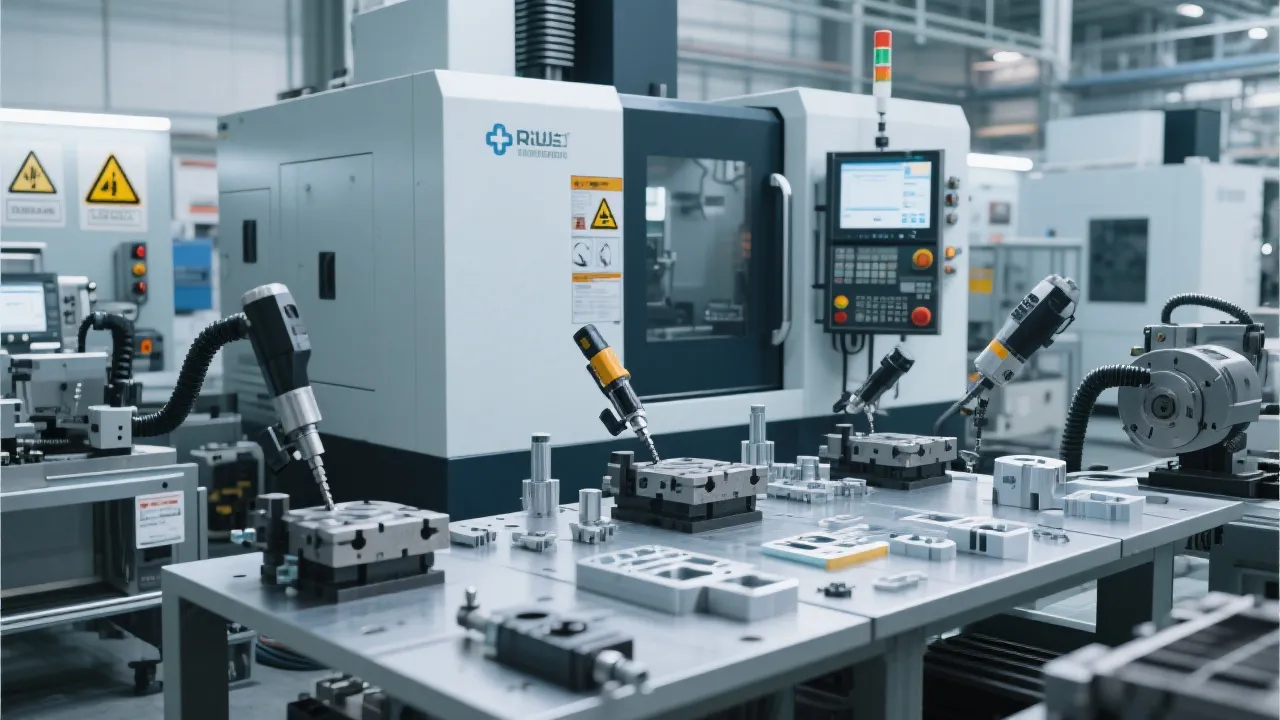
Let's take a look at some typical application scenarios to see how the bridge-type double-column structure improves the machining effect. In the machining of inserts, which require high precision and complex contours, the Kaibo CNC DC1113 machine tool can achieve accurate and smooth machining. The stable structure ensures that the tool can follow the complex contour precisely, resulting in inserts with excellent dimensional accuracy and surface finish. In the case of large cast iron parts, the heavy cutting ability of the bridge-type double-column structure allows for efficient material removal. The machine tool can handle large cutting depths and feeds, reducing the machining time. For example, in a customer case, the machining time for a large cast iron part was reduced from 8 hours to 6 hours, a 25% reduction in time.
Based on the experience of our engineers, proper maintenance is crucial for the long-term performance of the machine tool. For the bridge-type double-column structure, regular lubrication of the guide rails is essential. This reduces friction and wear, ensuring smooth movement of the worktable. Additionally, controlling the thermal balance of the machine tool is important. Temperature changes can cause the machine tool to expand or contract, affecting the machining precision. By implementing effective thermal management measures, such as using cooling systems, the impact of temperature changes can be minimized.
In the high-end mold manufacturing industry, precision, efficiency, and stability are the key factors for success. The bridge-type double-column structure of the Kaibo CNC DC1113 machine tool meets all these requirements. Its high rigidity, low vibration, and excellent machining performance make it the preferred choice for many high-end mold factories. By choosing the Kaibo CNC DC1113 machine tool, you are not only getting a stable machining solution but also a guarantee of efficiency and precision.
Ready to take your iron mold machining to the next level? Choose the Kaibo CNC DC1113 machine tool with the bridge-type double-column structure and experience the difference in precision and efficiency. Click here to learn more.






 <#else>





