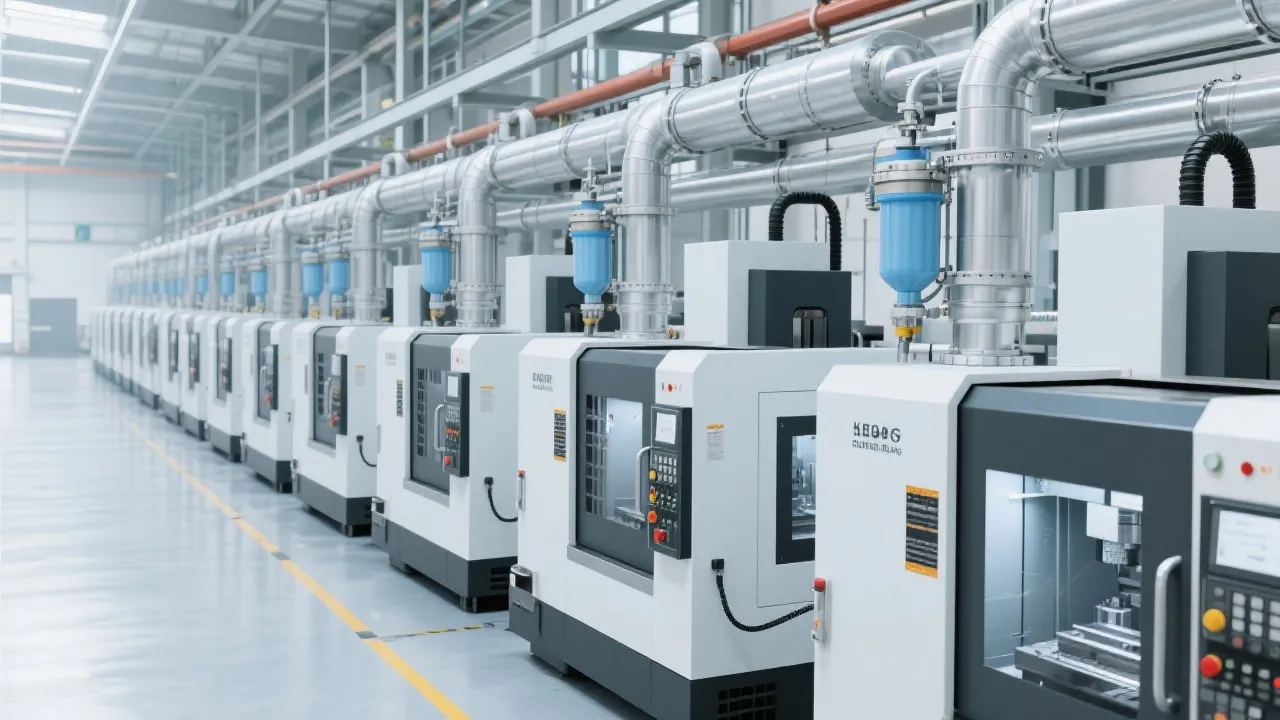
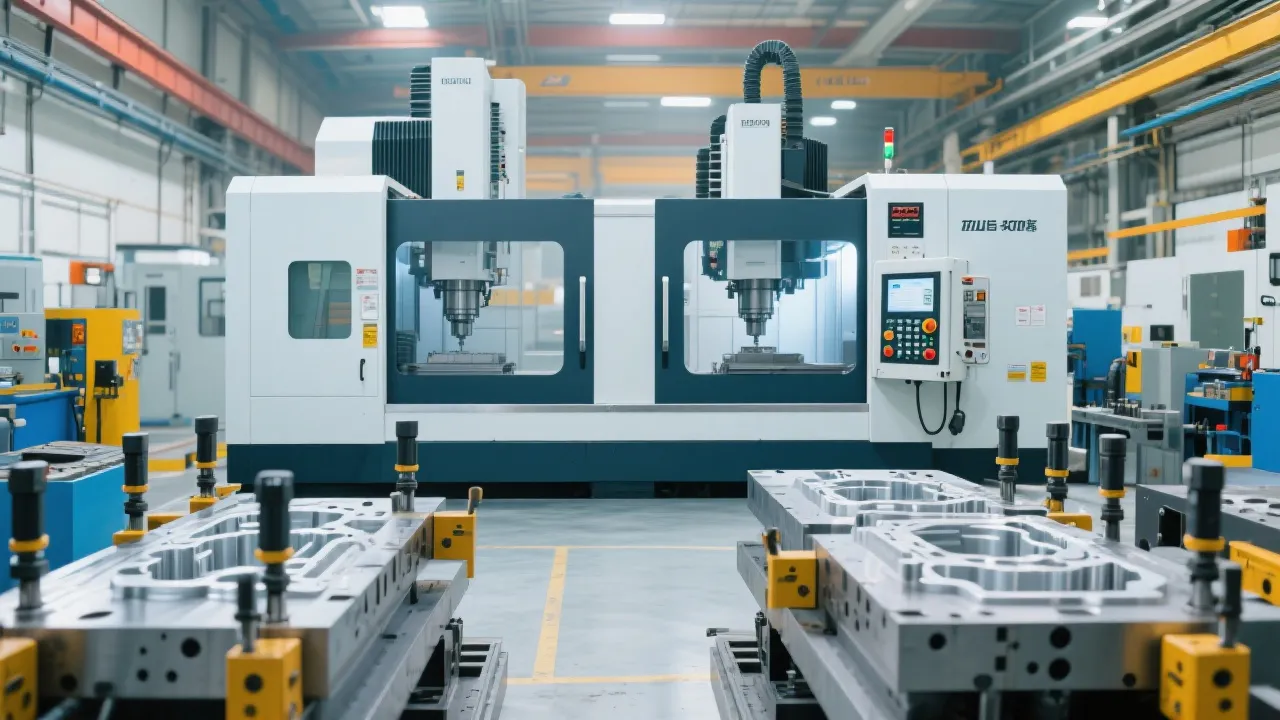
In the field of iron mold manufacturing, choosing the right CNC milling machine is crucial. Many iron mold manufacturing enterprises often encounter various problems during the selection process. For example, low processing efficiency and unstable precision are common issues. You may have faced situations where the iron mold processing takes too long, or the precision of the finished products cannot meet the requirements. These problems not only affect the production efficiency but also increase the production cost.
Positioning accuracy refers to the ability of the machine tool to move to a specified position. Generally, for high - precision iron mold processing, the positioning accuracy should be within ±0.01mm. Repeatability accuracy, on the other hand, reflects the ability of the machine to return to the same position multiple times. A good iron mold CNC milling machine should have a repeatability accuracy of ±0.005mm. These two parameters directly affect the dimensional accuracy and surface quality of the iron mold. The following table compares the high - end and general - purpose machine tool in terms of these two parameters:
| Parameter | High - end Machine Tool | General - purpose Machine Tool |
|---|---|---|
| Positioning Accuracy | ±0.01mm | ±0.02mm |
| Repeatability Accuracy | ±0.005mm | ±0.01mm |
The spindle power of the CNC milling machine should be matched with the material and processing requirements of the iron mold. For gray cast iron and ductile cast iron, different spindle powers are required. Generally, for gray cast iron with a hardness of HB180 - 220, a spindle power of 7.5 - 11kW is sufficient. While for ductile cast iron with higher hardness (HB220 - 260), a spindle power of 11 - 15kW is recommended. Insufficient spindle power may lead to slow processing speed and poor surface quality, while excessive power will increase energy consumption and cost.
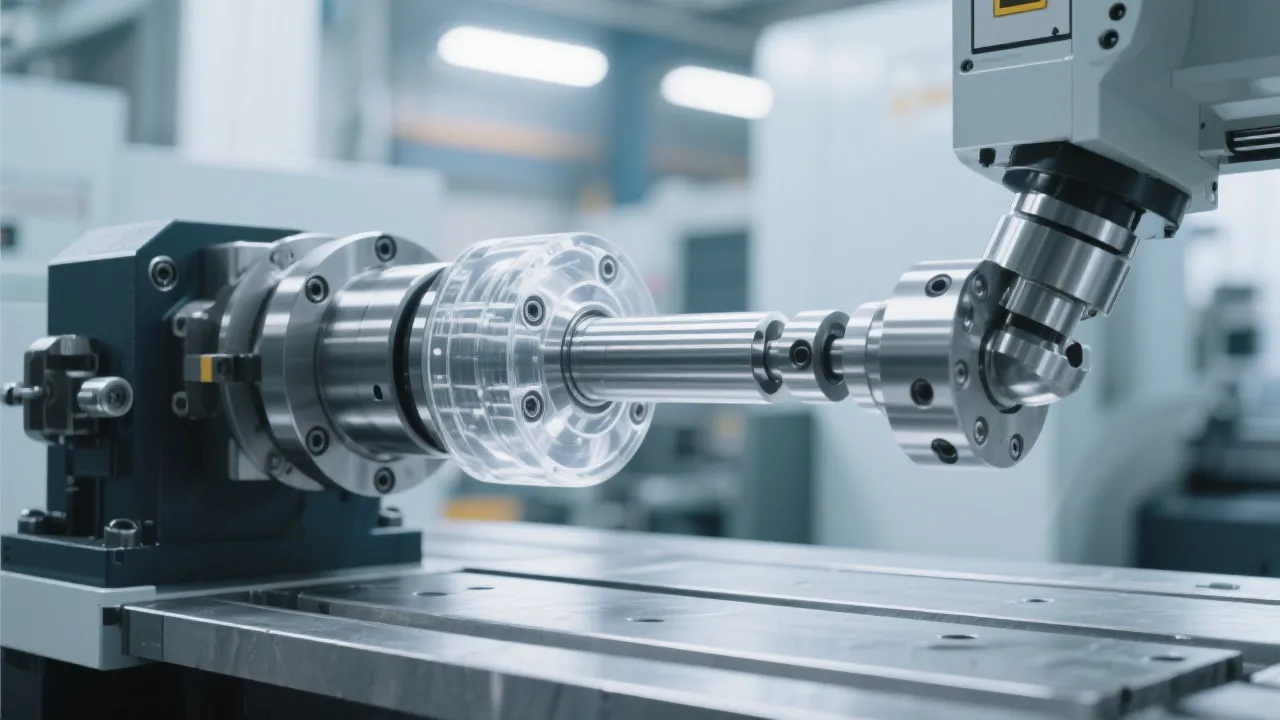
There are mainly two types of guide rails for CNC milling machines: linear guide rails and box - type guide rails. Linear guide rails have high motion accuracy and fast movement speed, which are suitable for high - speed and high - precision processing. Box - type guide rails have high rigidity and load - bearing capacity, which are more suitable for heavy - duty processing. When processing iron molds, the choice of guide rails should be based on the specific processing requirements. For small - and medium - sized iron molds with high precision requirements, linear guide rails are a good choice; for large - sized and heavy - duty iron molds, box - type guide rails are more appropriate.
Gray cast iron has good casting performance and cutting performance. When processing gray cast iron, the machine tool should focus on ensuring the smoothness of the cutting process. Ductile cast iron has higher strength and toughness, which requires the machine tool to have higher cutting force and rigidity. Therefore, when choosing a CNC milling machine, it is necessary to fully consider the material characteristics of the iron mold. For gray cast iron, a machine tool with a relatively flexible cutting system can be selected; for ductile cast iron, a machine tool with high - power spindle and high - rigidity guide rails should be preferred.
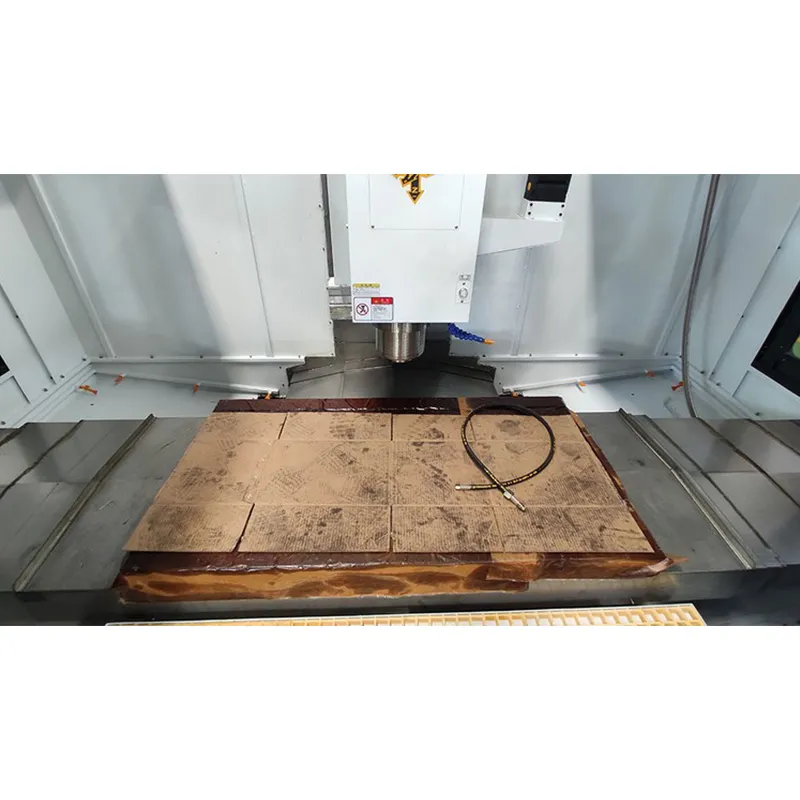
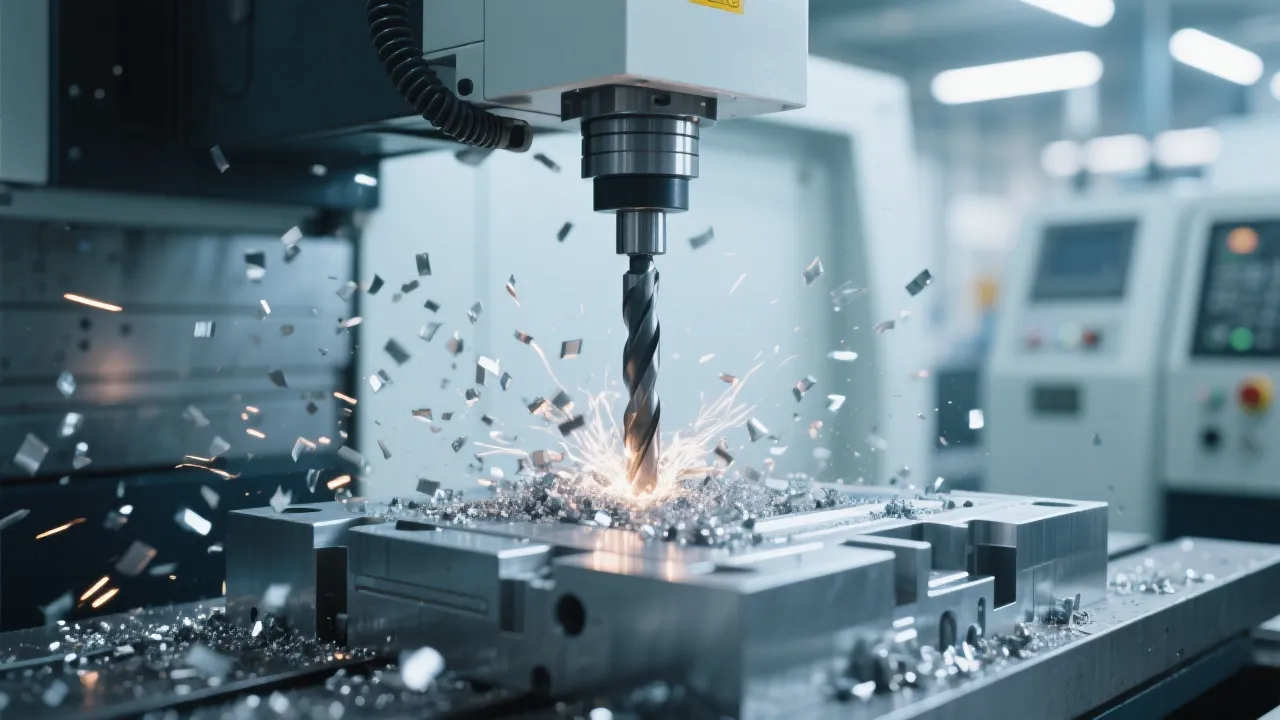
To avoid blind purchasing, test cut verification is an effective method. Before purchasing a CNC milling machine, manufacturers can use the machine tool to process sample iron molds. By measuring the dimensional accuracy, surface roughness and other parameters of the sample, the performance of the machine tool can be verified. For example, measure the diameter tolerance of the holes on the iron mold. If the tolerance is within the required range, it indicates that the machine tool has good positioning and processing accuracy. Based on the test results, manufacturers can make more rational purchasing decisions.
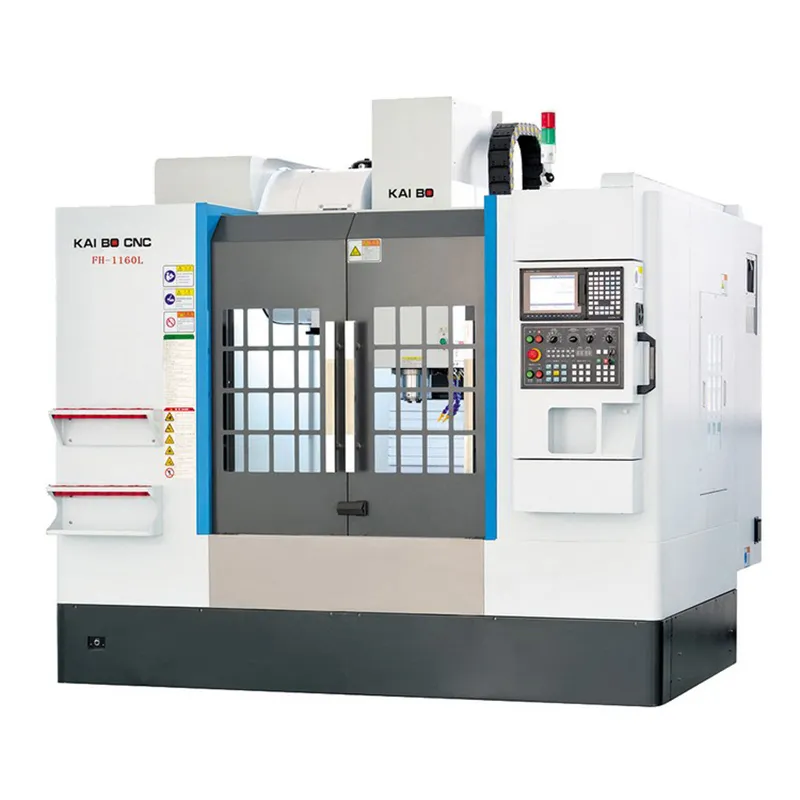
Take the Kaibo DC1113 medium - sized double - column CNC milling machine as an example. It has excellent positioning accuracy (±0.008mm) and repeatability accuracy (±0.003mm), which can ensure high - precision iron mold processing. Its spindle power of 11kW is suitable for processing both gray cast iron and ductile cast iron. In addition, it is equipped with high - quality linear guide rails, which can provide fast and stable motion. This machine tool has been successfully exported to many countries and regions, and has been well - received by customers. For example, in a European iron mold manufacturing enterprise, after using the Kaibo DC1113, the processing efficiency has increased by 30%, and the product qualification rate has reached over 98%.
In general, when selecting an iron mold CNC milling machine, manufacturers should first clarify the processing requirements and material characteristics of the iron mold. Then, they should focus on core technical indicators such as positioning accuracy, repeatability accuracy, spindle power, and guide rail type. Through test cut verification, the performance of the machine tool can be accurately evaluated. Choosing the right CNC milling machine can effectively improve the processing efficiency and product quality of iron molds, and enhance the competitiveness of enterprises in the market.
Are you still struggling to choose the right iron mold CNC milling machine? Choose the Kaibo DC1113, and you are choosing a reliable and high - quality machine tool. Click here to learn more about Kaibo DC1113