Essential Parameters for High-Precision Iron Mold Machining: Positioning Accuracy vs Repeatability Explained
10 01,2026
Technical knowledge
This article thoroughly examines critical CNC milling machine parameters in iron mold manufacturing, emphasizing the distinction and practical applications of positioning accuracy versus repeatability. Leveraging the technical strengths of the Kaibo CNC DC1113 milling machine, it offers expert guidance for optimal equipment selection. Addressing material characteristics of grey iron and ductile iron, the article proposes tailored machine matching strategies and systematic trial cutting validation methods. This enables iron mold manufacturers to enhance machining efficiency and product quality, ensuring informed procurement and process optimization, ultimately establishing a highly efficient and stable iron mold production line.
High-Precision Iron Mold Machining Parameters Explained: Positioning Accuracy vs Repeat Positioning Accuracy
In the fast-evolving iron mold manufacturing industry, selecting the right CNC milling machine is a critical decision that directly affects production quality and efficiency. Two technical parameters often at the center of this discussion are positioning accuracy and repeat positioning accuracy. This article dives deep into their distinctions, applications, and practical impact—focusing on the cutting-edge capabilities of the Kaibo CNC DC1113 milling machine.
Understanding Positioning Accuracy and Repeat Positioning Accuracy
Positioning Accuracy refers to the maximum allowable deviation when the machine tool moves to a programmed position from a reference point for the first time.
Repeat Positioning Accuracy describes the machine's ability to return to the same position repeatedly within a defined tolerance.
For iron mold processing, where tolerances are frequently within the ±0.005 mm to ±0.01 mm range depending on mold complexity, both parameters are crucial but serve distinct roles:
- Positioning Accuracy ensures the machine can accurately reach programmed target points during initial machining or setup.
- Repeat Positioning Accuracy guarantees consistency in multi-pass machining or iterative mold adjustments, reducing scrap and rework.
Implications of Technical Parameters on Iron Mold Quality
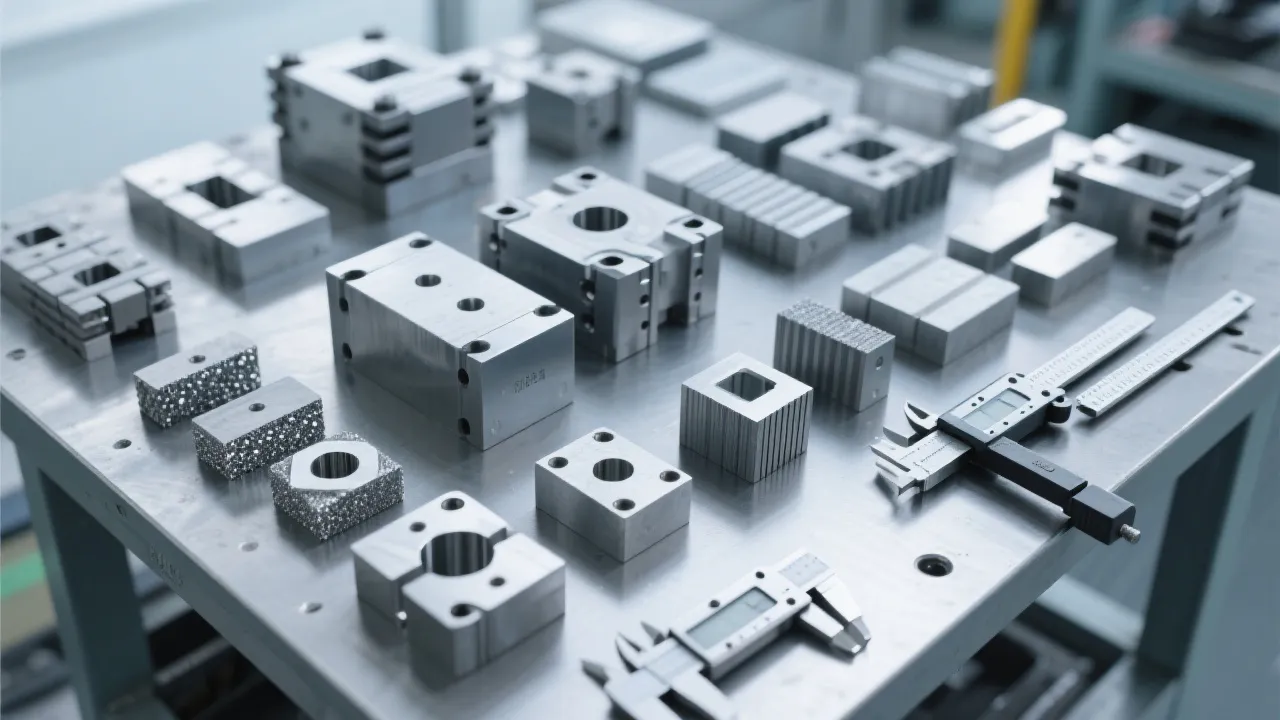
Iron molds—typically made from gray cast iron or ductile (nodular) cast iron—pose unique challenges. Their diverse thermal expansion coefficients and machinability mean even slight variances in machine precision can cause dimensional errors and surface defects.
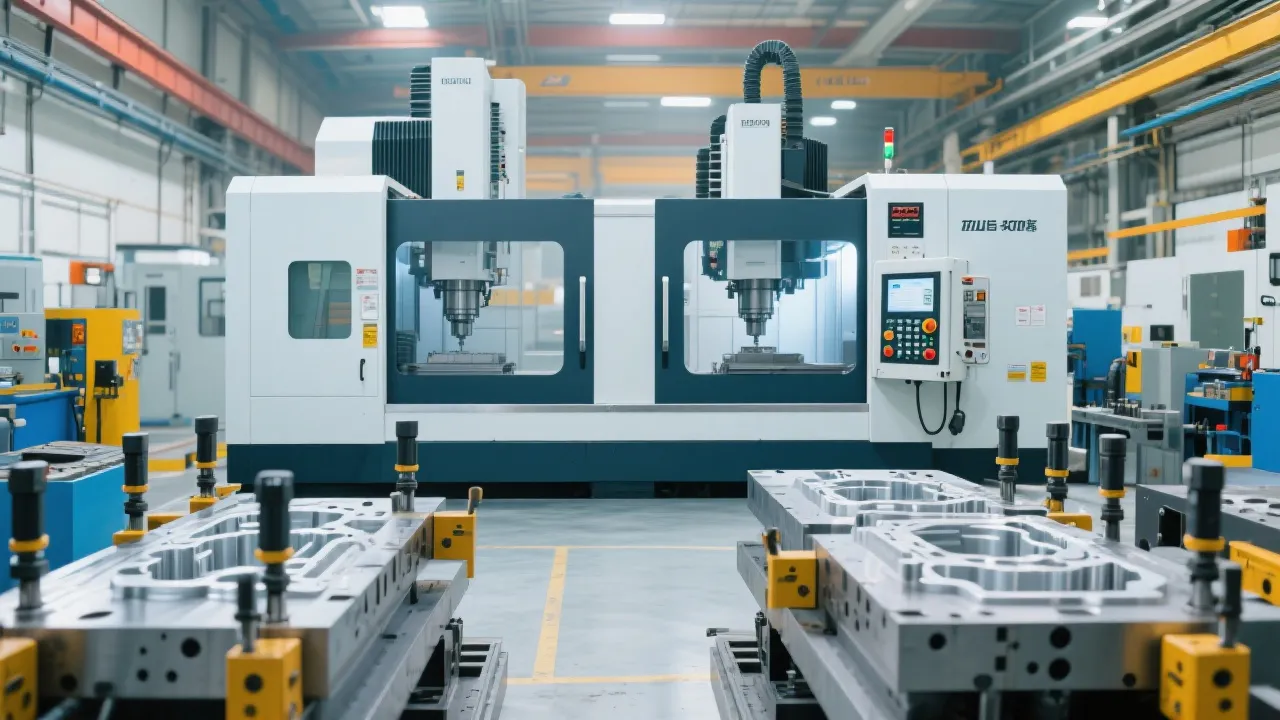
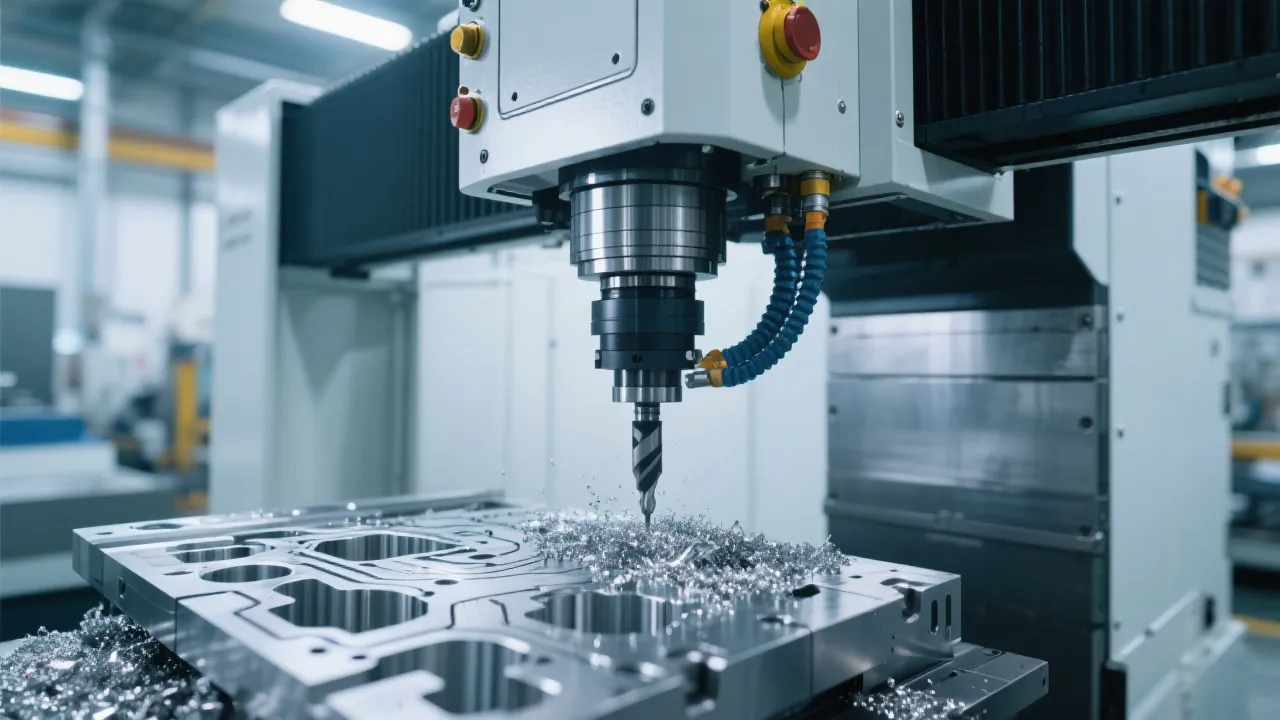
The Kaibo DC1113 CNC milling machine utilizes:
- Linear guideways with preload for stable, vibration-free motion, achieving positioning accuracy up to ±0.003 mm.
- High-torque spindle motors with power ratings of up to 15 kW, ideal for penetrating hardened cast iron without compromising speed or precision.
- Robust welded steel structure ensuring minimal thermal deformation during long production runs.
Together, these features provide a repeat positioning accuracy of ±0.0015 mm, meeting international industrial standards such as ISO 230-2 for CNC machine tool accuracy.
Optimizing Equipment Selection Based on Material and Process
Matching CNC machine capabilities with iron mold materials affects machining quality and cost control:
| Material Type |
Required Positioning Accuracy |
Recommended Spindle Power |
Typical Machining Strategy |
| Gray Cast Iron |
±0.005 mm |
10-12 kW |
High-speed finishing with moderate depth passes |
| Ductile Cast Iron |
±0.003 mm |
12-15 kW |
Slower feeds with tighter control for minimal surface damage |
Trial Cutting and Validation Procedures
Before committing to full-scale production, a systematic trial cut protocol helps iron mold manufacturers validate the CNC machine's real-world performance:
- Baseline Calibration: Use laser interferometry or ball bar testing to confirm positioning accuracy per machine axis.
- Material-Specific Trial Cuts: Conduct test runs on sample gray or ductile cast iron blocks, applying typical feed rates and cut depths.
- Dimensional Inspection: Employ coordinate measuring machines (CMM) to verify key tolerances against CAD models.
- Surface Quality Assessment: Check for chatter marks, burrs, and other surface defects indicative of machine instability or spindle underperformance.
Only after these steps can enterprises confidently integrate the Kaibo DC1113 into their tooling line to mitigate costly machining errors.
Avoiding Common Procurement Pitfalls
Less informed buyers often rely solely on single parameter specs or pricing, overlooking the deeper trade-offs between positioning accuracy and operational reliability. Consider these expert tips:
- Don’t confuse nominal specs with certified standards: Demand ISO 230-2 or equivalent certification documentation for claimed precisions.
- Evaluate repeat positioning accuracy independently: This is more critical for molds requiring multi-pass machining or complex geometries.
- Factor in machine structure and thermal stability: Small vibrations or temperature changes can wreak havoc on mold accuracy over time.
Pro Tip: Always request a trial demonstration with your specific mold samples to verify the machine’s capabilities in your exact production environment.