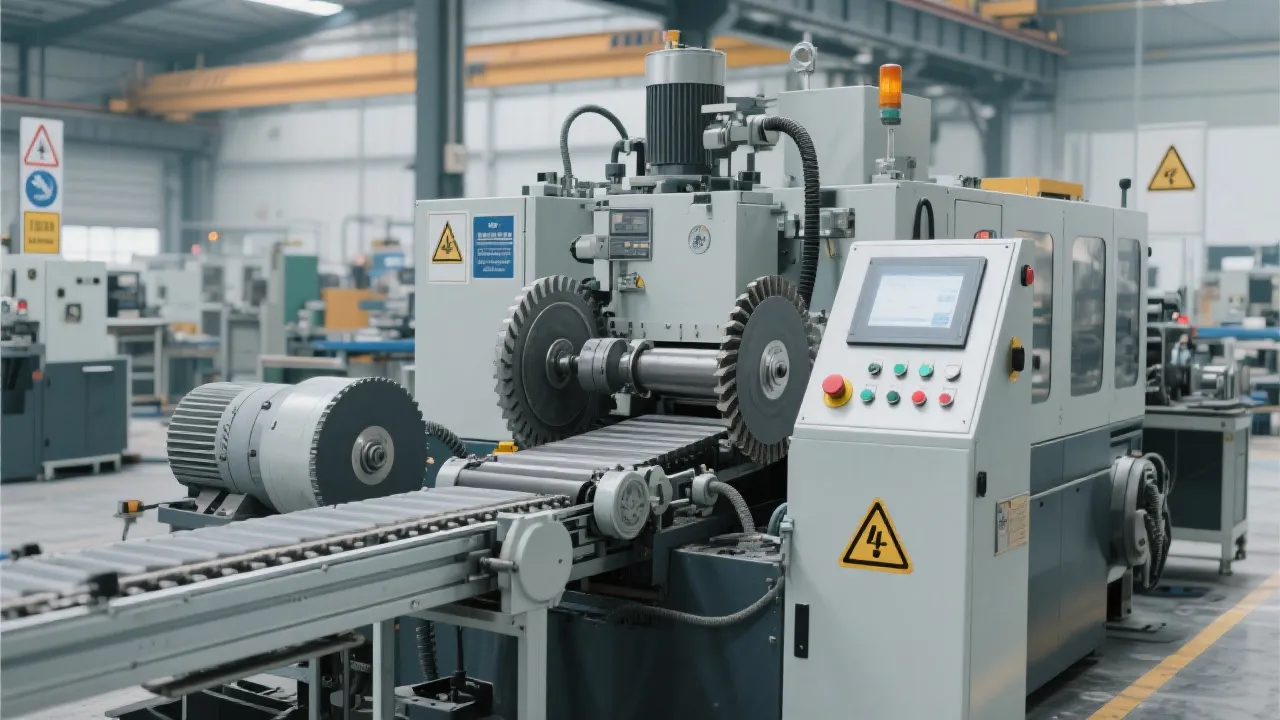
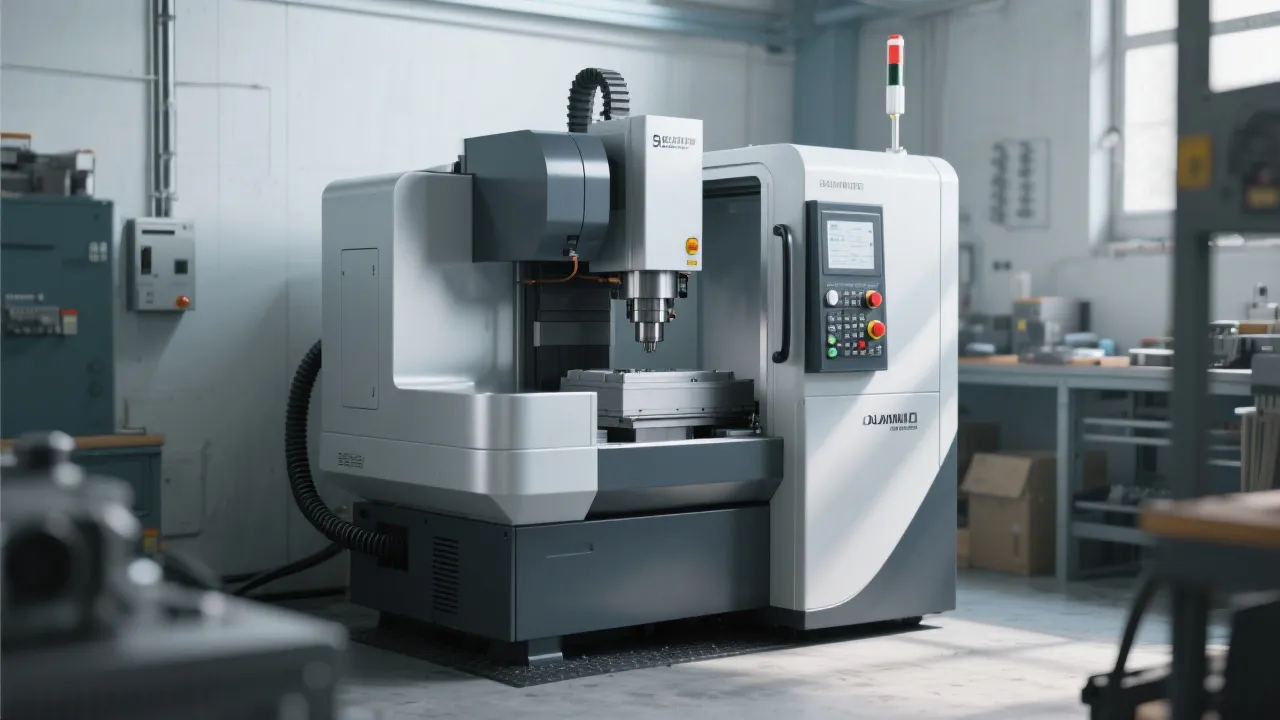
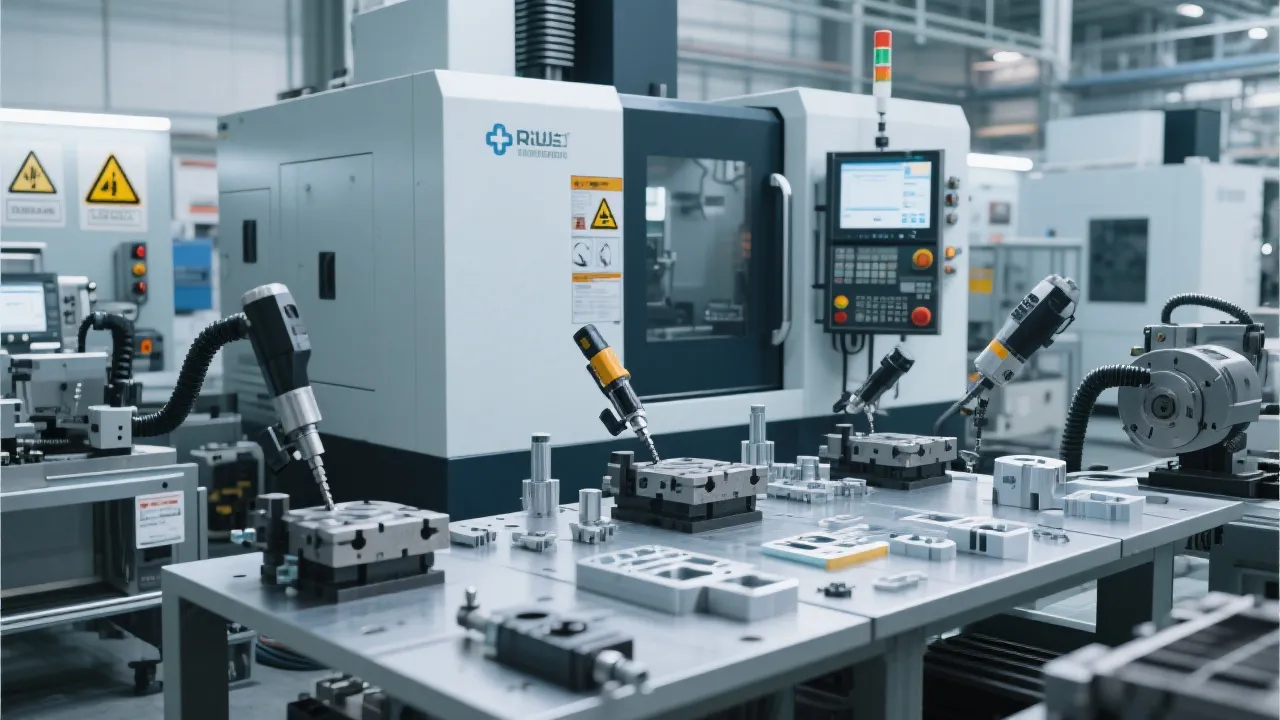
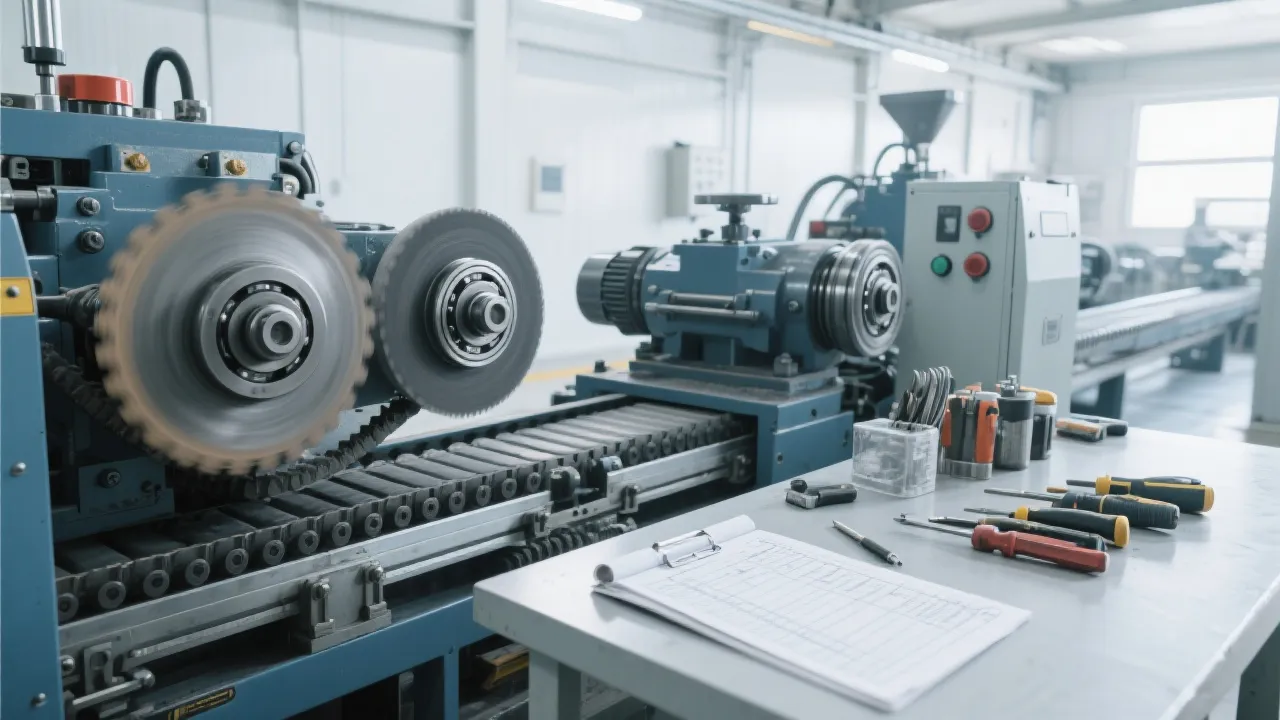
This article delves into the core application of high-torque electric spindles in the five-axis last CNC milling machine DC6070, focusing on the pain points of machining complex surfaces and high-hardness materials in shoe mold manufacturing. Through the explanation of technical principles, the dissection of practical operation cases, and suggestions for parameter optimization, it helps users understand how to achieve higher efficiency, better precision, and lower maintenance costs with high-torque electric spindles, truly enhancing production competitiveness.
High-torque electric spindles come in different types, such as direct-drive and belt-driven. The direct-drive type has a simpler structure, which directly connects the motor to the spindle, eliminating the need for intermediate transmission components. This design reduces energy loss and improves transmission efficiency. In contrast, the belt-driven type uses a belt to transfer power from the motor to the spindle. Each type has its own advantages and disadvantages, and users need to choose according to specific application scenarios.
Compared with ordinary electric spindles, high-torque electric spindles have significant advantages in stability, load-bearing capacity, and thermal management. They can maintain stable operation even under high loads, with less vibration and noise. Their excellent thermal management system can effectively dissipate heat, ensuring the long-term stable operation of the spindle. For example, in some high-speed machining processes, the temperature rise of high-torque electric spindles can be controlled within 10 degrees Celsius, while ordinary electric spindles may have a temperature rise of more than 20 degrees Celsius, which affects the machining accuracy.
In last manufacturing, processes such as arc carving and deep groove milling require high-torque electric spindles. The complex surfaces of shoe lasts often have high requirements for machining accuracy and surface quality. High-torque electric spindles can provide sufficient power to ensure smooth machining of complex curves and deep grooves. For example, when carving the arc of a shoe last, a high-torque electric spindle can maintain a stable speed and feed rate, achieving high-precision machining.
To achieve the best machining results, it is necessary to match the spindle speed with the feed rate. Generally, for high-hardness materials, a lower feed rate and a higher spindle speed are recommended. In daily maintenance, it is important to regularly clean the spindle, check the lubrication system, and replace worn parts. When problems occur, users can refer to the troubleshooting guide provided by the manufacturer. For example, if the spindle speed is unstable, it may be caused by a loose belt or a malfunctioning motor, and users can check and repair these components accordingly.
Many customers have achieved significant improvements in production capacity and product quality after using high-torque electric spindles. For example, a shoe mold manufacturing company increased its production capacity by 30% and improved the product qualification rate by 20% after replacing the ordinary electric spindle with a high-torque one. These real cases demonstrate the practical value of high-torque electric spindles in last manufacturing.
In conclusion, high-torque electric spindles play a crucial role in shoe last manufacturing. By understanding their structure, advantages, and application scenarios, and mastering practical operation skills, users can effectively improve production efficiency and product quality. If you want to learn more about high-torque electric spindles and their applications in shoe last manufacturing, click here to get a PDF manual or make an appointment with our experts for consultation.