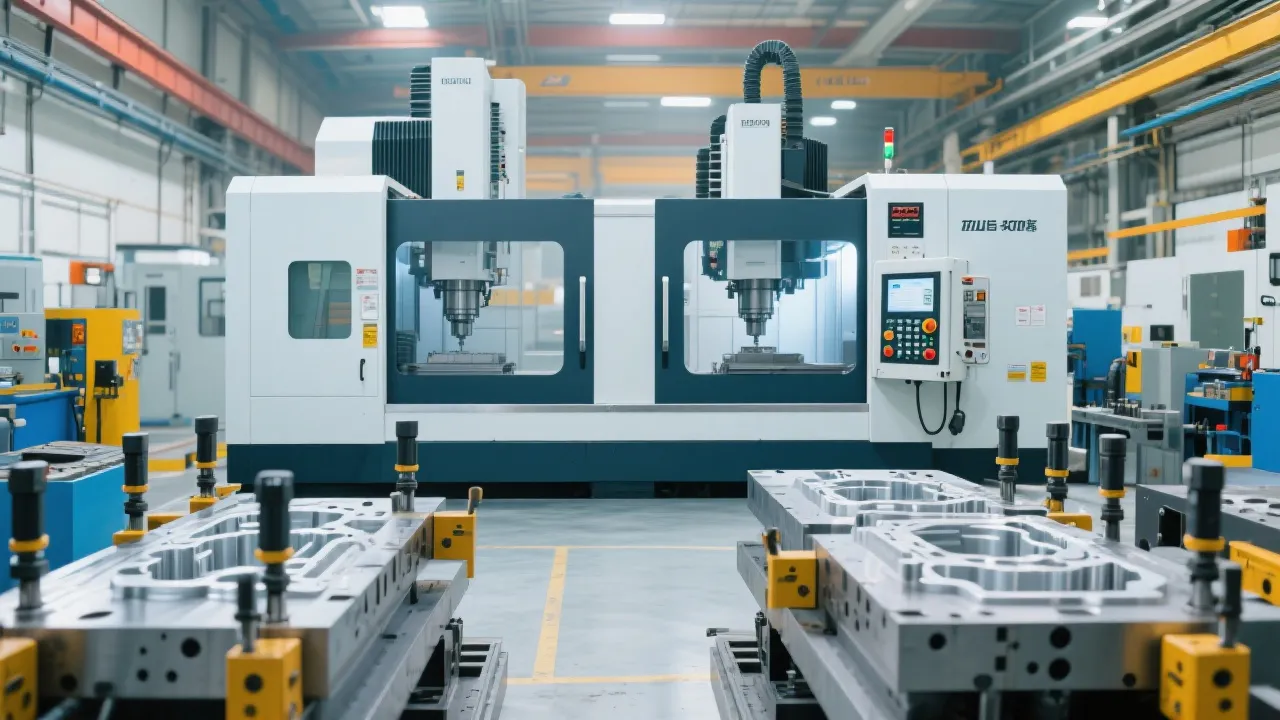
High Torque Electric Spindle Maintenance and Parameter Optimization Guide to Reduce Shoe Last CNC Milling Machine Costs
22 01,2026
Tutorial Guide
The high torque electric spindle is a critical component for enhancing the efficiency and stability of shoe last CNC milling machines. This guide delves into its structural principles, key performance advantages, and practical applications in complex shoe last manufacturing. Step-by-step instructions demonstrate how proper parameter tuning and routine maintenance reduce failure rates and extend spindle lifespan, significantly cutting down equipment operation and maintenance costs. Whether you are a beginner operator or an experienced technical manager, you will find actionable tips designed to achieve worry-free, efficient, and cost-effective production.
Mastering High-Torque Electric Spindle Maintenance & Parameter Optimization for Shoe Last CNC Milling
If you’re operating shoe last CNC milling machines, you already know the high-torque electric spindle is the beating heart of your equipment. But how can you ensure it runs smoothly to maximize production efficiency and minimize costly downtime? Let’s delve into practical strategies that empower you — whether a beginner technician or a seasoned supervisor — to optimize spindle parameters and maintenance routines for long-lasting, reliable performance.
Understanding the Core of High-Torque Electric Spindles
First things first: to tune and maintain your spindle effectively, you need a clear grasp of its structure and operation. High-torque electric spindles commonly use direct drive technology, unlike traditional belt-driven systems. This means the motor is integrated directly onto the spindle shaft, delivering:
- Higher torque output without loss through belts
- Superior thermal management ensuring better heat dissipation
- Reduced mechanical wear, which lowers failure rates
Why does this matter? Because in shoe last milling — with its complex curves and deep grooves — consistent torque and stability translate directly into precision and tool life.
High-Torque Spindles vs. Conventional Electric Spindles: The Performance Edge
Comparative studies show that high-torque electric spindles can handle up to 25%-35% more load without overheating, thanks to enhanced heat stability and robust bearing systems. This results in:
- Extended mean time between failures (MTBF) — increased by an average of 40% in field tests
- Reduced maintenance intervals by nearly 20%, which curtails downtime
- Lower overall operational costs — some users report a 15%-25% decline in maintenance spending
Applying High-Torque Spindles to Complex Shoe Last Milling Tasks
Now, imagine the challenge of sculpting steep curves and deep slots in shoe lasts. Standard spindles often struggle with torque dips under such loads, causing vibrations and dimensional inaccuracies.
High-torque spindles maintain stable RPM and cutting force even during aggressive machining, enabling your operators to confidently execute:
- Precise arc contouring carving
- Deep groove milling with minimal tool deflection
- High feed-rate processing without thermal run-up
Hands-On Parameter Optimization & Maintenance Tips
Let’s get practical. Here are proven methods to optimize your spindle parameters and daily upkeep:
- Speed-Feed Matching: Align spindle speed with feed rate to avoid overloading. For example, reduce feed speed by 15% when increasing RPM beyond 15,000 to prevent chatter.
- Lubrication Scheduling: Use manufacturer-recommended grease every 500 operating hours or quarterly, whichever comes first. Over-greasing can cause bearing heating — measure spindle temperature consistently.
- Vibration Monitoring: Conduct weekly vibration analysis using portable sensors. Anomalies over 3.5 mm/s RMS can indicate early bearing wear or imbalance needing immediate attention.
- Thermal Control: Keep spindle temperature below 65°C during operation. Use coolant sprays and maintain cooling systems proactively.
"Optimizing electric spindle parameters transformed our shoe last production line — reducing downtime by 30%, and lowering part defects by 18%." – Jamie L., Technical Supervisor at Premier Footwear Manufacturing
Tailoring Optimization with Data-Driven Adjustments
Every shop floor is unique. Monitor your spindle’s real-time feedback — load torque, temperature, and vibration — to fine-tune parameters like acceleration ramp rates and lubrication cycles. This dynamic approach helps in customizing maintenance plans and cutting-edge processing parameters, adapting as your machines age.
Download Your Free High-Torque Electric Spindle Tuning Manual (PDF)
Need expert advice? Book a free consultation with our technical specialist online and get your questions answered in real time.