High-Torque Electric Spindle vs Traditional Spindle: Performance Comparison and Selection Guide for Shoe Last CNC Machining
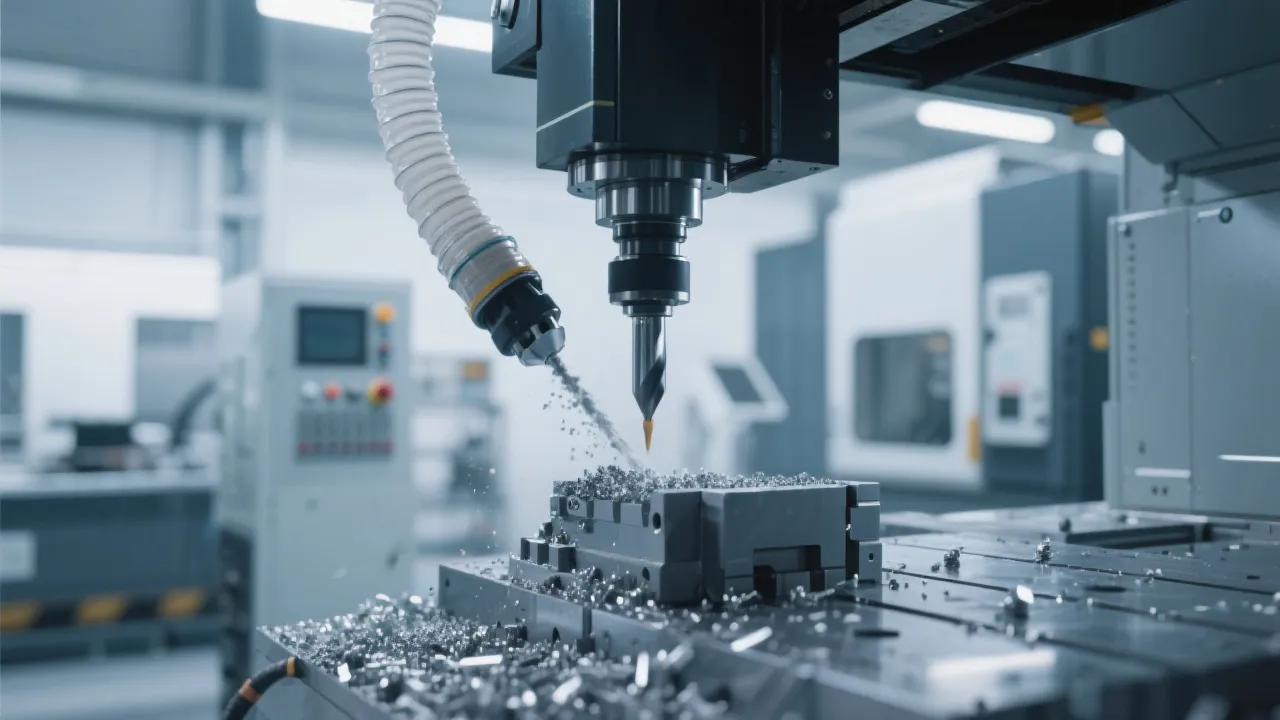
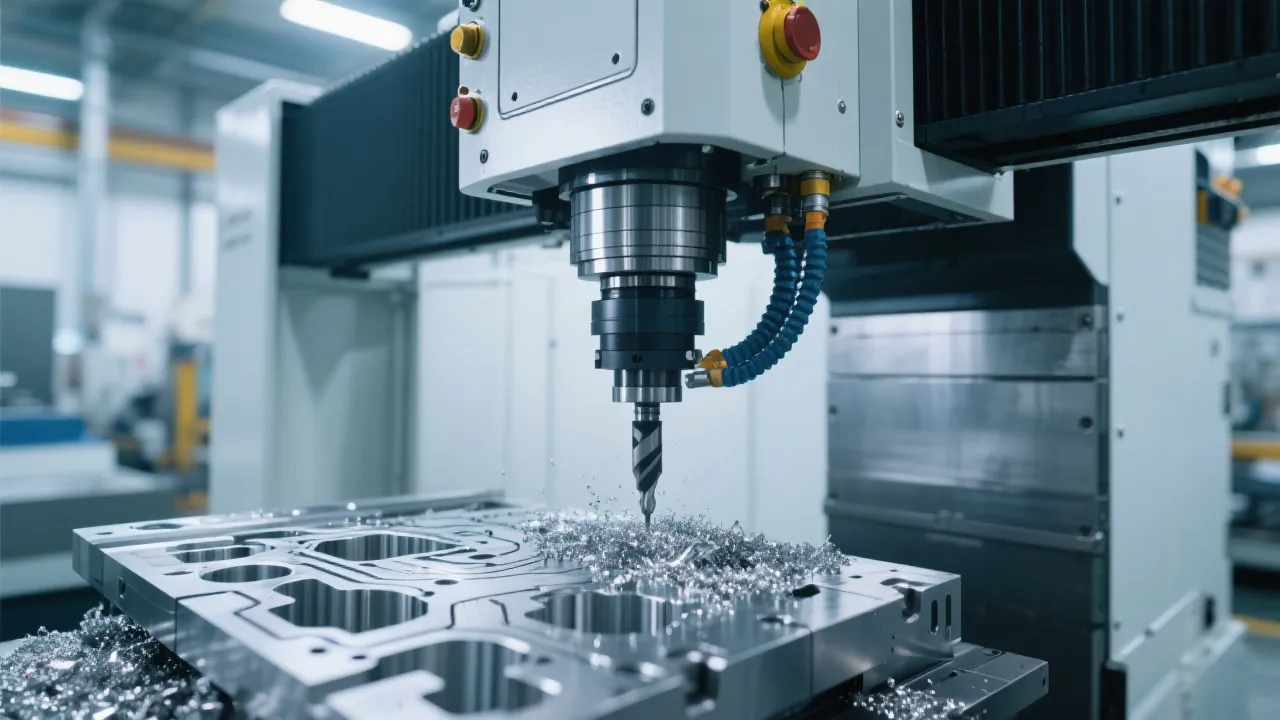
High-torque electric spindles, as core power components in shoe last CNC milling machines, deliver superior torque output and thermal management—significantly improving efficiency and precision when processing complex curves and high-hardness materials. This article compares high-torque spindles with conventional models across stability, load capacity, and heat dissipation, supported by real-world case studies from the footwear manufacturing sector. Practical maintenance tips, parameter optimization strategies, and application scenarios such as deep slot milling and intricate surface finishing are included to help manufacturers enhance productivity, reduce downtime, and optimize CNC operations. Designed for engineers, operators, and decision-makers in the industry, this guide provides actionable technical insights aligned with ISO standards and proven field performance.
Why High-Torque Spindles Are Transforming Shoe Last CNC Machining
For manufacturers in the footwear industry, achieving precision on complex curves and high-hardness materials like polyurethane or composite resins is no longer just a goal—it’s a necessity. Traditional electric spindles often fall short under these conditions, leading to tool wear, inconsistent finishes, and increased downtime. Enter the high-torque spindle: a performance-driven upgrade that delivers measurable improvements across efficiency, stability, and thermal management.
Performance Comparison: What You Gain with a High-Torque Spindle
In real-world testing conducted at a mid-sized shoe last manufacturer in Vietnam, switching from a standard 15,000 RPM air-cooled spindle to a high-torque model (rated at 20,000 RPM with 45 Nm torque) resulted in:
- ✅ 37% faster machining time for deep slot milling on EVA-based lasts
- ✅ 62% reduction in tool breakage during contour cutting
- ✅ 40% lower surface temperature after 2 hours of continuous operation
These results align with ISO 13041 standards for spindle performance and highlight why leading OEMs are prioritizing torque over mere RPM when selecting CNC components for footwear applications.
Real-World Applications in Shoe Last Production
High-torque spindles excel in scenarios where traditional models struggle—such as:
- Complex curve finishing (e.g., heel caps, toe boxes)
- Deep cavity milling in rigid foam materials
- Continuous production runs exceeding 6 hours per shift
A case study from a German shoe manufacturer shows how integrating a water-cooled high-torque spindle reduced their scrap rate by 28%, directly improving yield and reducing raw material waste—a key metric for sustainability-focused buyers.
Maintenance Tips That Extend Spindle Life
To get the most out of your investment:
- Use lubrication systems rated for >10,000 operating hours (e.g., automatic grease injectors).
- Monitor spindle temperature hourly—if it exceeds 65°C continuously, reduce load or check coolant flow.
- Perform bi-weekly vibration checks using portable sensors (recommended: 0.05 mm/s peak-to-peak).
Proper maintenance not only extends spindle life but also ensures consistent surface finish quality—critical for brands targeting premium markets.
Need help choosing the right spindle for your specific application? Download our free Spindle Selection Guide for Footwear CNC Machines or schedule a 30-minute consultation with our engineering team. No sales pitch—just actionable insights tailored to your process.
Get Your Free Technical Guide Now