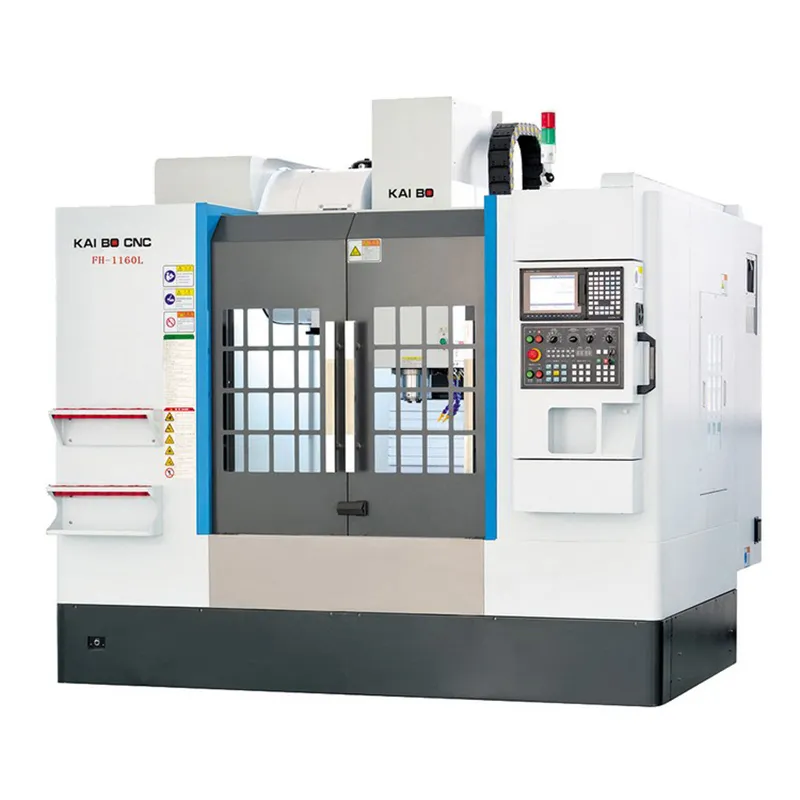
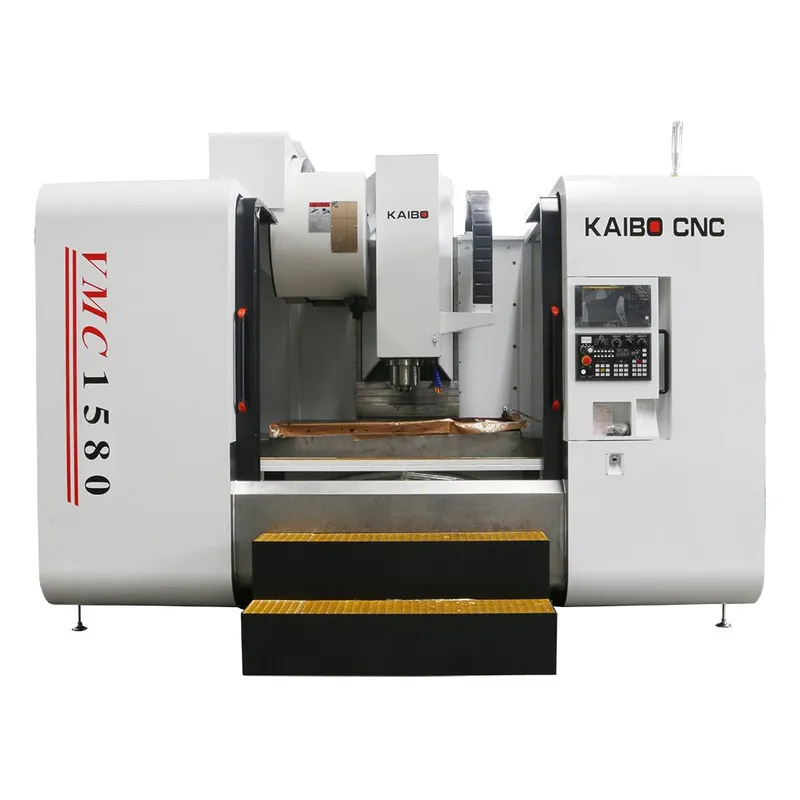
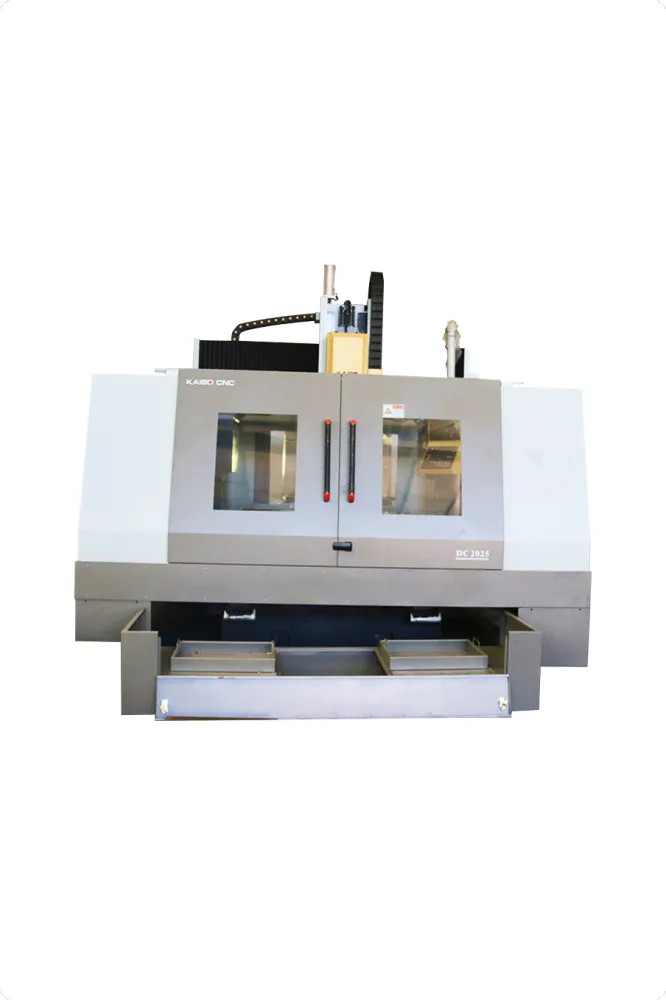
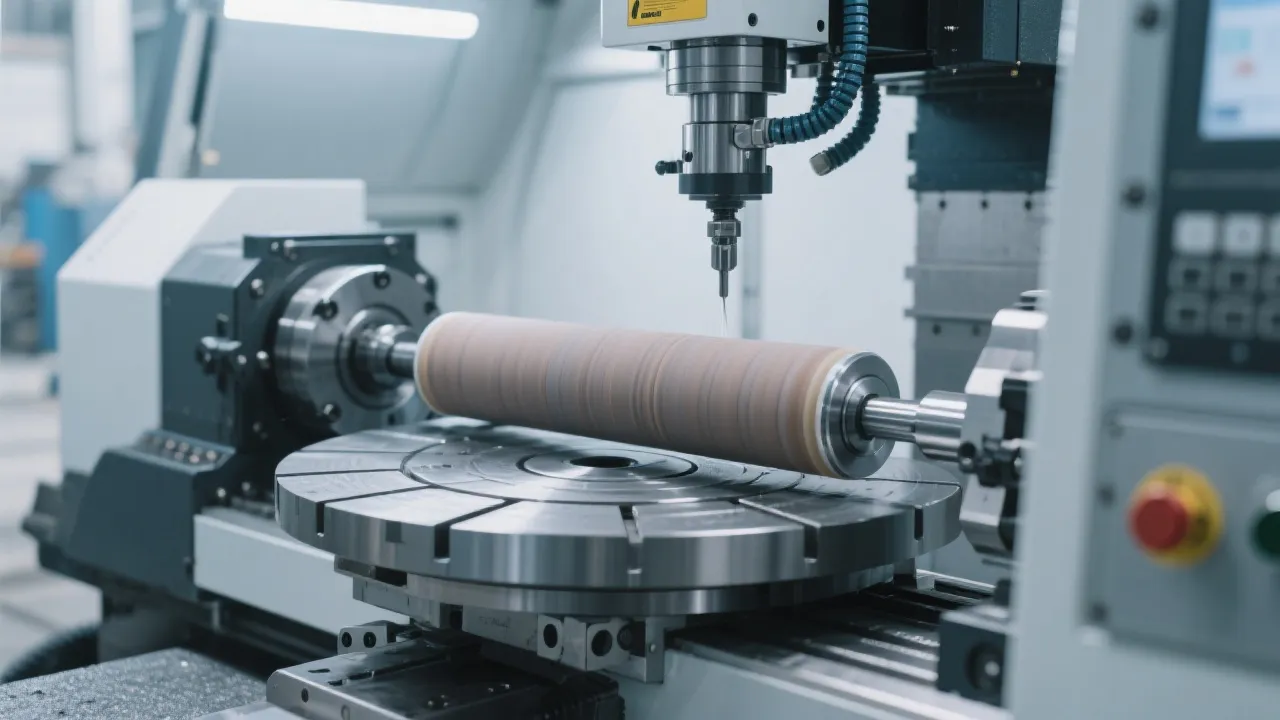
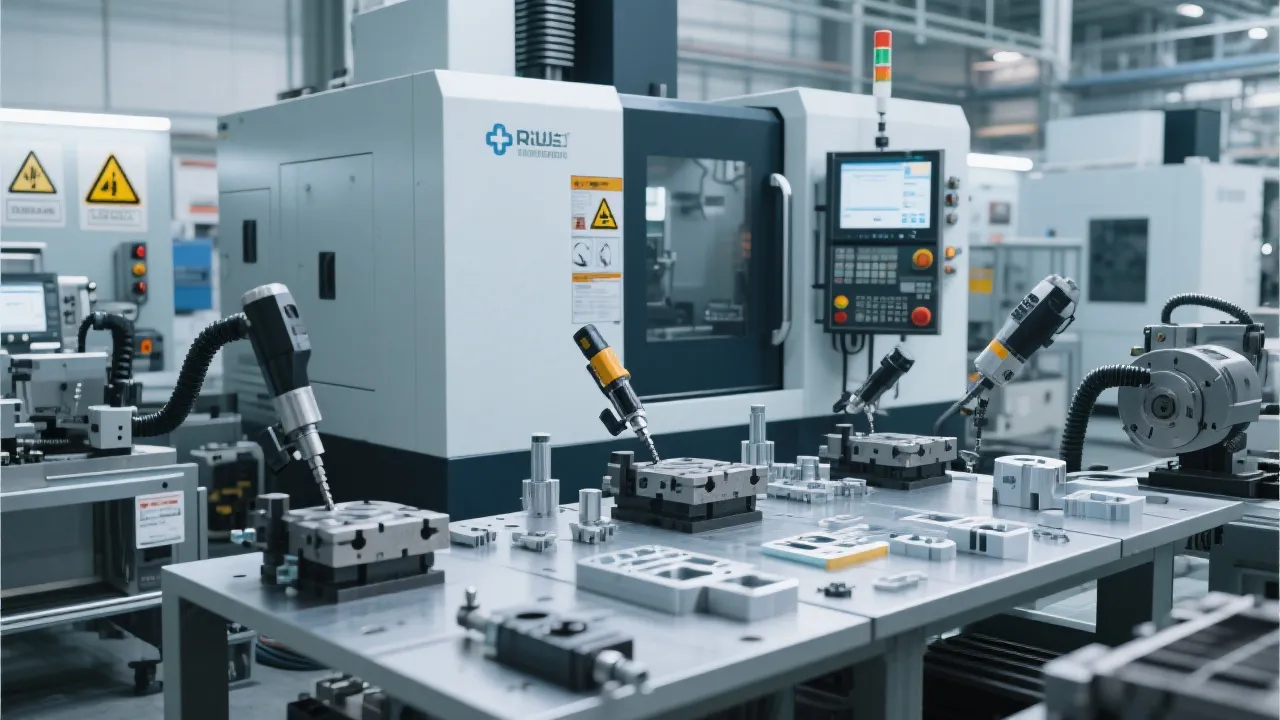
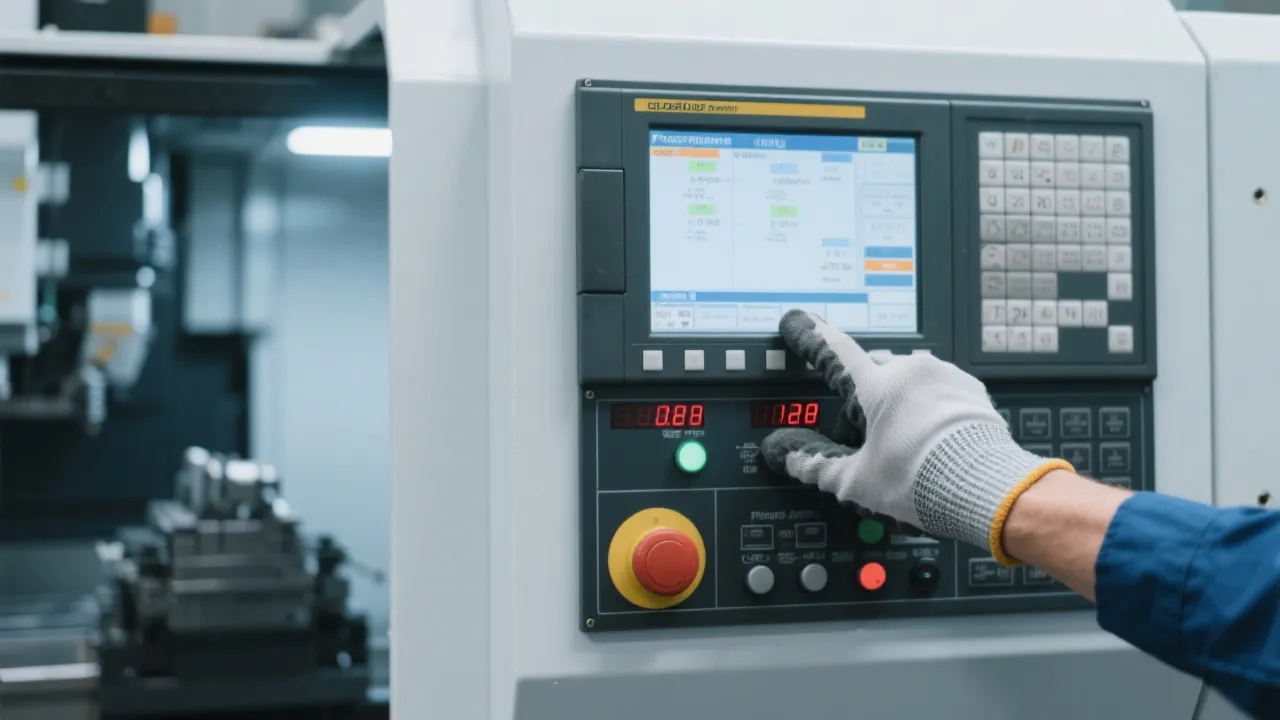
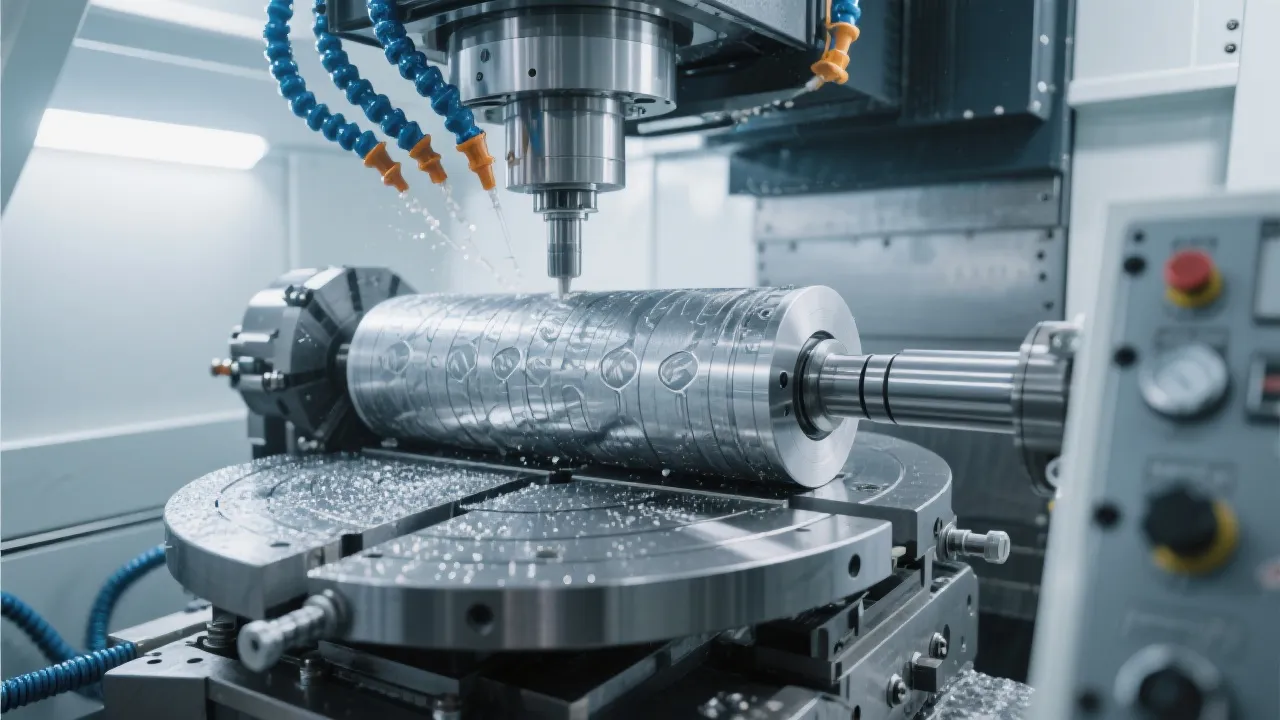
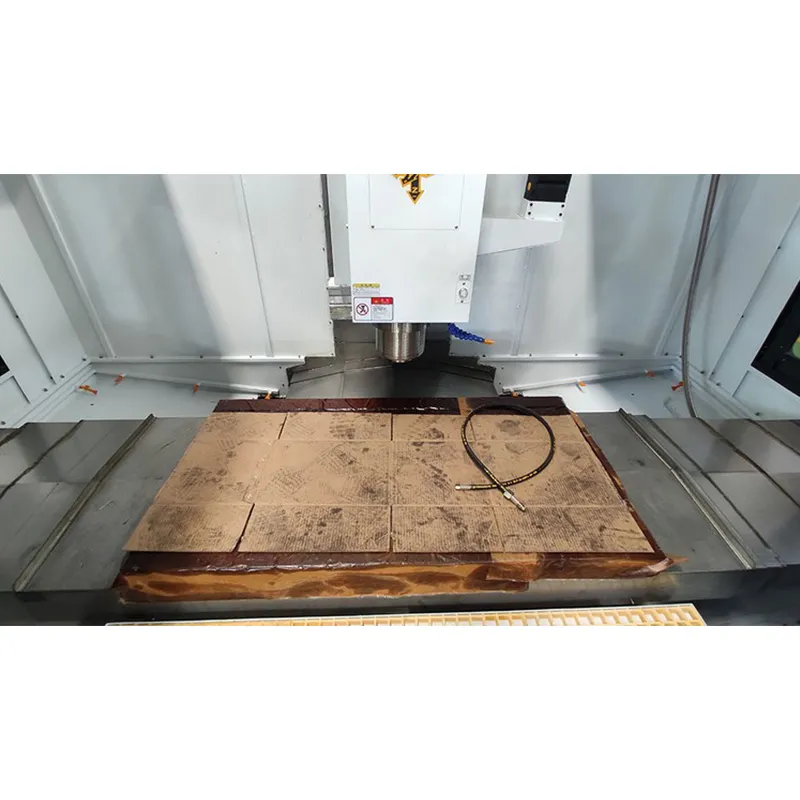
In the competitive realm of shoe last manufacturing, achieving high precision and increased productivity remains a constant challenge. Ningbo Kaibo CNC Machinery Co., Ltd.'s five-axis shoe last CNC milling machine model DC6070 integrates an advanced high-torque electric spindle, designed explicitly to elevate machining efficiency and reliability. This article offers an in-depth technical exploration of the high-torque electric spindle’s structural design, operational mechanics, and its profound impact on optimizing the footwear mold manufacturing process.
The high-torque electric spindle embodies a compact integration of motor and cutting tool holder within a single rotating shaft assembly. Core components include a robust synchronous permanent magnet motor, high-precision angular contact ball bearings, and an advanced cooling system. Structural optimization focuses on maximizing torque output without compromising spindle rigidity or thermal stability. Typically, these spindles achieve continuous torque ratings upwards of 15 Nm at speeds ranging from 500 to 12,000 rpm, outperforming conventional belt-driven spindles whose torque averages around 7 Nm under similar conditions.
Enhanced rotor and stator designs facilitate direct-drive mechanics, eliminating losses associated with mechanical transmission, resulting in increased power density and quicker response dynamics. The spindle's thermal management employs closed-loop liquid cooling, maintaining operational temperatures below 40°C even under sustained heavy loads, thus ensuring consistent precision and extending component lifespan.
High-torque electric spindles present multiple performance benefits critical to shoe last milling operations:
The shoe last industry routinely deals with 3D free-form surfaces and materials such as high-density polyurethane and hardwoods, requiring machining with both precision and force. Conventional spindles often struggle with load consistency when sculpting intricate curves or cutting high-hardness materials, resulting in tool chatter and premature wear.
The high-torque electric spindle's ability to sustain elevated torque at low to mid-range speeds provides a stable cutting force, minimizing deflections during contouring operations. Field tests demonstrated a 20% reduction in cycle time for a complex shoe last design compared to traditional spindle setups, alongside a 15% improvement in dimensional accuracy.
Optimal utilization of high-torque electric spindles requires calibrated parameter setups and adherence to maintenance protocols:
| Specification | High-Torque Spindle (DC6070) | Conventional Spindle |
|---|---|---|
| Continuous Torque (Nm) | 15+ | 7–8 |
| Max Speed (rpm) | 12,000 | 18,000 |
| Thermal Stability (°C) | <40 | >60 |
| MTBF (hours) | 6000+ | 4300 |