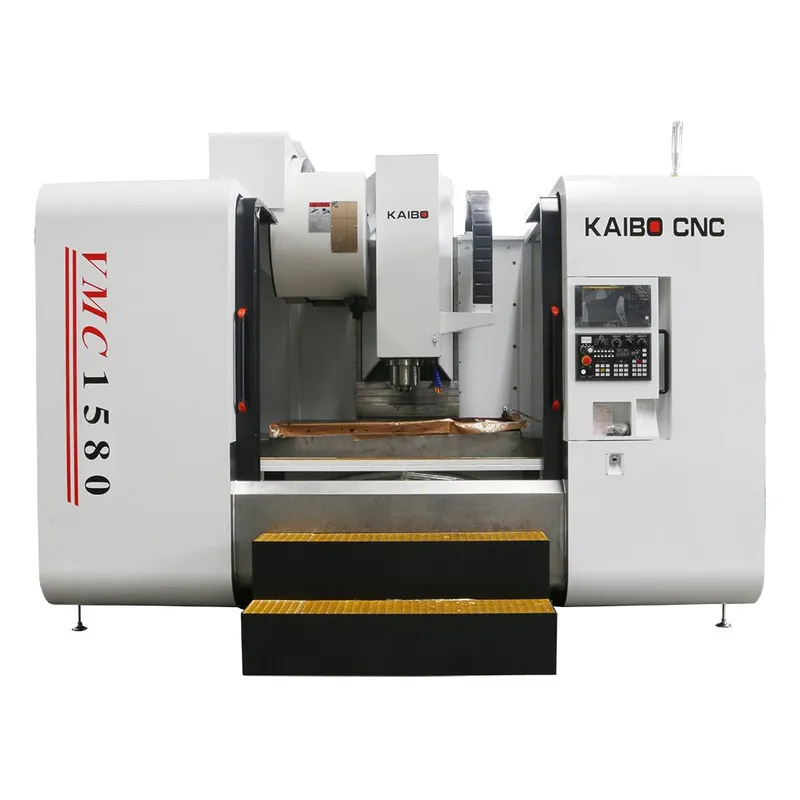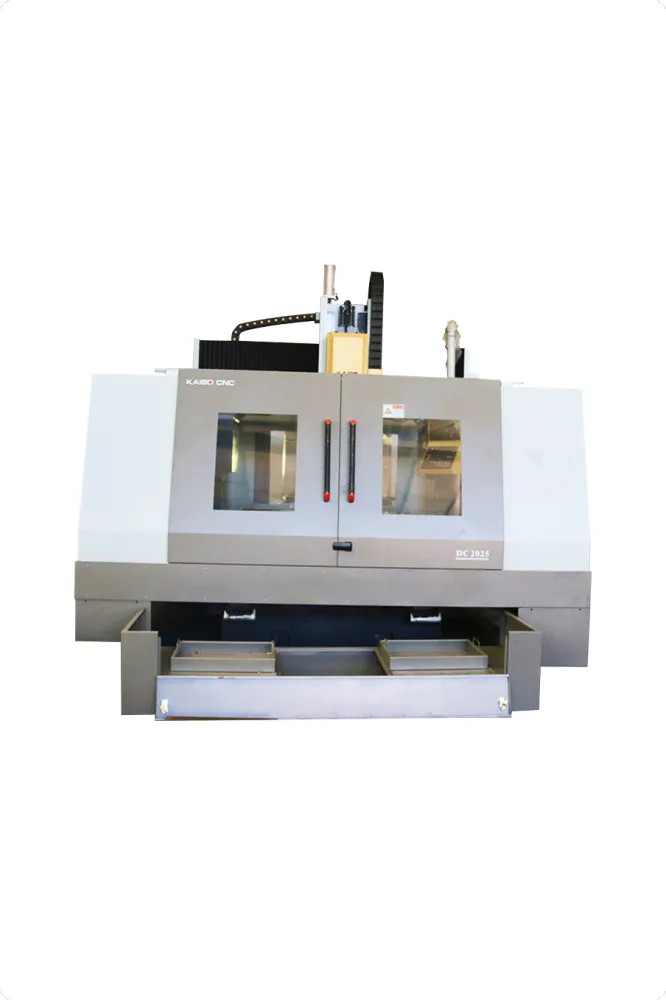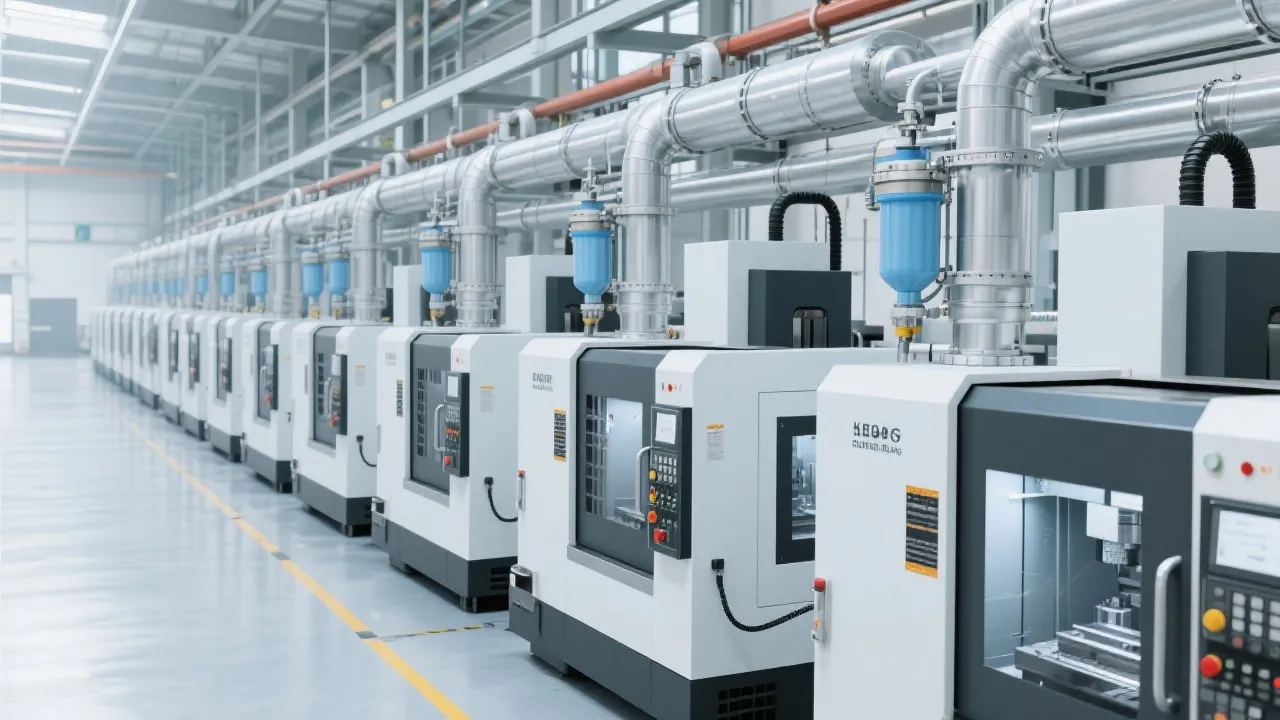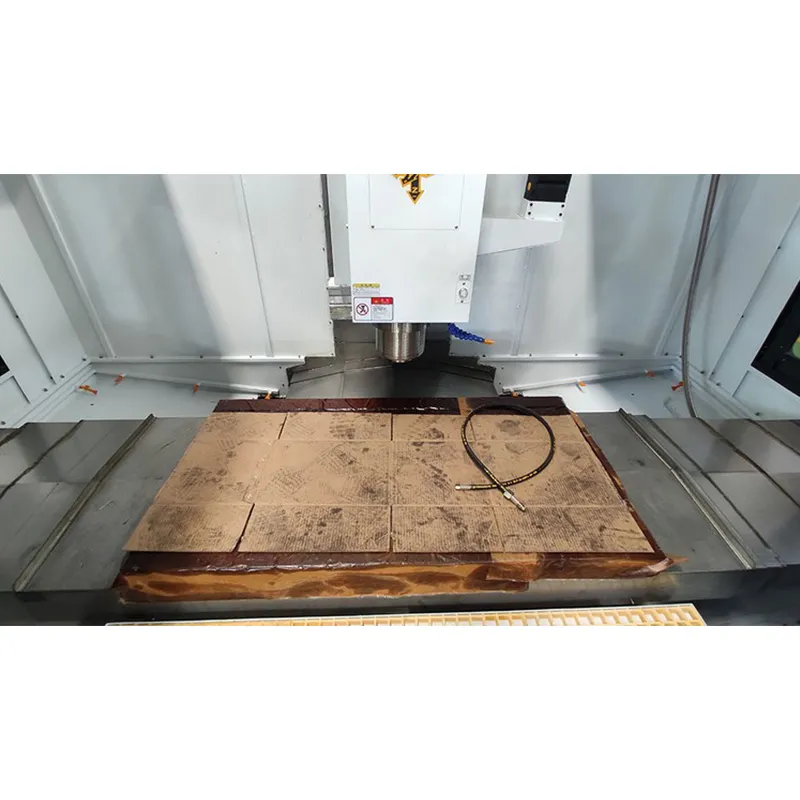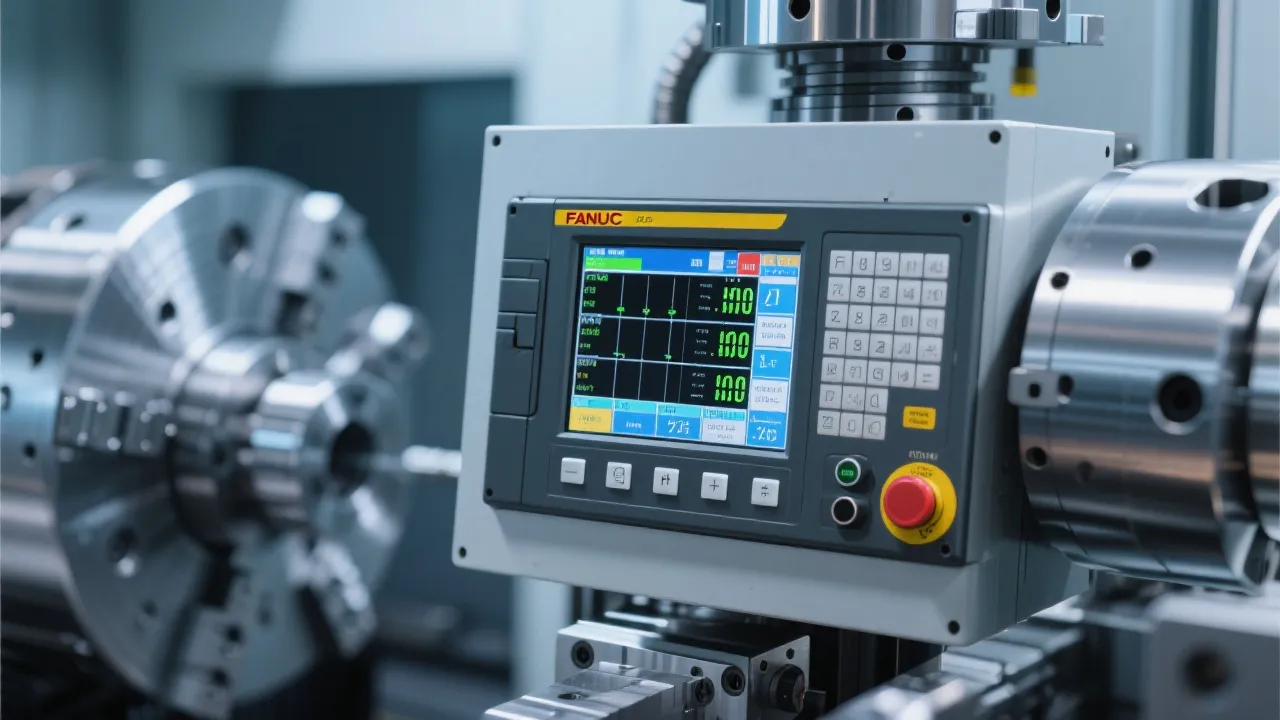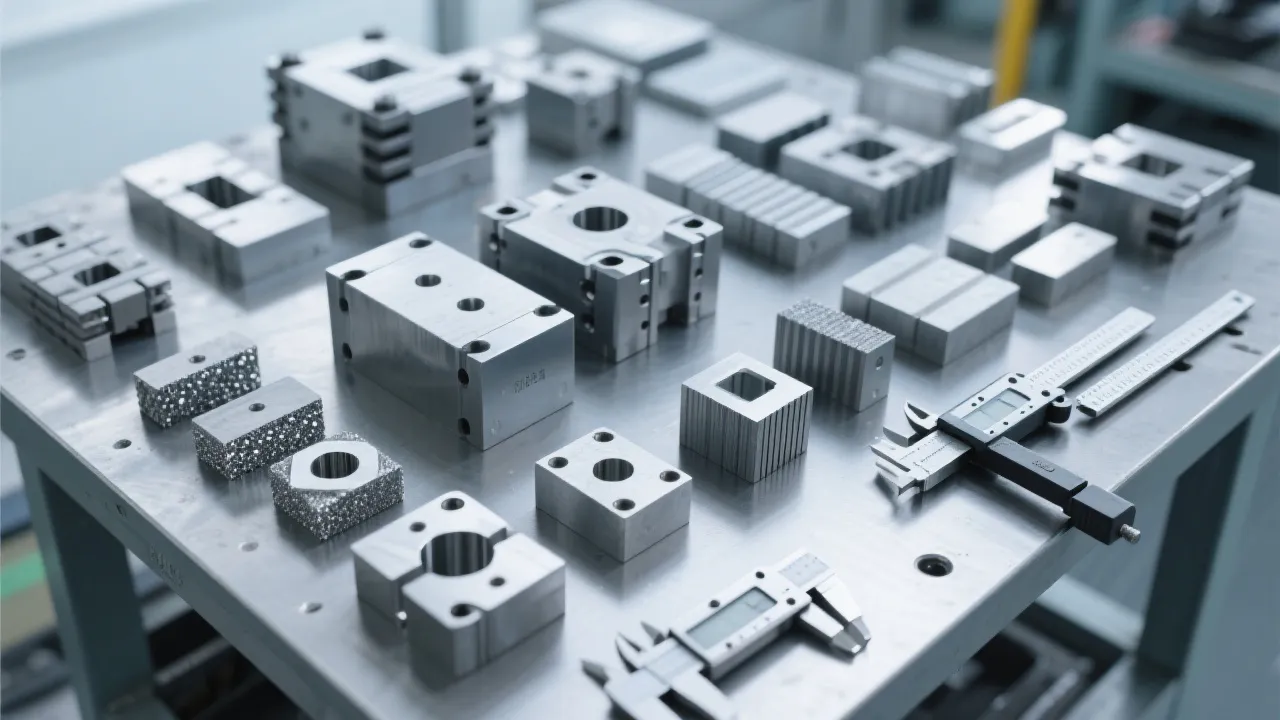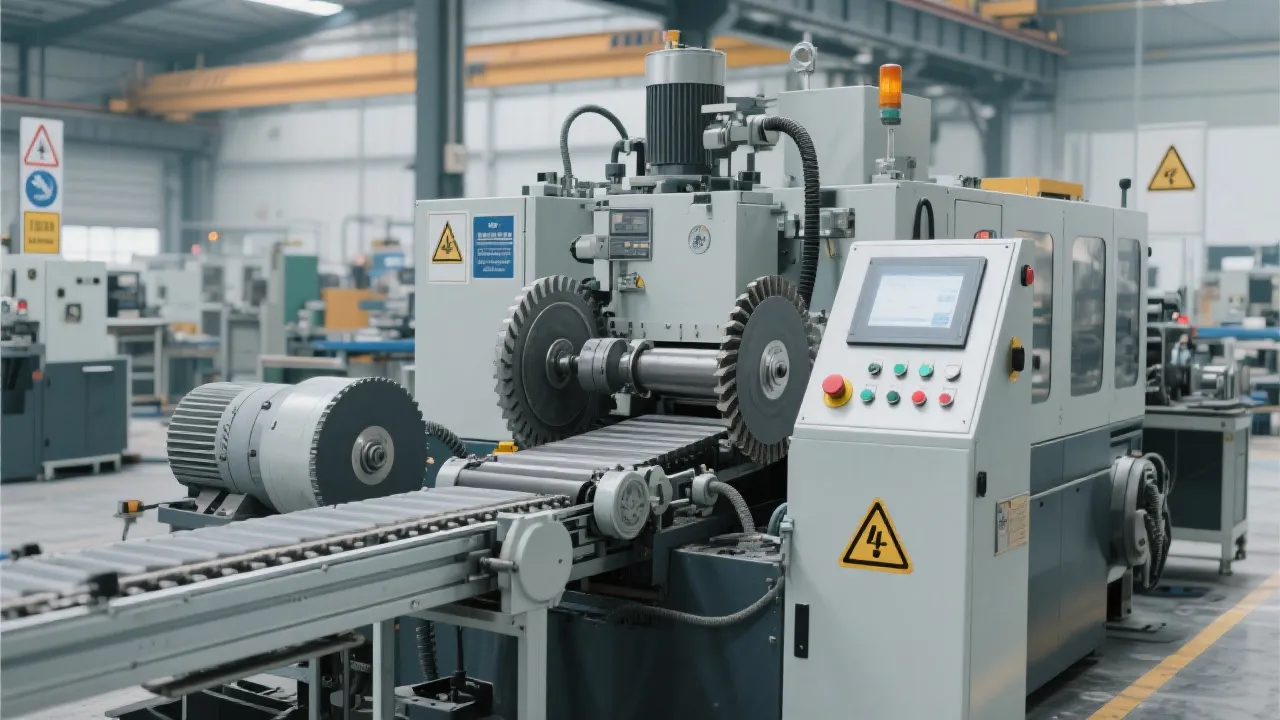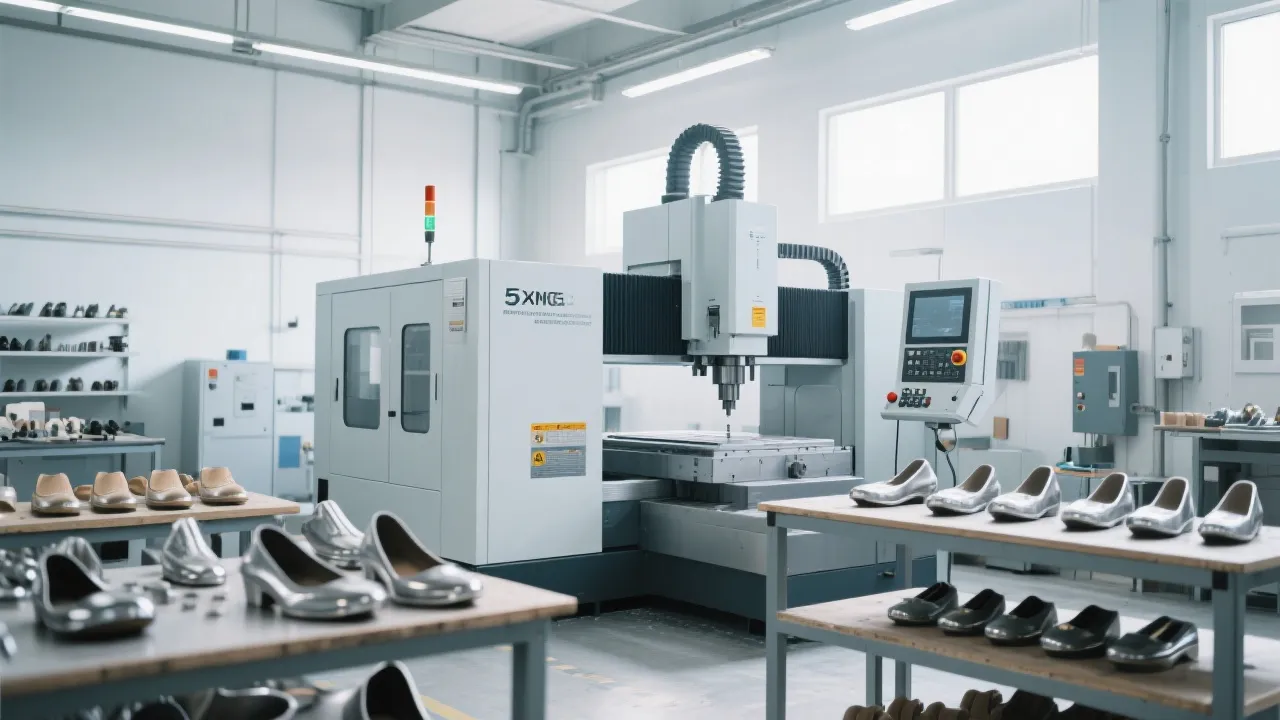
In the competitive world of footwear manufacturing, precision and speed are non-negotiable. For companies using five-axis CNC milling machines like the DC6070 to produce shoe lasts, the choice of spindle can make or break productivity. This article dives into how high-torque electric spindles outperform traditional models—especially when handling complex curves and hard materials such as composite leather or reinforced plastics.
Most standard belt-driven spindles fail under continuous load during deep slotting or intricate arc carving—a common requirement in athletic shoe last production. According to a 2023 industry survey by Footwear Manufacturing Insights, 68% of manufacturers reported increased tool wear and inconsistent surface finish when using low-torque spindles for high-hardness materials (HRC 45+).
“After switching to a high-torque direct-drive spindle, our average machining time per last dropped from 18 minutes to 12.5 minutes—a 30% gain without sacrificing dimensional accuracy.” — Zhang Wei, Production Manager at a leading Chinese sports footwear OEM
A major sportswear brand in Guangdong achieved measurable improvements after integrating a high-torque spindle into their five-axis CNC workflow. By optimizing feed rate (from 120 mm/min to 180 mm/min) and maintaining consistent spindle RPM (8,000–10,000), they reduced cycle time while increasing tool life by up to 40%. The key? Stable thermal management and superior anti-vibration design found only in modern high-torque systems.
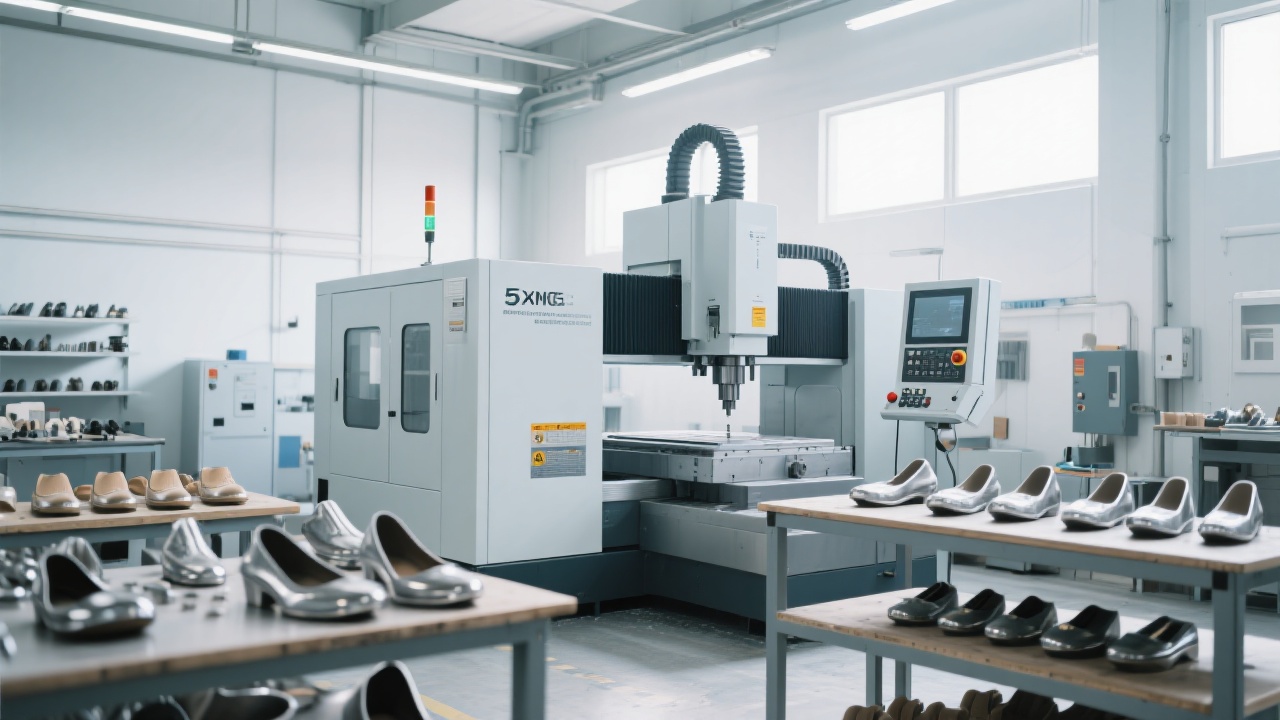
These steps aren’t just theoretical—they’re proven in real-world production lines across Asia, Europe, and North America. Whether you're an engineer fine-tuning parameters or a plant manager looking to reduce downtime, these strategies offer immediate value.
Download our free High-Torque Spindle Setup Guide PDF—complete with recommended settings, troubleshooting flowcharts, and best practices used by top-tier OEMs.
Get the Free Setup Guide Now