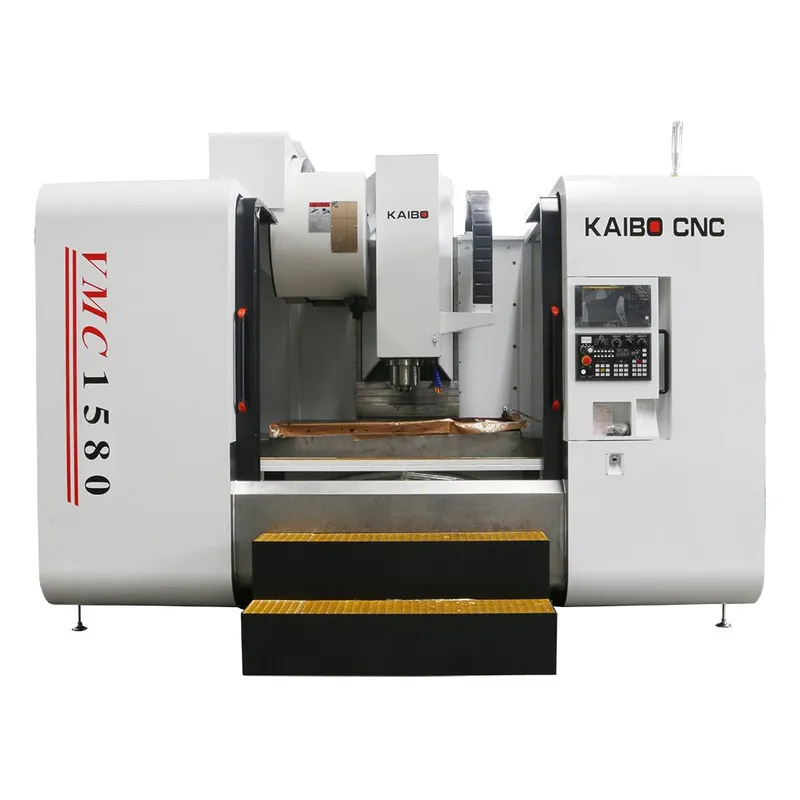
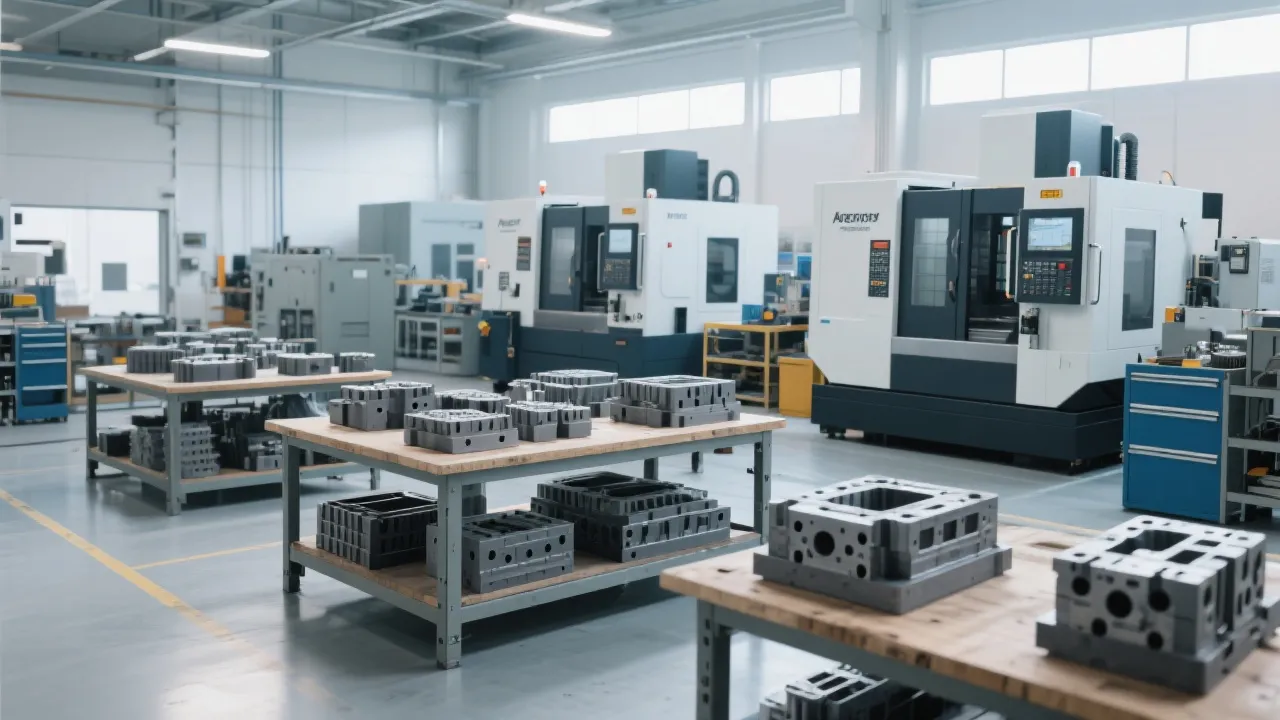
For shoe mold manufacturers using five-axis CNC milling machines like the DC6070, achieving consistent surface quality and tight tolerances on complex curves is no small feat. That’s where high-torque electric spindles come in—not just as a component, but as a performance enabler that directly impacts productivity, precision, and profitability.
Unlike standard spindles, high-torque variants use direct-drive technology with reinforced rotor design—delivering up to 40% more torque at low RPMs while maintaining thermal stability under load. In real-world applications, this means smoother cutting of hard materials like EVA foam or polyurethane without chatter or tool deflection.
“After switching to a high-torque spindle, our average cycle time dropped by 22%, and we saw a 15% improvement in first-pass yield.” — Chen Wei, Production Manager at Guangzhou Shoe Mold Co.
Shoe last machining often involves deep slots, sharp transitions, and curved surfaces that demand both power and control. A typical high-torque spindle can sustain 120–150 Nm of torque at 1,500 RPM—ideal for aggressive roughing and fine finishing in one setup. This eliminates the need for multiple tools or repositioning, reducing setup errors and improving dimensional consistency across batches.
Case study data from a mid-sized manufacturer in Vietnam shows: with high-torque spindles, tool life increased from ~40 hours to over 70 hours per sharpening cycle—a 75% reduction in tooling costs and downtime.
To get the most out of your spindle:
Pro tip: Pair your spindle with adaptive control software that automatically adjusts speed and feed based on real-time load feedback. It’s not just about raw power—it’s about smart responsiveness.
The bottom line? Investing in a high-torque spindle isn’t just about buying better hardware—it’s about building a smarter, more reliable manufacturing process. Whether you’re producing luxury footwear or mass-market lasts, the difference lies in how precisely each curve is carved. And that starts with the right spindle.