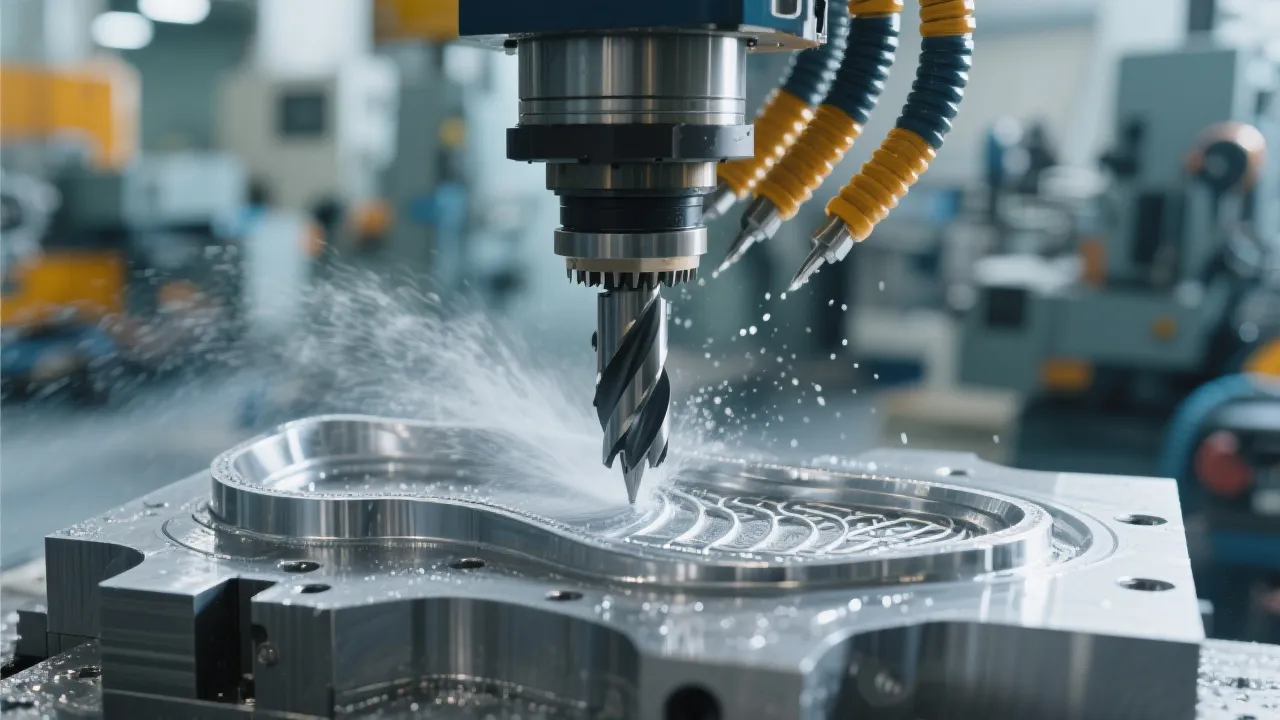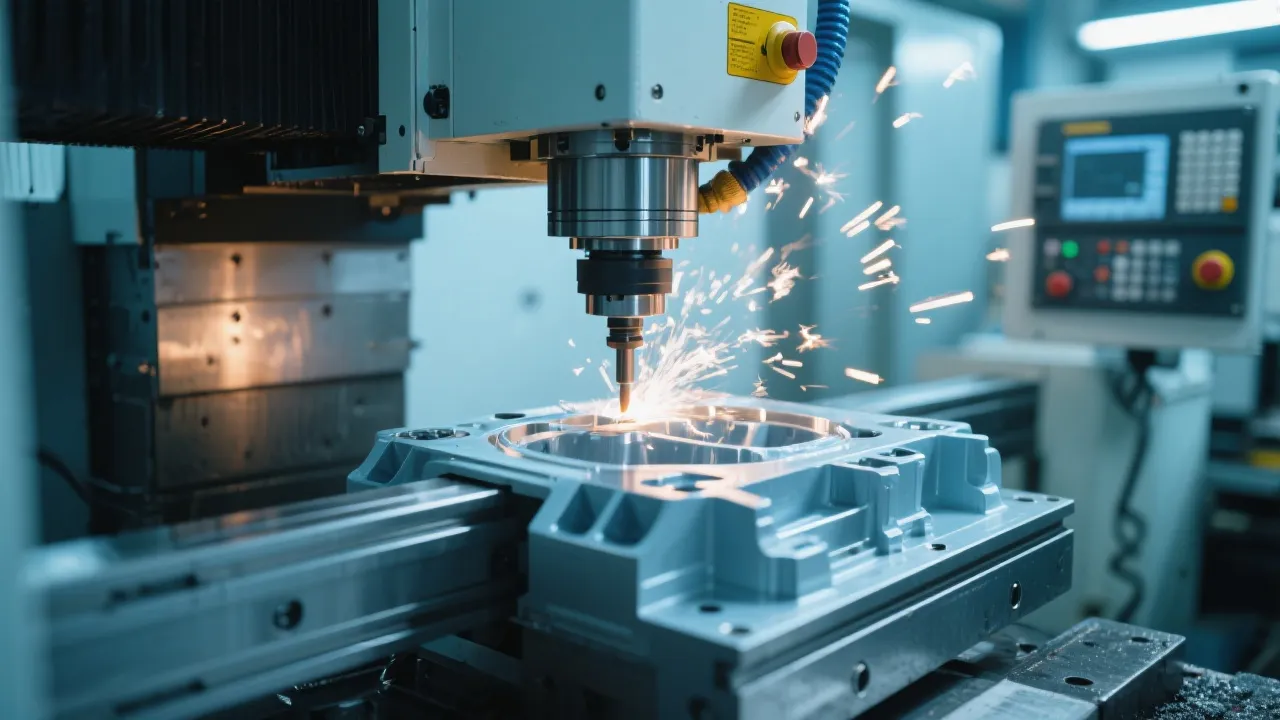
Industry Insight: Modern mold manufacturing demands precision beyond traditional machining capabilities. With the rise of complex geometries and high-performance materials, manufacturers face critical challenges in maintaining accuracy while increasing production efficiency.
For decades, conventional spindle systems have struggled to balance speed, precision, and stability in high-performance machining applications. Traditional BT or CAT taper interfaces often exhibit limitations in rigidity and thermal stability when operating at speeds exceeding 10,000 RPM, leading to three critical challenges:
These challenges become increasingly problematic in industries such as aerospace, medical device manufacturing, and precision mold making, where component tolerances often require maintaining accuracy within ±0.002mm. The introduction of HSK (Hollow Shank Taper) spindle technology represents a significant advancement in addressing these critical limitations.
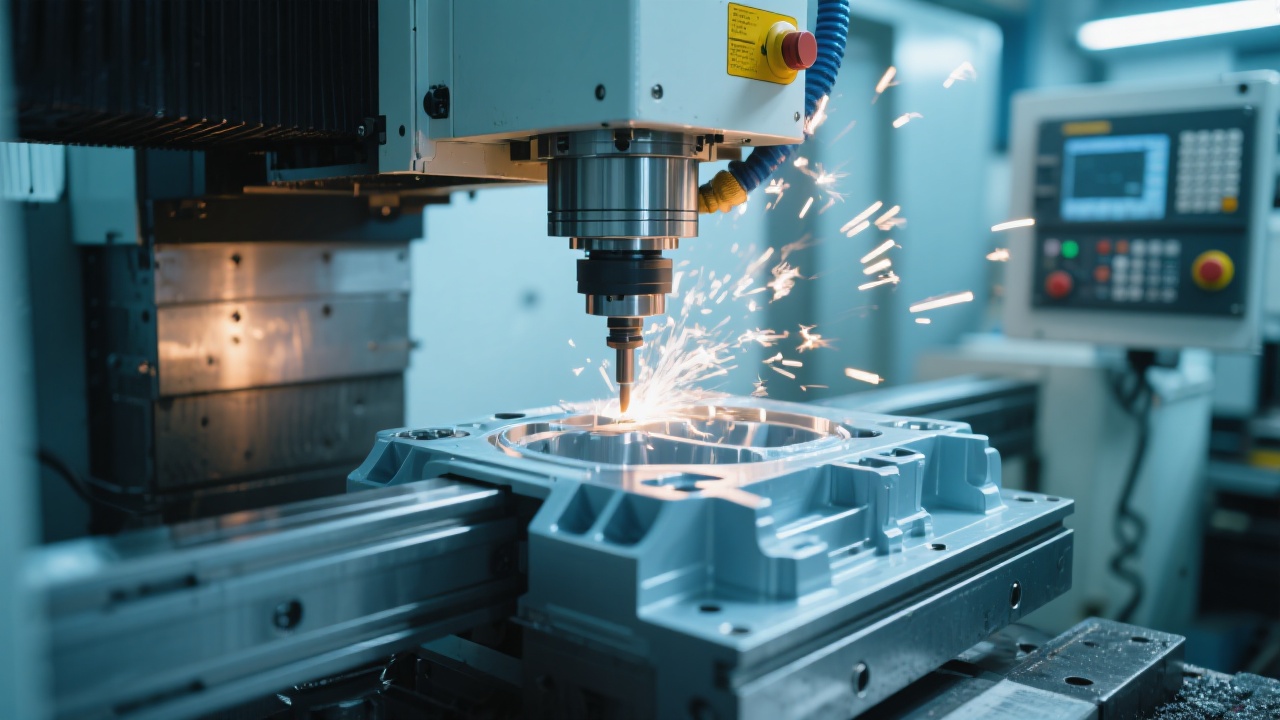
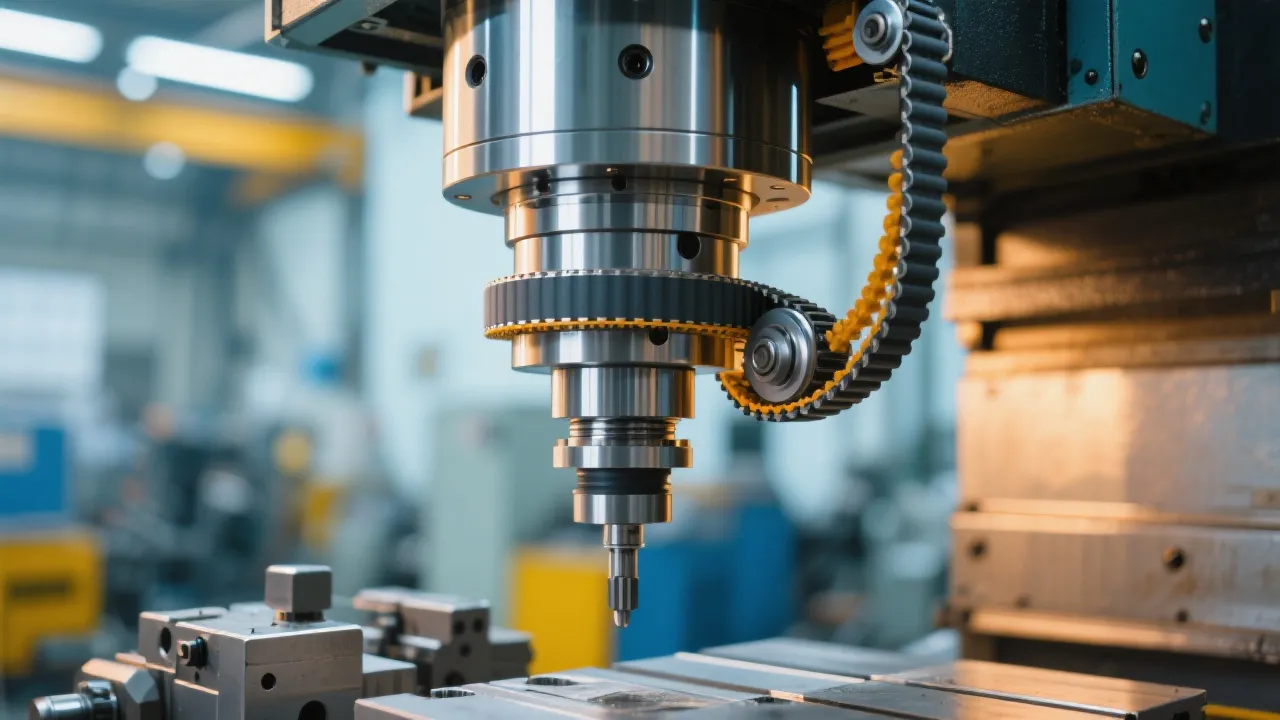
The HSK spindle system's revolutionary short柄 design fundamentally changes how cutting forces are transferred between the tool and machine. Unlike conventional tapers with contact only on the taper surface, HSK interfaces feature dual-contact—simultaneous contact at both the taper and flange face. This creates a rigid connection that significantly enhances performance metrics:
| Performance Metric | HSK Spindle | Traditional Taper | Improvement |
|---|---|---|---|
| Rigidity | 280 N/μm | 150 N/μm | +87% |
| Max Speed | 24,000 RPM | 12,000 RPM | +100% |
| Tool Change Time | 1.2 seconds | 3.5 seconds | -66% |
| Axial Stiffness | 350 N/μm | 180 N/μm | +94% |
High-speed machining generates significant heat, which can cause spindle expansion and subsequent loss of precision. The HSK design incorporates advanced thermal management features that address this challenge through:
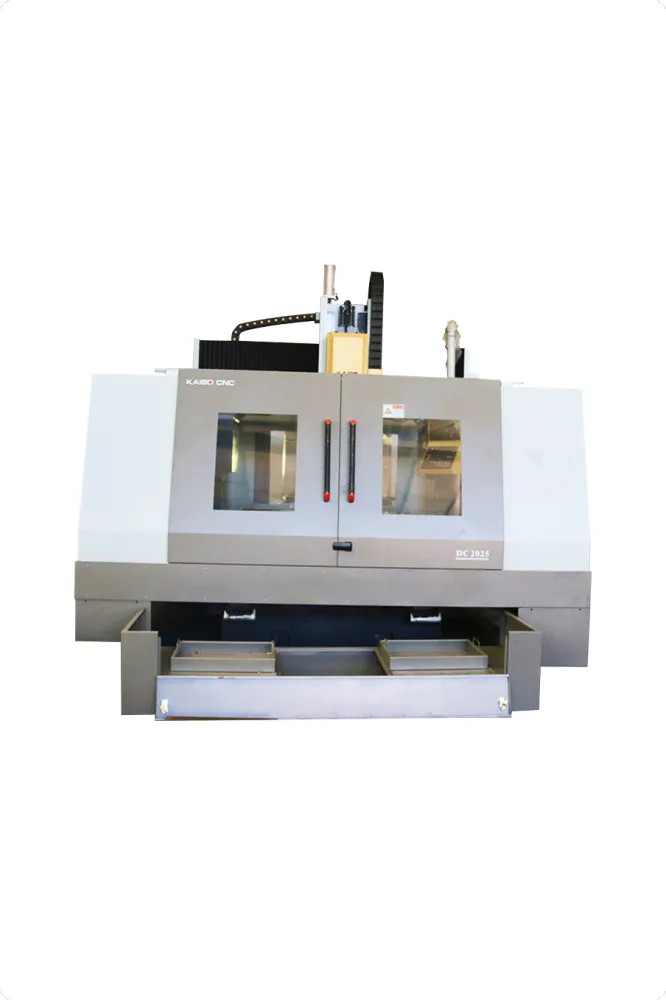
These features enable the HSK spindle to maintain dimensional stability even during extended high-speed runs, a critical advantage for 凯博数控's GJ8070 high-precision CNC milling machine when processing complex mold components requiring tight tolerances.
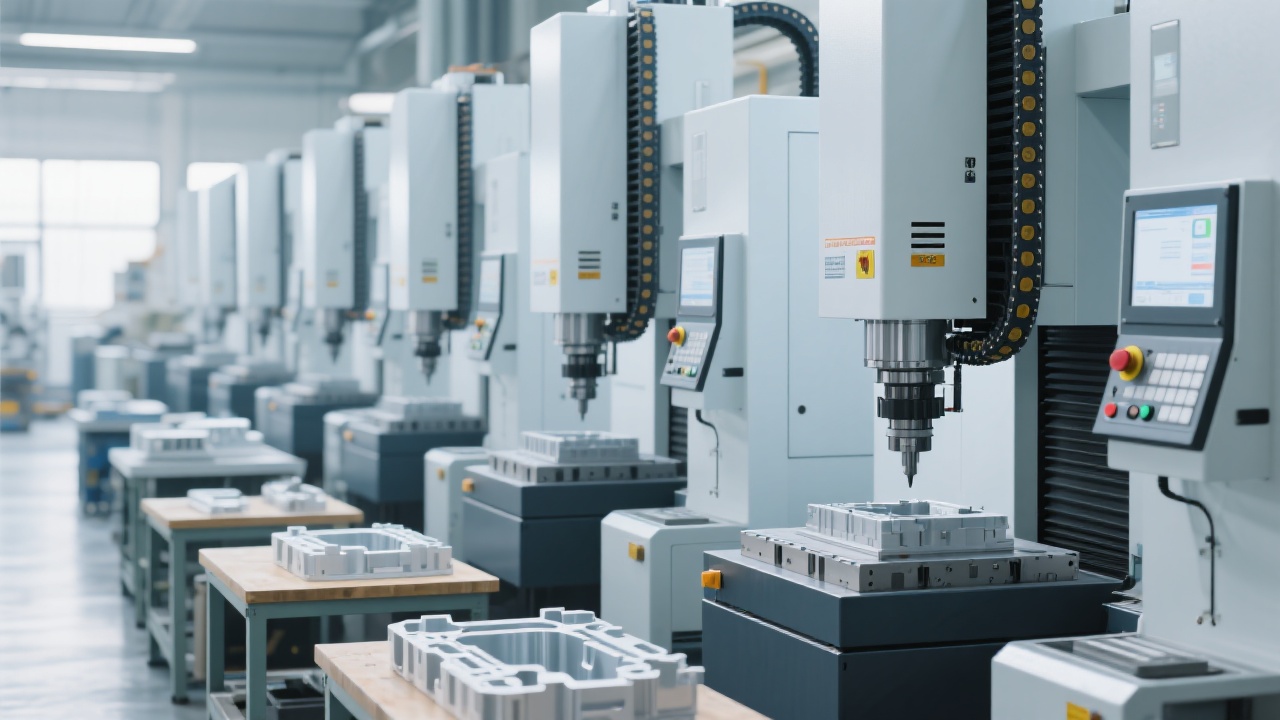
The theoretical advantages of HSK spindle technology translate into tangible benefits in demanding manufacturing environments. Consider the case of a precision mold manufacturer producing injection molds for medical devices, where surface finish and dimensional accuracy directly impact product quality and performance.
A leading automotive mold manufacturer faced challenges producing graphite electrodes for EDM applications using traditional spindle technology:
After upgrading to a 凯博数控 GJ8070 equipped with HSK高速主轴 technology, the manufacturer achieved:
"The HSK spindle's stability at high speeds transformed our graphite machining process. We're now able to meet tighter tolerances while increasing throughput by nearly 40%." — Manufacturing Engineering Manager, Automotive Components Supplier
Titanium alloys present unique machining challenges due to their high strength, low thermal conductivity, and tendency to work harden. The HSK spindle's rigidity and precision prove particularly advantageous in this application:
By maintaining stable cutting forces even at high speeds (15,000-20,000 RPM), the HSK system reduces cutting temperatures and minimizes workpiece deformation. This translates to improved tool life and consistent part quality when machining titanium components for aerospace applications, where material waste and rework can represent significant costs.
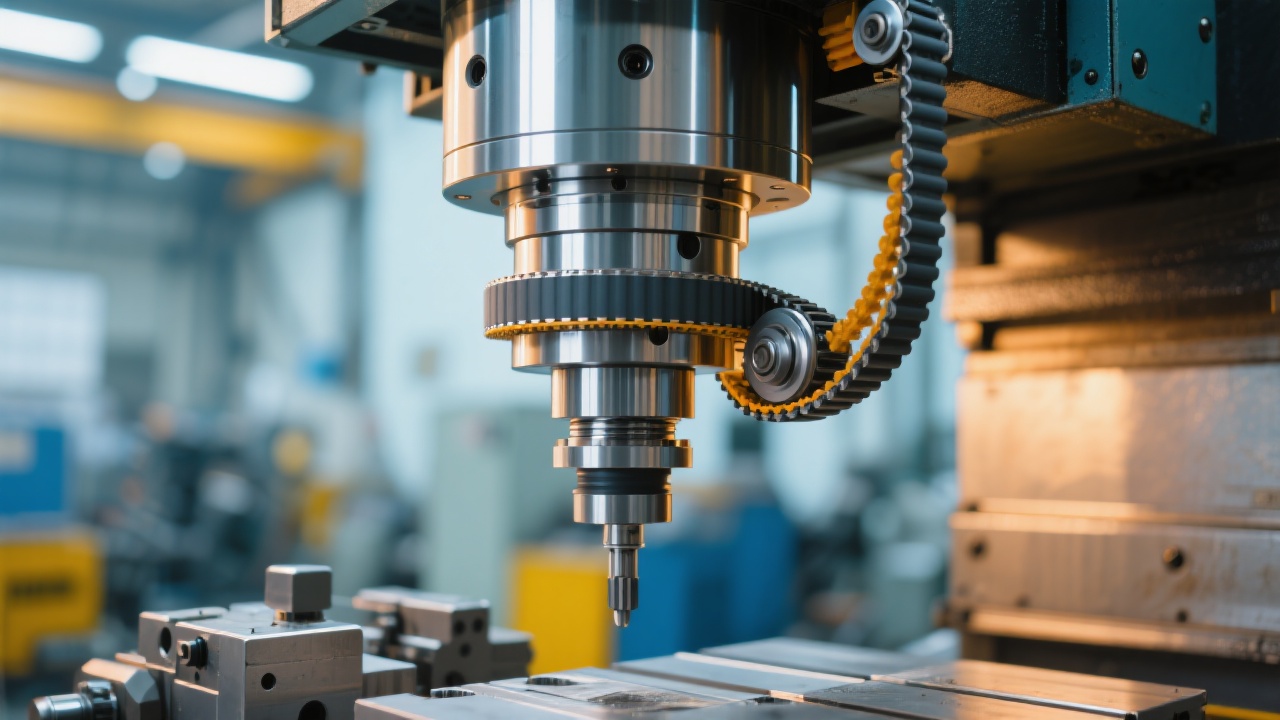
The performance of the HSK高速主轴 in the GJ8070 is further enhanced by its integration with the Fanuc控制系统, creating a seamless machining environment. This integration allows for advanced features such as:
When combined with 凯博数控's rigorous manufacturing standards and comprehensive service support, these technological advantages deliver a solution that addresses both immediate production needs and long-term manufacturing goals.
Discover how the HSK高速主轴 technology in 凯博数控's GJ8070 can elevate your manufacturing precision, reduce production time, and enhance your competitive edge in the global market.
Explore GJ8070 Technical SpecificationsManufacturers today face unprecedented pressure to deliver higher quality components in less time while managing rising material and operational costs. The choice of spindle technology directly impacts a company's ability to meet these challenges head-on. As precision requirements continue to tighten and materials become more advanced, the advantages of HSK spindle systems will only grow in significance.
For companies looking to stay ahead in precision manufacturing, evaluating the specific benefits of HSK technology for their unique applications represents a critical step toward future-proofing their operations and maintaining competitive advantage in an increasingly demanding global marketplace.