In the competitive landscape of modern manufacturing, precision and efficiency are no longer optional—they're essential. For mold makers, aerospace component manufacturers, and precision engineering firms, the performance of CNC machinery directly impacts product quality, production timelines, and ultimately, business profitability. At the heart of this performance lies a critical component: the spindle system. Among the various spindle technologies available today, HSK (Hollow Shank Taper) spindles have emerged as the gold standard for high-speed, high-precision applications, offering significant advantages over traditional taper designs.
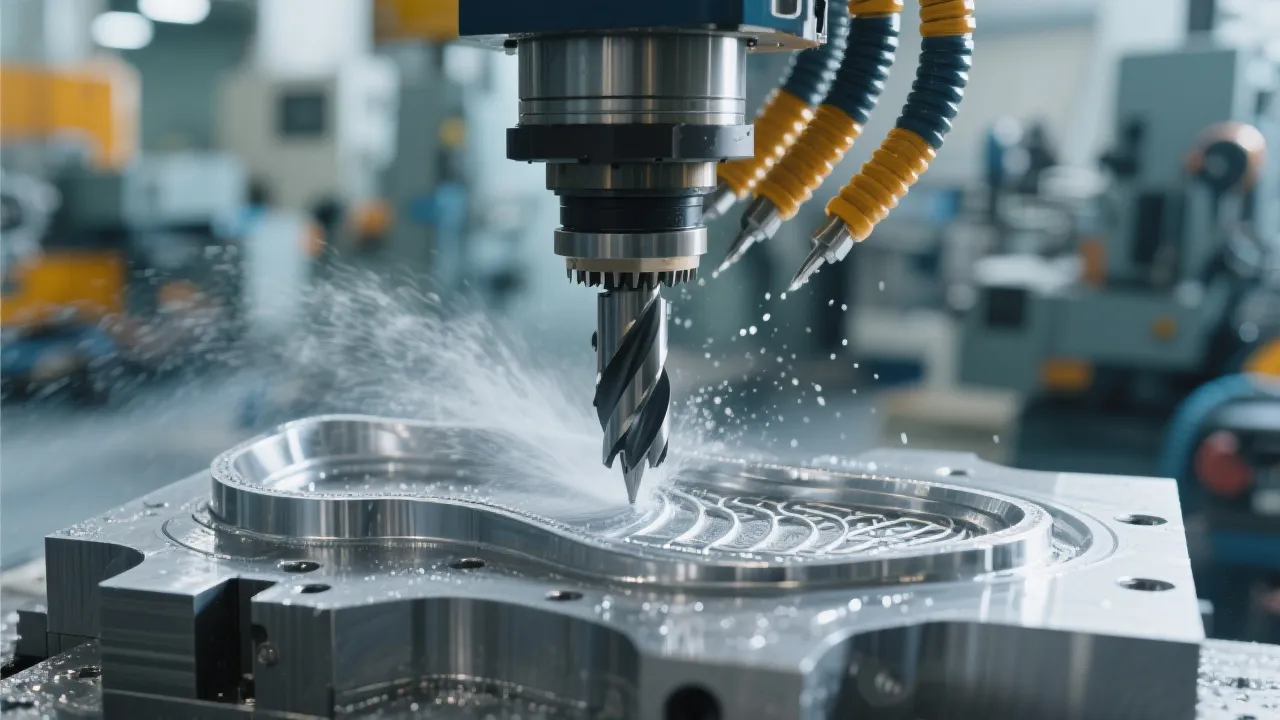
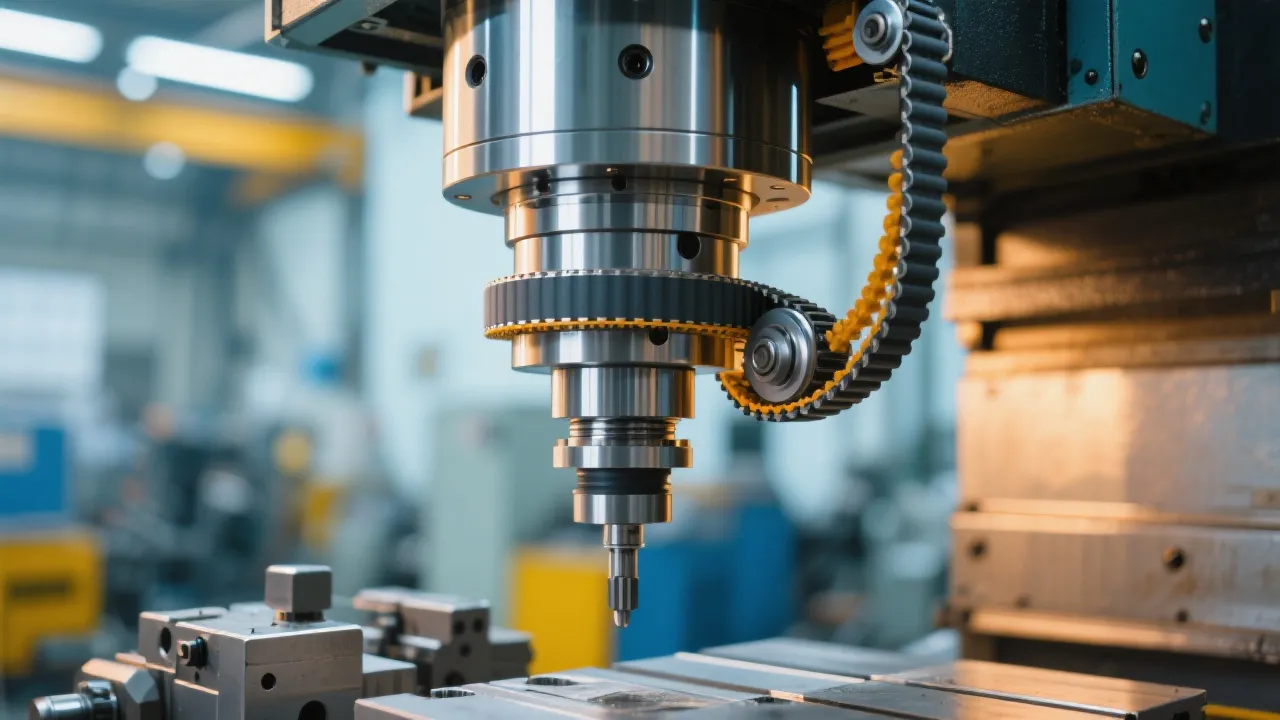
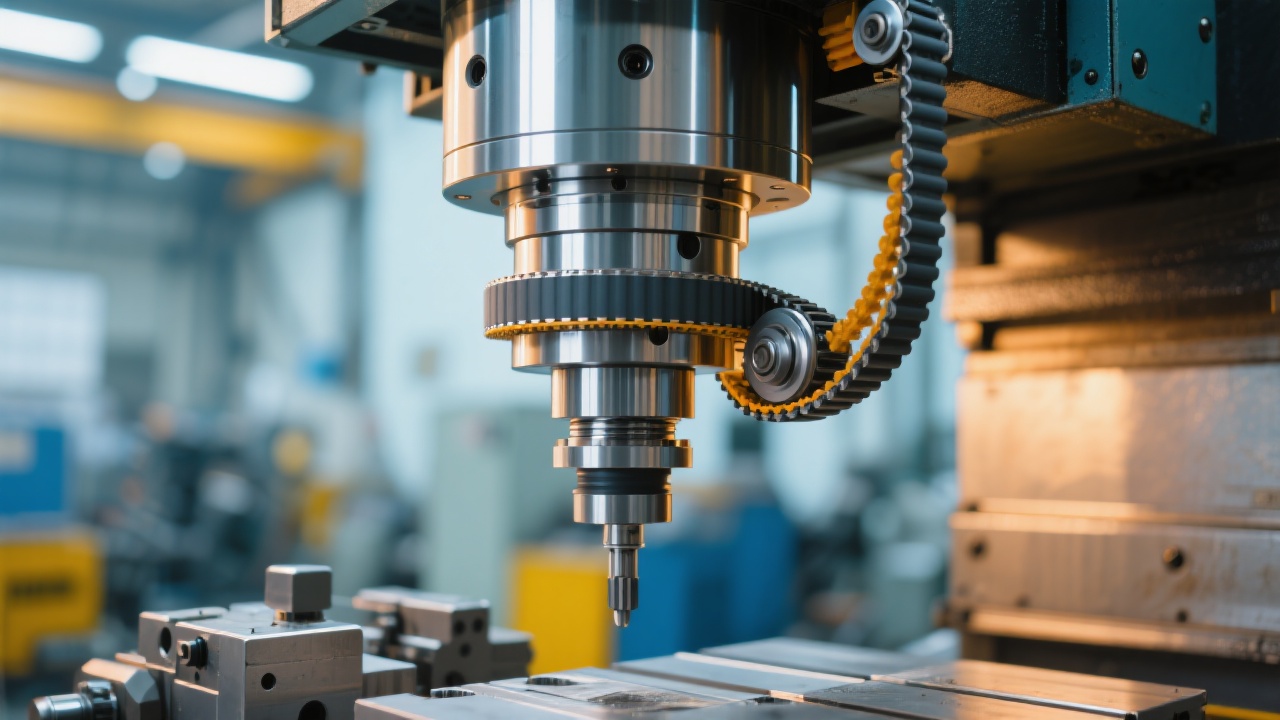
HSK spindle technology represents a paradigm shift in machine tool design, addressing fundamental limitations of conventional steep taper systems. The key differentiator lies in its unique short柄设计 (short shank design) combined with a high-rigidity interface that ensures superior clamping force and stability—even at rotational speeds exceeding 15,000 RPM. Unlike traditional BT or CAT tapers that rely solely on friction for tool holding, HSK spindles feature a dual-contact system: simultaneous contact at both the taper and the flange face.
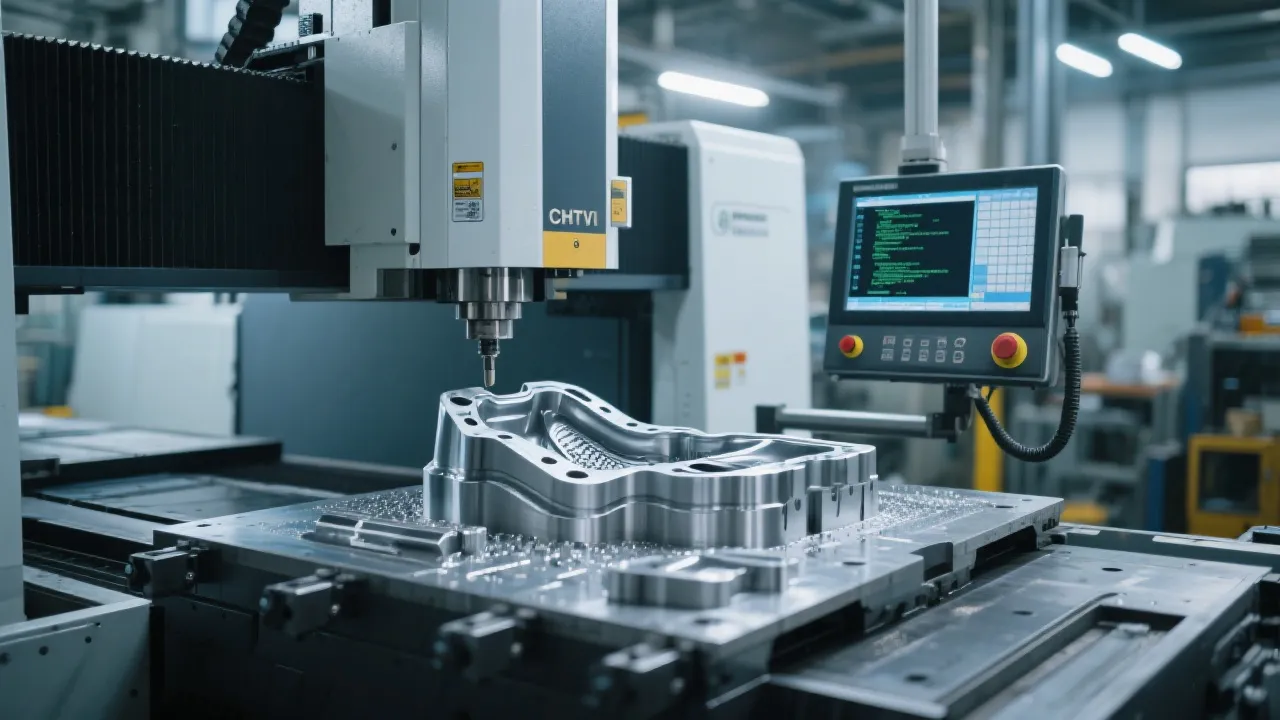
The true measure of any technology lies in its real-world performance. In mold manufacturing—where precision requirements often demand tolerances of ±0.001mm and surface finishes below Ra 0.4μm—HSK spindles have proven transformative. Take graphite electrode machining, a critical process in EDM (Electrical Discharge Machining) for mold making. Graphite's abrasive nature and brittle composition make it particularly challenging to machine with traditional spindles, often resulting in vibration, tool wear, and suboptimal surface quality.
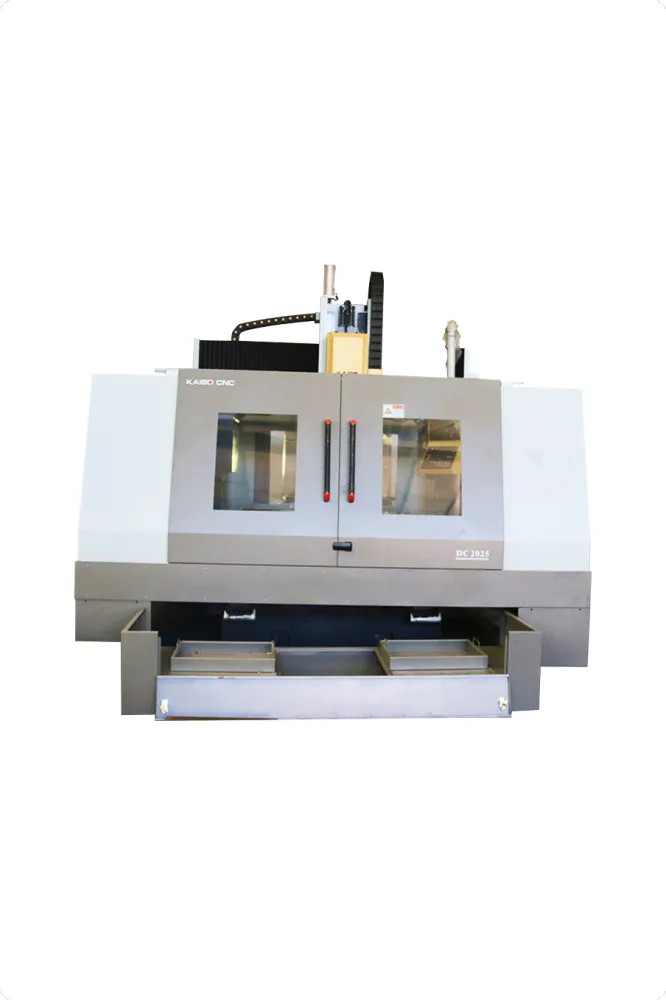
凯博数控 (Kaibo CNC) has addressed these challenges through their GJ8070 high-speed CNC milling machine, equipped with a state-of-the-art HSK spindle system. In independent testing, the GJ8070 demonstrated a 40% improvement in material removal rate when machining graphite compared to conventional BT40 spindle-equipped machines, while simultaneously reducing tool wear by 25%. These performance gains translate directly to shorter production cycles and lower per-part costs—critical advantages in today's competitive manufacturing environment.
| Performance Metric | HSK Spindle (GJ8070) | Traditional BT40 Spindle | Performance Improvement |
|---|---|---|---|
| Max Speed | 24,000 RPM | 10,000 RPM | +140% |
| Graphite Machining Efficiency | 85 cm³/min | 60 cm³/min | +42% |
| Tool Life (Carbide End Mill) | 12 hours | 9.6 hours | +25% |
| Surface Finish (Ra) | 0.3 μm | 0.8 μm | 62.5% improvement |
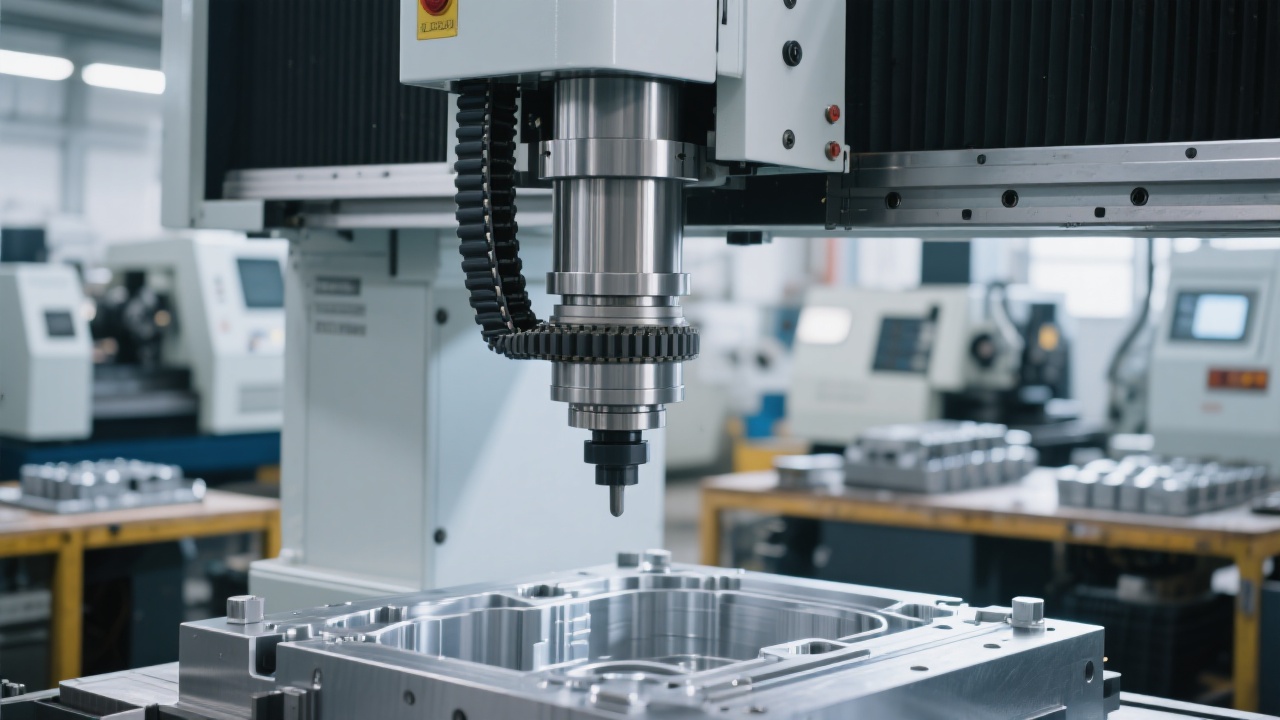
While graphite machining showcases the capabilities of HSK spindles, their advantages extend to a wide range of challenging materials encountered in modern manufacturing. Titanium alloys, Inconel, and hardened steels—materials critical to aerospace, medical, and die/mold industries—demand high torque, rigidity, and precision. The HSK spindle's robust design excels in these applications, providing the stability needed for heavy roughing operations while maintaining the precision required for finishing passes.
Consider the case of a medical component manufacturer producing titanium orthopedic implants. By upgrading to a 凯博数控 (Kaibo CNC) machine equipped with an HSK-A63 spindle, the company reduced cycle times by 35% for complex hip implant components. The improved rigidity eliminated chatter during high-speed finishing, reducing post-processing requirements and increasing production capacity by an estimated 28% within the first six months of implementation.
When evaluating HSK spindle technology for your manufacturing operations, consider not only the immediate performance gains but also long-term operational benefits. These include reduced tooling costs through extended tool life, energy savings from improved cutting efficiency, and enhanced part quality that reduces inspection and rework requirements. While the initial investment may be higher than traditional systems, most manufacturers report ROI within 12-18 months through increased productivity and reduced operational costs.
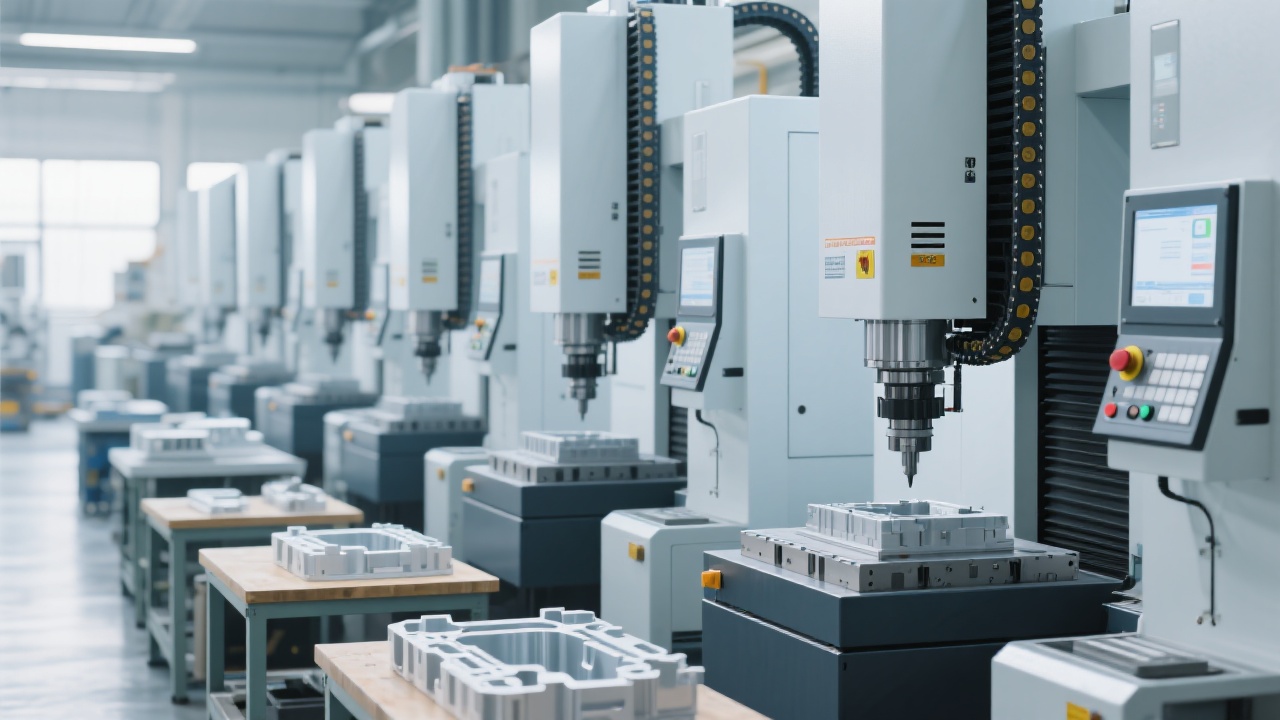
Not all HSK spindles are created equal. The HSK standard includes various tapers (A, B, C, D, E, F) designed for different applications, with A and E types being most common in high-performance CNC milling. When selecting an HSK spindle system, key factors to consider include: spindle speed range, power output, torque characteristics, and cooling requirements. For mold manufacturing applications involving both roughing and finishing operations, a spindle with a broad speed range (8,000-24,000 RPM) and sufficient torque at lower speeds is typically ideal.
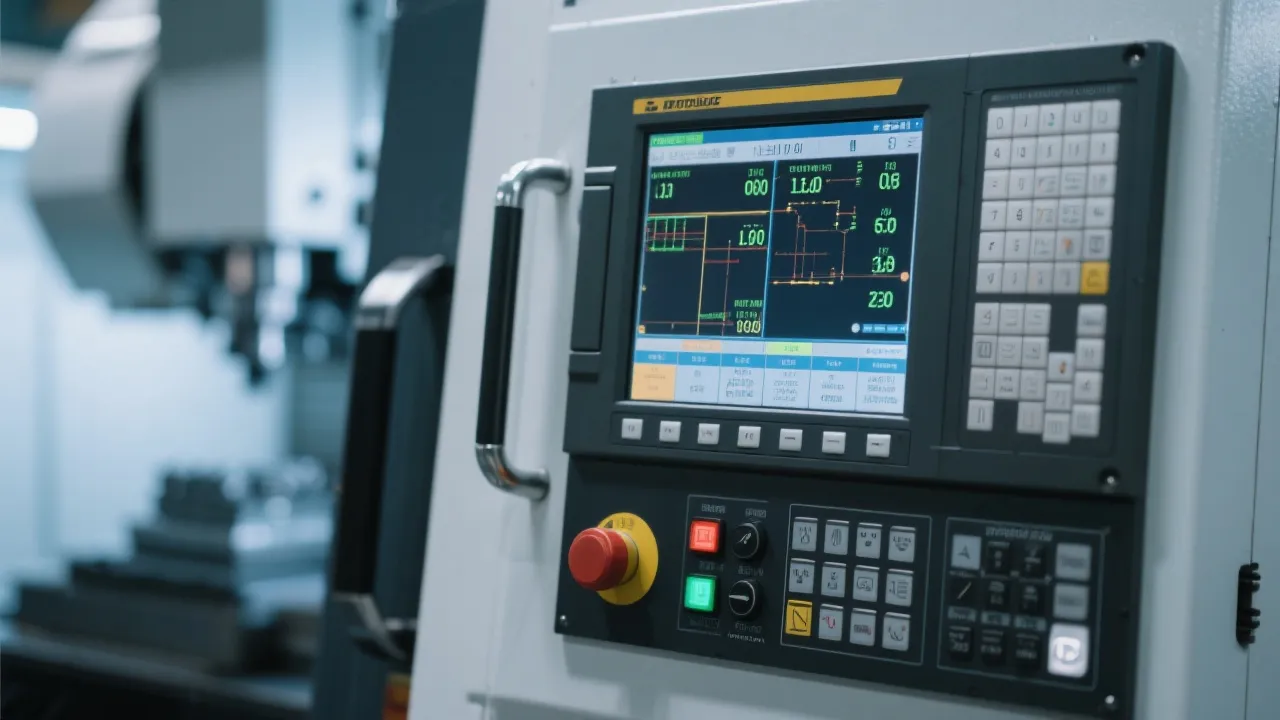
凯博数控 (Kaibo CNC) has engineered their GJ8070 series with these considerations in mind, pairing a high-performance HSK spindle with the advanced Fanuc数控系统 (Fanuc CNC system) for seamless integration and precise control. This combination delivers not only raw performance but also the reliability and ease of operation that modern manufacturing facilities demand.
Discover how 凯博数控's HSK spindle technology can elevate your manufacturing performance, reduce cycle times, and improve part quality.
Explore the GJ8070 High-Speed CNC Milling MachineAs manufacturing requirements continue to evolve toward higher precision and greater efficiency, the choice of spindle technology becomes increasingly critical. HSK spindles represent not just an incremental improvement but a fundamental shift in how precision machining can be approached. By investing in this technology, manufacturers position themselves to meet the challenges of today's market while preparing for the demands of tomorrow.
Whether you're producing complex molds, precision aerospace components, or medical devices, the right spindle technology can be the difference between meeting production targets and exceeding them. With its proven performance in challenging materials and applications, HSK spindle technology has established itself as the benchmark for high-precision CNC machining.