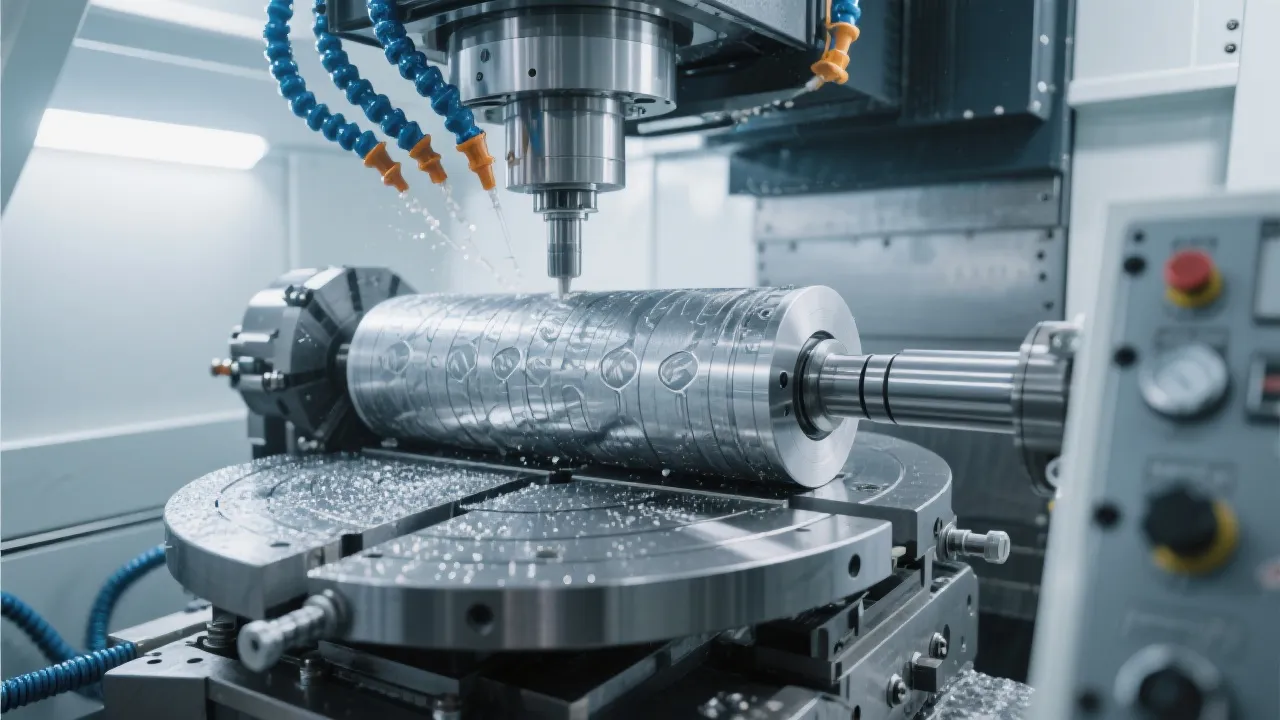
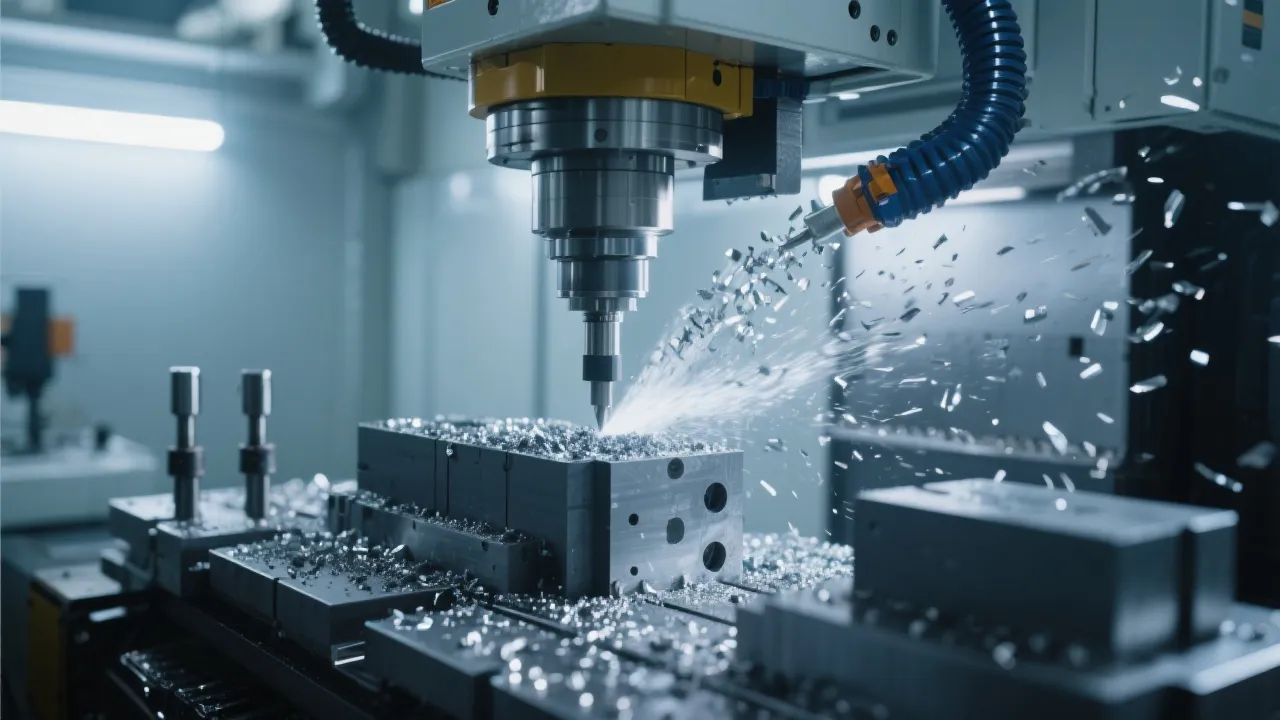
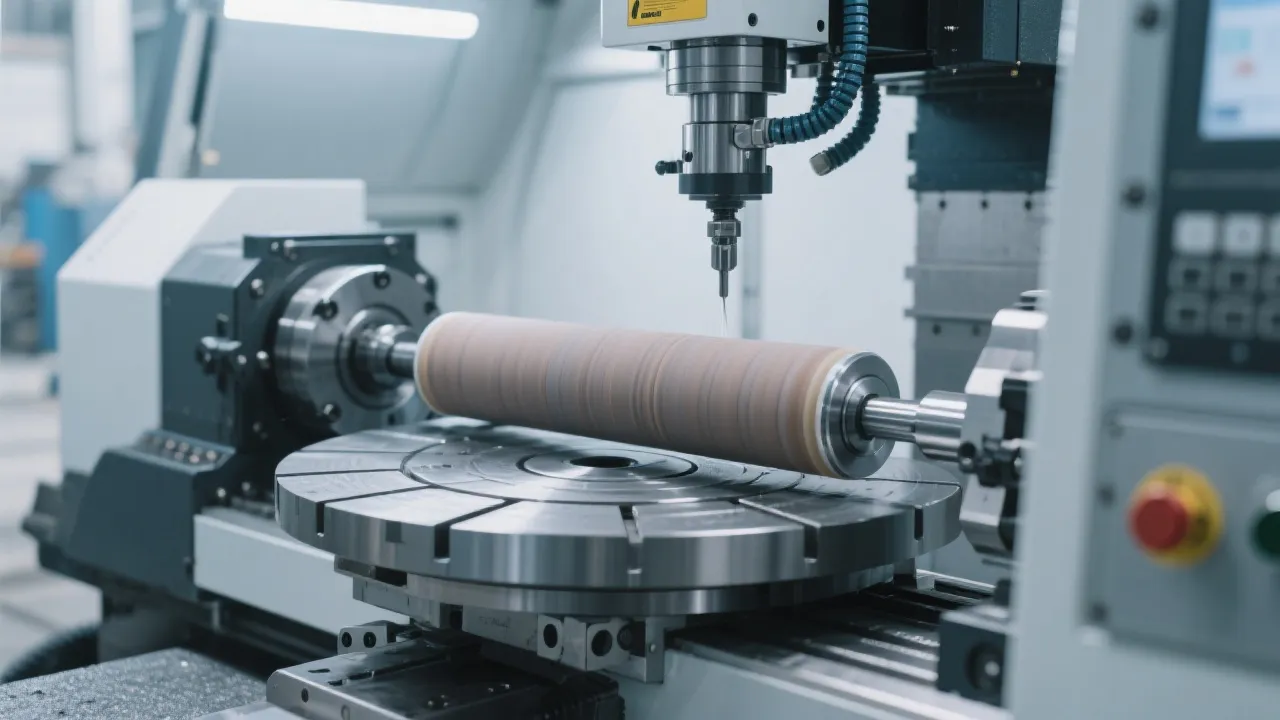
In the precision-driven world of mold manufacturing, graphite electrode machining stands as a critical process that directly impacts final product quality. As mold complexity increases and tolerances shrink to microns, manufacturers face growing challenges in achieving consistent precision and surface finish. Traditional spindle systems often struggle with vibration, thermal deformation, and rigidity issues when processing graphite—a material known for its abrasive nature and unique machining characteristics.
Graphite electrode manufacturing presents unique challenges that expose the limitations of conventional spindle designs:
Industry Challenge:
A leading automotive mold manufacturer reported that conventional BT40 spindles required tool changes every 15-20 graphite workpieces, with surface roughness fluctuating between Ra 1.2μm and Ra 2.5μm—creating inconsistent electrode performance and increasing EDM finishing time by 30%.
Three critical issues plague traditional spindle systems during graphite machining:
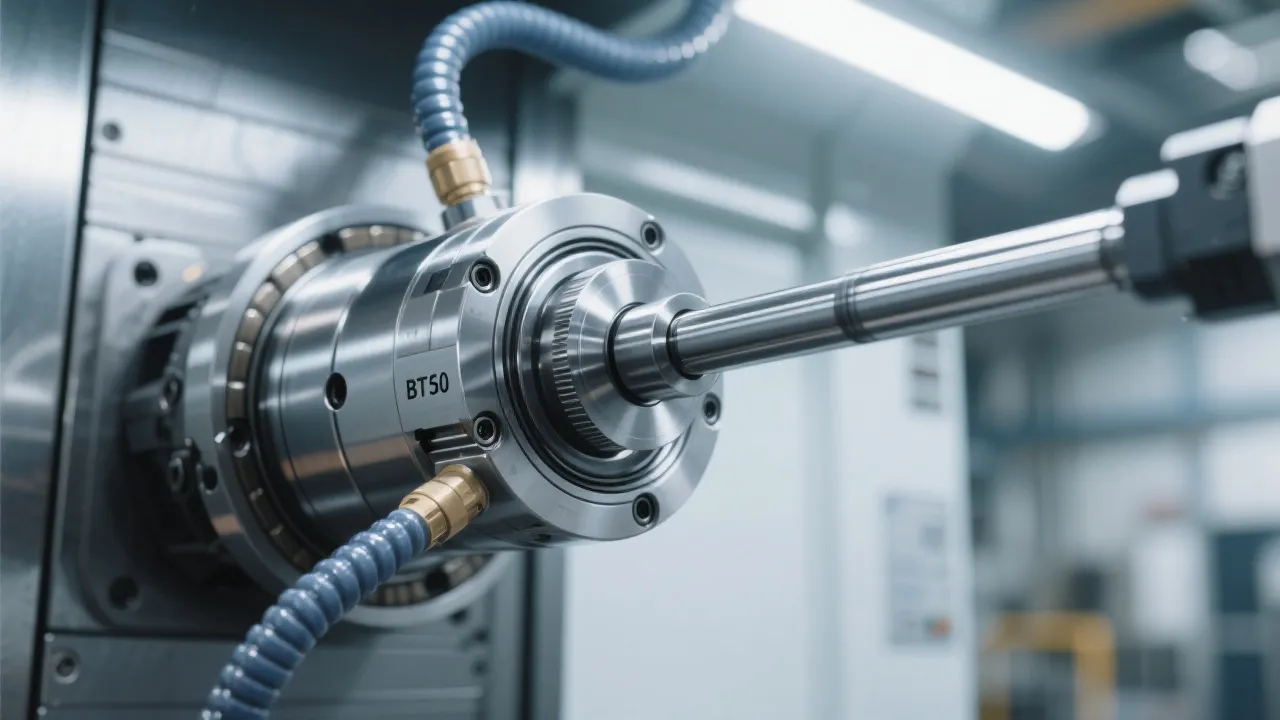
The HSK (Hohlschaftkegel or Hollow Shank Taper) spindle design represents a paradigm shift in high-precision machining. Developed by the German Machine Tool Builders' Association, this innovative interface addresses the specific demands of graphite electrode manufacturing through three fundamental engineering advancements:
By reducing the taper length by 40% compared to traditional BT spindles, HSK designs minimize the lever effect that amplifies vibration. This results in up to 65% reduction in tool deflection during high-speed graphite cutting.
Simultaneous taper and face contact creates a rigid connection that increases radial stiffness by 300% compared to conventional systems, eliminating micro-movements that compromise precision.
Advanced thermal management systems maintain consistent operating temperatures within ±1°C, reducing thermal expansion-related errors to less than 2μm over 8-hour production runs.
The technical advantages of HSK spindles translate directly to measurable improvements in graphite electrode manufacturing. When implemented in production environments, these systems deliver:
| Performance Metric | Conventional Spindle | HSK Spindle | Improvement |
|---|---|---|---|
| Surface Roughness (Ra) | 1.2-2.5 μm | 0.4-0.8 μm | +60-68% |
| Tool Life | 15-20 workpieces | 45-55 workpieces | +200-267% |
| Production Time per Electrode | 45-60 minutes | 25-35 minutes | -33-42% |
| Dimensional Stability | ±8-12 μm | ±2-4 μm | +67-75% |
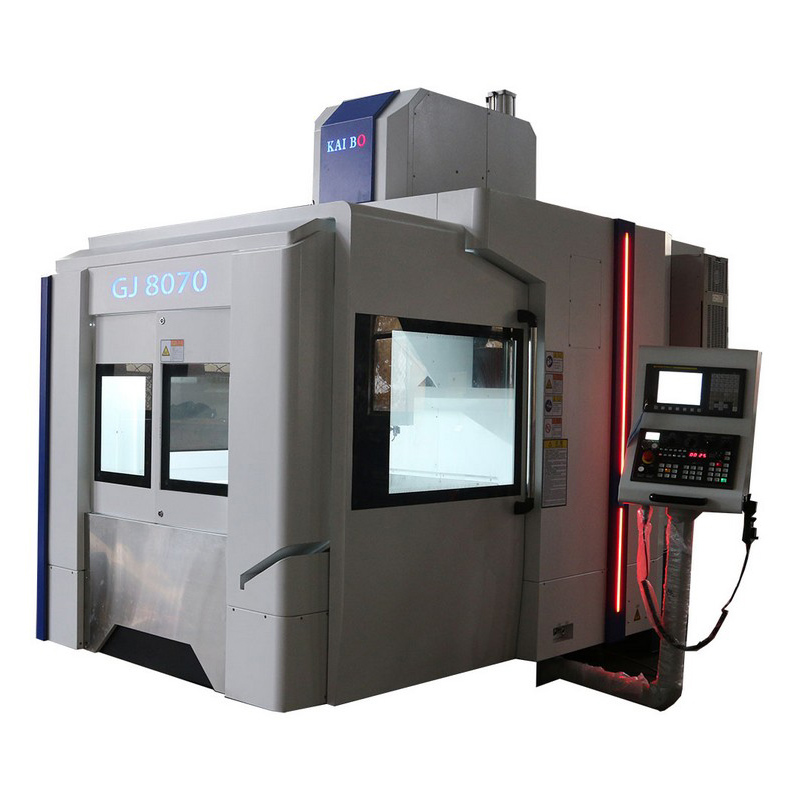
"After upgrading to 凯博数控's GJ8070 with HSK spindle technology, we've reduced our graphite electrode production time by 38% while improving surface finish consistency. The stability during high-speed machining has eliminated our previous quality variations, allowing us to meet tighter tolerances with fewer secondary operations."
— Manufacturing Engineering Manager, Precision Mold Company
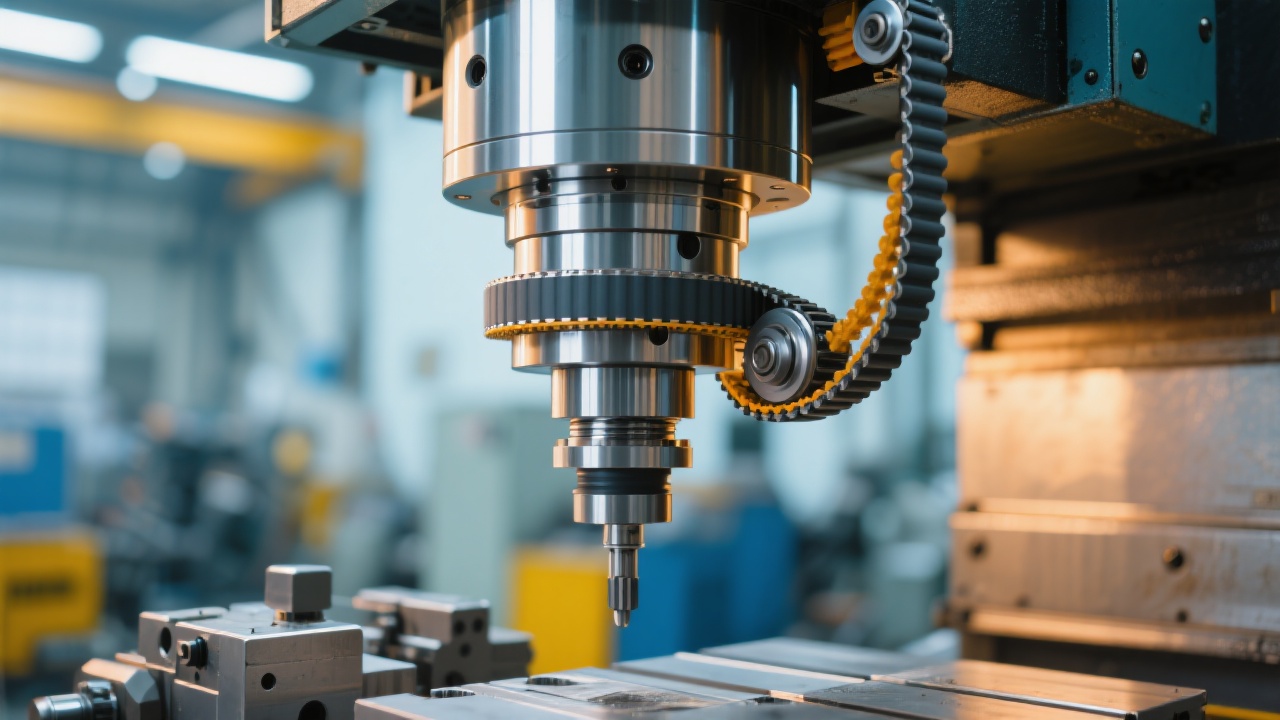
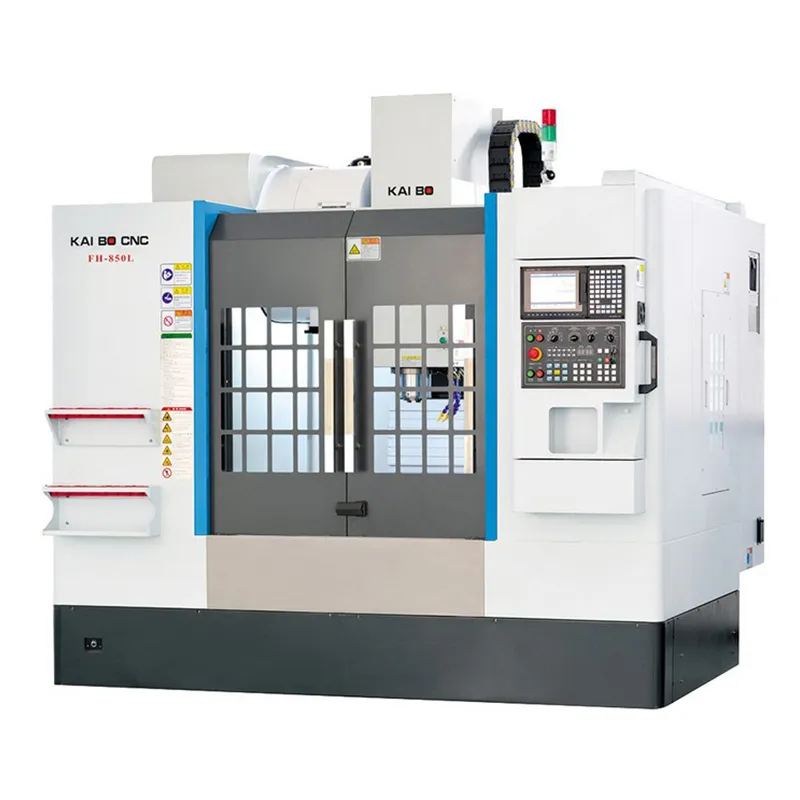
凯博数控's GJ8070 vertical machining center represents the optimal integration of HSK spindle technology with graphite machining requirements. This purpose-built solution combines several key advantages:
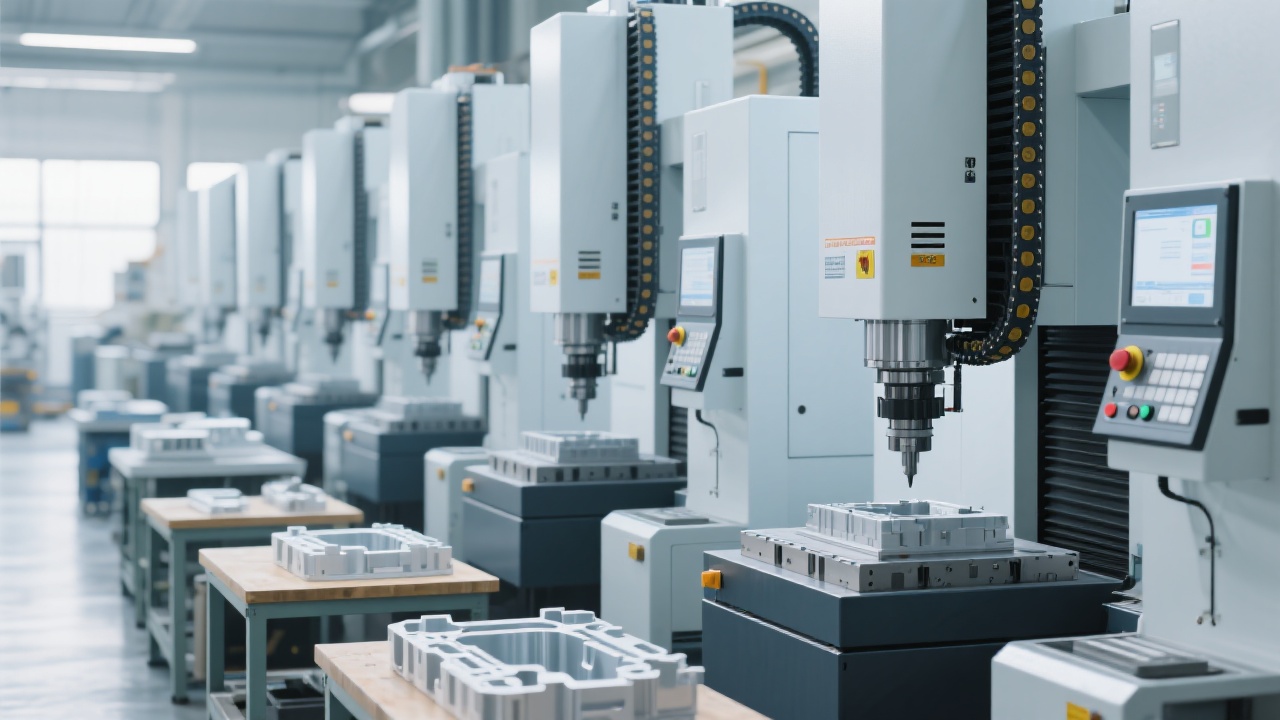
Discover how 凯博数控's HSK spindle technology can reduce production time while improving precision and surface quality.
Request a Free Graphite Machining AnalysisManufacturers across the automotive, aerospace, and precision tooling sectors are already leveraging HSK spindle technology to gain competitive advantages in graphite electrode production. The combination of improved surface finish, extended tool life, and reduced cycle times delivers a compelling return on investment—typically achieving payback within 8-12 months of implementation.
As mold complexity continues to increase and market pressures demand higher precision at lower costs, the choice of spindle technology becomes not just a technical decision, but a strategic business imperative. The data clearly demonstrates that HSK spindle systems have moved from being a premium option to an essential requirement for manufacturers competing in today's precision manufacturing landscape.