
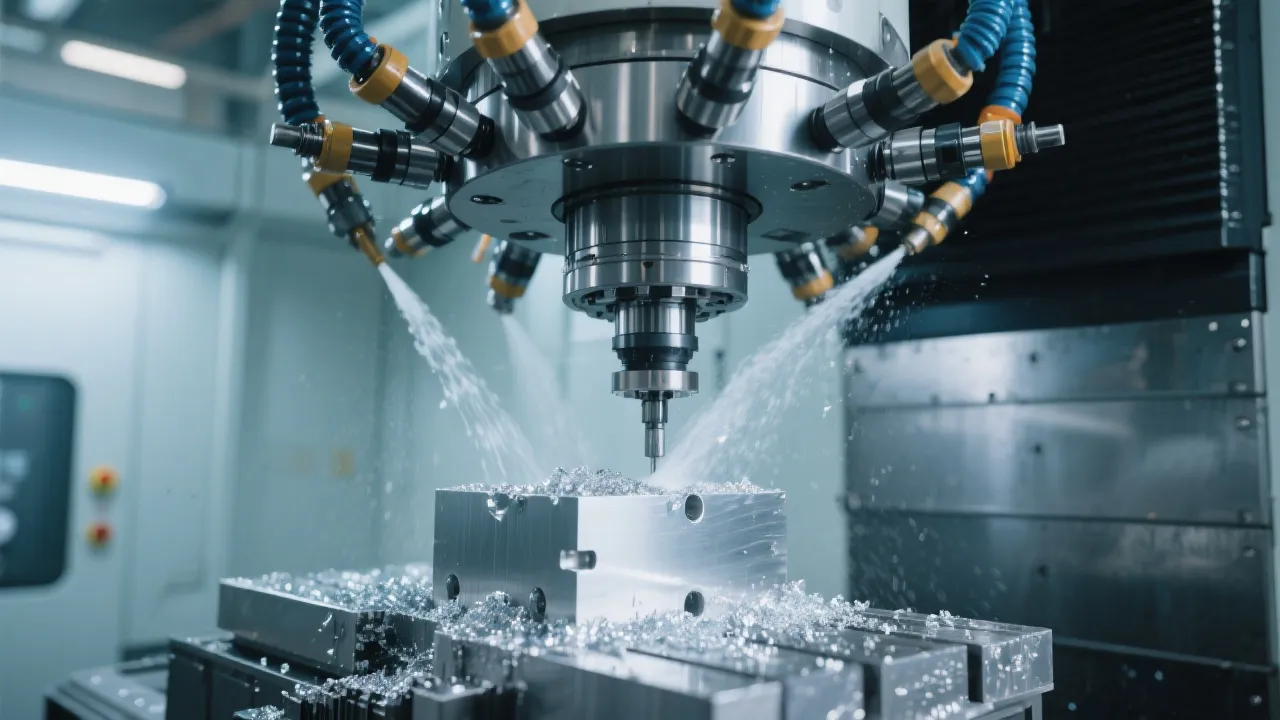
In the realm of iron mold manufacturing, the processing of complex structural components presents numerous challenges. Traditional three - axis machines, once the mainstay of the industry, are now showing their limitations. For instance, when it comes to inclined plane milling, deep - cavity grooving, and machining of irregularly shaped holes, these conventional machines often fall short.
A study indicates that in deep - cavity grooving operations with traditional three - axis machines, the error rate can reach up to 5% due to multiple set - ups and limited tool access. In inclined plane milling, the accuracy can be off by as much as 3%, which is unacceptable in high - precision iron mold manufacturing.
The 4/5 - axis rotary table technology emerges as a game - changer in this scenario. It allows for multi - face联动 (multifaceted linked) machining, which means that parts can be machined from multiple angles without the need for frequent re - clamping. This not only reduces the number of set - ups but also minimizes error accumulation.
The technical principle behind 4/5 - axis rotary tables lies in their ability to provide additional rotational axes. This enables the cutting tool to approach the workpiece from various directions, which is crucial for complex machining tasks. For example, in inclined plane milling, the 4/5 - axis rotary table can precisely position the workpiece at the required angle, ensuring a smooth and accurate milling process.
In practical applications, the use of 4/5 - axis rotary tables can increase the machining efficiency by up to 30% compared to traditional three - axis machines. The accuracy can also be improved significantly, with error rates dropping to less than 1% in most cases.
To fully leverage the capabilities of 4/5 - axis rotary tables, proper programming and tool path optimization are essential. In typical processes such as inclined plane milling and deep - cavity grooving, specific programming points need to be considered.
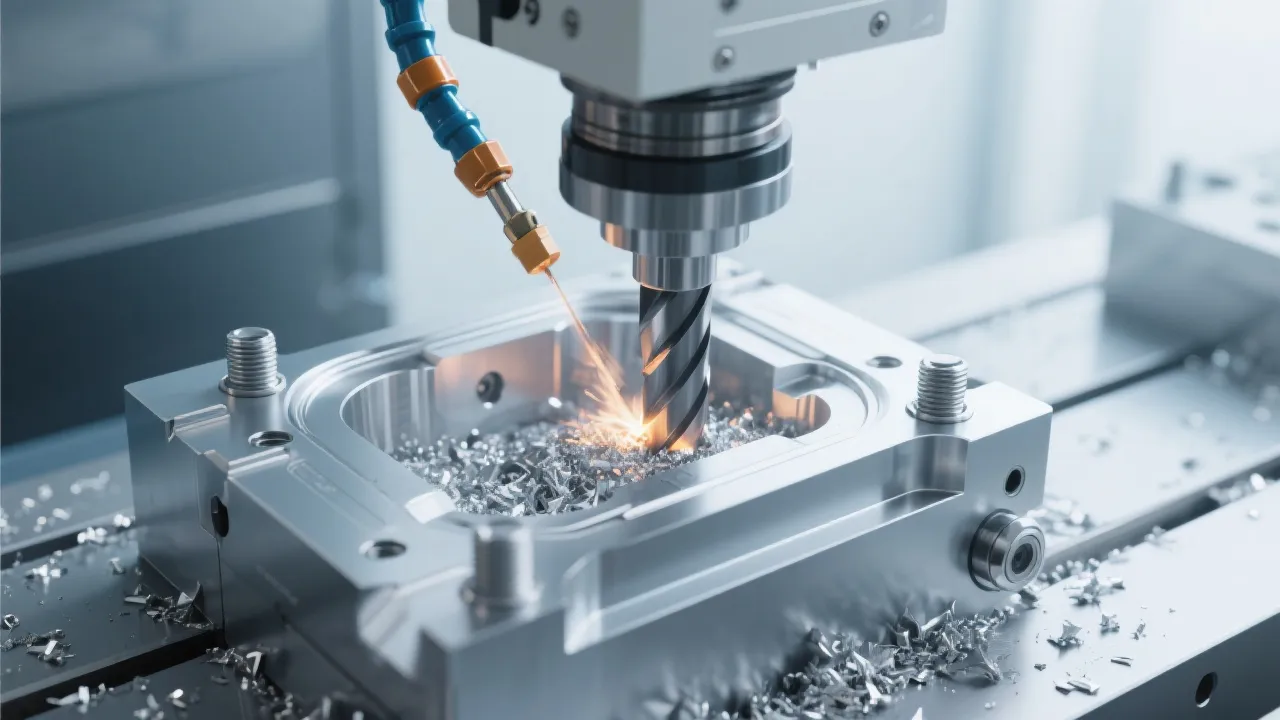
For inclined plane milling, the programming should take into account the angle of the inclined plane, the feed rate, and the cutting depth. By optimizing the tool path, the number of passes can be reduced, and the surface finish can be improved. In deep - cavity grooving, the programming needs to consider the depth of the cavity, the shape of the groove, and the avoidance of tool interference.
One effective way to optimize the tool path is to use simulation software. This software can simulate the machining process and identify potential problems such as tool interference and excessive cutting forces before actual machining. By making adjustments based on the simulation results, the machining quality and efficiency can be further enhanced.
In actual production, interference between the tool and the workpiece or fixture is a common problem. To avoid this, several techniques can be employed. For example, using longer tools with smaller diameters can reduce the risk of interference in deep - cavity grooving. Additionally, adjusting the rotational speed and feed rate can also help to prevent interference.
Another important aspect is error - proofing. By implementing strict quality control measures and operator training, the occurrence of errors can be minimized. For instance, operators should be trained to check the tool installation, the workpiece alignment, and the programming parameters before starting the machining process.
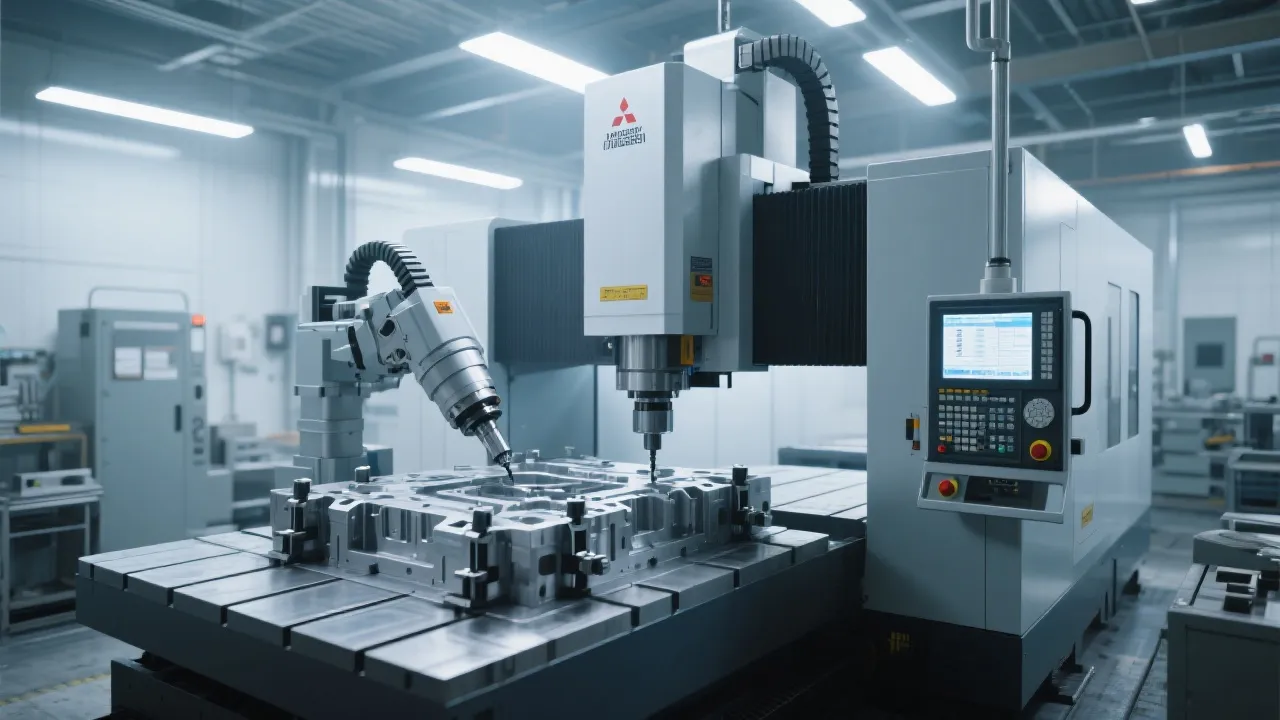
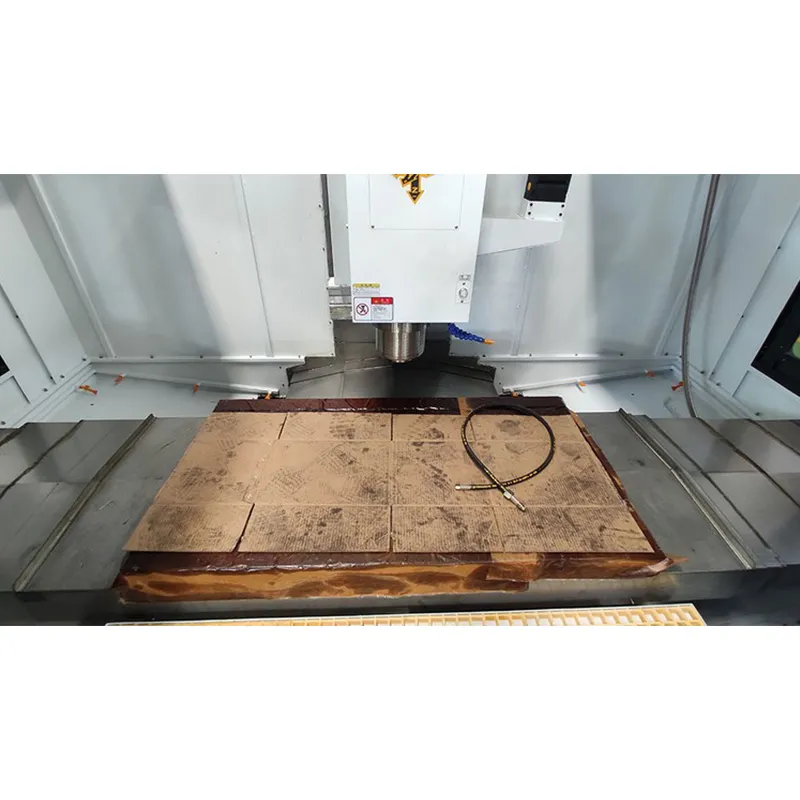
Kaibo's DC1113 CNC milling machine for iron molds is a prime example of how modern technology can be applied to solve the challenges in iron mold manufacturing. This machine is equipped with a 4/5 - axis rotary table, which allows for efficient and accurate machining of complex iron mold components.
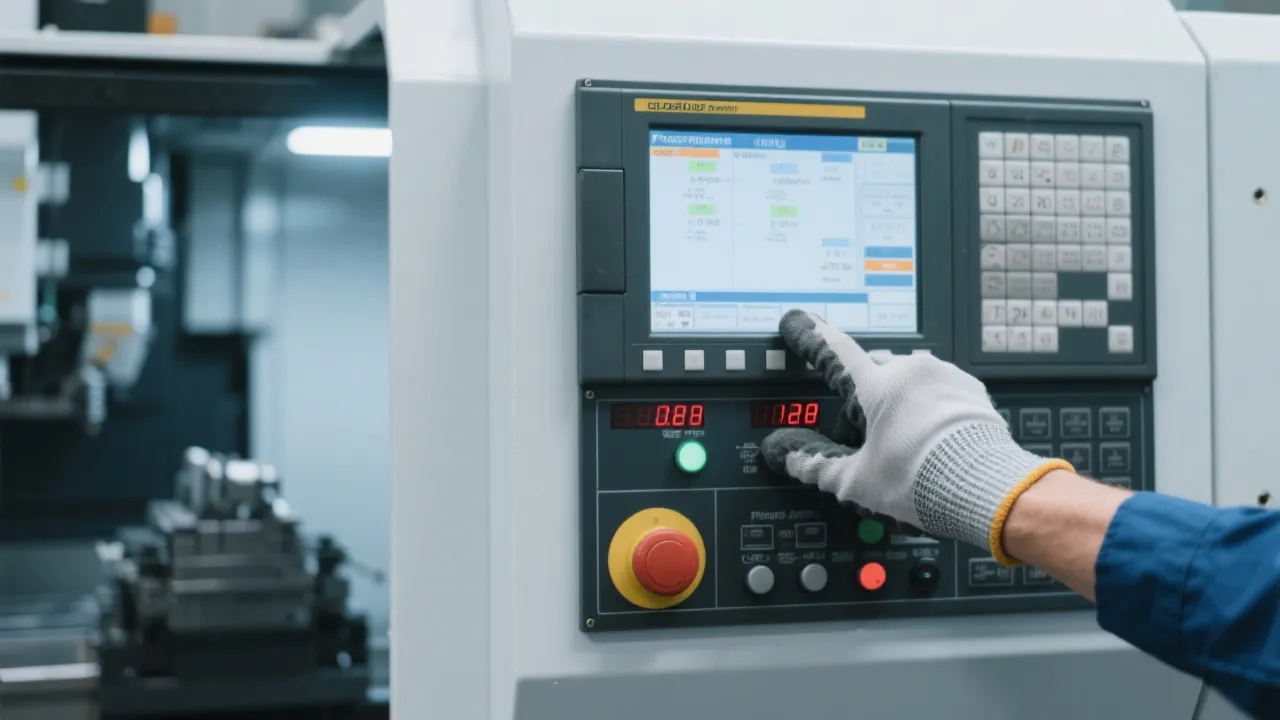
In a practical case study, a manufacturer using the Kaibo DC1113 was able to reduce the production time of a complex iron mold by 25% and improve the machining accuracy by 2%. The machine's advanced control system and high - precision components ensure stable and reliable operation.
In conclusion, the 4/5 - axis rotary table technology offers significant advantages in improving the machining accuracy and efficiency of iron molds. With proper programming, path optimization, and error - proofing techniques, manufacturers can overcome the limitations of traditional three - axis machines. The Kaibo DC1113 CNC milling machine is a reliable choice for those looking to upgrade their iron mold machining capabilities.
Choose Kaibo DC1113, and you are choosing a trustworthy high - quality machine. Click here to learn more about Kaibo DC1113 and take your iron mold manufacturing to the next level!





 <#else>





