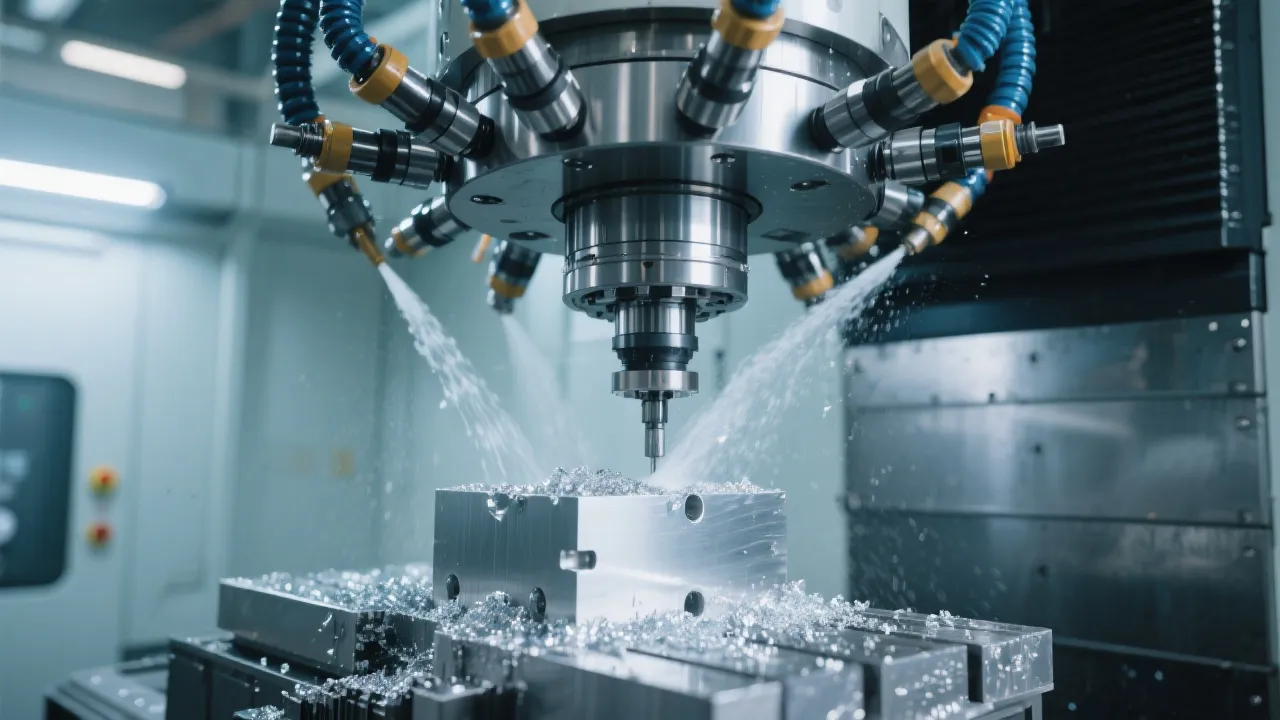
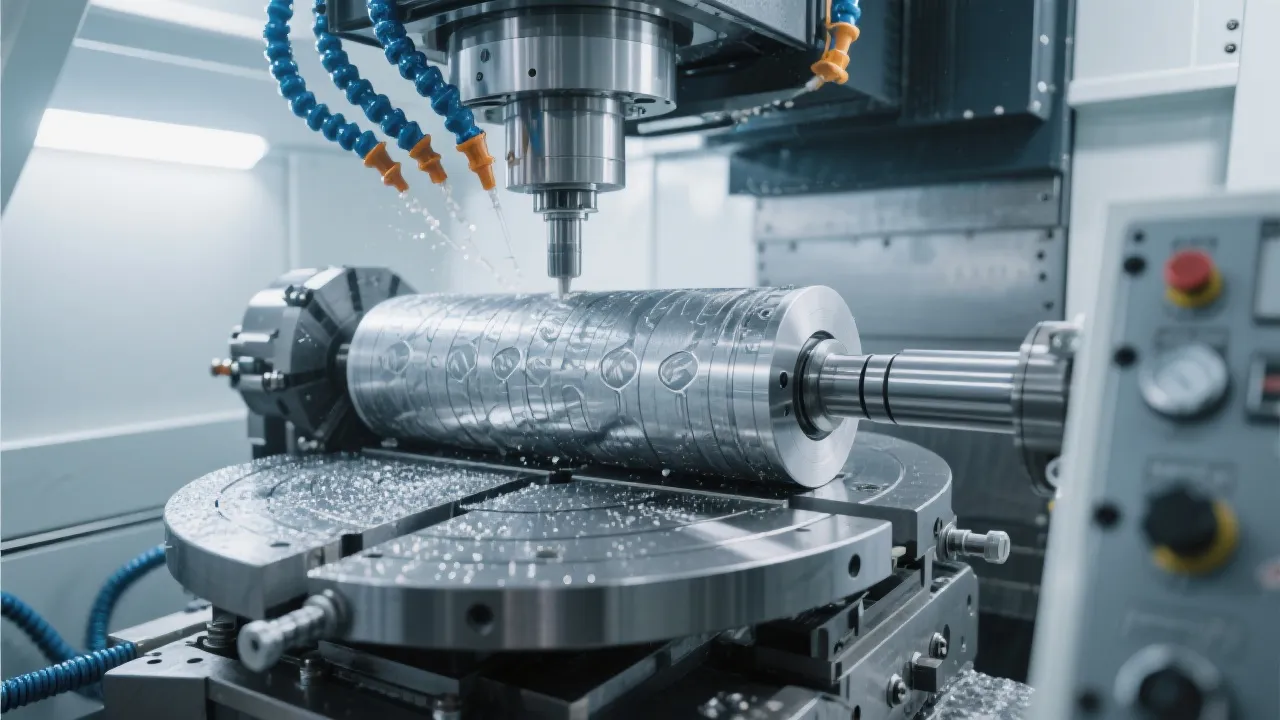
In the iron mold manufacturing industry, selecting the right CNC milling machine is a crucial step that directly impacts production efficiency and machining quality. Based on Kaibo CNC's 25-year industry experience, this article will delve into the key technical parameters of iron mold CNC milling machines and provide scientific selection advice to help iron mold manufacturing enterprises avoid common pitfalls and achieve efficient, precise, and stable export production.
When it comes to iron mold CNC milling machines, several core parameters play a vital role in determining the machining outcome. These include positioning accuracy, spindle power, guide rail type, and equipment structural stiffness. For example, positioning accuracy refers to the ability of the machine to reach a specified position, while repeat positioning accuracy measures the consistency of the machine's return to the same position multiple times. A high-precision machine can ensure that the iron mold meets the strict dimensional requirements, reducing waste and rework.
Let's take a real - world case. A small - scale iron mold manufacturing company once purchased a low - cost CNC milling machine without fully understanding these parameters. The machine had poor positioning accuracy, resulting in a high rejection rate of their products. After switching to a Kaibo CNC milling machine with high positioning and repeat positioning accuracy, their production efficiency increased by 30%, and the rejection rate dropped from 15% to less than 5%.
Spindle power is another critical factor. It determines the cutting ability of the machine. Different iron mold materials, such as gray cast iron and ductile cast iron, have different machining requirements. Gray cast iron is relatively brittle and requires less spindle power, while ductile cast iron is tougher and needs more power to ensure smooth cutting.
The guide rail material also affects the machining performance. Linear guide rails offer high - speed movement and low friction, suitable for high - speed machining. On the other hand, box - type guide rails provide high rigidity and stability, ideal for heavy - duty machining. Kaibo CNC offers a variety of options to match different production needs. For instance, for machining gray cast iron with high - speed requirements, a machine with linear guide rails and appropriate spindle power can be selected.
| Iron Mold Material | Recommended Spindle Power | Recommended Guide Rail Type |
|---|---|---|
| Gray Cast Iron | 5 - 10 kW | Linear Guide Rails |
| Ductile Cast Iron | 10 - 20 kW | Box - type Guide Rails |
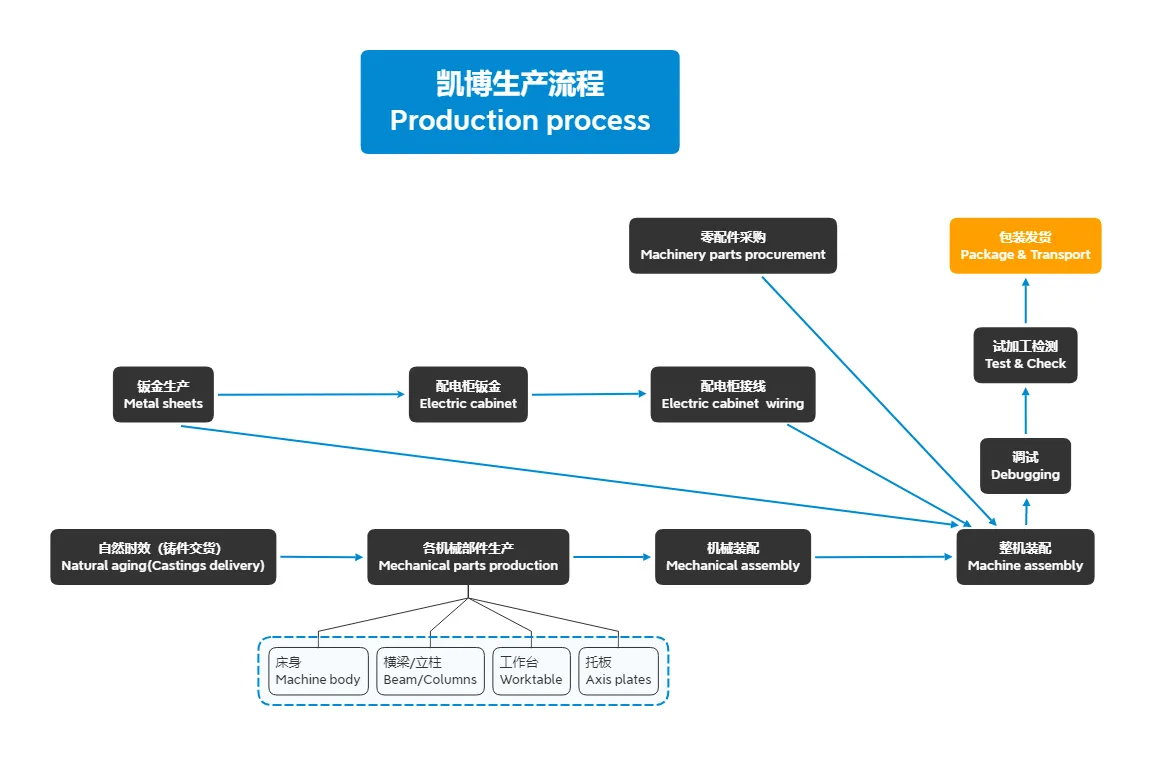
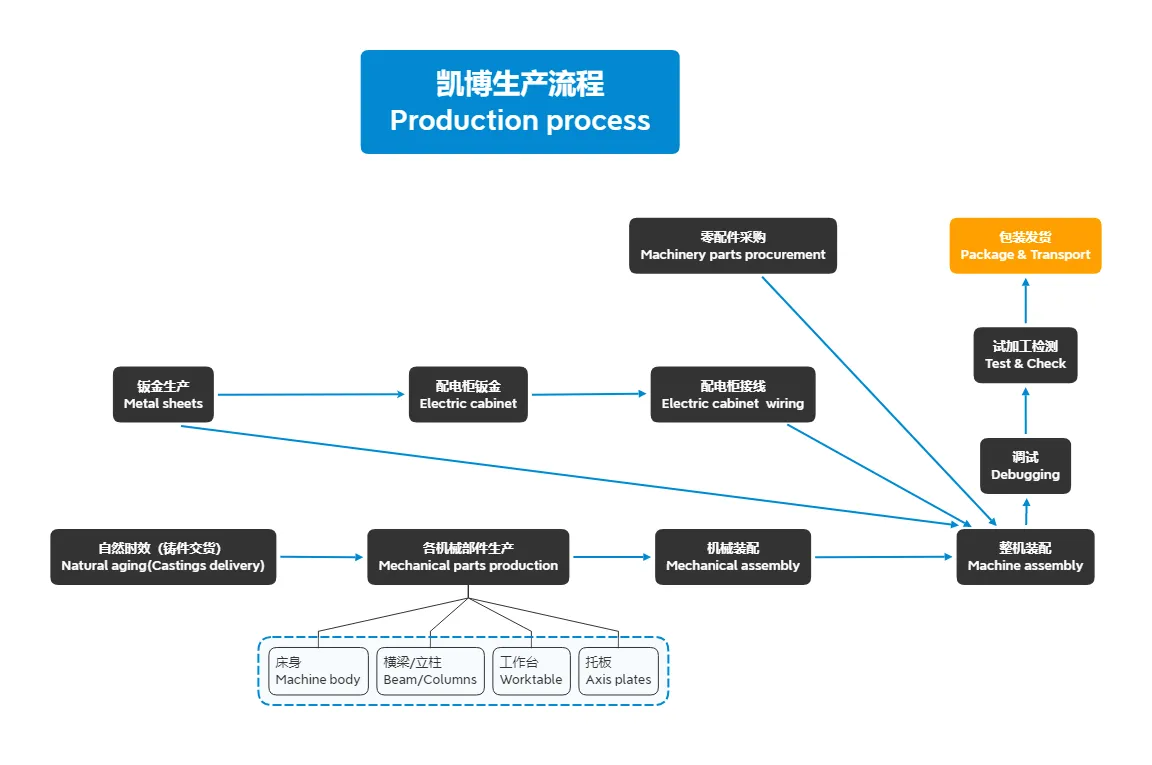
Before making a final purchase decision, trial cutting verification is an essential step. This process involves using the machine to cut a sample iron mold and then evaluating the result based on several key indicators, such as surface roughness, dimensional accuracy, and cutting force. Kaibo CNC provides a detailed trial - cutting verification process for customers. First, a sample iron mold is designed according to the customer's requirements. Then, the machine is set up and run for the trial cut. After that, the sample is measured and analyzed.
A flowchart of the trial - cutting verification process can be seen below:
Kaibo CNC has been a leader in the CNC milling machine industry for 25 years. Our products are known for their high reliability and precision. We are also actively involved in setting industry standards, ensuring that our machines meet the highest quality requirements. By choosing Kaibo CNC, you are choosing a partner that can help you optimize your production process and enhance your overall competitiveness in the global market.
Don't let the wrong machine selection hold back your business. Click here to learn more about Kaibo CNC's iron mold CNC milling machines and start your journey towards efficient export production today!