

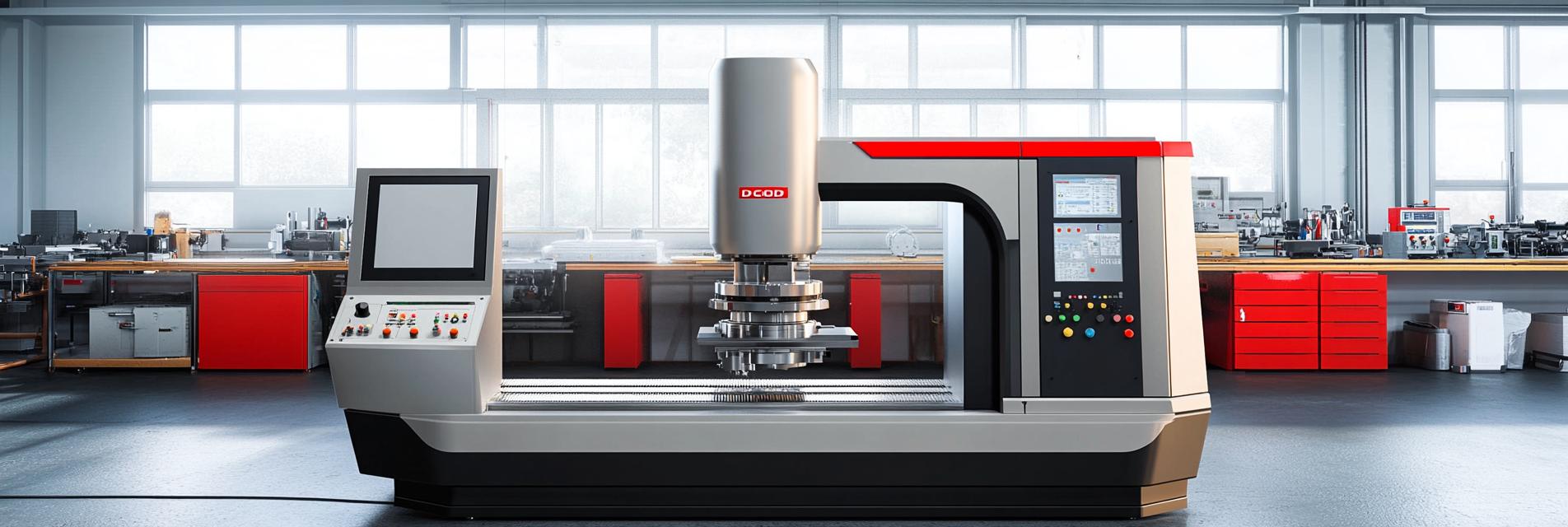
Selecting the appropriate CNC milling machine parameters is pivotal in the iron mold manufacturing sector, where precision and efficiency govern production success. This analysis dives deep into the impact of various linear guide rail types and spindle power ratings on the machining efficiency and stability during processes involving both grey cast iron and ductile iron materials.
Linear guide rails act as the backbone for CNC machine movement precision. Commonly categorized into roller type and linear recirculating ball rails, these components directly influence vibration damping, positioning accuracy, and repeatability. Roller guides typically provide higher load capacity and superior rigidity, critical when machining tough iron molds, while ball guides offer smoother movement but may compromise under heavy loads.
| Guide Rail Type | Load Capacity (kN) | Typical Positioning Accuracy (μm) | Ideal Application |
|---|---|---|---|
| Roller type linear guide | 30–50 | ±1–3 | Heavy-duty iron mold milling |
| Recirculating ball guide | 15–30 | ±3–5 | Light-medium load precision tasks |
Spindle power directly correlates with the machine’s capability to maintain cutting speed and torque, especially critical when milling abrasive materials like grey and ductile cast irons. Research indicates that for iron mold machining of standard dimensional accuracy, spindle power between 7 kW and 15 kW ensures stable cutting forces and reduced chatter.
Specifically, a high-torque spindle above 12 kW reduces cycle time by up to 15% in typical mold processing while sustaining surface finish quality within ±5μm tolerance ranges. Lower power spindles may increase risks of tool wear and surface defects due to inconsistent cutting forces.
Positioning accuracy and repeatability of the machine directly affect mold dimensional quality. Precision within ±2–3 μm is achievable with correctly matched rail and spindle specifications. Multi-axis interpolation capabilities further enhance complex mold geometries, ensuring consistent contouring without sacrificing cycle time.
Grey cast iron’s brittle and granular structure demands machinery with excellent vibration dampening to prevent surface cracking. Roller linear guides offer enhanced stability for such materials, minimizing tool deflection.
Conversely, ductile cast iron’s elastic properties require increased spindle torque to successfully machine without inducing chatter or surface irregularities. Pairing a 12–15 kW spindle with high rigidity rails optimizes throughput and quality.
| Material | Typical Hardness (HB) | Machining Challenges | Recommended Equipment Focus |
|---|---|---|---|
| Grey Cast Iron | 180–240 | Brittle, vibration sensitive | Heavy-duty roller guides + vibration damping features |
| Ductile Cast Iron (Nodular) | 180–270 | Toughness requires high torque | High-power spindle + rigid rail system |
To mitigate procurement and production risks, technical managers should comprehensively evaluate:
Implementing a trial cut with actual material samples is crucial. Monitor surface finish (Ra < 0.8 μm), dimensional accuracy, and tool wear rate to validate equipment choice and parameter optimization.
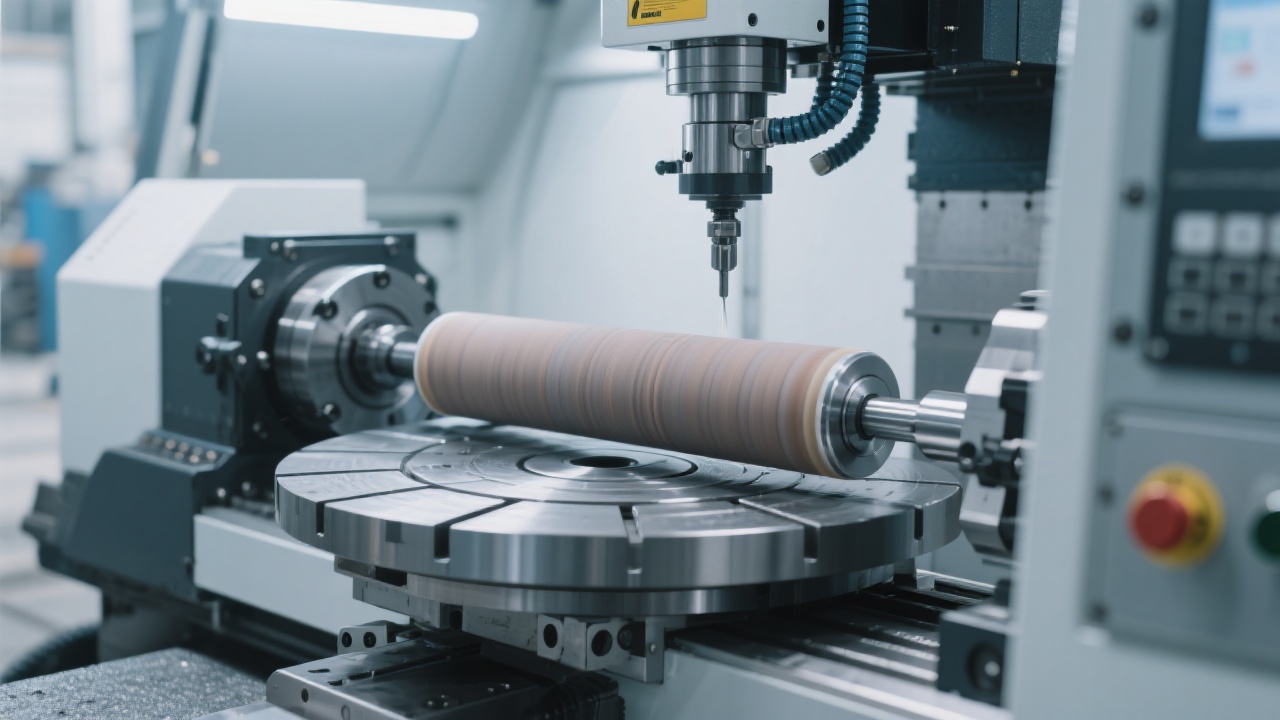
The Kaibo CNC DC1113 exemplifies industry-leading performance by integrating roller type linear guides with a 13.5 kW high-torque spindle, perfectly tailored for complex iron mold machining. Its precision linear drive systems maintain positioning accuracy within ±1.5μm, substantially reducing rework rates.
In real-world applications, DC1113 users report up to a 20% improvement in machining cycle times and a 30% reduction in tool consumption when processing grey and ductile iron molds. This combination translates directly into enhanced production throughput and superior mold quality.


 <#else>





