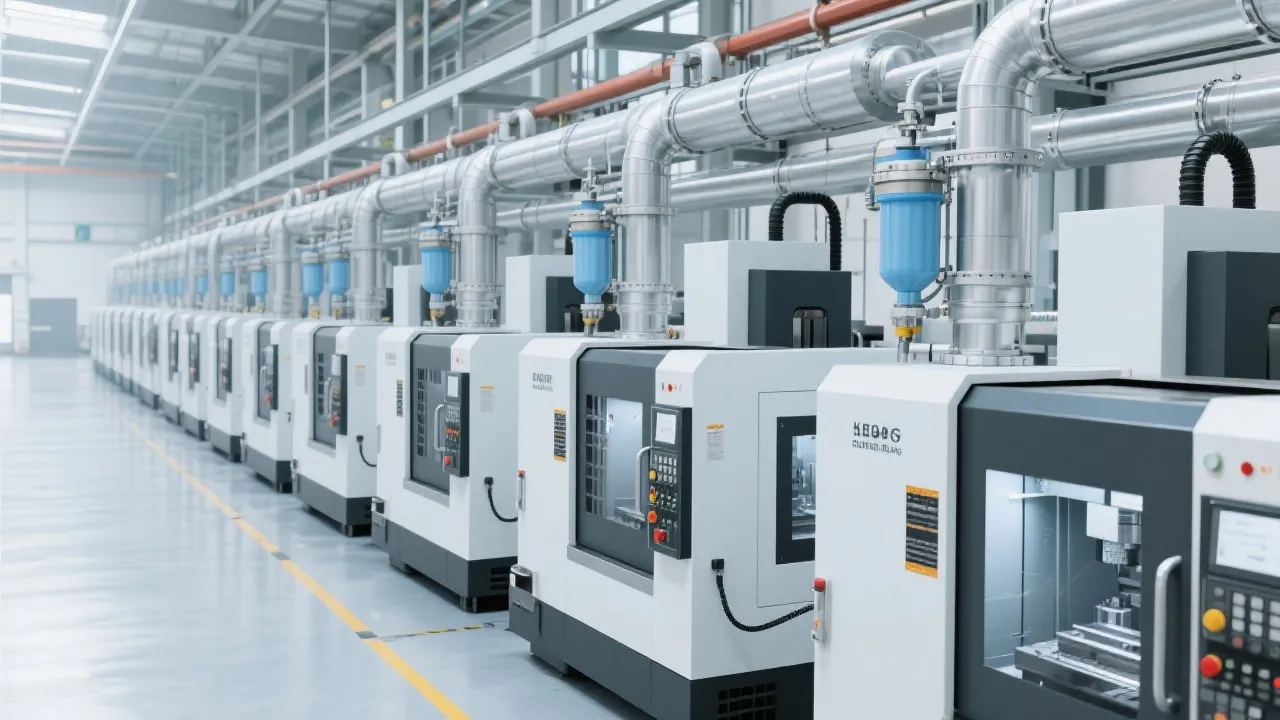
Optimizing Iron Mold Irregular Hole Machining Paths: Rotational Axis Programming and Toolpath Planning Strategies
22 12,2025
Application Tips
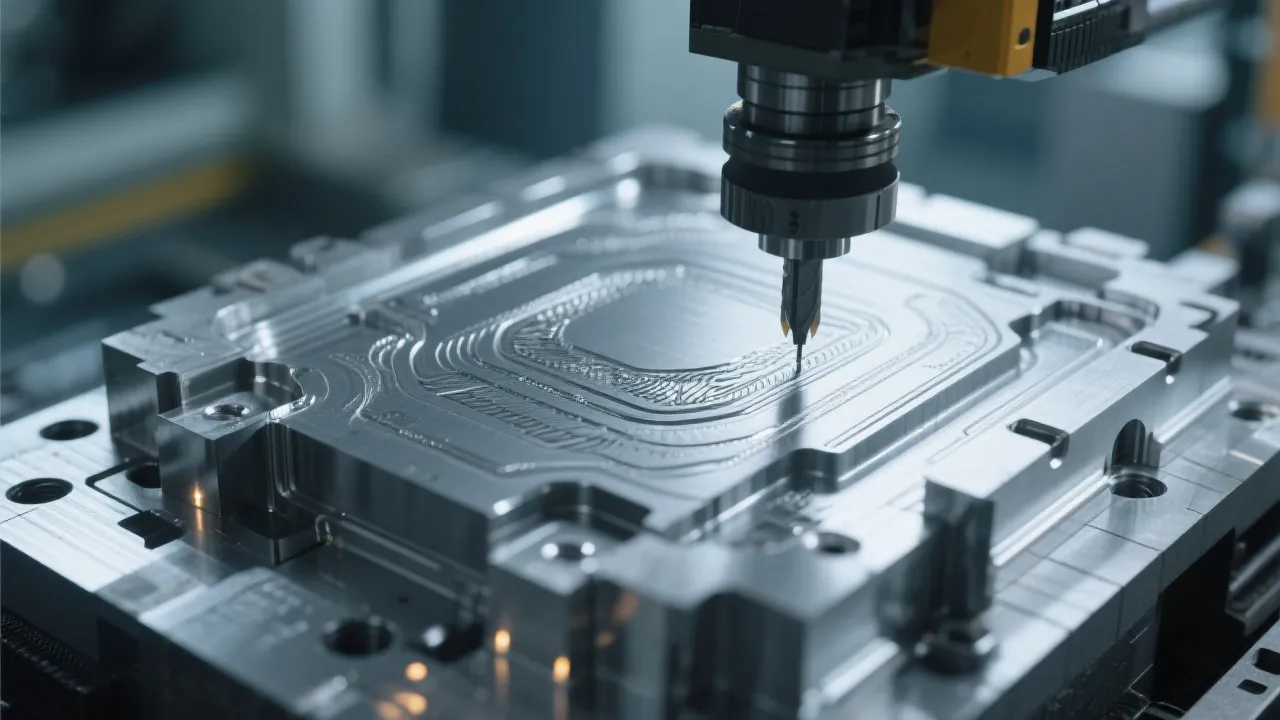
Iron mold irregular hole machining often faces low efficiency and challenges due to traditional three-axis machine limitations in multi-angle milling. This article thoroughly explores the application of 4/5-axis rotary tables in iron mold manufacturing, emphasizing techniques for inclined surface milling, deep cavity grooving, and complex hole path optimization. It provides a step-by-step guide to rotational axis programming logic and toolpath planning strategies that reduce setups, avoid collisions, and enhance accuracy and productivity. Intended for engineers and technicians, this practical reference enables effective solutions to common iron mold machining difficulties.
Optimizing Iron Mold Irregular Hole Machining Paths: Rotary Axis Programming & Toolpath Strategies
In the competitive landscape of iron mold manufacturing, machining irregular holes presents significant challenges to efficiency and precision. Conventional 3-axis CNC machines often fall short when tasked with multi-angle milling, deep slotting, and complex cavity machining, leading to suboptimal cycle times and increased error rates.
Overcoming Limitations: The Traditional 3-Axis Challenge in Iron Mold Processing
The fundamental restriction of 3-axis CNC setups lies in their inability to orient the tool dynamically, resulting in frequent workpiece re-clamping for different angles and orientations. This not only extends production times by approximately 25-40% but also introduces cumulative geometric errors, compromising tolerance requirements particularly in irregular hole profiles.
Leveraging 4/5-Axis Rotary Tables: Structural Advantages Fueling Process Innovation
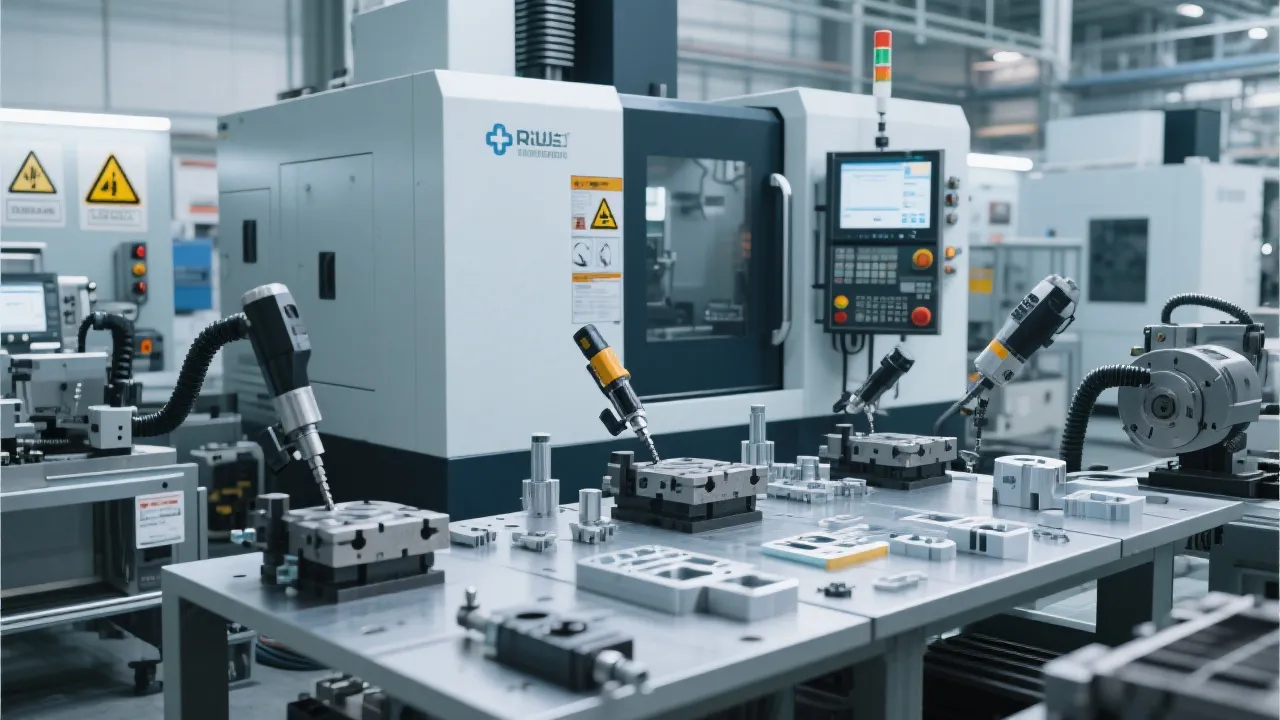
Integrating 4 or 5-axis rotary tables into CNC milling centers fundamentally transforms iron mold machining workflows:
- Multi-Axis Tool Orientation: Enables tool to access inclined surfaces, complex cavities, and angled holes without re-fixturing.
- Reduced Setup Times: Typically reduces setup changes from 3-4 to 1 or 2, lowering risk of misalignment and saving up to 35% on total machining time.
- Collision Avoidance: Enhanced programming flexibility to optimize toolpaths, minimizing interference with clamps or adjacent features.
Programming Logic for Irregular Hole Machining: From Concept to Execution
Effective toolpath planning calls for integrating rotary axis controls with precise tool orientation to maintain consistent chip loads and surface finishes. Key strategies include:
- Work Coordinate System Setup (WCS): Defining rotated coordinate frames aligned with the irregular hole axis ensures minimal tool deflection.
- Incremental Rotary Interpolation: Using incremental indexing on the C-axis for shallow peeling cuts on sloped surfaces mitigates tool wear and vibration.
- Adaptive Deep Slot Milling: Spiral-in and trochoidal paths combined with synchronized rotary motion unlock stable deep cavity cuts.
Expert Insight: “Programming multi-axis rotary tables requires a paradigm shift from axis-limited thinking to spatial orientation control. Dynamic coordinate transformations are key to unlocking high precision and productivity in iron mold machining.” — Senior CNC Specialist, Advanced Manufacturing Group
Avoiding Pitfalls: Practical Collision Avoidance and Stability Enhancements
Unanticipated collisions are a major source of downtime and quality issues in multi-axis machining. Implement these proven methods:
- Simulate toolpaths with full machine kinematics including rotary axis limits to expose interference pre-machining.
- Incorporate clearance macros and boundary constraints within CAM software to prevent tool intrusion into clamping fixtures.
- Program gradual approach motions and retract passes to ensure stable engagement and chip clearance in deep pockets.
Case Study: Efficiency Gains and Error Minimization in Complex Hole Machining
A leading iron mold manufacturer adopting 5-axis rotary programming tailored for deep irregular holes reported:
- 15-20% reduction in total cycle time compared to 3-axis machining
- 50% fewer setup operations minimizing fixture-induced errors
- Geometric deviation improvements from ±0.1 mm down to ±0.03 mm
These metrics translated directly into higher throughput and improved first-pass quality rates, driving downstream assembly ease and customer satisfaction.
Why Choose the Kaibo DC1113? Precision and Support You Can Trust
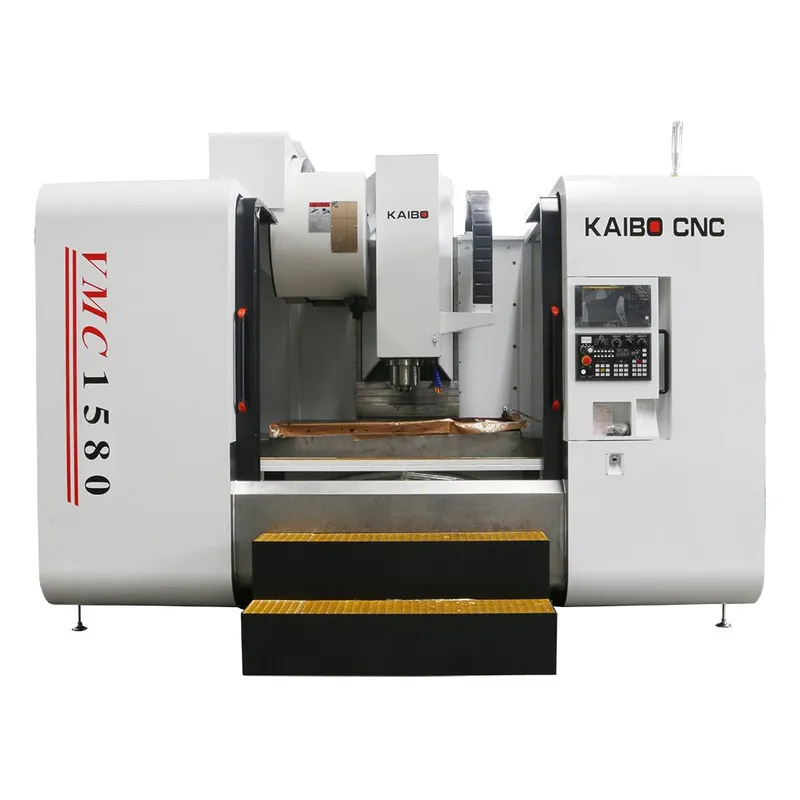
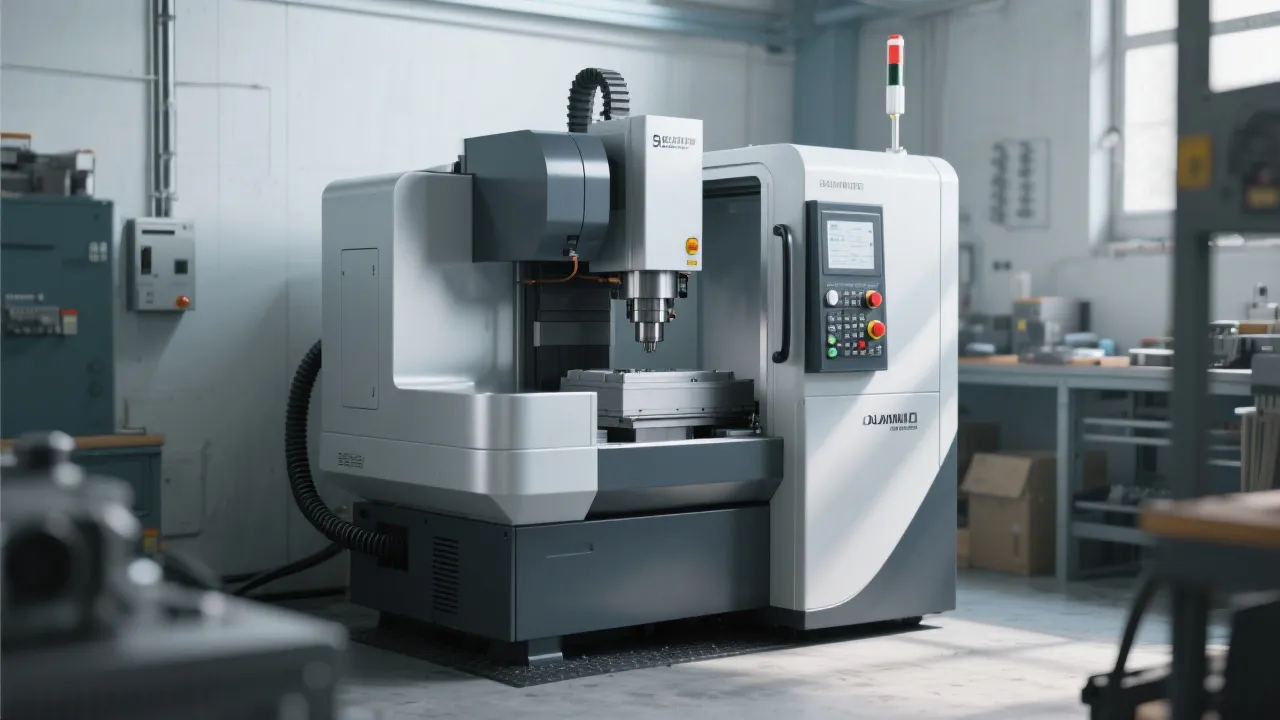
The Kaibo DC1113 series CNC milling machines embody these advanced 4/5-axis rotary capabilities with seamless integration and user-friendly programming interfaces. Coupled with robust after-sales services, Kaibo empowers engineers to tackle irregular iron mold holes confidently:
- High-precision rotary axes with backlash compensation ensuring consistent accuracy
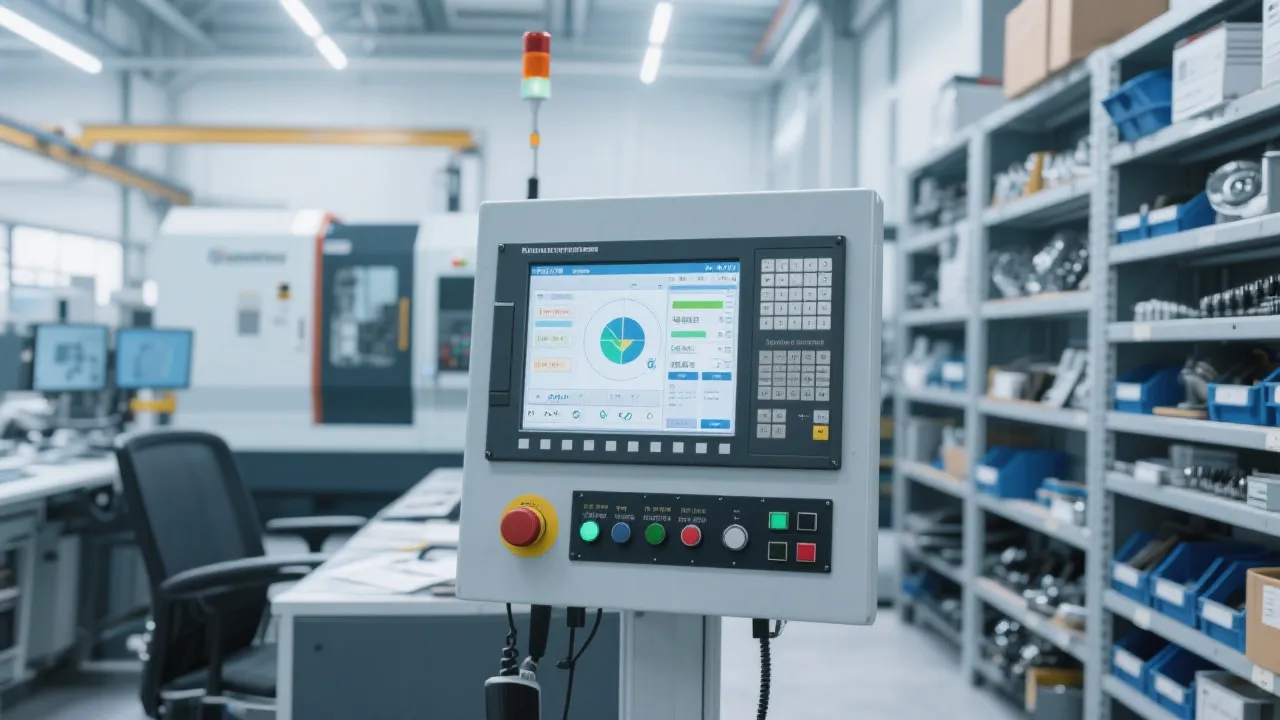
- Intuitive CAM compatibility for accelerated path programming and simulation
- Comprehensive technical support and fast spare parts availability worldwide




 <#else>