
In the field of iron mold machining, issues such as decreased precision and increased surface roughness often occur due to machine tool vibration. This article delves deep into how the moving bridge-type double-column structure can enhance the overall rigidity of the machine through the design of a fixed crossbeam and workbench, effectively reducing vibration transmission and achieving high-precision heavy cutting machining.
Iron mold machining frequently encounters problems like vibration and precision deviation. Vibration can cause the cutting tool to deviate from the intended path, leading to inaccurate dimensions of the iron mold. For example, in some cases, the surface roughness of the machined iron mold can increase by 0.5μm due to vibration, which significantly affects the quality of the final product.
When compared with traditional vertical or gantry structures, they have obvious limitations. Traditional vertical machines often have insufficient rigidity, and the vibration generated during high-speed machining is difficult to control. Gantry structures, although relatively more rigid, may still have problems with uneven force distribution, resulting in reduced machining accuracy.
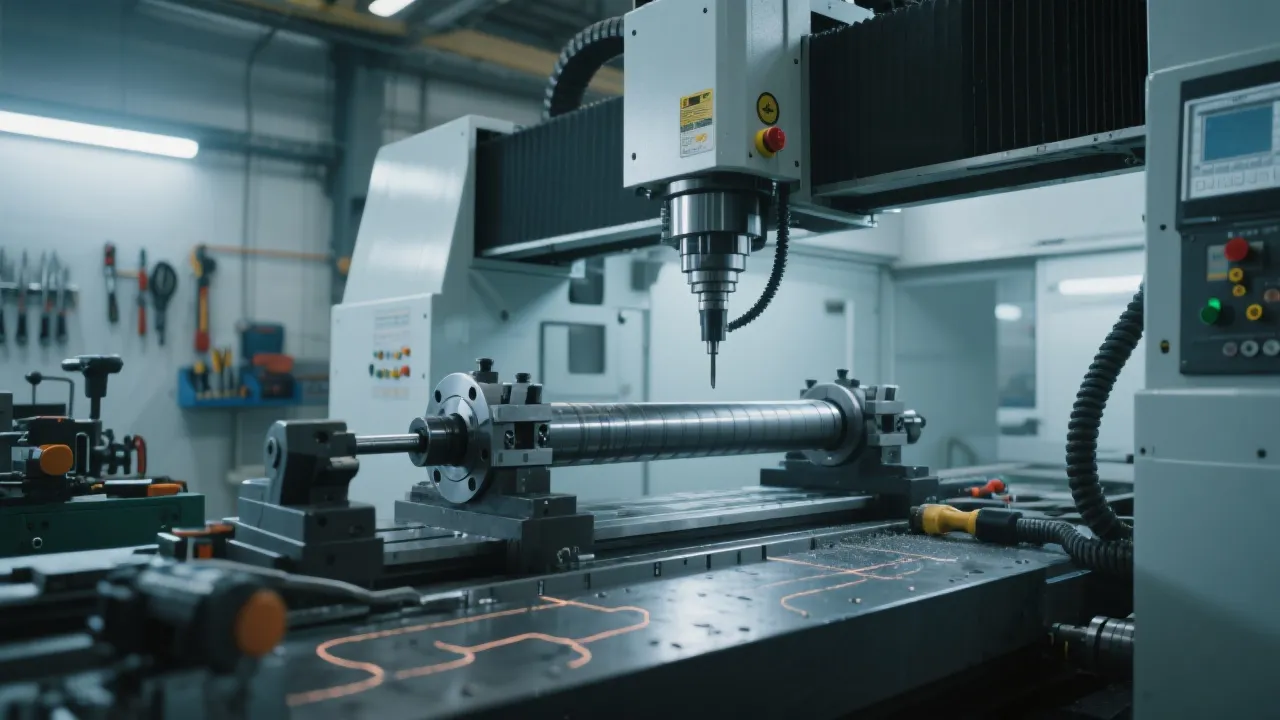
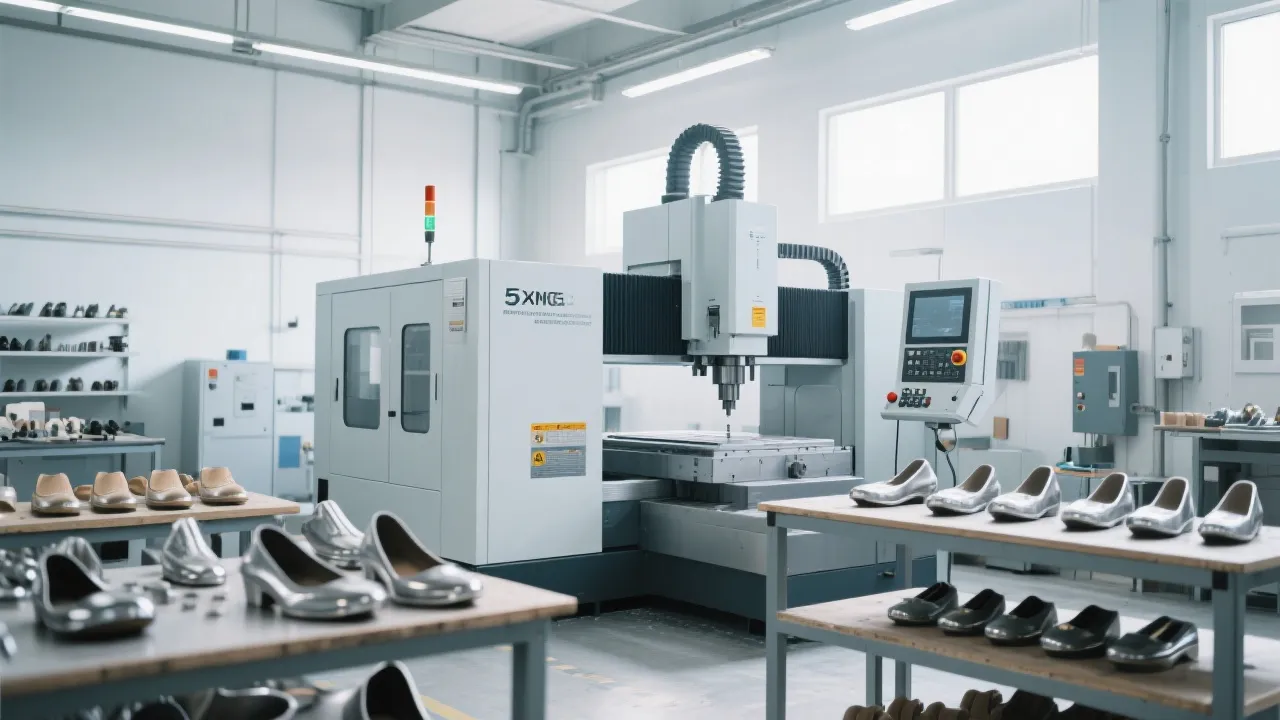
The bridge-type double-column structure features a fixed crossbeam and a workbench, which greatly enhances the overall rigidity of the machine. The fixed crossbeam provides a stable support for the cutting tool, and the workbench can effectively absorb and disperse the vibration generated during machining. This design reduces the vibration transmission to a large extent, enabling high-precision heavy cutting machining. In practical applications, the machining accuracy of this structure can be improved by about 30% compared with traditional structures.
In typical iron mold application scenarios, such as the milling of inserts and cast iron parts, the bridge-type double-column structure shows significant efficiency and precision improvement. For example, when machining complex contour iron molds, the machining time can be reduced by about 20% while ensuring high precision. This not only improves production efficiency but also reduces production costs.
To ensure the long-term stable operation of the machine, daily maintenance is crucial. Engineers suggest that regular guide rail lubrication is necessary to reduce friction and wear. At the same time, thermal balance management is also very important. By controlling the temperature of the machine, the deformation caused by temperature changes can be reduced, thereby ensuring machining accuracy. In addition, regular calibration of the machine is required to ensure that the machine is always in an accurate working state.
Users should pay attention to the impact of long-term operational stability on cost and yield. A stable machine can reduce the scrap rate of products, thereby reducing production costs. According to statistics, a well-maintained machine can increase the product yield by about 15%. Therefore, choosing a reliable machine tool like the DC1113 and carrying out regular maintenance can bring long-term benefits to your production.
Choose DC1113, and choose a trustworthy high-quality machine tool. Click here to learn more about how DC1113 can enhance your iron mold machining stability.





 <#else>





