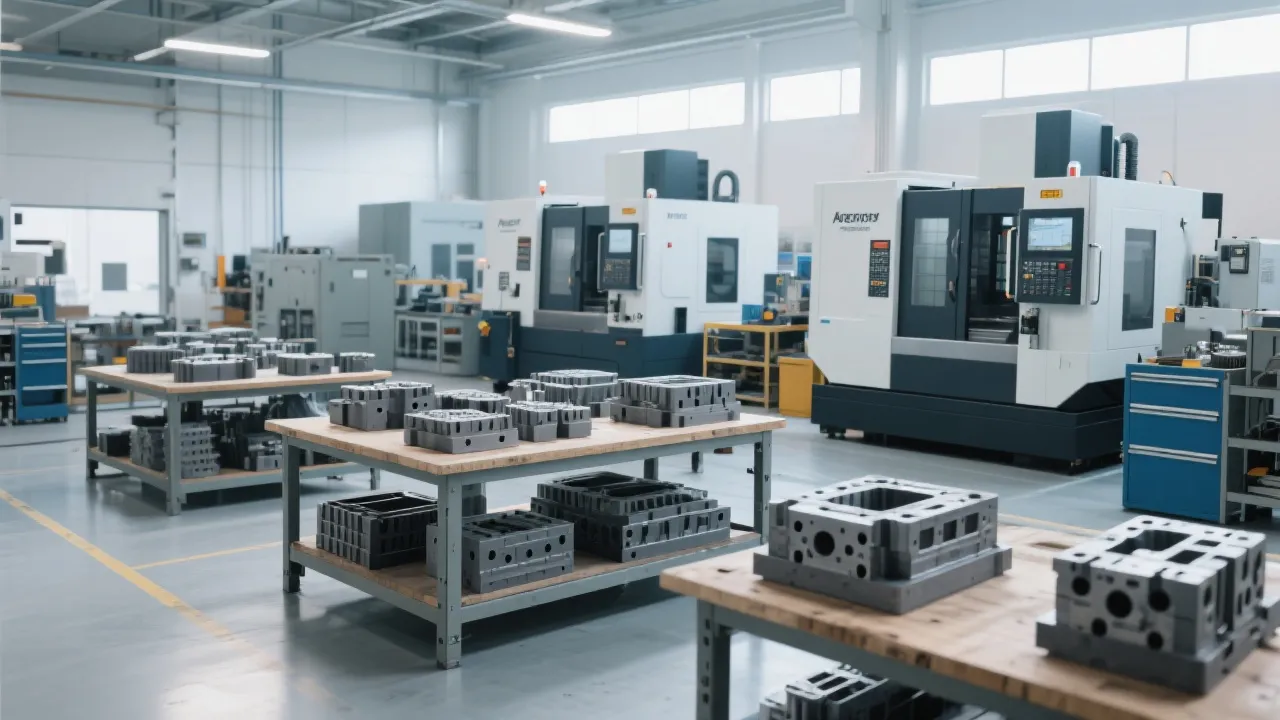
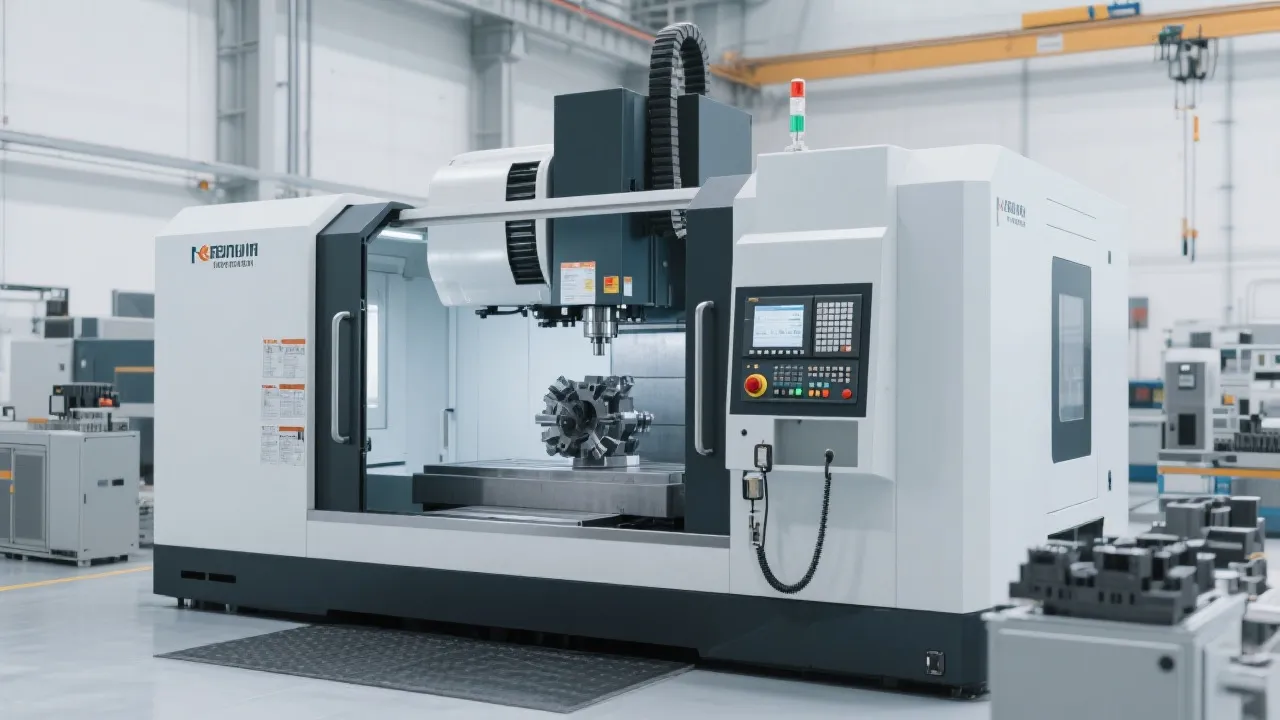
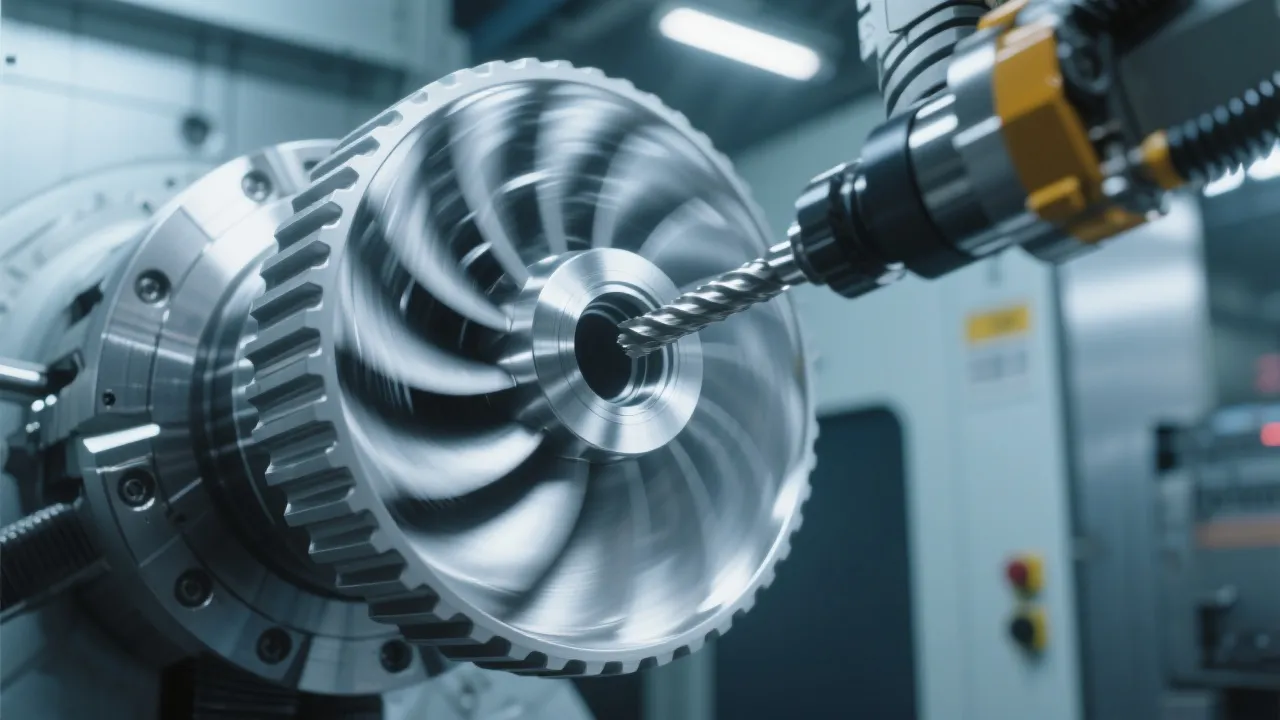
In the competitive world of iron mold manufacturing, every second counts—and so does precision. With increasing demand for complex geometries and tighter tolerances, traditional 3-axis machining is no longer sufficient. That’s where 4- and 5-axis rotating worktables come into play—transforming how we approach challenging tasks like angled milling, deep cavity slotting, and irregular hole machining.
A leading mold maker in Ningbo recently switched from a standard 3-axis CNC to a 4-axis system with a high-precision rotary table. Before optimization, they were spending an average of 72 minutes per part on multiple setups due to poor tool path planning. After implementing optimized rotational programming and intelligent toolpath strategies—including adaptive clearing and collision avoidance algorithms—they reduced setup time to just 43 minutes—a 40% improvement. This wasn’t just about speed—it was about reducing cumulative error, which dropped from ±0.15mm to ±0.05mm across multi-angle operations.
These methods aren't theoretical—they’re proven in real-world applications across automotive, die-casting, and aerospace sectors where iron molds are used daily. The key? Understanding both the machine's capabilities and the material behavior under dynamic rotation.
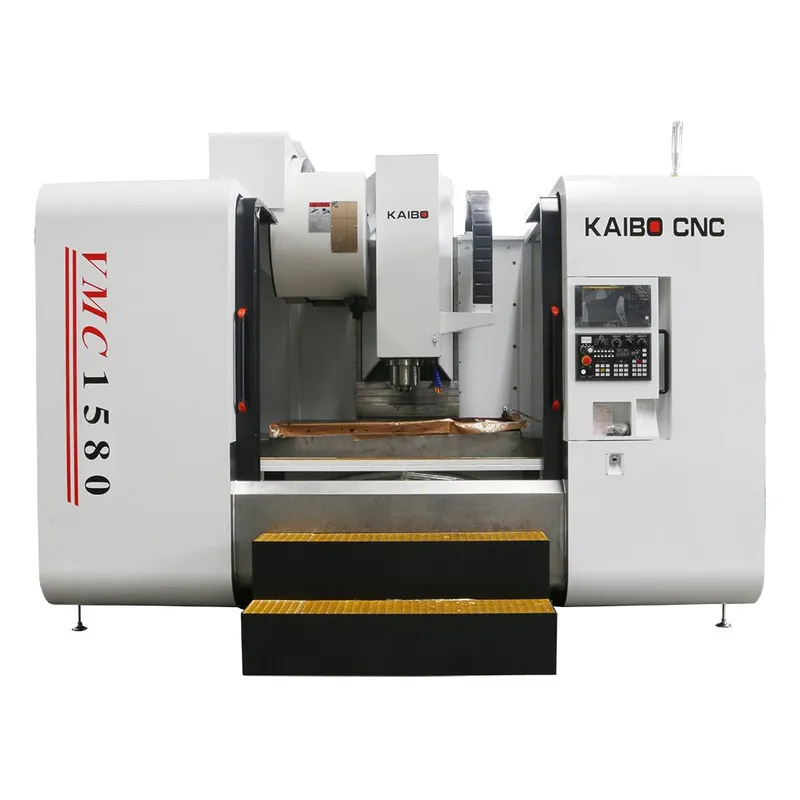
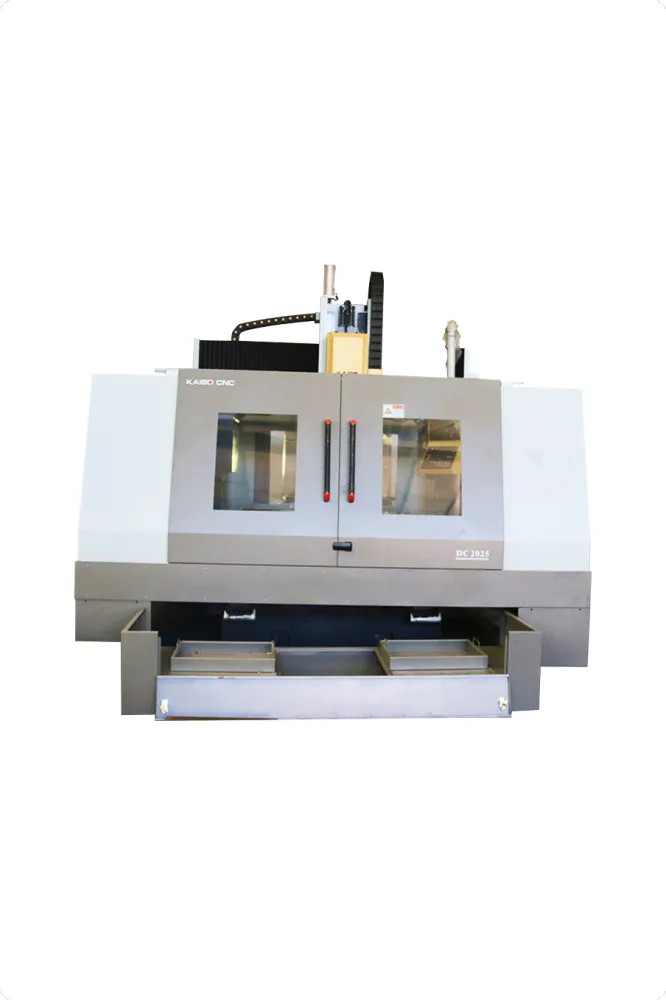
Even the best programming can fall short if the hardware doesn’t match the task. That’s why engineers at Ningbo Kaibo CNC Machinery Co., Ltd. recommend the DC1113 High-Precision CNC Milling Machine for demanding iron mold projects. Equipped with a robust 5-axis rotating table and advanced spindle control, this machine delivers consistent performance even during prolonged high-load operations. In field tests, it maintained repeatability within ±0.03mm over 8-hour shifts—far exceeding industry standards.
Pro Tip: Always validate your toolpaths in simulation before running live. Many errors stem from unanticipated interference between rotating axes and fixed fixtures—not from poor programming logic.
If you're serious about improving productivity and quality in iron mold production, it’s time to rethink your machining strategy. Whether you're optimizing existing processes or upgrading equipment, the insights shared here provide actionable steps based on actual shop floor results—not just theory.
We’d love to hear your experience! Share your biggest challenge with multi-axis machining in the comments below—or reach out directly for personalized guidance from our engineering team.