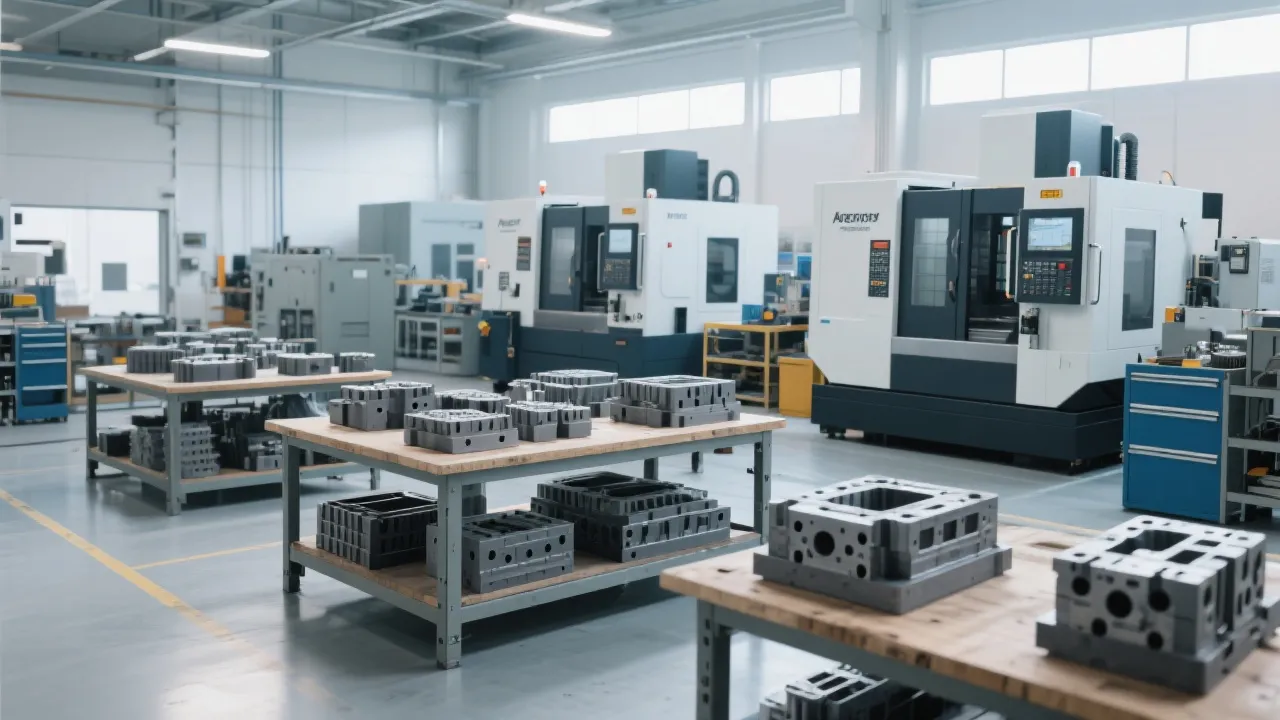
In the iron mold manufacturing industry, selecting the right CNC milling machine is crucial for ensuring high - quality and efficient production. This article, based on years of industry experience, will break down the core indicators that affect processing quality and efficiency, providing a practical guide for equipment selection and performance verification.
Positioning accuracy refers to the ability of the machine tool to move to the specified position accurately. According to industry standards, for high - precision iron mold milling, the positioning accuracy should be within ±0.01mm. Repeatability, on the other hand, measures the machine's ability to return to the same position repeatedly. A high - quality CNC milling machine should have a repeatability of ±0.005mm. To better understand these concepts, we can make an analogy. Positioning accuracy is like a shooter aiming at a target, and repeatability is like the shooter hitting the same spot multiple times. For example, in a well - known iron mold manufacturing plant, after upgrading to a machine with high positioning accuracy and repeatability, the defective rate of iron molds decreased by 30%.
The spindle power and guide rail type of a CNC milling machine need to match the material of the iron mold. For gray cast iron, which has relatively low hardness, a spindle power of 7.5 - 11kW is usually sufficient. However, for ductile cast iron, which has higher hardness and toughness, a spindle power of 11 - 15kW is recommended. As for the guide rail type, linear guide rails are suitable for high - speed and light - load machining, while box - type guide rails are more suitable for heavy - load and high - precision machining. For instance, a company that mainly processes gray cast iron switched to linear guide rails, and the machining efficiency increased by 20%.
Structural stiffness is another important factor affecting the stability of the equipment. A machine with high structural stiffness can better resist deformation during the machining process, ensuring the accuracy and surface quality of the iron mold. Industry data shows that a machine with high structural stiffness can reduce the vibration amplitude by 50%, which is crucial for high - precision iron mold milling.
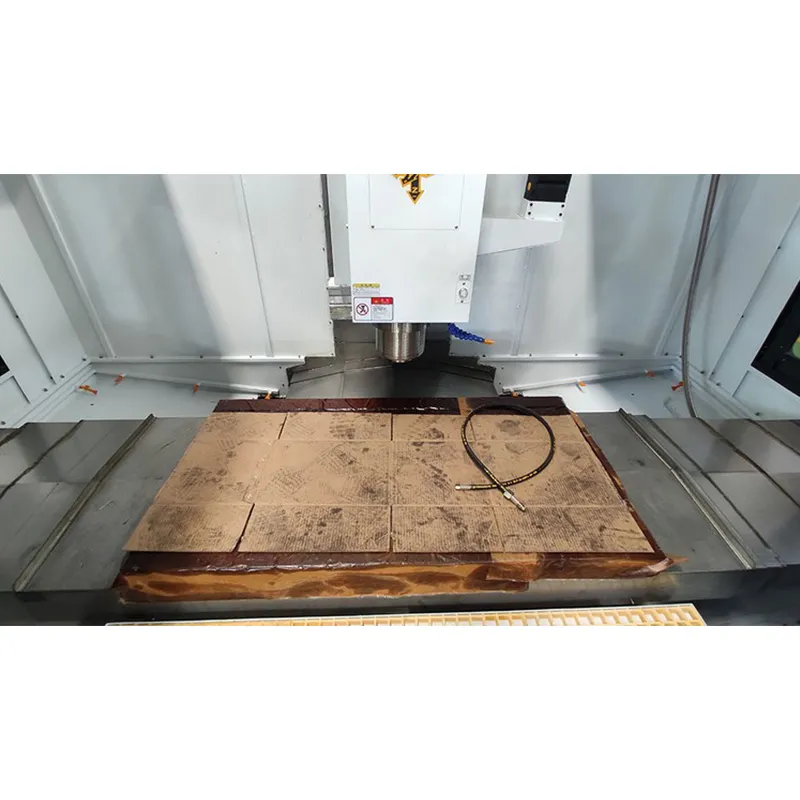
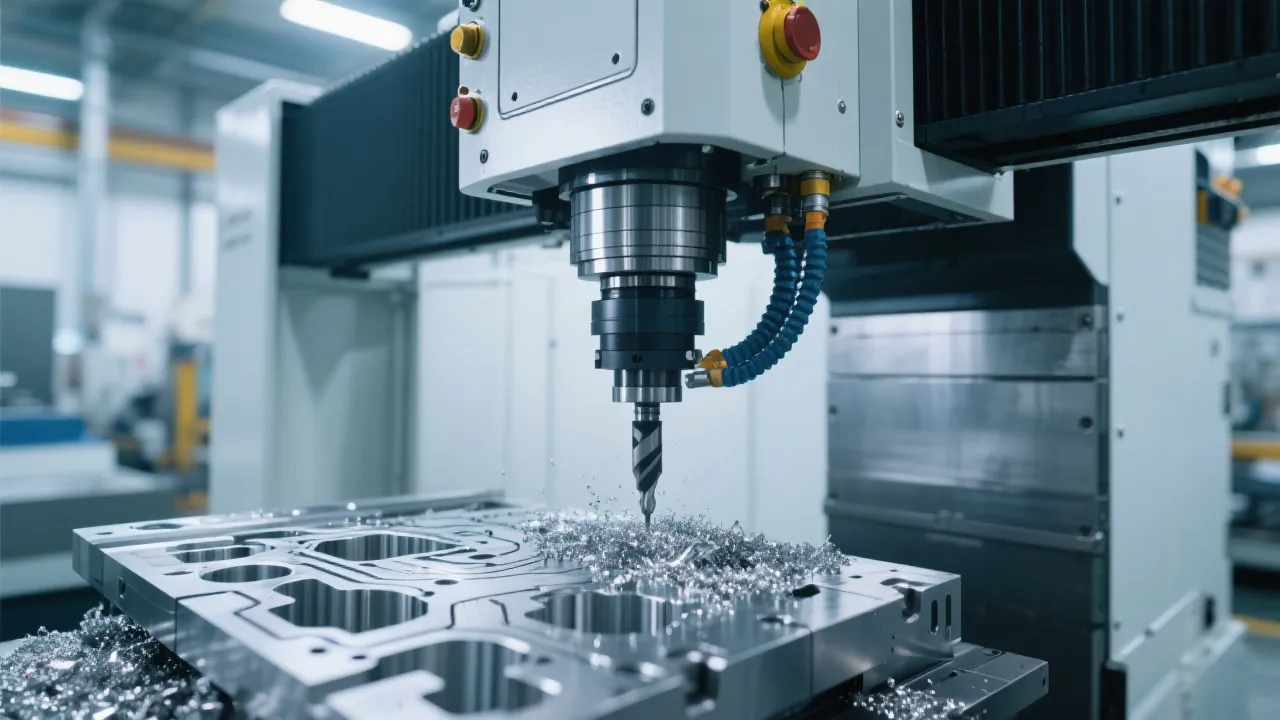
Test - cutting is an effective way to verify the performance of a CNC milling machine. There are five core indicators to focus on during test - cutting: positioning accuracy, repeatability, spindle power output, guide rail smoothness, and structural stiffness. When conducting test - cutting, it is necessary to pay attention to some common pitfalls. For example, do not rely solely on the machine's specifications but also conduct on - site test - cutting. Here is a test - cutting evaluation checklist:
When it comes to high - quality equipment, Kaibo CNC's DC1113 is a wise choice. With its excellent stability and high precision, it is crafted with ingenuity to ensure efficient and reliable production. Many users have reported that after using the Kaibo CNC DC1113, the quality of their iron molds has been significantly improved, and the production efficiency has increased by 25%.
We encourage you to share your experiences in equipment selection and machining challenges in the comment section. If you are looking for a high - quality CNC milling machine for iron mold manufacturing, click here to learn more about Kaibo CNC DC1113 and take your iron mold production to the next level.