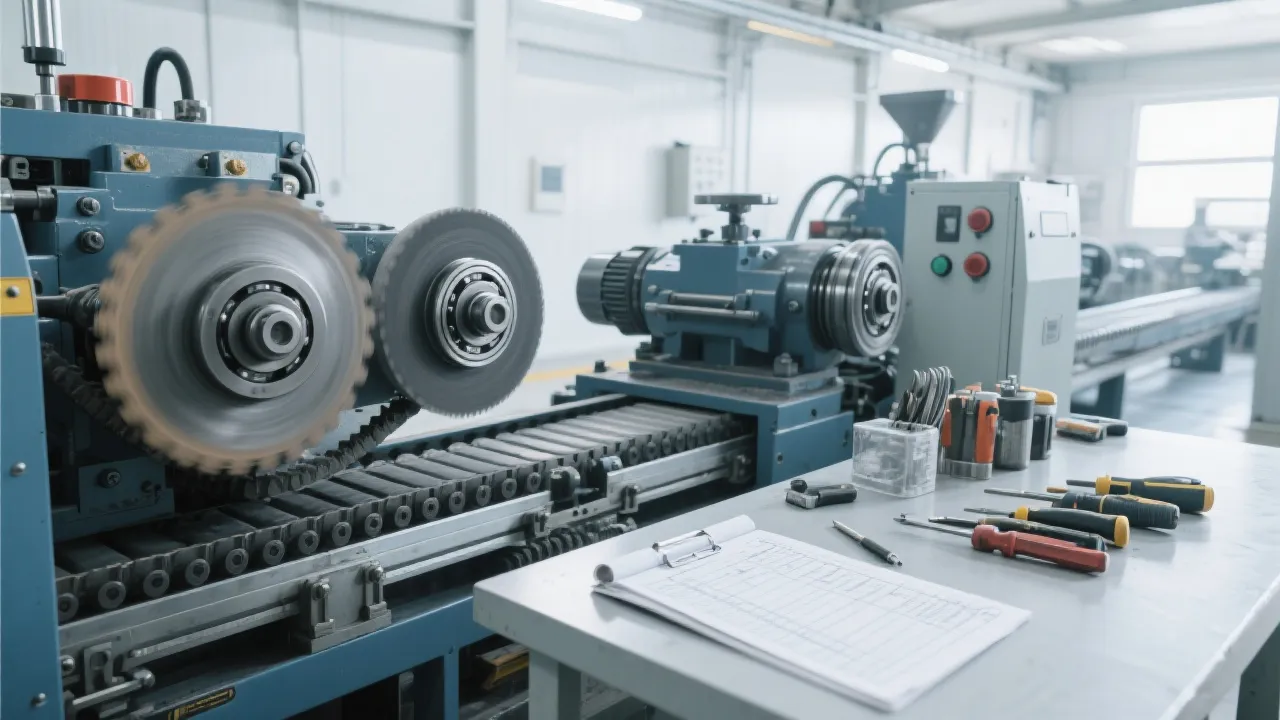
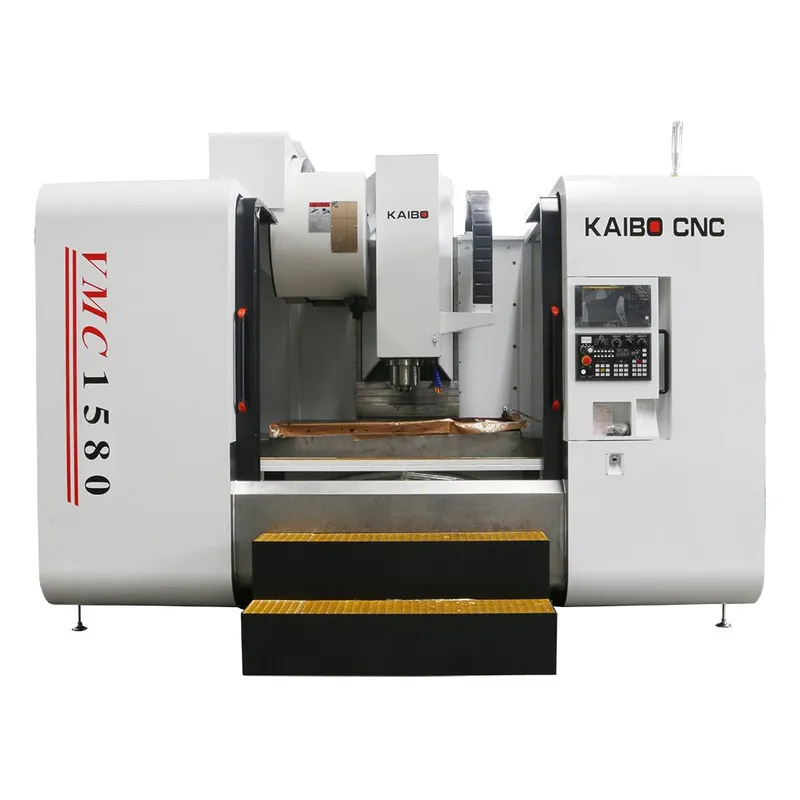
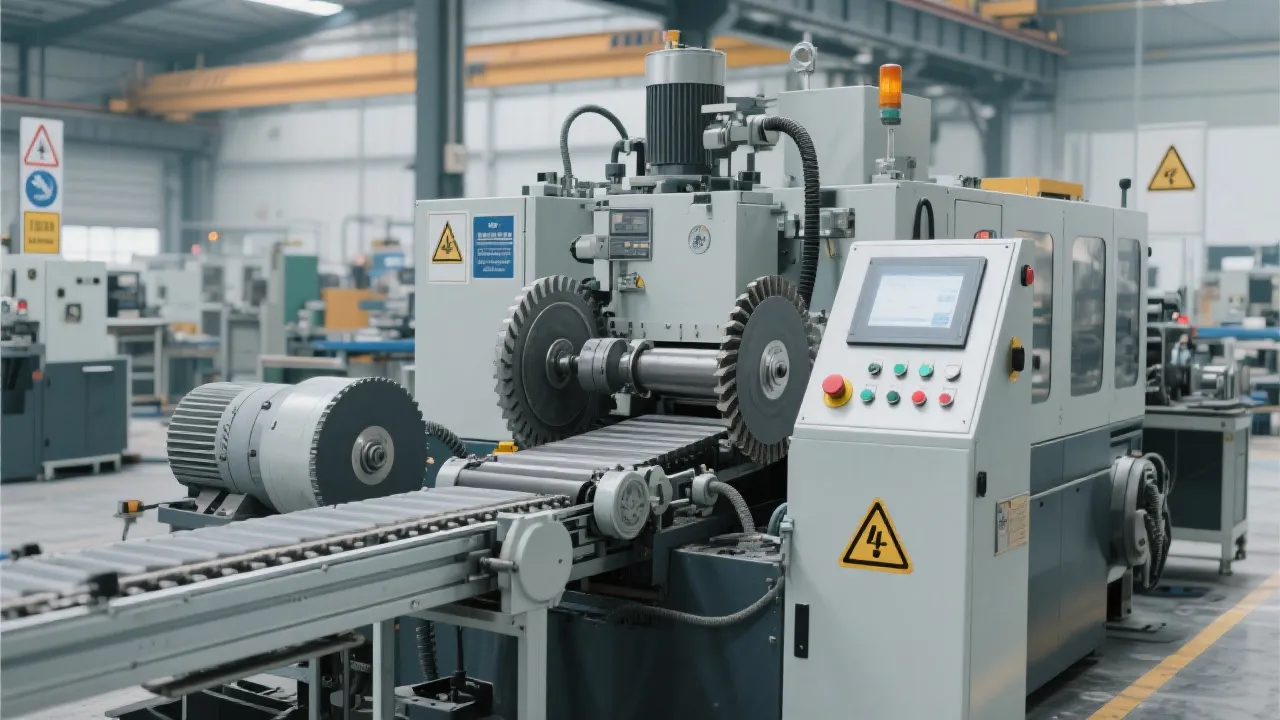
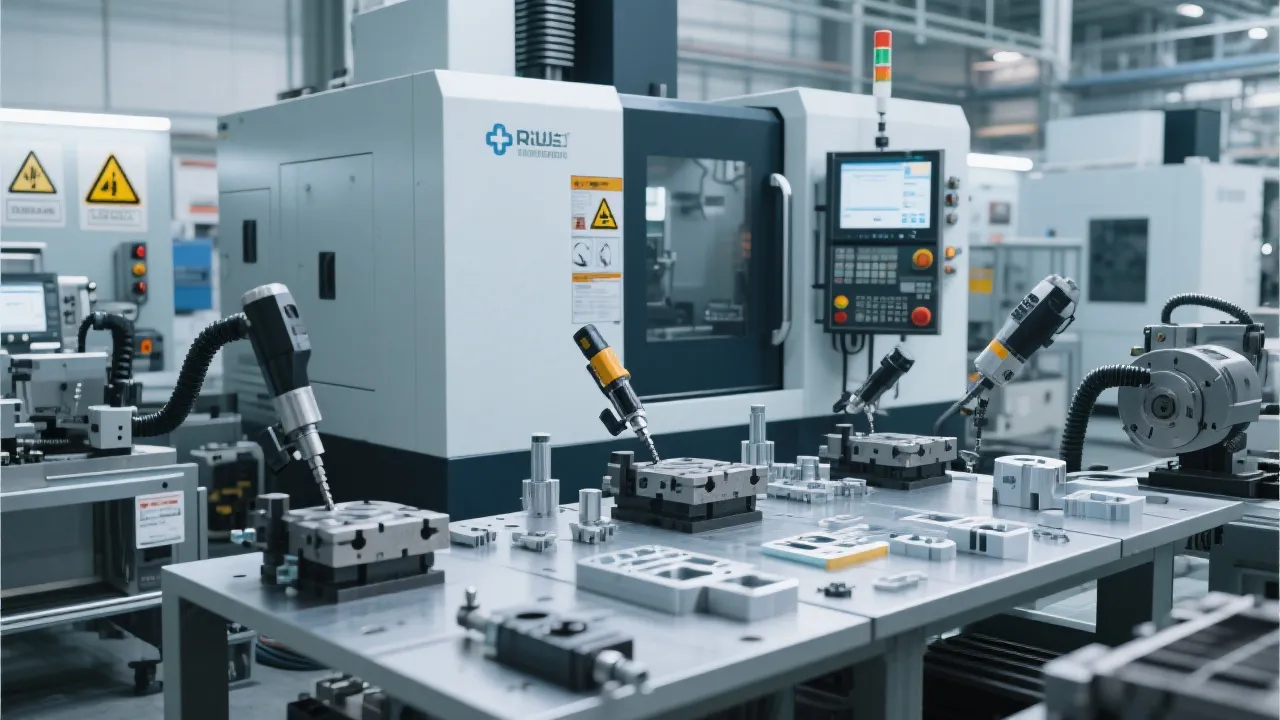
In the competitive world of iron mold manufacturing, precision and efficiency are paramount. Advances in CNC milling technology, particularly through the integration of 4/5-axis rotary tables, have revolutionized multi-angle machining processes. Ningbo Kaibo CNC Machinery Co., Ltd. brings forth the DC1113 medium-sized double-column CNC milling machine, equipped with versatile 4/5-axis rotary tables designed to tackle the complexities of iron mold manufacturing with enhanced accuracy and speed.
Traditional machining methods restrict tool orientation to fixed planes, often requiring multiple setups and manual repositioning, which can introduce errors and reduce throughput. Incorporating 4/5-axis rotary tables allows simultaneous adjustment of the workpiece's angular position along multiple axes, enabling:
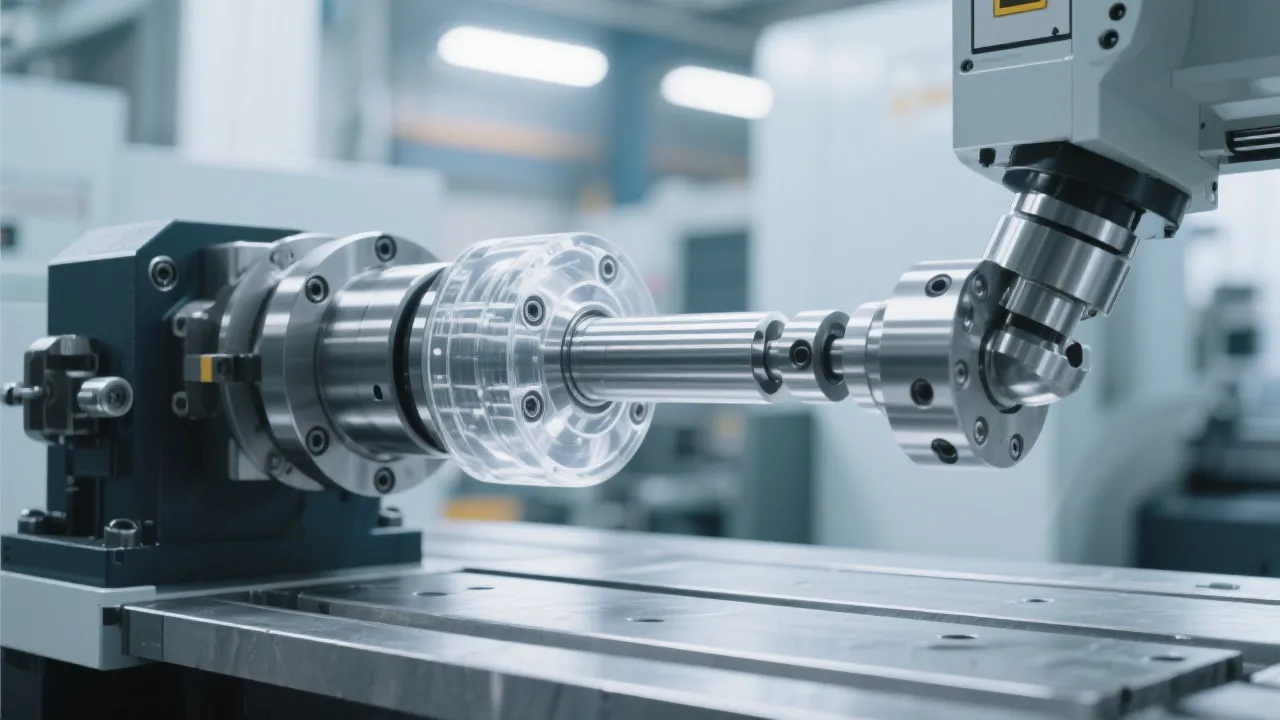
DC1113’s 4/5-axis rotary table provides precise rotation up to ±360° with positioning accuracy within ±0.005mm, delivering exceptional control critical for iron mold components.
Iron molds often demand challenging machining processes including the milling of inclined surfaces, deep slotting, and complex-shaped hole drilling. Effective programming strategies for these workflows include:
Utilizing the rotary table’s B and C axes, the tilted surface is aligned perpendicularly to the tool axis, enabling uniform cutter engagement. Proper path planning reduces tool deflection and ensures consistent surface quality. Strategies such as spiral or zigzag toolpaths help optimize material removal and reduce machining vibrations.
Deep cavity machining benefits significantly from multi-axis coordination, allowing angled tool approaches that minimize collision risk and chip accumulation. Adjusting rotary axes facilitates ideal flute orientation, enhancing chip evacuation and prolonging tool life.
Advanced iron molds require precision holes with irregular profiles or at challenging angles. Leveraging 5-axis rotary movements allows for exact drilling or milling offsets, enabling features like cross holes, inclined bores, and countersinks without refixturing.
Programming 4/5-axis rotary tables involves integrating rotational axes movements with linear feed to generate optimal toolpaths. Key considerations include:
DC1113 supports advanced CAM integration for generating verified 4/5-axis toolpaths with collision detection, saving programming time by up to 40% and improving process reliability.
To better grasp complex multi-axis machining concepts, DC1113’s programming guide employs comprehensive content formats including step-by-step graphics, 3D animated simulations, and demonstration videos. This multi-sensory approach facilitates quicker adoption of best practices and reduces on-site training time.
With the rapid evolution of CNC techniques, staying informed on emerging trends and innovative applications is essential. Kaibo CNC regularly updates technical materials to reflect breakthroughs such as AI-assisted toolpath optimization and additive-subtractive hybrid machining capabilities integrated within the DC1113 platform.
We invite engineers, programmers, and production managers to share their experiences and questions regarding multi-axis machining with the DC1113. Active user discussions fuel continuous improvements, ensuring the solutions we provide meet real-world demands effectively.


 <#else>