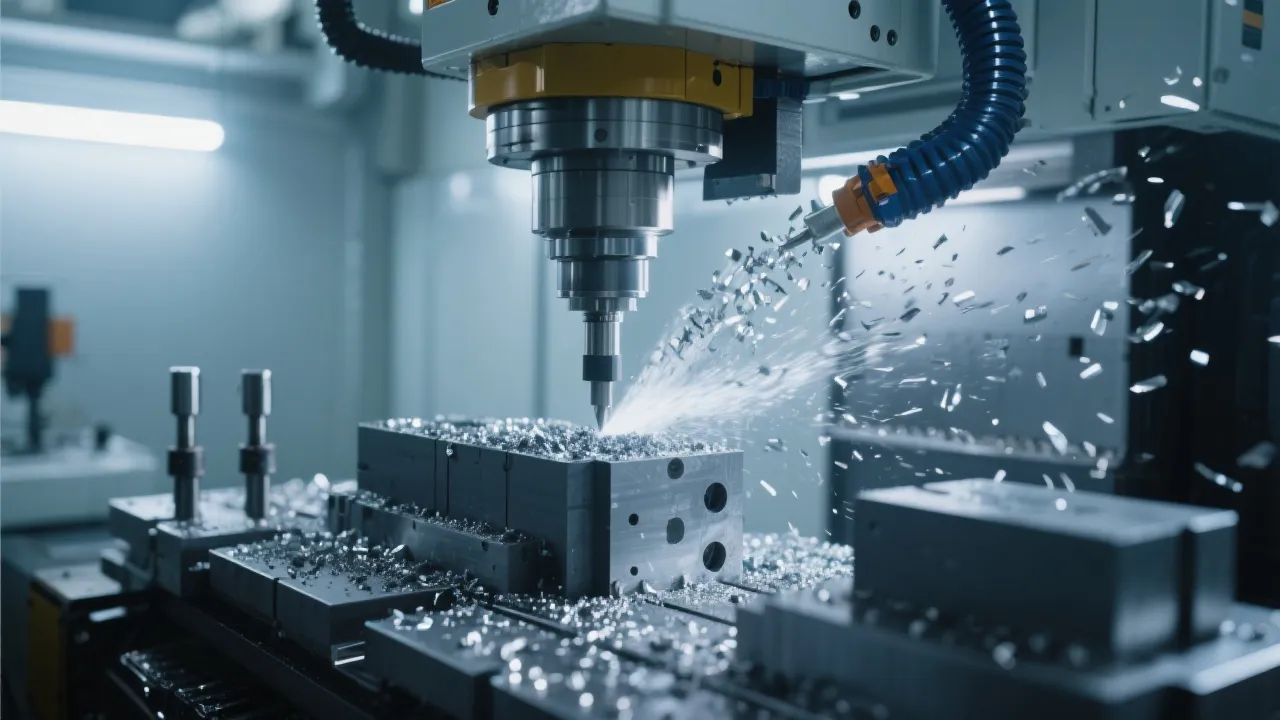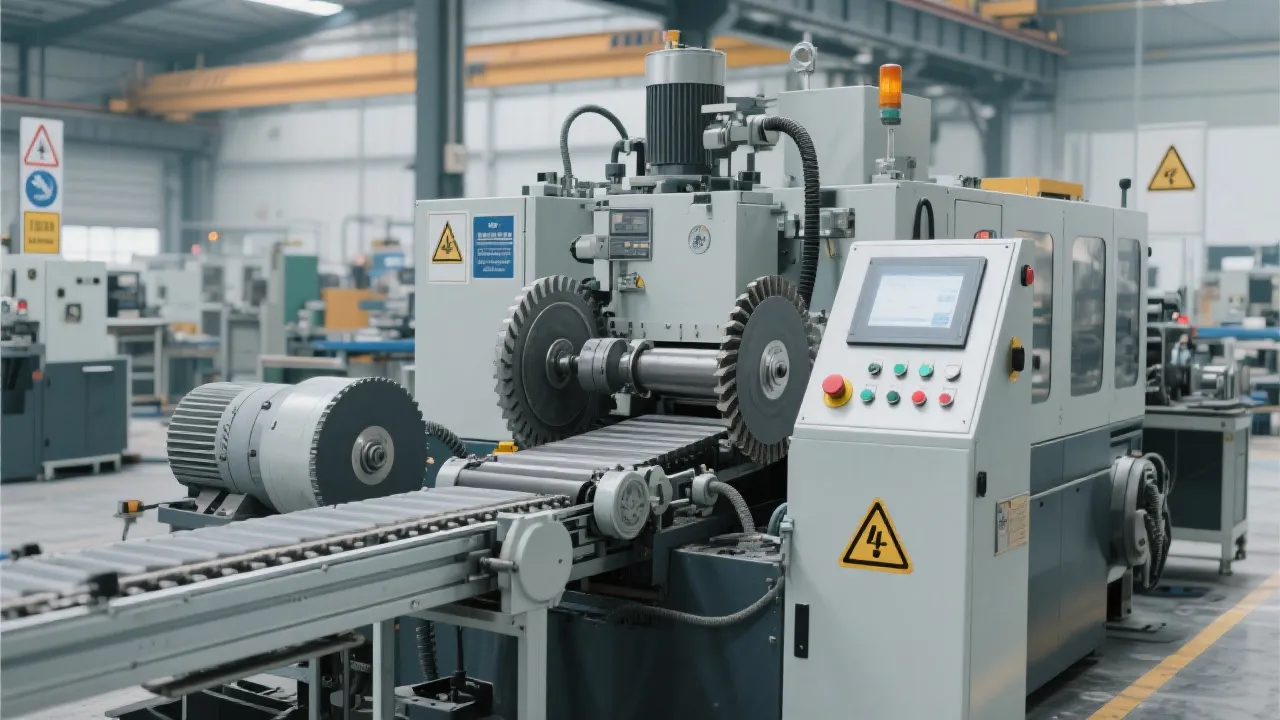
In the iron mold manufacturing industry, multi-angle milling is no longer just a technical challenge—it’s a bottleneck for productivity and precision. According to industry surveys, over 68% of CNC shops report that traditional 3-axis machines fail to meet the demands of complex geometries like inclined surfaces, deep cavities, and irregular holes—leading to increased setup time, tool wear, and rework.
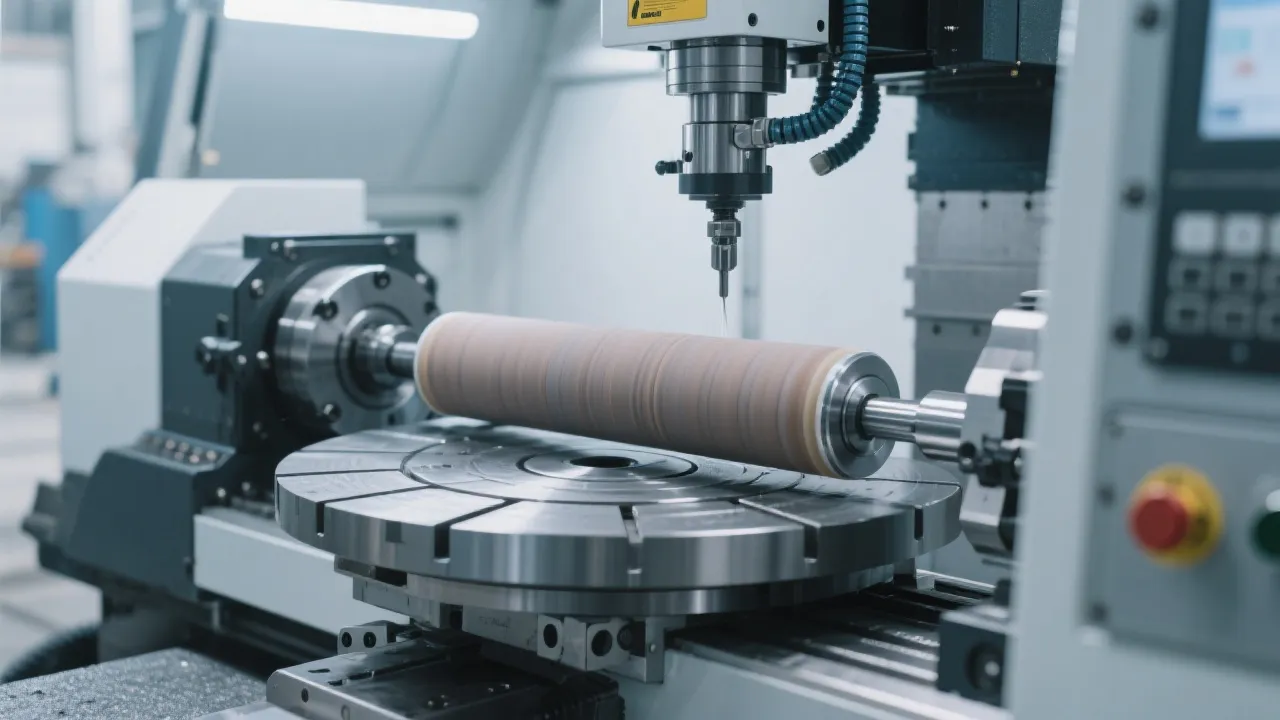
By integrating a 4-axis or 5-axis rotary table into your machining workflow, you unlock new capabilities:
Take the example of a U.S.-based foundry producing aerospace-grade iron molds. They struggled with deep cavity milling where standard tools couldn’t reach bottom corners without interference. After implementing a 5-axis rotary system with adaptive toolpath planning:
These results are not isolated—they reflect what experienced engineers at leading manufacturers across Asia and Europe now expect from modern CNC solutions.
One common mistake? Ignoring dynamic collision detection during programming. Use G-code simulation software like Mastercam or Siemens NX to visualize every movement before running the job. For instance, one Chinese mold shop saved $8,000/month in scrap material simply by simulating tool paths first—no more broken end mills or damaged workpieces.
Whether you're working with cast iron, ductile iron, or alloy steel, the key lies in understanding how rotation axes interact with your part geometry—not just the machine itself. That’s why we recommend investing in both training and equipment that supports intelligent programming workflows.
If you’re serious about improving throughput, reducing waste, and delivering consistent quality, it’s time to consider a solution backed by proven performance—and reliable support.
Engineered for precision iron mold processing, the Ningbo Kebor DC1113 offers a robust 4/5-axis configuration, advanced control systems, and responsive after-sales service tailored to global clients.
See How It Works →