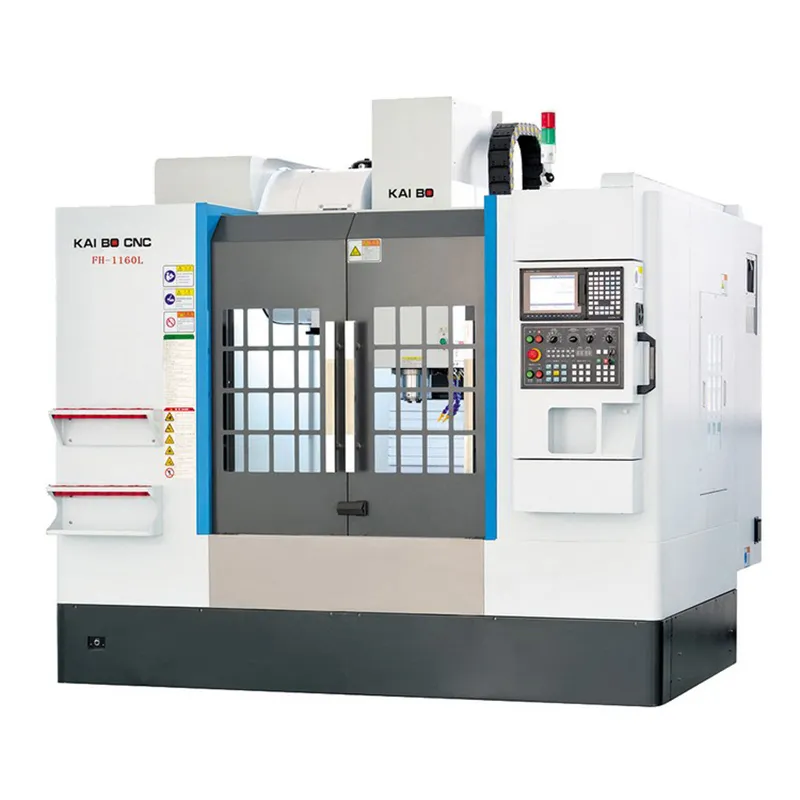
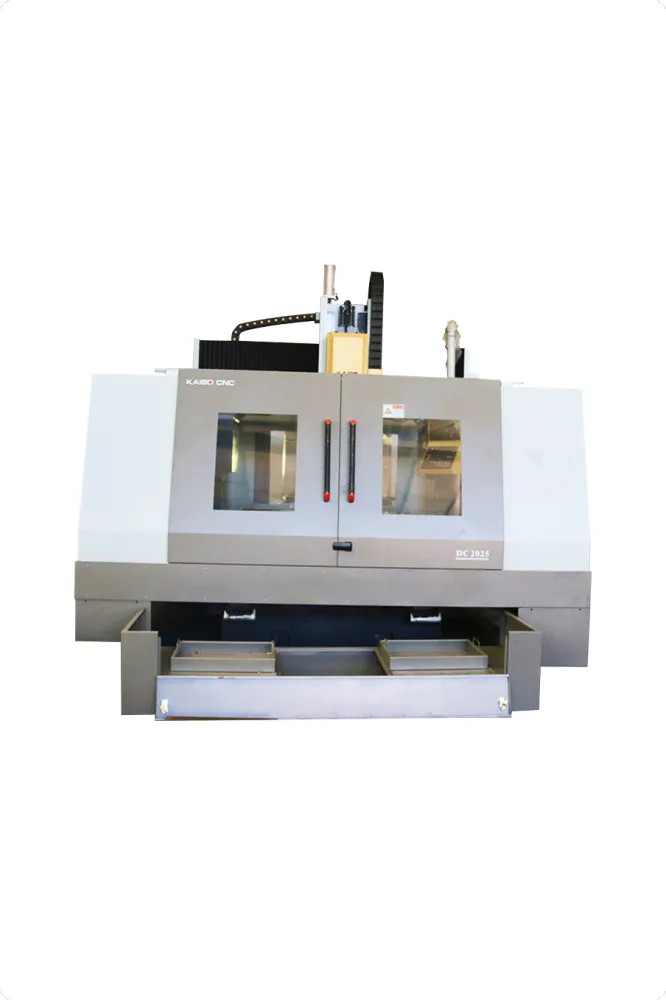
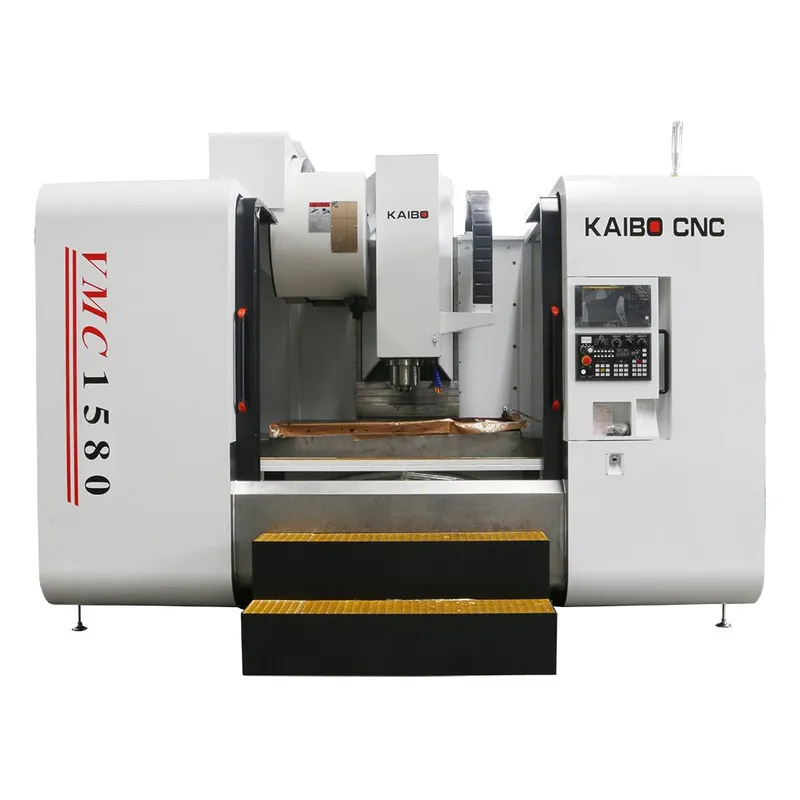
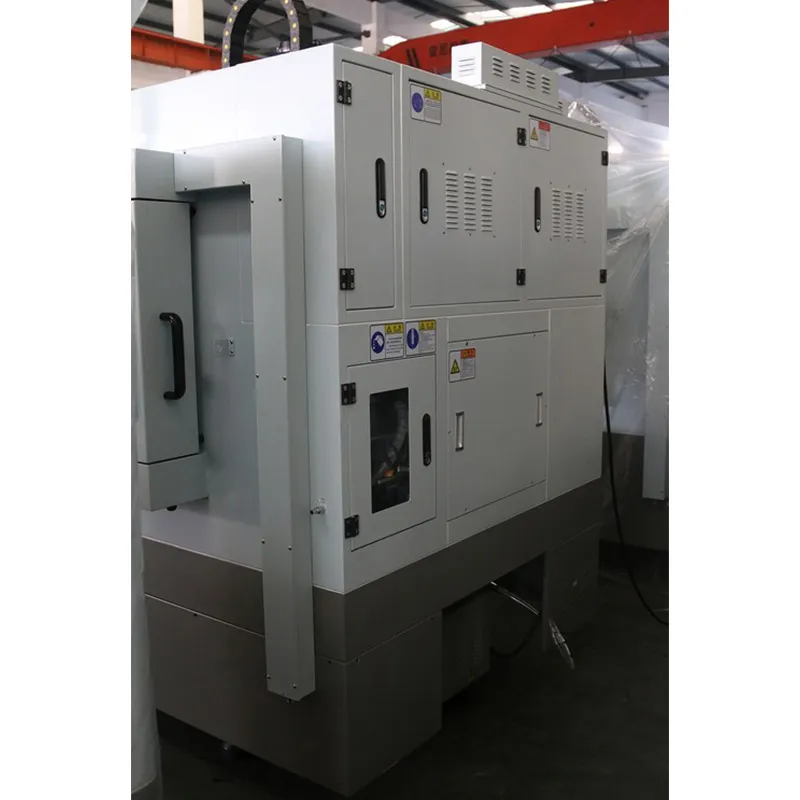
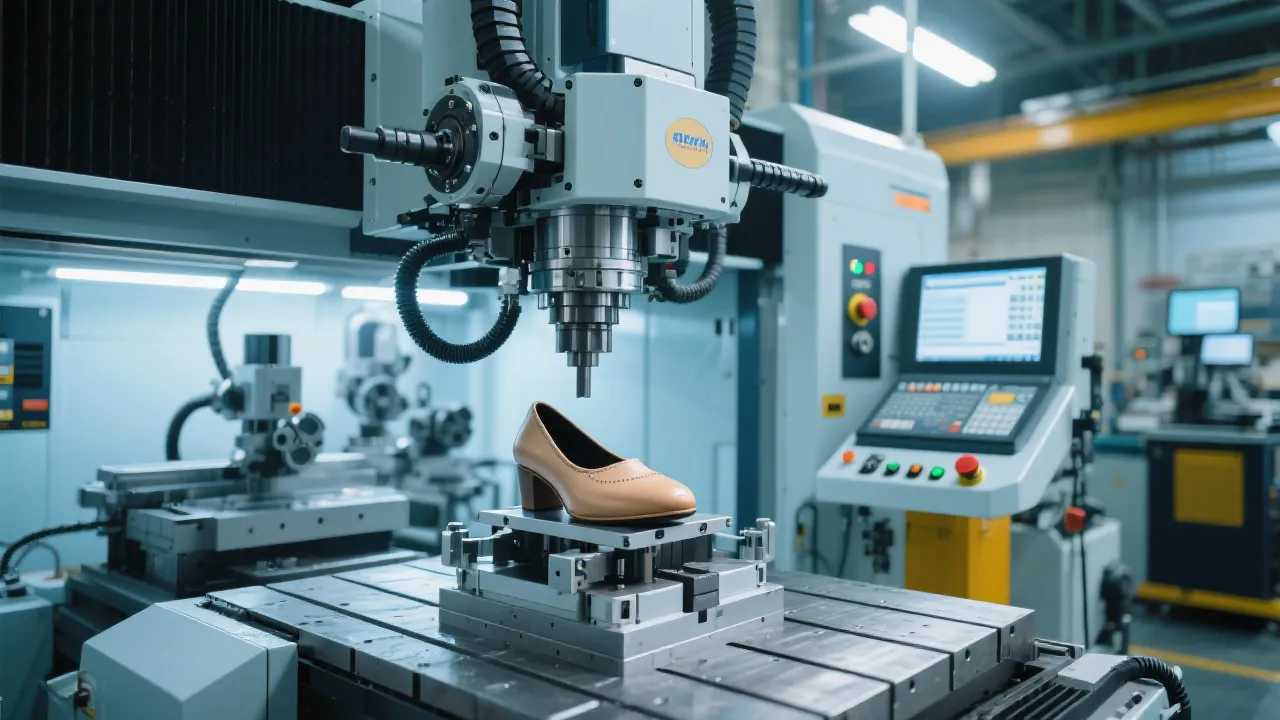
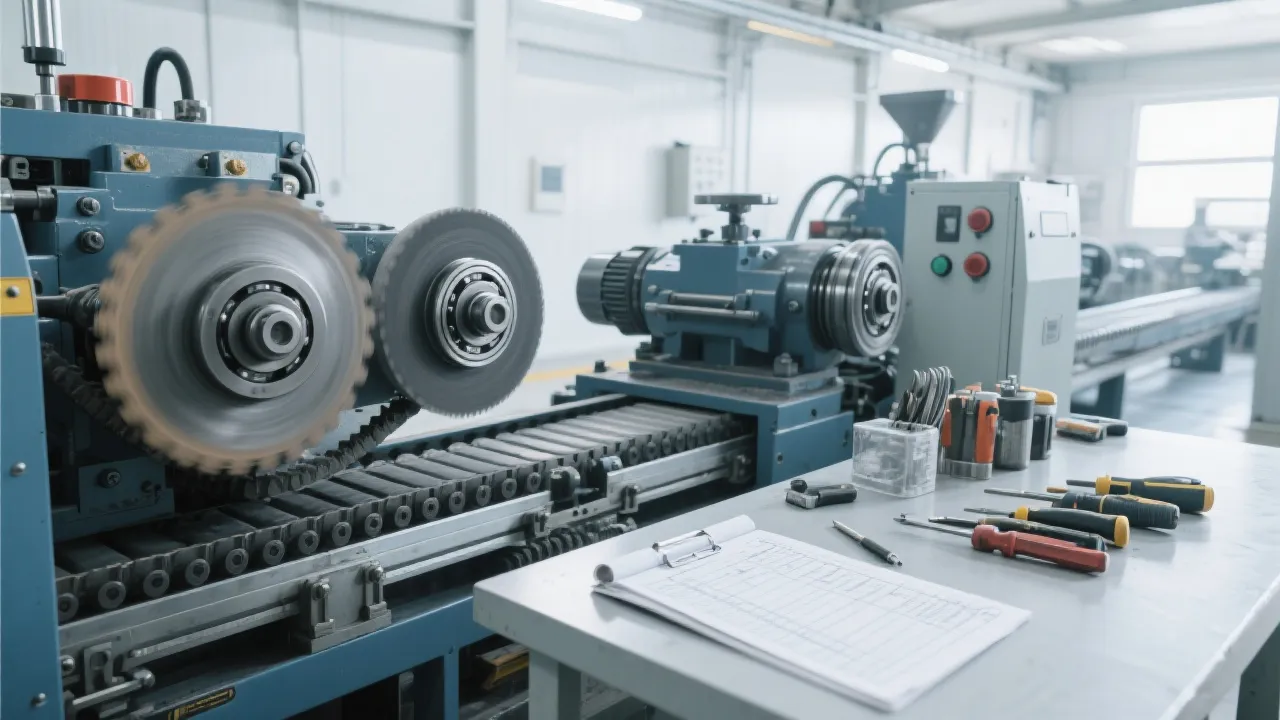
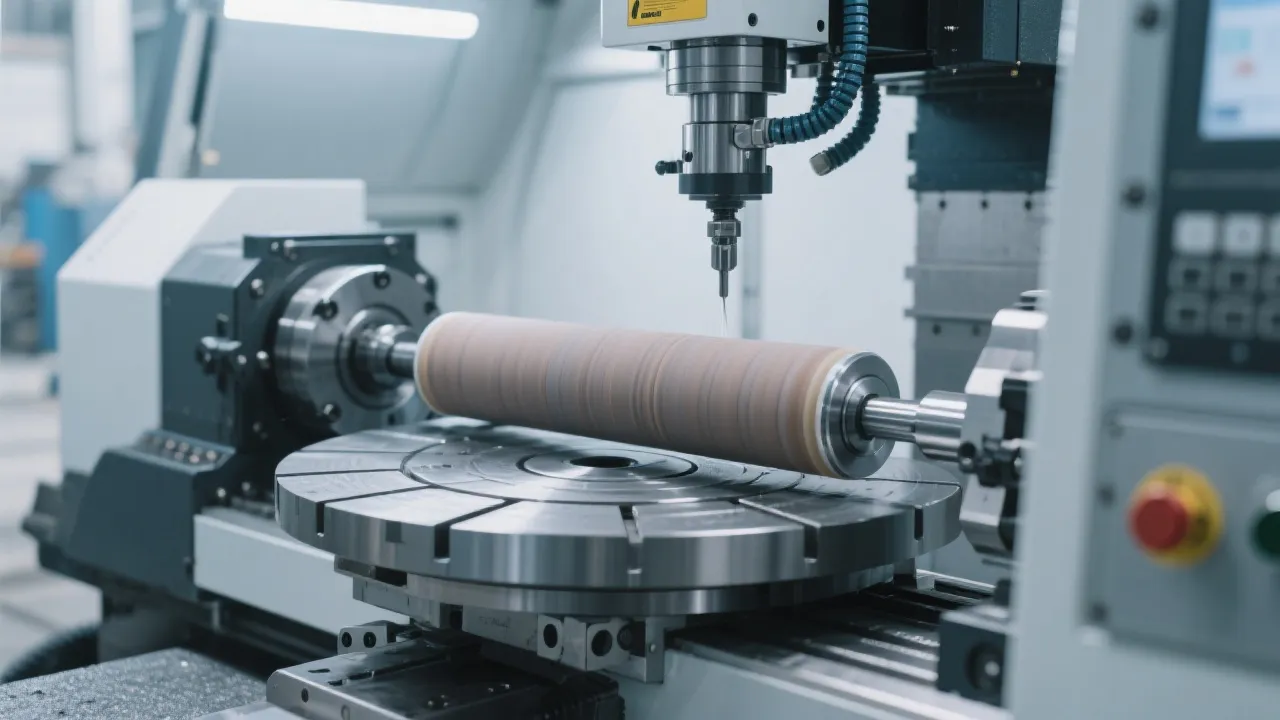
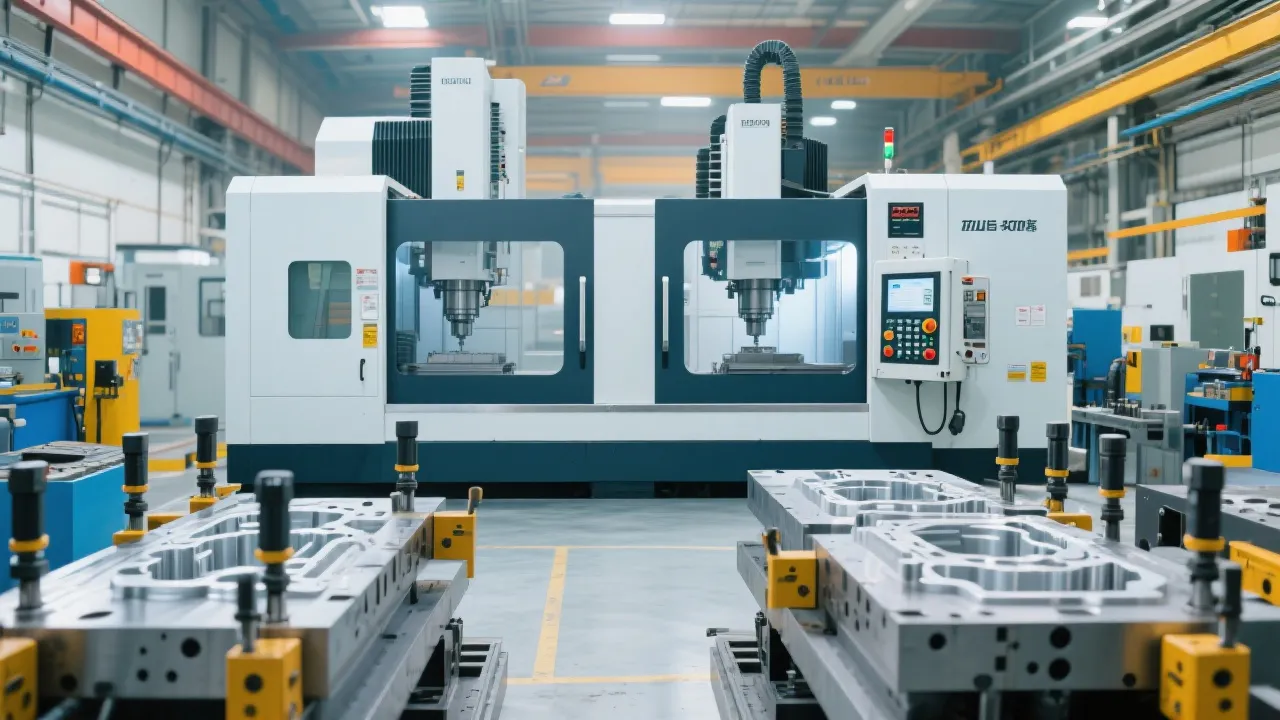
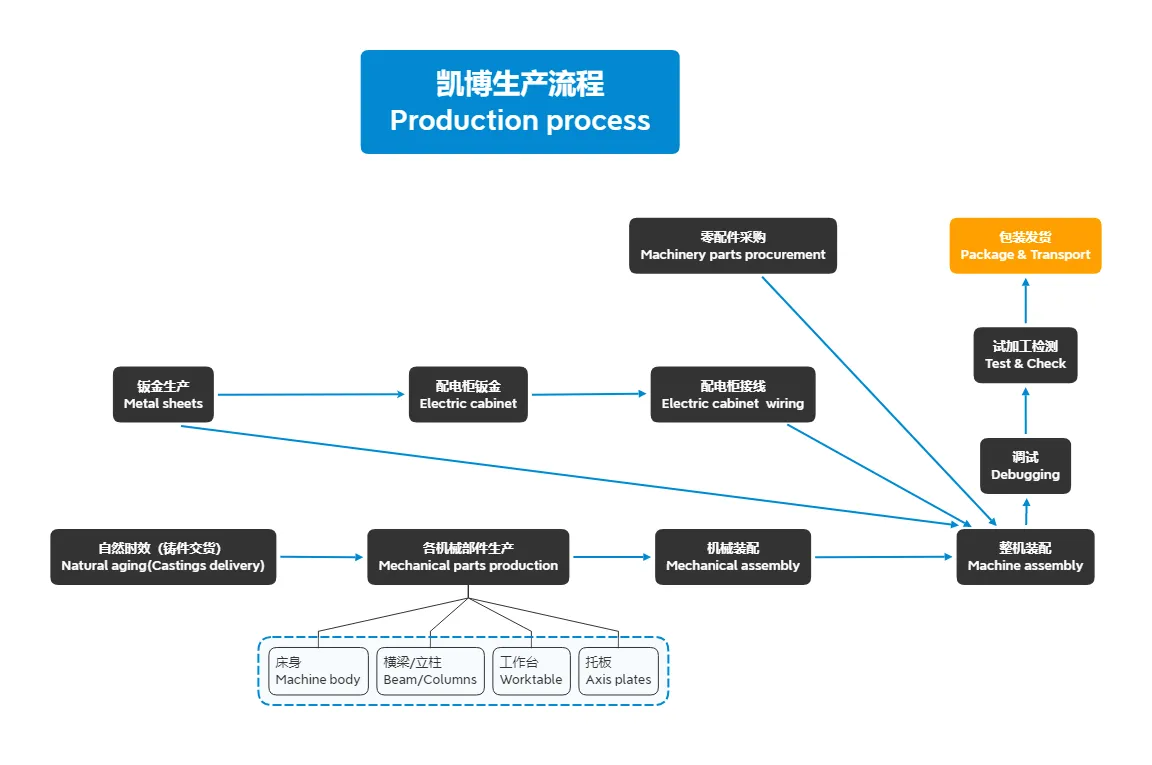
As a professional in shoe last manufacturing, you understand the critical role high-precision machining plays in producing quality footwear molds. The Kaibo DC6070 five-axis CNC shoe last milling machine equipped with a high-speed Syntec controller offers a powerful solution tailored to the complexities of shoe last production. This article dives deep into its core advantages, operational workflows, and practical optimization methods to transform your production line efficiency.
The engine behind the DC6070’s superior performance lies in its integration of the Syntec high-speed multi-axis controller. This system enables:
With this, you can confidently process intricate shoe last designs while maintaining outstanding repeatability — a must-have in high-volume, quality-driven environments.
Getting the most out of the DC6070 requires understanding its programming logic. Here’s a practical outline for streamlined operation:
"Optimizing parameters iteratively with the Syntec platform can improve machining stability by at least 20%-25%, substantially lowering scrap rates," notes Dr. Helen Zhao, a CNC automation specialist.
Parameter tuning within the Syntec system is vital to maximize throughput and reduce unexpected downtimes. Here are actionable tips you can apply:
| Parameter | Before Optimization | After Optimization | Impact |
|---|---|---|---|
| Feed Rate | 1200 mm/min | 1500 mm/min | +25% machining speed |
| Spindle Speed | 8000 rpm | 10,000 rpm | Finer surface finish |
| Tool Path Strategy | Standard linear cuts | Adaptive multi-axis interpolation | Reduced vibration, improved precision |
Fine-tuning these parameters helps eliminate common causes of tool wear and minimizes machine vibrations, essential for maintaining tool longevity and consistent part quality.
Even with advanced technology, occasional hiccups may arise. Familiarize yourself with these common faults to reduce downtime effectively:
Investing just 5-10 minutes daily in preventive checks using the Syntec controller’s diagnostic functions can cut unscheduled downtime by nearly 40%, according to industry benchmarks.
Q: Is prior CNC programming experience necessary to operate the DC6070?
A: The Syntec interface is designed to accommodate operators at all levels, supported by comprehensive tutorials and real-time help functions.
Q: How long does it take to switch between different shoe last models?
A: Program changes typically take 10-15 minutes thanks to the controller’s efficient memory management and fast upload/download speeds.
Q: What is the average maintenance interval for the DC6070?
A: Regular maintenance is recommended every 500 operational hours, including lubrication, alignment checks, and control system updates.
With its robust functional design and user-centric controls, the Kaibo DC6070 empowers you to optimize your shoe last manufacturing workflow confidently. Seeing is believing — explore how this machine can revolutionize your plant's capabilities.