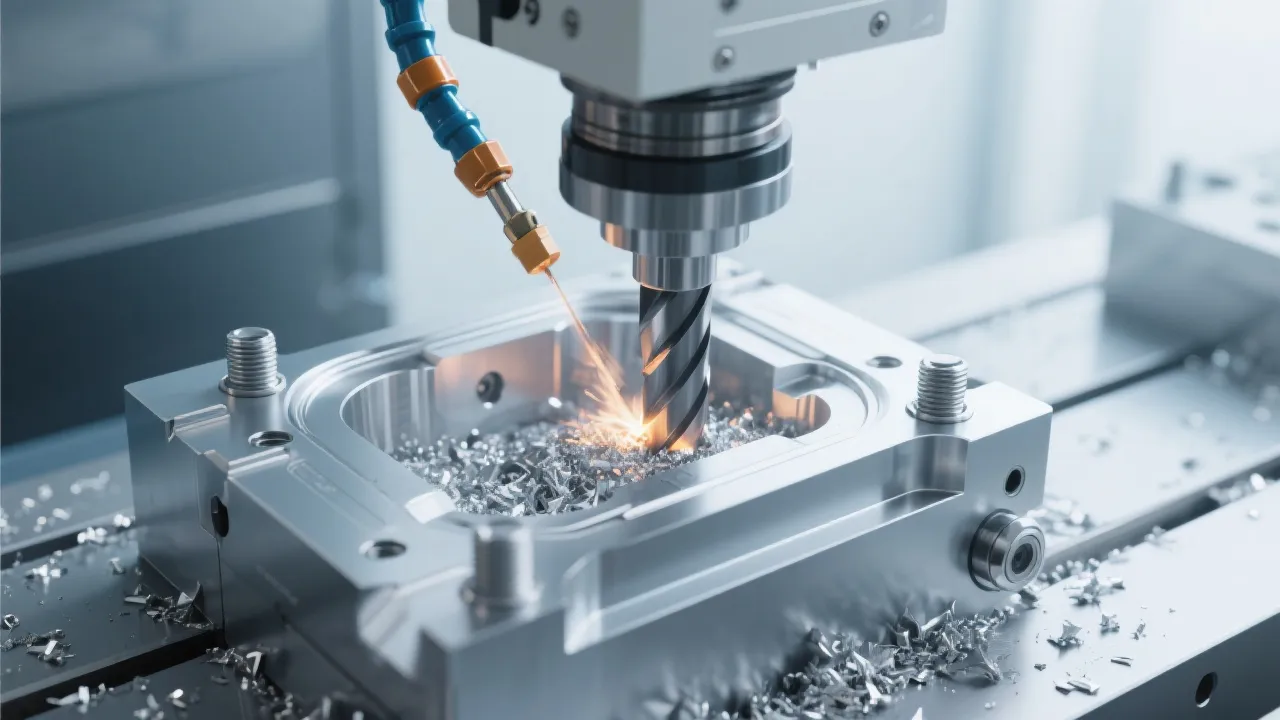
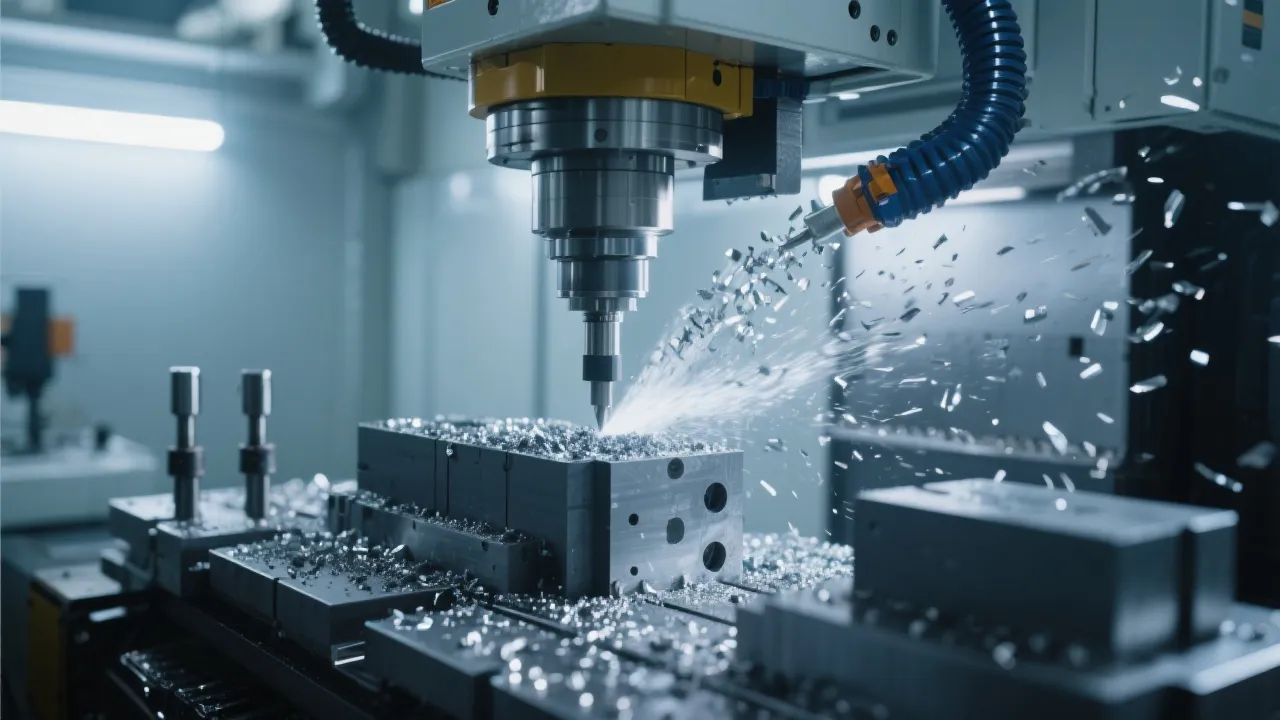
In the realm of iron mold manufacturing, achieving high - quality machining is a pursuit that many enterprises are constantly striving for. However, there are numerous challenges in the actual process. For example, the rework rate can be as high as 20% in some iron mold manufacturing plants, and the accuracy fluctuation often exceeds 0.05mm, which seriously affects the production efficiency and product quality.
Let's first take a deep look at the common problems in iron mold manufacturing. High rework rates are mainly due to inaccurate machining dimensions. Precision fluctuations are often caused by unstable equipment performance and improper parameter settings. These problems not only increase production costs but also reduce the competitiveness of products in the market.
When it comes to CNC milling machines, two important indicators are positioning accuracy and repeat positioning accuracy. Positioning accuracy refers to the ability of the machine tool to move to a specified position, and a high - precision machine tool can achieve a positioning accuracy of ±0.005mm. Repeat positioning accuracy is like opening a door and always stopping at the same position. A good machine tool can maintain a repeat positioning accuracy within ±0.003mm. Different types of guide rails also have their own advantages and disadvantages. For example, linear guide rails have high movement speed but relatively low load - bearing capacity, while roller guide rails have high load - bearing capacity but relatively slow movement speed.
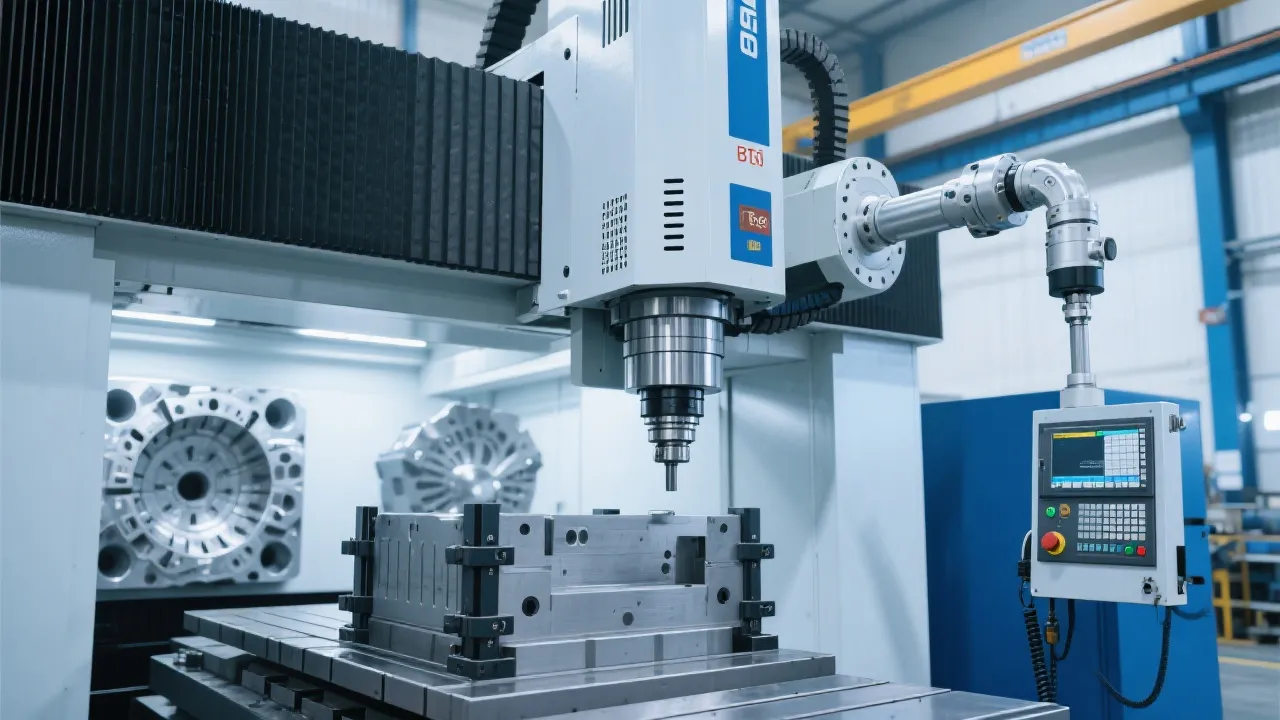
In iron mold manufacturing, two common materials are gray cast iron and ductile cast iron. Gray cast iron has good casting performance and machinability, but its strength and toughness are relatively low. Ductile cast iron has high strength, good toughness, and wear resistance. For gray cast iron, a CNC milling machine with a spindle power of 7.5 - 11kW and a positioning accuracy of ±0.01mm is more suitable. For ductile cast iron, a machine tool with a higher spindle power of 11 - 15kW and a higher positioning accuracy of ±0.005mm is recommended.
To make a more scientific decision when purchasing a CNC milling machine, a trial - cutting verification process is necessary. There are five main inspection points: 1. Check the surface roughness of the machined part, which should be within Ra0.8 - Ra1.6. 2. Measure the dimensional accuracy of the part, ensuring that it meets the design requirements. 3. Observe the chip shape during machining to judge whether the cutting parameters are appropriate. 4. Check the vibration of the machine tool during operation. Excessive vibration may indicate problems with the machine tool's stability. 5. Evaluate the noise level of the machine tool. A high - quality machine tool should operate with relatively low noise.
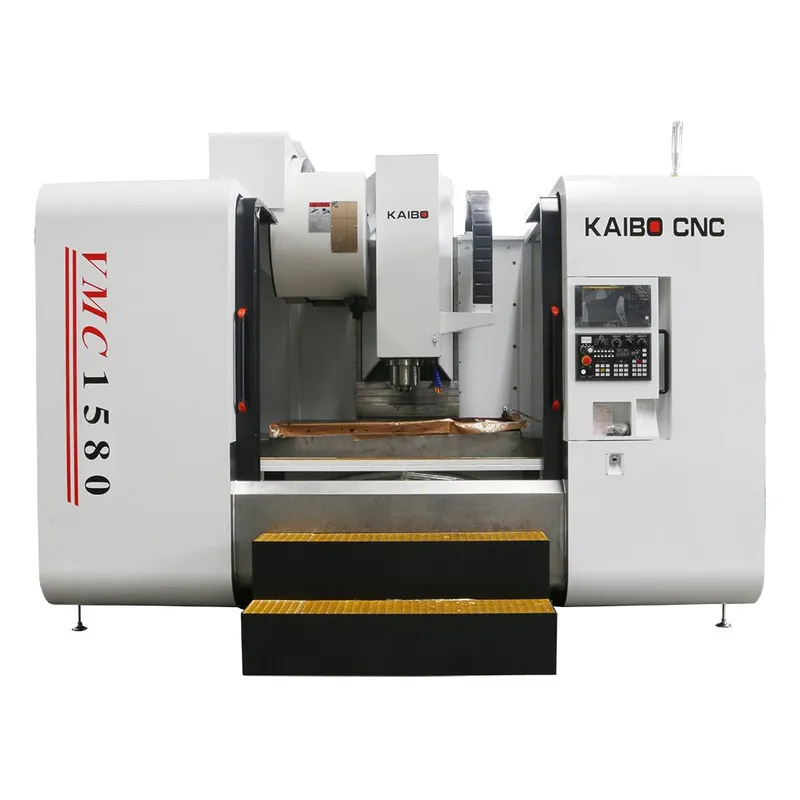
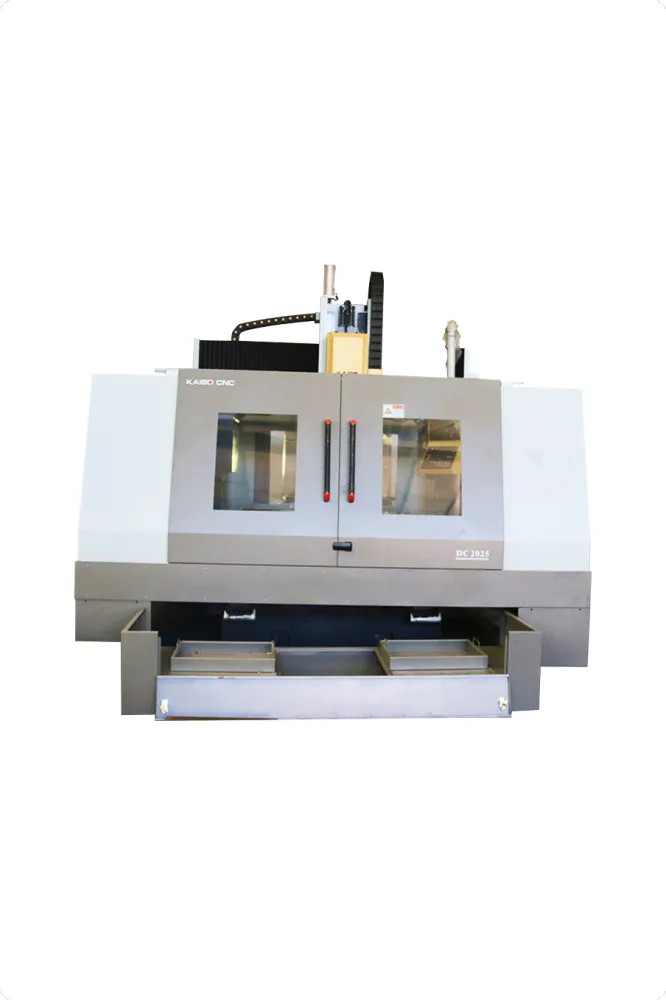
Let's take a real - life case. A certain iron mold manufacturing enterprise used to have a high rework rate. After replacing with a multi - axis CNC milling machine recommended by Kaibo CNC, the rework rate was reduced from 20% to less than 5%, and the production efficiency was increased by 30%. To help you better select a CNC milling machine, we provide a reusable selection evaluation list, which includes key indicators such as positioning accuracy, repeat positioning accuracy, spindle power, and guide rail type.
You may be wondering what problems you often encounter in iron mold machining. Share your experiences in the comment section! With 25 years of industry experience, Kaibo CNC ensures that every milling operation is precise and reliable. Choose Kaibo DC1113, and you are choosing a trustworthy high - quality machine tool. Click here to learn more about Kaibo CNC's products