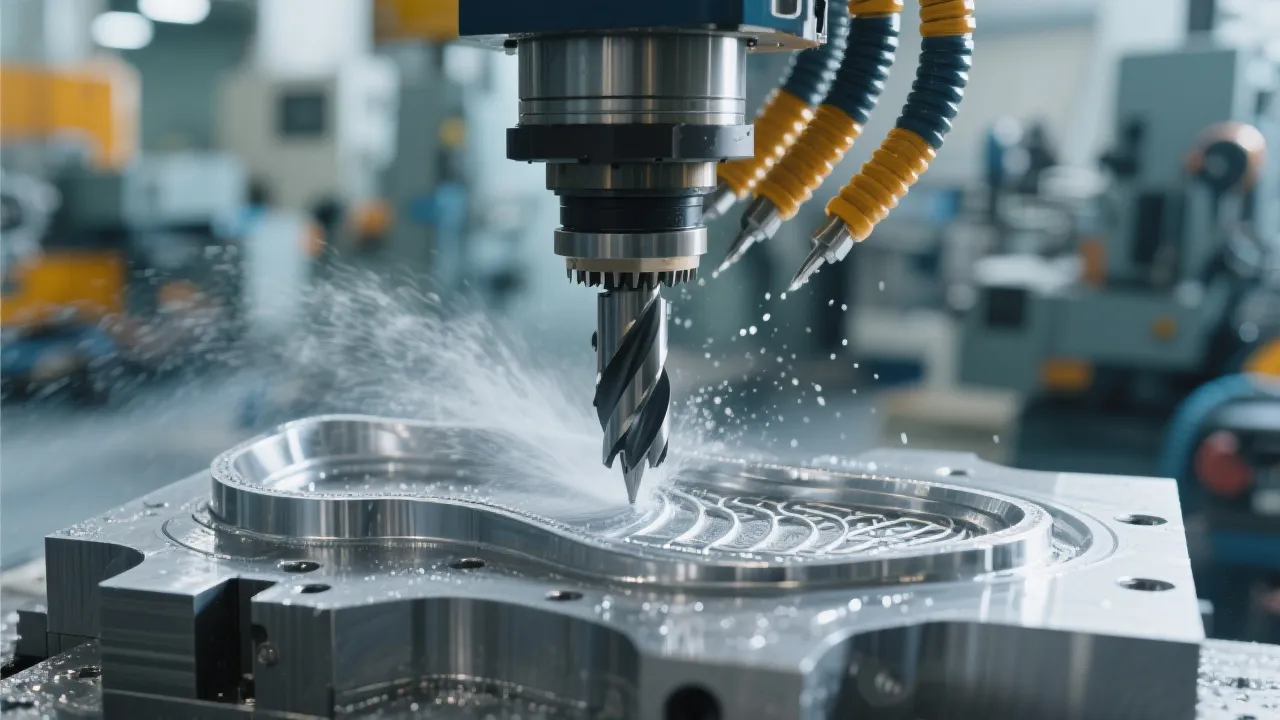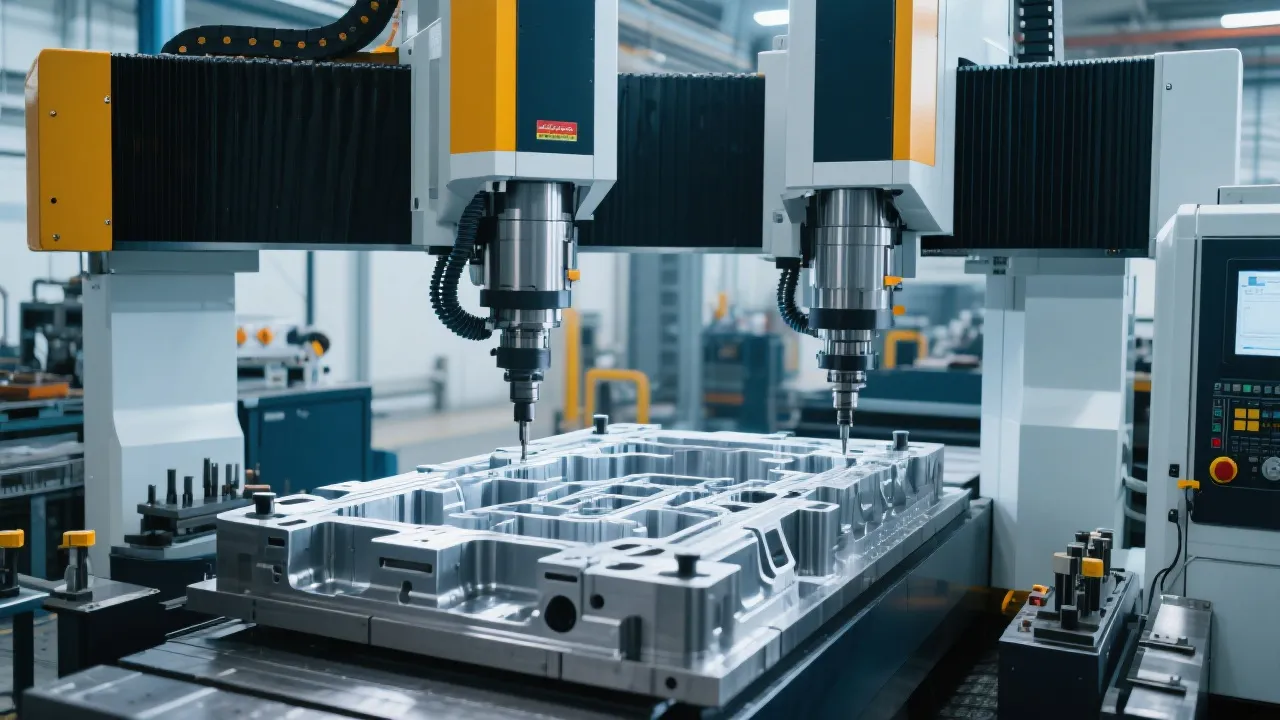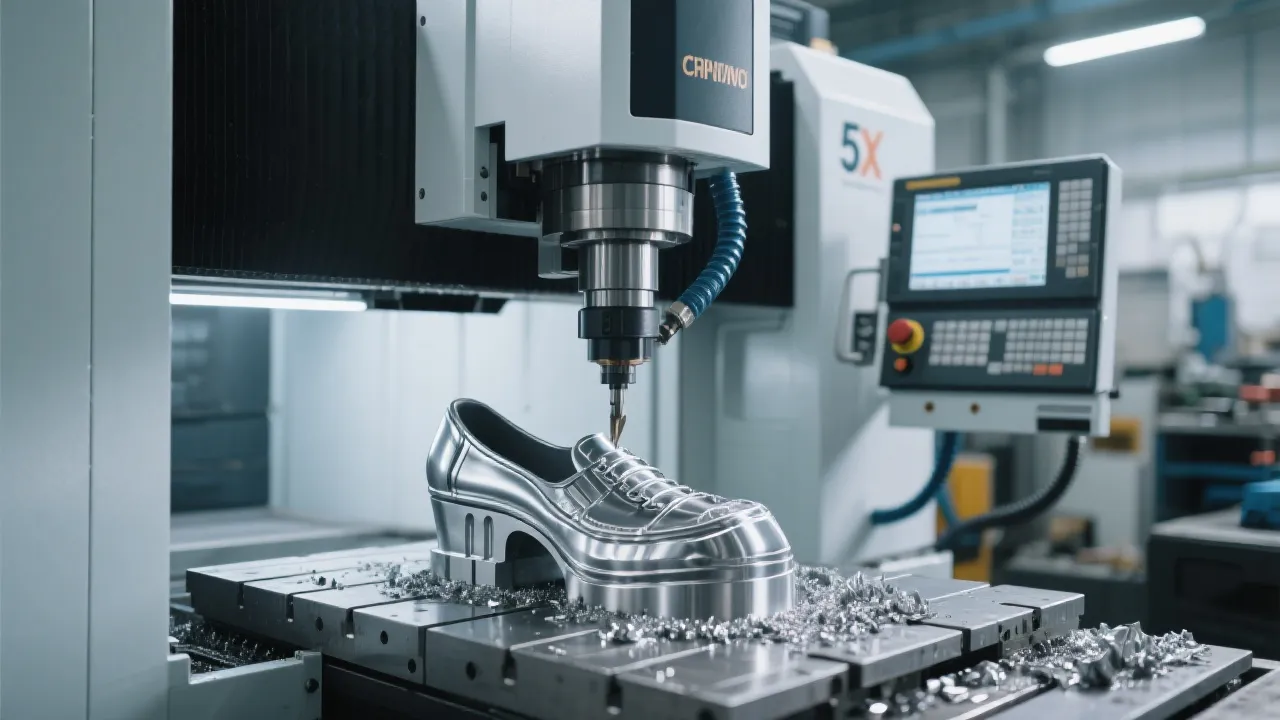
In the competitive landscape of mold manufacturing, precision is not just a requirement—it's the cornerstone of business success. For manufacturers working with large aluminum and stainless-steel molds, material deformation remains one of the most persistent challenges, often leading to costly rework, production delays, and compromised product quality. This comprehensive guide explores proven milling parameter optimization strategies that address these critical issues head-on.
Material deformation during large mold machining is primarily driven by two interrelated factors: thermal stress and residual stress. Research conducted by the International Machining Technology Association shows that improper parameter settings account for approximately 72% of dimensional accuracy issues in large mold production. Aluminum alloys, with their high thermal conductivity (approximately 167 W/m·K for 6061-T6), are particularly susceptible to heat-induced distortion, while stainless steel's high strength and work-hardening characteristics (yield strength of 304 SS is around 205 MPa) create significant residual stress challenges.
"The difference between a profitable mold project and a loss-making one often comes down to how well you manage the invisible forces at play during machining," explains Michael Chen, Senior Process Engineer with 15 years of experience at a leading automotive mold manufacturer. "We've reduced our rework rate by 43% simply by implementing data-driven parameter optimization."
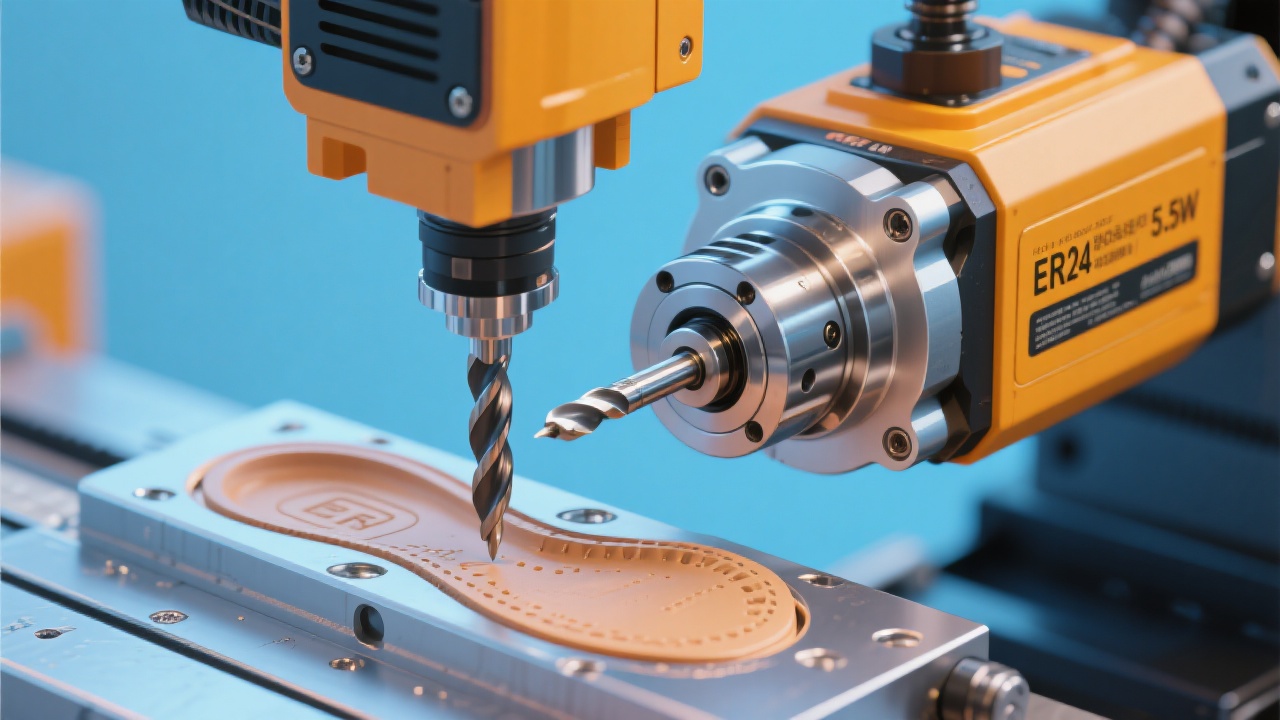
Aluminum's low melting point (660°C for pure aluminum) and excellent thermal conductivity require a delicate balance between cutting speed and feed rate to prevent heat buildup. Optimal parameters typically fall within these ranges:
A case study involving a 1.2m x 0.8m automotive mold insert demonstrated that increasing cutting speed from 180 m/min to 240 m/min while reducing feed rate from 0.25 mm/tooth to 0.18 mm/tooth resulted in a 37% reduction in thermal distortion, as measured by coordinate measuring machine (CMM) analysis.
Stainless steel's high toughness and tendency to work harden require a different approach, focusing on maintaining consistent chip formation and minimizing tool engagement time:
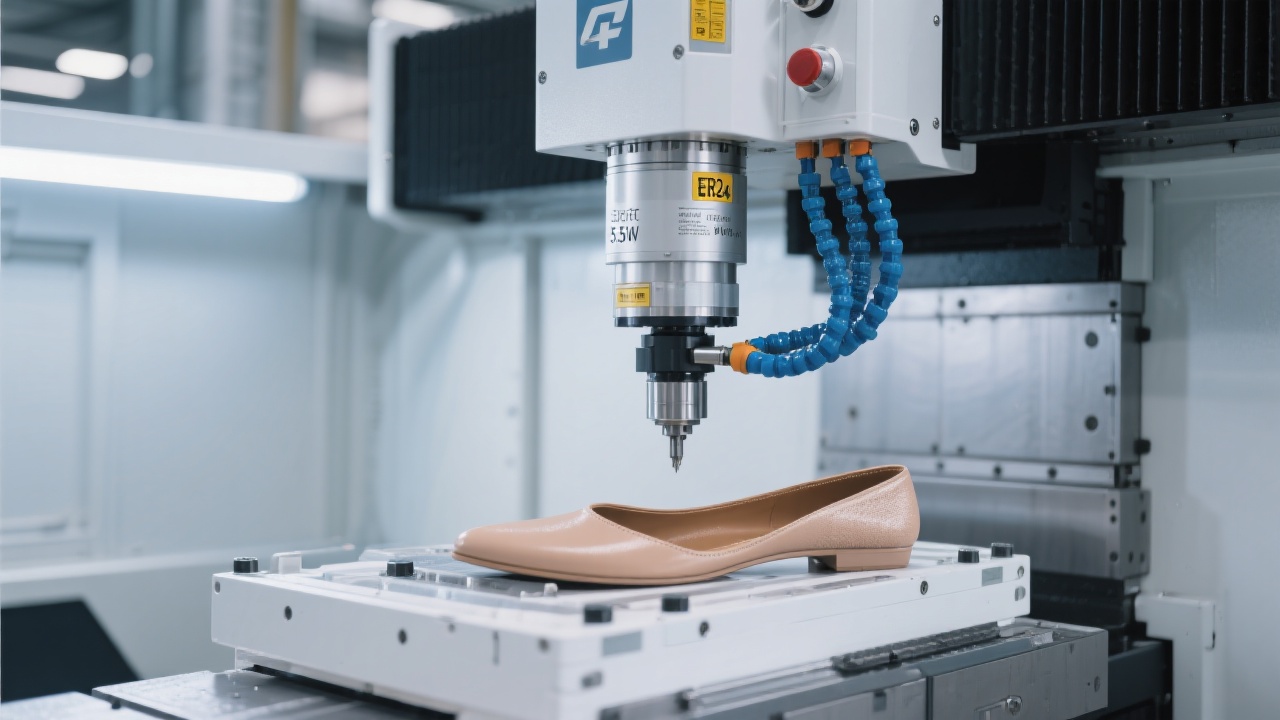
Successful parameter optimization requires a systematic approach. Below is a field-tested checklist developed from processing over 500 large mold projects:
| Process Step | Key Parameters to Verify | Acceptance Criteria |
|---|---|---|
| Pre-Machining Setup | Tool runout, workpiece fixturing, coolant concentration | Runout < 0.01mm, fixture clamping force 80-120 Nm |
| Roughing Operations | Cutting speed, feed rate, depth of cut, chip load | Chip formation consistent, no blueing on workpiece |
| Semi-Finishing | Stepover distance, cooling method, tool wear | Tool wear < 0.1mm, surface finish Ra < 3.2μm |
| Finishing Pass | Spindle speed, feed rate, tool deflection | Dimensional accuracy within ±0.02mm, no visible chatter marks |
A leading aerospace component manufacturer recently implemented these parameter optimization strategies when machining large stainless steel molds for jet engine components. The results were striking:
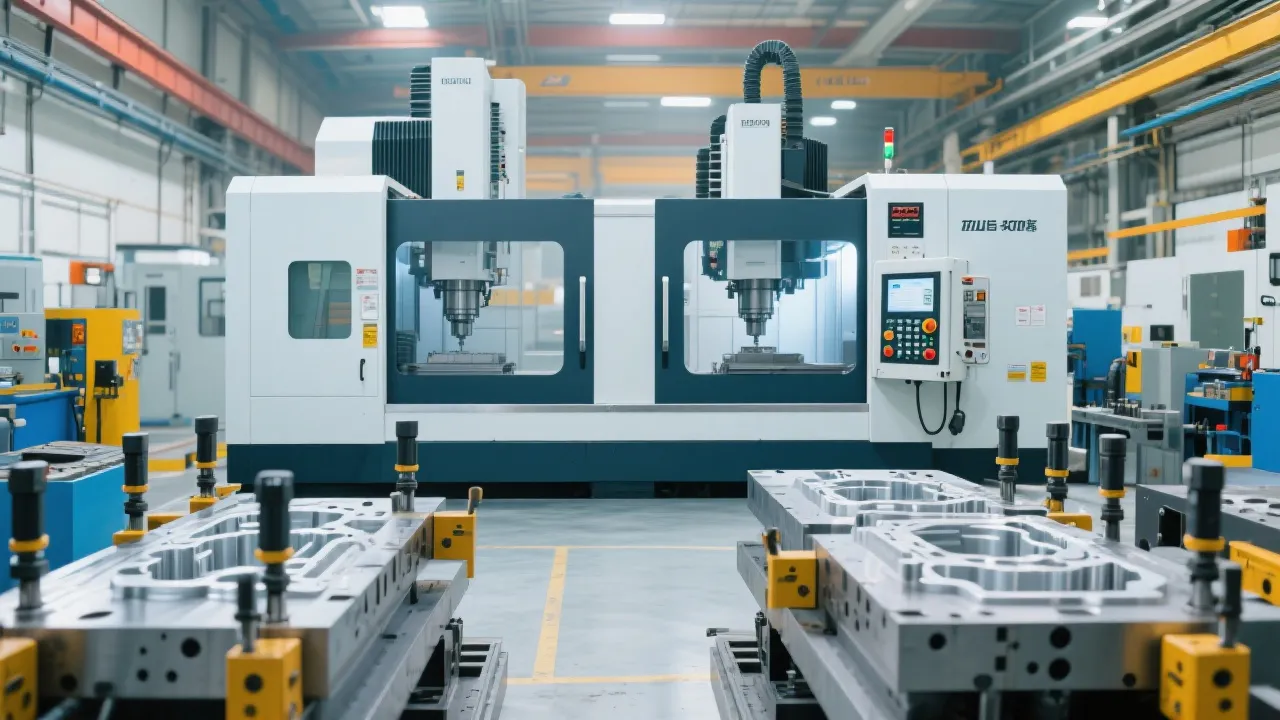
"The key insight was recognizing that parameter optimization isn't just about numbers—it's about understanding how each material responds to the cutting process," notes Sarah Johnson, Manufacturing Engineering Manager at the facility. "With 凯博数控 machining centers, we've been able to implement these precise parameter adjustments consistently across our production floor."
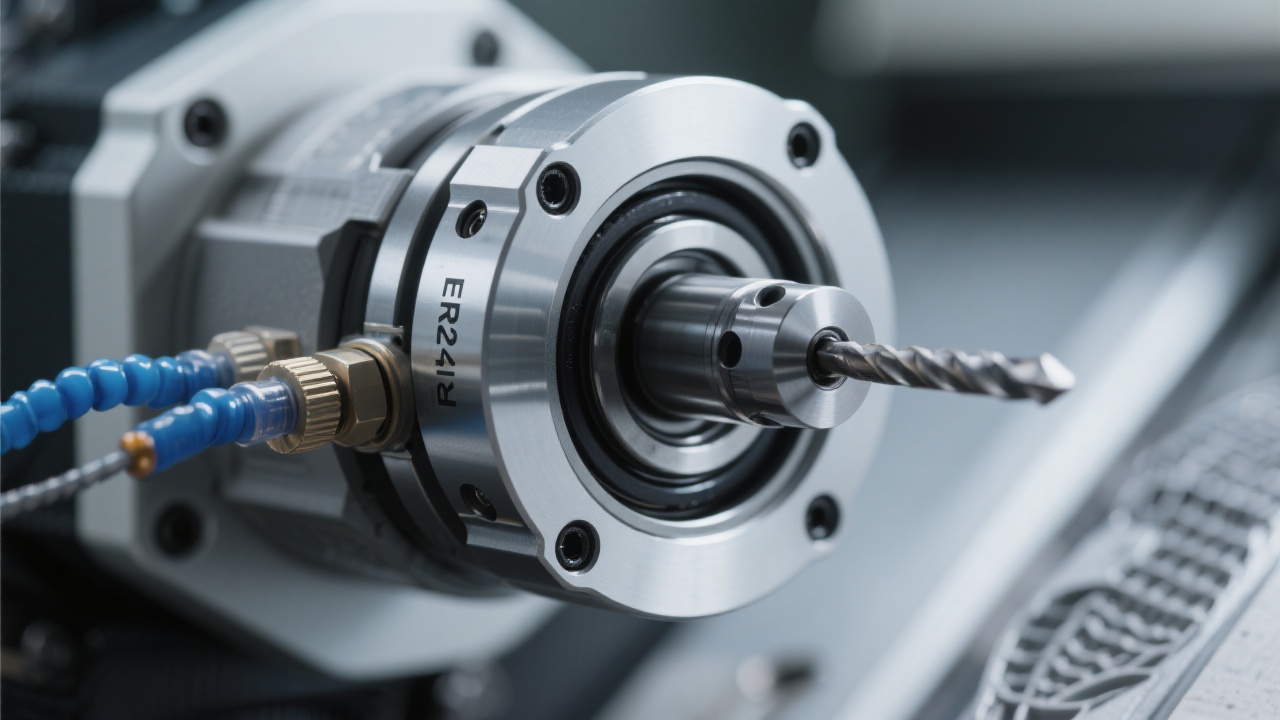
While parameter optimization is critical, sustainable success requires integrating these techniques into a broader culture of manufacturing excellence. This includes establishing standardized data collection processes for machining results, conducting regular training sessions for operators, and implementing statistical process control to monitor deformation trends over time.
Many forward-thinking manufacturers are now leveraging digital twins and simulation software to model machining processes before physical production, allowing for virtual parameter testing and optimization. This approach has been shown to reduce setup time by up to 35% and minimize material waste by an average of 28%.
Ready to reduce deformation, improve surface quality, and increase production efficiency? Discover how 凯博数控 machining solutions combined with optimized milling parameters can transform your manufacturing process.
Download Your Free Milling Parameter Optimization GuideAs materials and machining technologies continue to evolve, the manufacturers who thrive will be those who view parameter optimization not as a one-time task, but as an ongoing journey of discovery and refinement. By combining scientific principles with practical experience, your organization can achieve new levels of precision, efficiency, and profitability in large mold manufacturing.