In the high-precision world of large mold manufacturing, even the smallest vibrations can translate into costly defects and production delays. Engineers across automotive, aerospace, and heavy machinery sectors constantly battle with accuracy degradation during extended machining cycles. This comprehensive analysis explores why structural rigidity matters in large-scale milling operations and how double-column vertical milling machines provide an engineering solution to these persistent challenges.
Modern mold manufacturing demands exceptional precision—often requiring tolerances within ±0.005mm for critical surfaces. Yet, conventional single-column milling machines frequently struggle with two primary issues that compromise quality:
These issues translate directly to higher scrap rates—industry data shows that inadequate machine rigidity contributes to 32% of all large mold manufacturing defects, with each defective mold costing an average of $12,000 in material waste and rework.
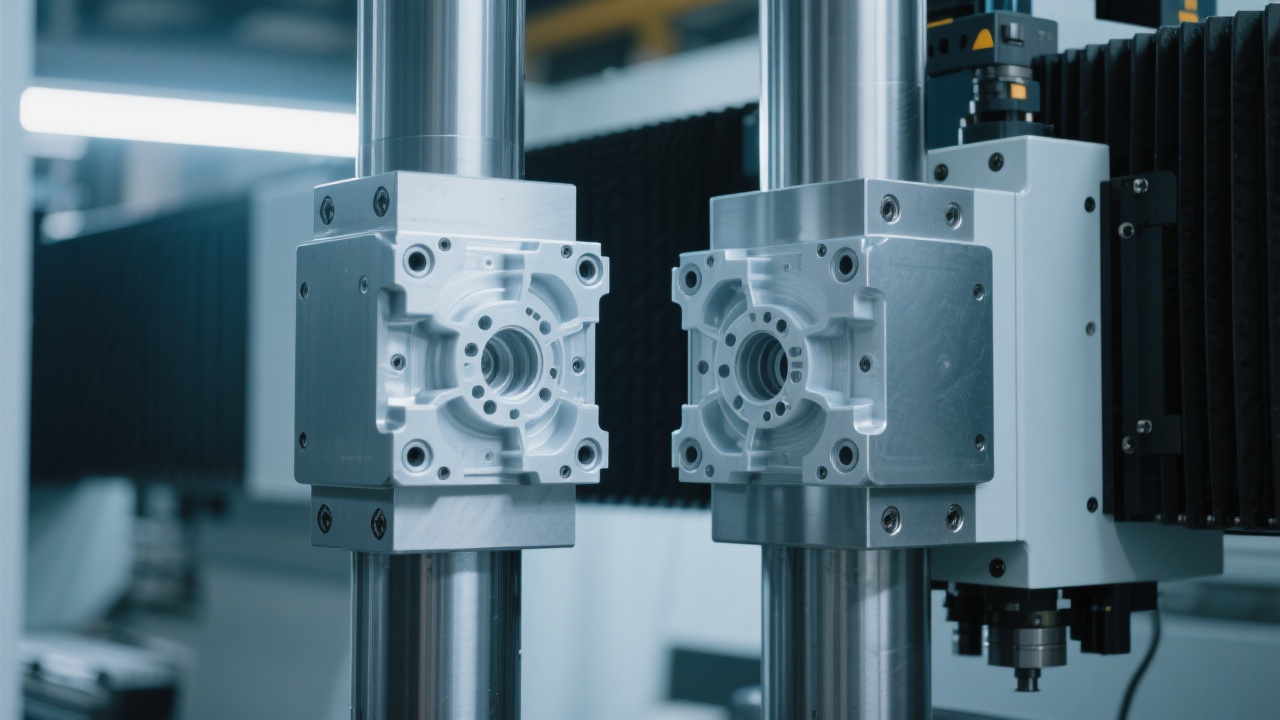
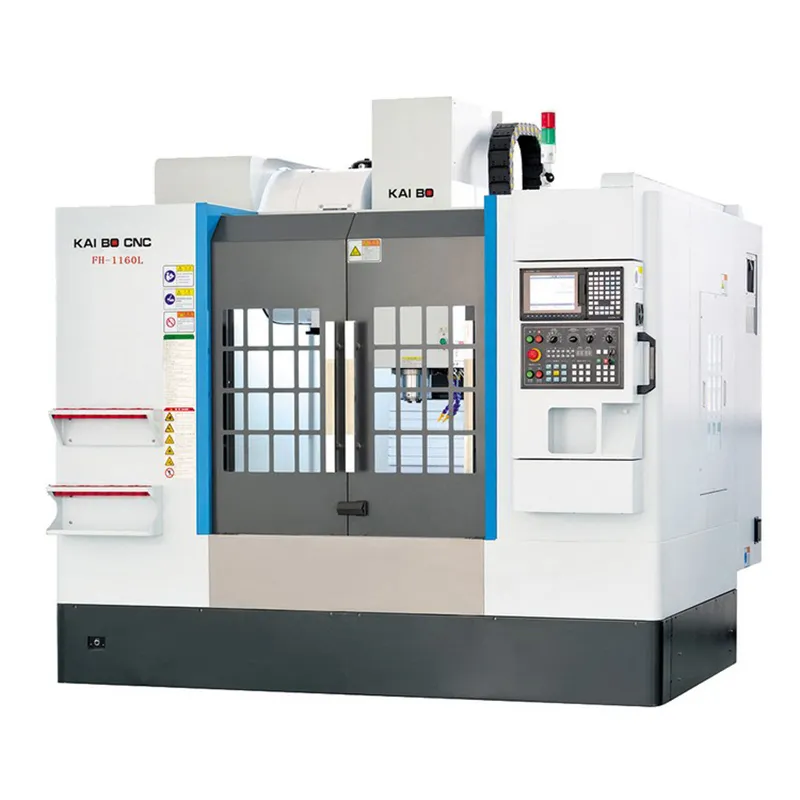
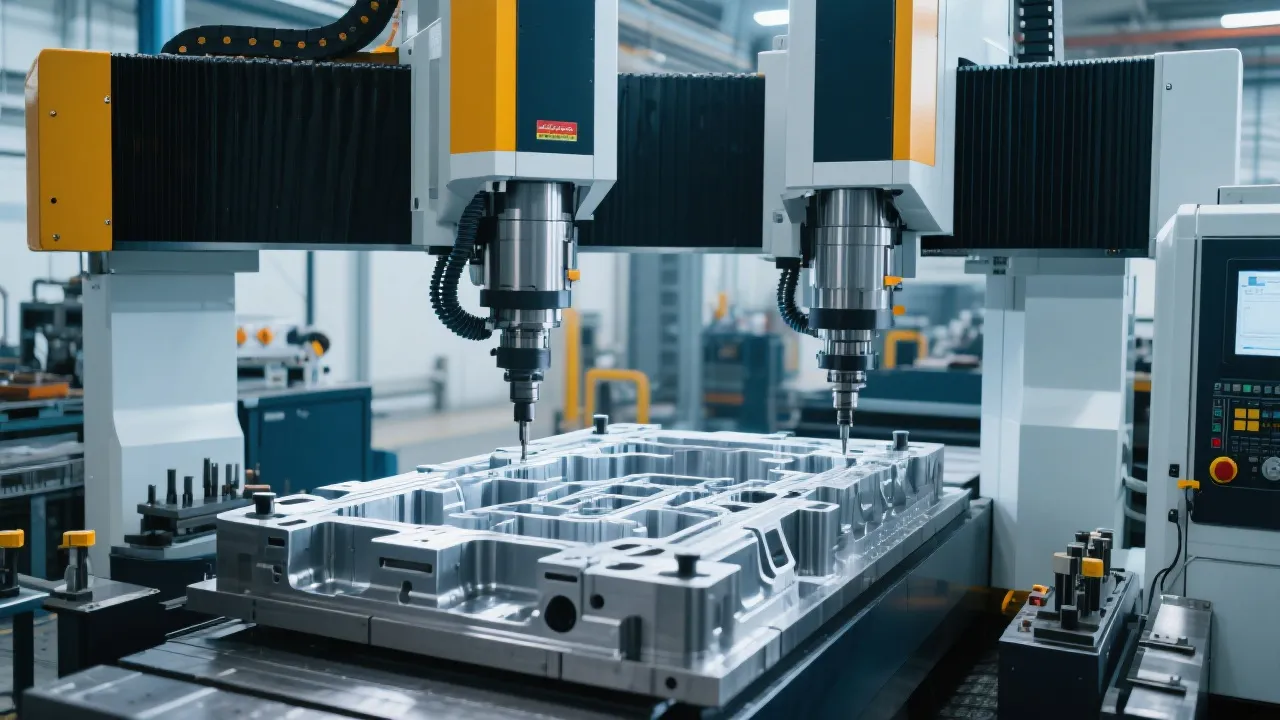
Double-column vertical milling machines represent a fundamental shift in structural engineering, addressing rigidity challenges through three critical design innovations:
Unlike single-column designs that create cantilevered load conditions, the double-column architecture distributes cutting forces evenly across two parallel vertical supports. This symmetry reduces torsional stress by up to 65% during heavy-duty operations, as validated through finite element analysis conducted by the Machinery Tool Technology Research Institute.
The box-type column structure, typically constructed from high-grade cast iron with optimized ribbing, increases natural frequency beyond common cutting vibration ranges. Practical testing shows that double-column designs maintain stable cutting conditions at spindle speeds up to 8,000 RPM with feed rates 30% higher than comparable single-column machines.
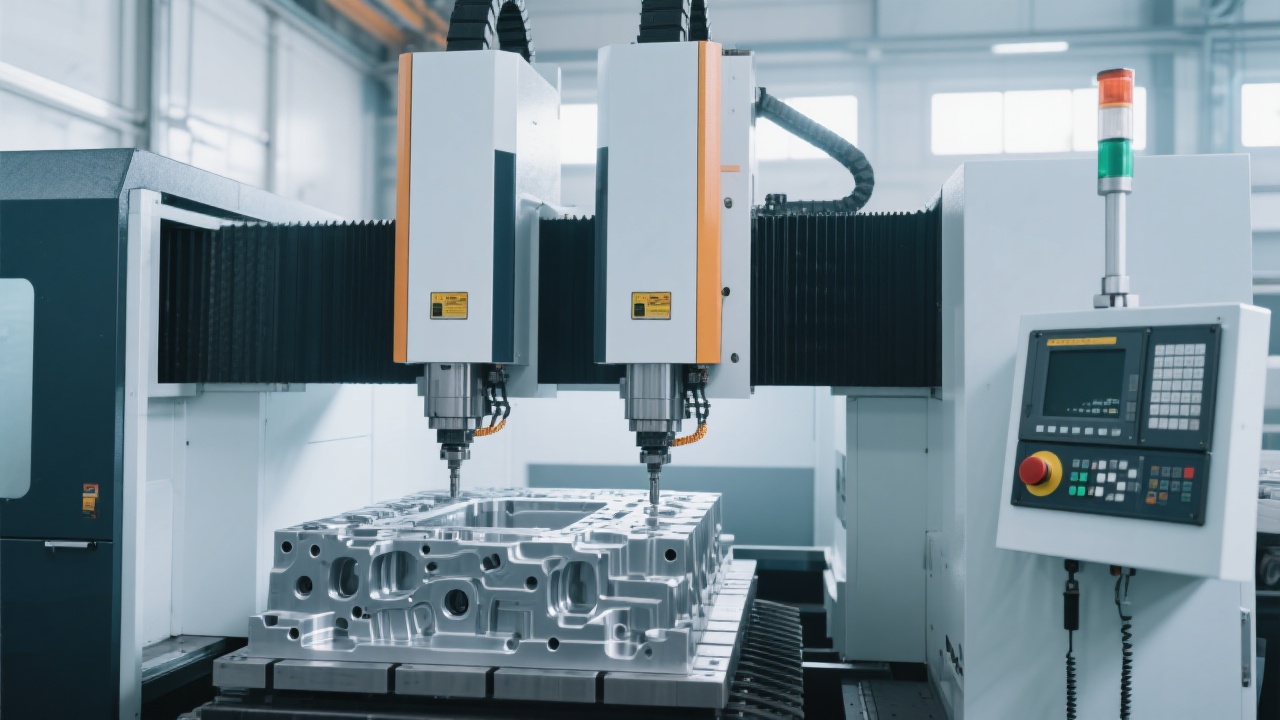
Advanced double-column designs incorporate symmetrical cooling channels and heat-dissipating materials. Thermal imaging studies demonstrate that these machines maintain temperature variation within ±1°C during continuous operation, resulting in thermal stability that reduces accuracy degradation by 70% compared to conventional designs.
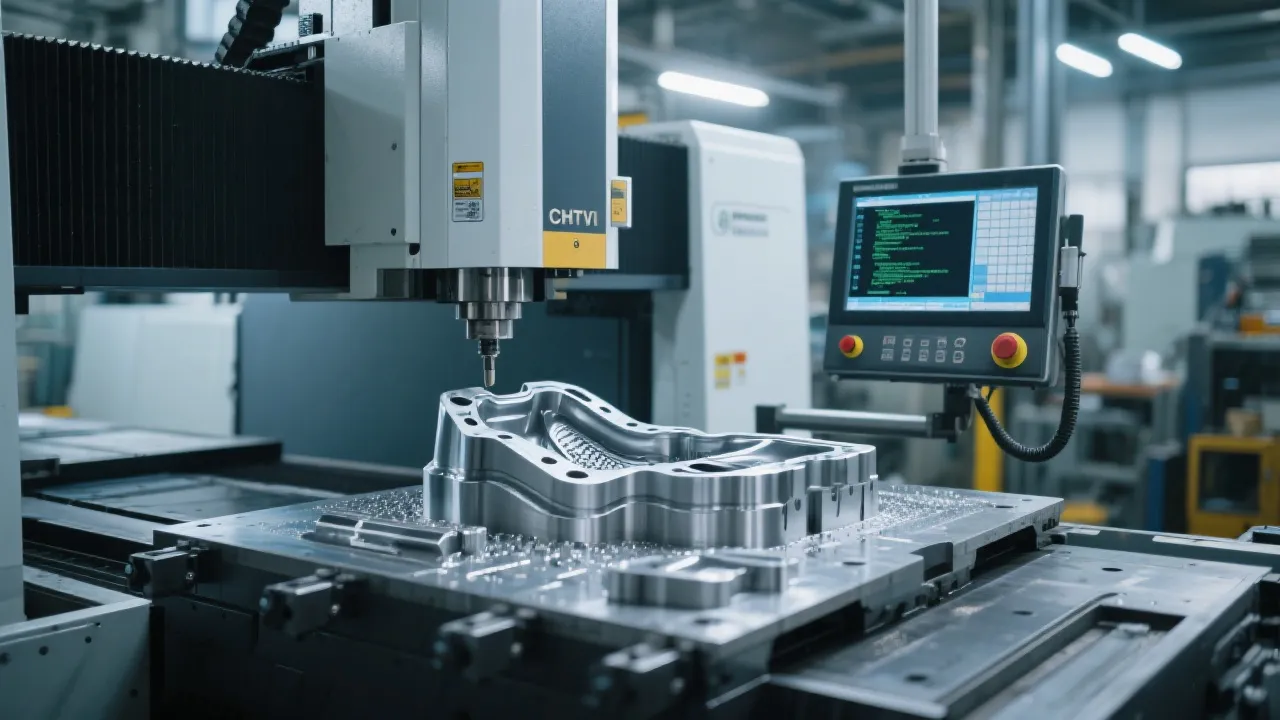
A leading automotive supplier replaced three single-column machines with Kaibo CNC double-column vertical mills for manufacturing large car body dies. The results included:
An aerospace manufacturer implemented double-column technology for machining titanium structural components, achieving:
Choosing between single and double-column machines requires careful evaluation of specific application requirements. This decision matrix helps determine the optimal solution based on key parameters:
| Application Factor | Single-Column Suitable | Double-Column Advantage |
|---|---|---|
| Workpiece Weight | Up to 500kg | 500kg to 10,000kg+ |
| Machining Depth | Up to 300mm | 300mm to 1,500mm |
| Required Tolerance | ±0.02mm | ±0.005mm or better |
| Production Run Length | Short runs, prototype work | Long production runs, continuous operation |
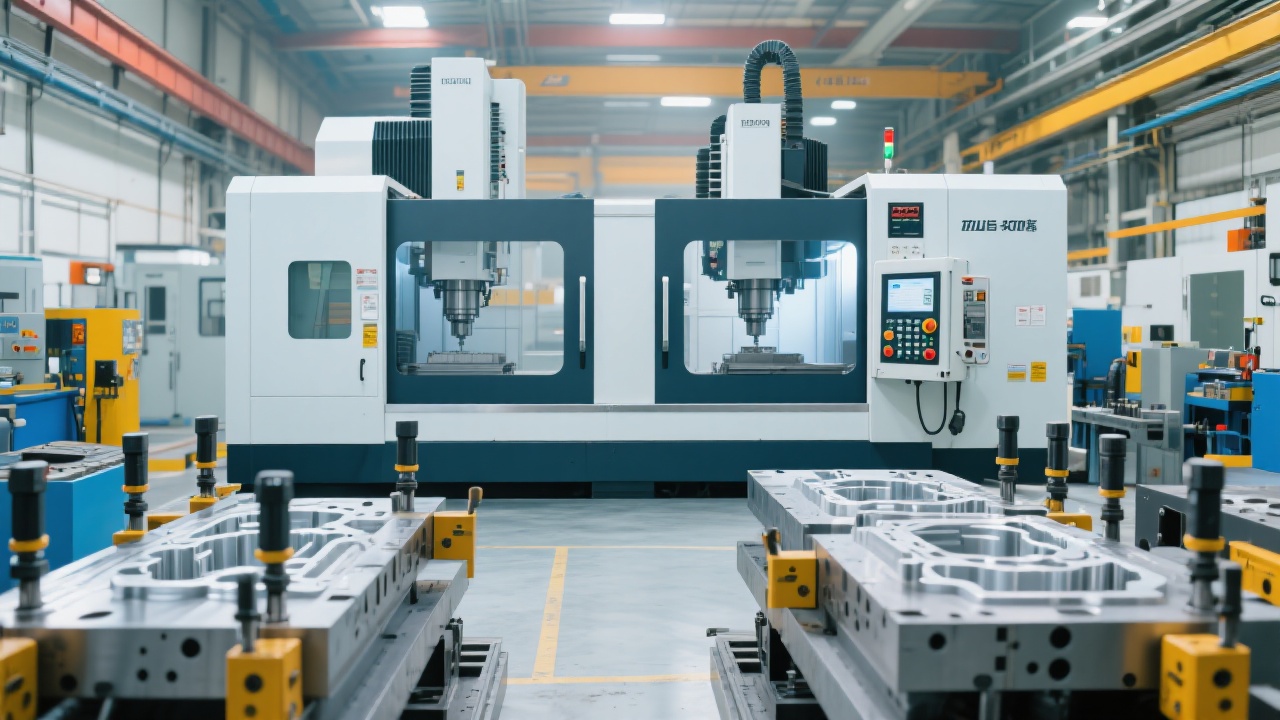
A: While double-column machines have a larger footprint, their enhanced productivity often allows manufacturers to consolidate operations. A typical 3m x 2m double-column machine can replace two single-column machines, actually reducing overall space requirements by approximately 15% in most production layouts.
A: The symmetrical design actually simplifies maintenance by providing equal access to both sides of the workpiece area. Preventive maintenance intervals are comparable to high-quality single-column machines, with most manufacturers recommending quarterly inspection of guideways and lubrication systems.
A: Modern double-column designs incorporate advanced spindle technology that matches or exceeds the speed capabilities of single-column machines. The Kaibo CNC TC series, for example, offers spindle speeds up to 12,000 RPM with superior vibration dampening, allowing both high-speed finishing and heavy roughing operations on the same machine.
Discover how Kaibo CNC's double-column vertical milling solutions can reduce your production costs while improving part quality and consistency.
Download Our Technical Specification GuideManufacturers worldwide are reaping the benefits of structural rigidity in large-scale machining operations. By understanding the fundamental engineering principles that affect machining accuracy, you can make informed equipment decisions that directly impact your bottom line. The right machine selection today will determine your competitive position in the precision manufacturing landscape of tomorrow.