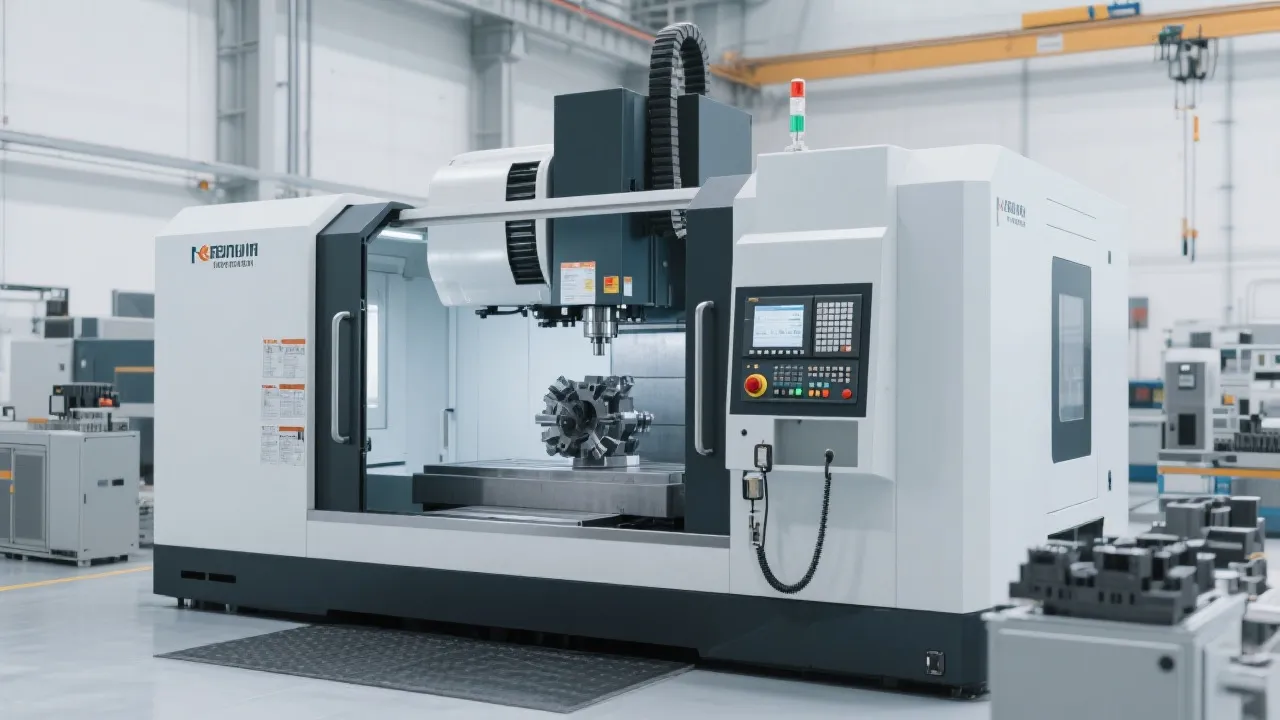
Are you frequently encountering common faults during the operation of last CNC milling machines? This article delves deep into the typical problems under the high - speed Syntec controller and efficient troubleshooting methods. It covers high - frequency scenarios such as program errors, tool abnormalities, and coordinate offsets, offering practical solutions and parameter optimization techniques.
In the actual application of last CNC milling machines, you may face various operation difficulties and fault types. For example, the program may suddenly stop during the operation, which can seriously affect the production progress. According to industry statistics, about 30% of production interruptions in last CNC milling are caused by program - related issues.
The high - speed Syntec controller plays a crucial role in the operation of last CNC milling machines. Its core functions directly affect the processing stability. For instance, its advanced programming capabilities can ensure the accuracy of the machining path. A well - configured Syntec controller can reduce the vibration rate of the spindle by 20% during high - speed machining, greatly improving the product quality.
Let's break down the typical faults one by one. When it comes to program interruptions, it could be due to incorrect programming syntax or hardware communication problems. For spindle vibration, factors such as unbalanced tool installation or bearing wear may be the causes. As for positioning inaccuracies, improper parameter settings or mechanical wear of the guide rails could be the culprits.
Regularly check the hardware connections and update the control software to prevent many potential faults.
Through practical cases, we can see how to adjust parameters, conduct daily maintenance, and perform preventive inspections. For example, in a certain factory, by adjusting the feed rate and spindle speed parameters according to the material characteristics, they increased the processing efficiency by 15% and reduced the scrap rate by 10%.
Standardized operation processes and good teamwork are essential for reducing human errors. A well - trained team with clear division of labor can quickly respond to faults and minimize the downtime. Studies show that factories with standardized operation processes can reduce the fault - related downtime by about 25%.
We also take user feedback seriously. By continuously collecting and analyzing user problems, we can improve the content of this article and provide more practical solutions. And we also invite industry experts to give professional advice, ensuring the real - time and accuracy of the content.
Q: How often should I perform a preventive inspection? A: It is recommended to conduct a comprehensive preventive inspection at least once a month.
If you want to solve the operation problems of last CNC milling machines more effectively and improve production efficiency, why not learn about the advantages of Kaibo DC6070 products and our excellent after - sales service system? Click here to learn more.