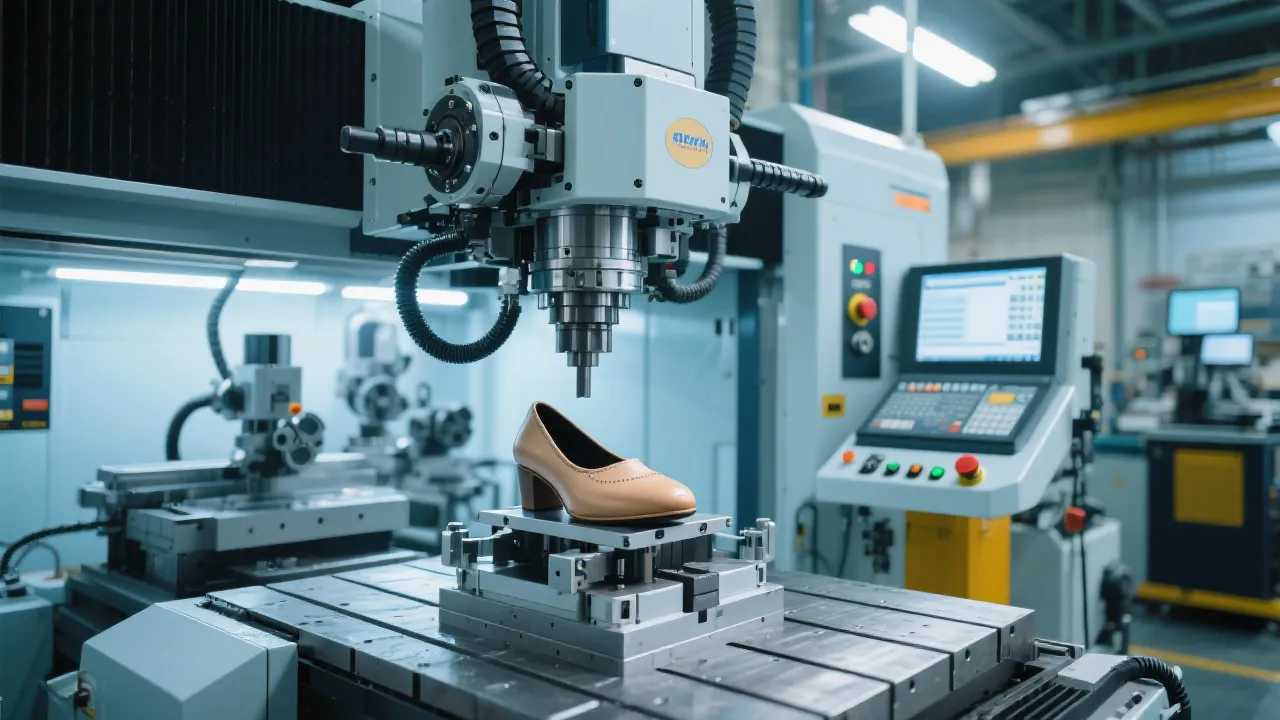
In-Depth Analysis of Multi-Axis Milling for Iron Molds: Practical Tips and Optimization for 4/5-Axis Rotary Tables
25 12,2025
Technical knowledge
How to overcome the challenges of multi-angle milling in iron mold manufacturing? This article offers a comprehensive analysis of practical techniques and optimization methods using 4/5-axis rotary tables in complex iron mold machining. Covering typical scenarios such as inclined surface milling, deep cavity grooving, and complex hole drilling, it explains rotary axis coordinate setup, G-code programming logic, toolpath optimization strategies, and interference avoidance solutions. Designed for engineers and technicians, it provides actionable insights to enhance machining efficiency and precision while mastering cutting-edge industry applications.
Breaking the Limits: Multi-Axis Milling of Iron Molds with 4/5-Axis Rotary Tables
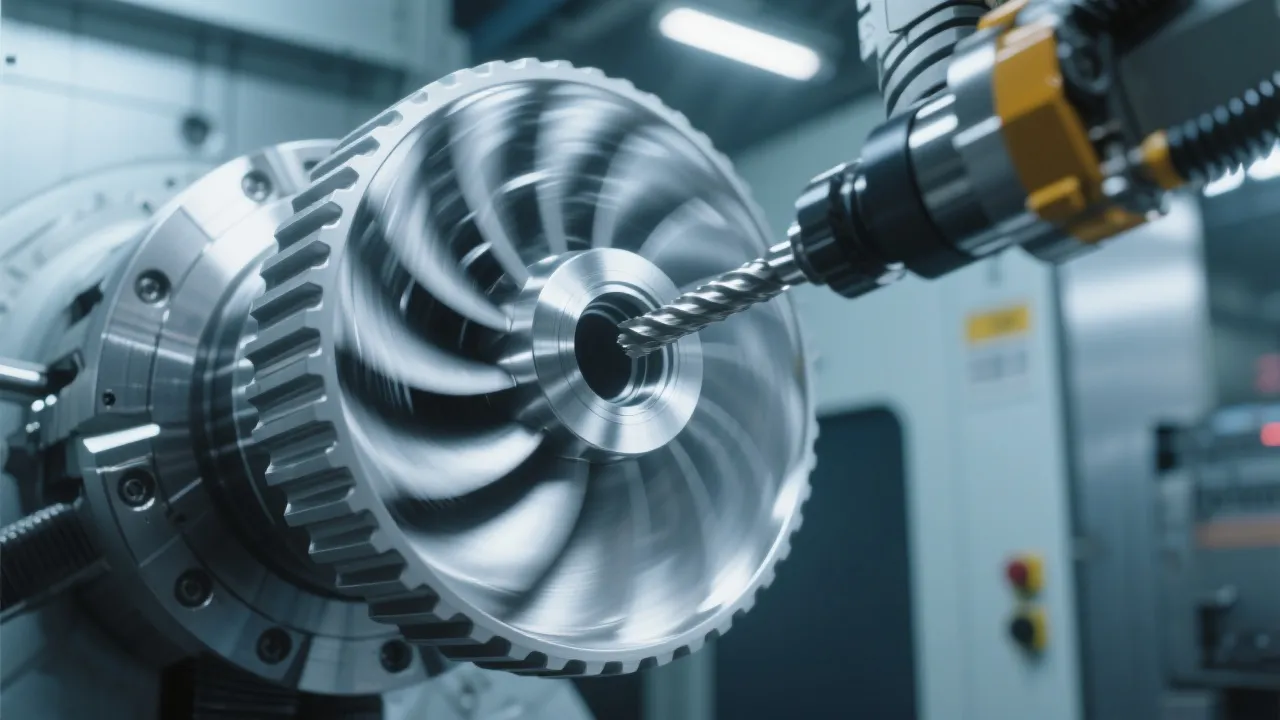
Traditional three-axis CNC machines often struggle with the complex geometries demanded by modern iron mold manufacturing. When faced with angled surfaces, deep cavities, or intricate hole patterns, single-plane machining becomes inefficient or even impossible. Enter the 4/5-axis rotary table — a transformative technology that unlocks new dimensions in multi-angle milling, enabling unprecedented precision, throughput, and design freedom.
Core Advantages of 4/5-Axis Rotary Tables Over 3-Axis Machining
Unlike fixed-axis machines, 4/5-axis rotary tables add one or two rotational degrees of freedom, allowing the workpiece to pivot dynamically during cutting. This facilitates:
- Access to complex angled surfaces without manual re-clamping
- Improved tool orientation to reduce cutter engagement and minimize wear
- Shortened tool paths, resulting in faster cycle times
- Reduced setup errors and improved dimensional accuracy (typically up to 30% better)
Mastering Three Typical Machining Challenges
The following case studies demonstrate best practices in applying 4/5-axis rotary tables to iron mold production:
1. Inclined Surface Milling
Slanted faces often require multiple setups on 3-axis machines, introducing alignment errors. A 4-axis rotary table allows the workpiece to rotate, aligning the cutter normal to the surface for consistent material removal. Key tips include:
- Define rotation axis and zero points precisely to stabilize the coordinate system
- Employ helical interpolation methods to reduce cutter load
- Collaborate CNC programming with CAM software supporting A-axis articulation
2. Deep Cavity Slotting
Complex pockets and slots with depths exceeding 100mm are prone to tool deflection and vibration. Using 5-axis capability to tilt the workpiece optimizes approach angles, enabling use of shorter, stiffer end mills. Recommendations include:
- Implement dynamic tool path strategies like trochoidal milling to control engagement
- Apply real-time collision detection chips in the CNC controller
- Use high-rigidity clamping to maintain stability during rotation
3. Irregular Hole Positioning
Multi-axis indexing simplifies drilling of holes positioned in challenging geometric patterns. Aligning the spindle axis to hole orientation maximizes hole quality and repeatability. Best practices include:
- Coordinate system setup based on the primary feature plane
- G-code programming utilizing synchronized rotary and linear movements (e.g., G68 and G19 commands)
- Optimization of tooling holders to avoid collision during swivel movements
Programming Logic & Toolpath Optimization
Efficient 4/5-axis machining mandates a deep understanding of rotary axis coordinate frames and advanced G-code syntax. Key programming insights include:
- Coordinate System Setup: Define rotary axes (A, B) with respect to the machine’s fixed reference using fixture offsets (G54-G59).
- Rotary Interpolation: Employ simultaneous interpolation commands (G68) to achieve smooth multi-axis movement.
- Toolpath Strategies: Leverage CAM-generated adaptive machining paths to reduce idle moves and ensure consistent chip load.
- Interference Avoidance: Conduct thorough simulation and tool collision checks before physical runs, minimizing scrap risk.
Enhancing Efficiency with Simulation and Visual Aids
Integrating animation simulations or in-process video monitoring fosters better operator comprehension of the multi-axis dynamics. These visual tools help:
- Preview complex tool engagement and avoid surprises
- Detect potential clipping or collisions proactively
- Train technicians faster with vivid, hands-on experience
Why Choose the KaiBo DC1113 CNC Machine?
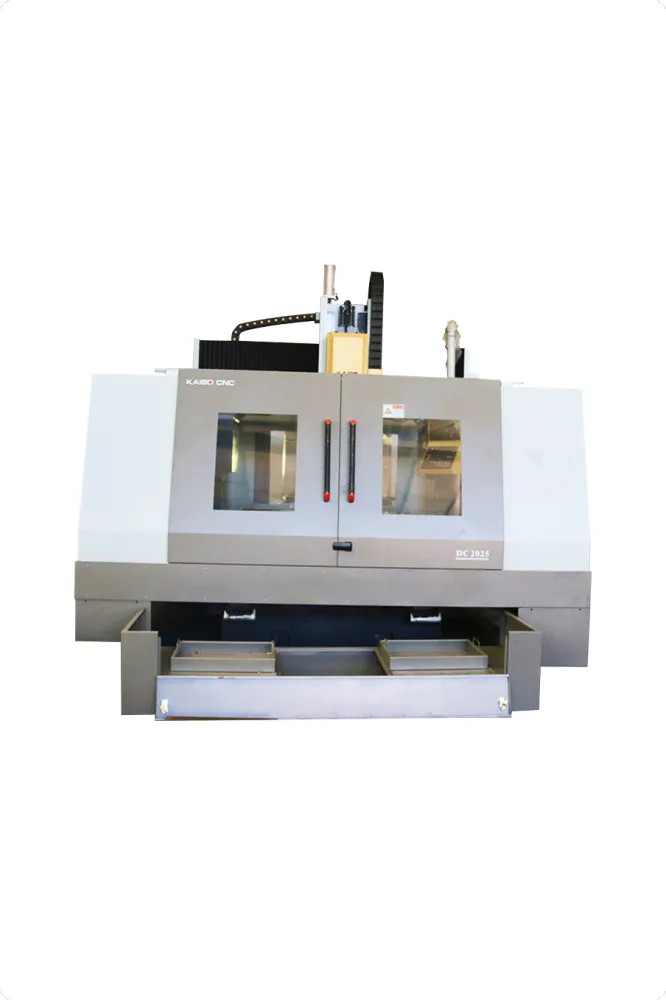
Amidst the demanding requirements of multi-axis iron mold machining, the KaiBo DC1113 stands out with its robust moving bridge design, delivering exceptional rigidity and thermal stability. Highlights include:
- High repeatability within ±0.003 mm enabling precision molds
- Versatile 4/5-axis rotary table integration supporting complex geometries
- Advanced control system compatible with latest CAM offerings
- Enhanced vibration damping for improved surface finish
Choosing DC1113 means embracing a trusted, high-efficiency solution tailored for comprehensive multi-angle iron mold milling.
Interactive Q&A
Have questions about multi-axis milling or programming strategies? Leave your comments below, and our expert team will provide tailored advice.




 <#else>